

Daily Dog Care Routines are essential for keeping your dog healthy, happy, and well-behaved. Taking care of a dog goes beyond just feeding and walking—it involves creating a structured routine that supports your dog’s physical health, mental well-being, and overall happiness. Whether you have a playful puppy, an energetic adult, or a more relaxed senior dog, consistent daily routines can reduce stress, prevent behavioral issues, and help your furry friend thrive.
Establishing consistent daily dog care routines ensures your dog stays healthy, happy, and well-behaved. This includes morning exercise, feeding schedules, hydration, mental stimulation through play, rest breaks, and evening relaxation. Puppies especially thrive with proper nap schedules for growth, while adult dogs benefit from consistent meal times and routine health check-ups. Learn more about caring for your dog at every stage in our Complete Guide to Dog Care at Home.
In this guide, we’ll walk you through daily dog care routines, breaking them down into manageable sections—from morning rituals to evening wind-downs, midday check-ins, and weekly care tips. Along the way, we’ll link to helpful resources such as Morning Dog Routine, Hydration Tips, and Puppy Nap Schedule so you can customize a schedule that works perfectly for your dog.
Starting the Day Right: Daily Dog Care Routines for Morning Success

Mornings set the tone for your dog’s entire day, which is why establishing a consistent daily dog care routine is essential for their health, behavior, and happiness. A well-structured morning not only energizes your dog but also helps prevent stress and anxiety, supports proper digestion, and encourages good behavior throughout the day.
For all dog owners—from those with playful puppies to adult or senior dogs—starting the day with a clear, predictable schedule is a cornerstone of daily dog care routines. Incorporating walks, feeding, and mental stimulation into your daily dog care routines ensures your dog begins the day focused and content. Remember, a calm and consistent morning contributes significantly to the success of your daily dog care routines, keeping your furry friend happy, healthy, and well-behaved. By committing to these steps, you can make daily dog care routines a natural part of life for both you and your dog.
Wake Up & Morning Activities → Morning Dog Routine

Daily Dog Care Routines start with the first few critical minutes after waking up. Begin your morning with outdoor potty breaks to prevent accidents indoors, followed by a short walk or light exercise to get your dog moving. Incorporating gentle play for puppies during this time is an important part of daily dog care routines, stimulating both their muscles and minds. Adult dogs may need longer walks or more structured exercises depending on their energy levels. Including mental enrichment activities in the morning, such as puzzle toys or simple obedience training, is another key element of daily dog care routines, helping your dog stay focused, reduce boredom, and start the day happy and healthy.
A predictable morning schedule helps dogs feel secure and establishes a rhythm they can follow easily. For example, a consistent wake-up time, short walk, and feeding window every morning strengthens their internal clock and supports overall health. This structure is particularly important for puppies, who thrive on repetition and clear expectations.
Hydration & Breakfast → Hydration Tips
After some morning activity, ensure your dog has fresh water available. Proper hydration is a critical part of daily dog care routines, supporting digestion, energy levels, and kidney function. For dogs of all ages, offering water shortly after a walk or play session helps replace lost fluids and keeps them alert and comfortable throughout the day. You can also integrate a hydration schedule later in the day to maintain optimal water intake.
Breakfast is the next essential step. Feeding your dog at the same time each morning provides consistency that helps regulate metabolism and supports digestive health. Use high-quality dog food appropriate for their age, size, and activity level, and consider dividing meals into smaller portions for puppies or senior dogs with sensitive stomachs. For guidance on how often to feed your dog, see Feeding Frequency.
Mental Stimulation & Bonding
Morning routines aren’t just about physical care—they’re also a prime opportunity for mental enrichment and bonding. Short training sessions or interactive games strengthen the bond between you and your dog while promoting good behavior. Dogs that receive consistent mental stimulation are less likely to develop anxiety or destructive habits later in the day. Even a five-minute morning puzzle or obedience drill can set a positive tone for the rest of the day.
For puppies, integrating brief training and socialization exercises in the morning helps establish healthy habits early. Adult dogs also benefit from a predictable routine that balances activity, food, and rest. Combining mental stimulation with hydration and exercise makes mornings both productive and enjoyable for your dog.
Creating Your Personalized Morning Routine
Every dog is different, so your morning routine should reflect your dog’s age, breed, energy level, and health needs. A typical morning routine might look like this:
| Time | Activity | Notes |
| 6:30 AM | Wake up & potty break | Outdoor preferred |
| 6:45 AM | Short walk or light play | Adjust duration for age/energy |
| 7:15 AM | Breakfast & hydration | Measure portions, provide fresh water |
| 7:30 AM | Mental enrichment | Puzzle toy or obedience training |
| 7:45 AM | Rest / downtime | Calm transition before next activity |
This type of structured routine supports both physical and mental health, reinforcing good behavior and overall well-being. You can adjust the schedule for puppies, senior dogs, or high-energy breeds as needed. For detailed routines tailored to puppies, check out Puppy Daily Routine.
Midday Care & Check-ins
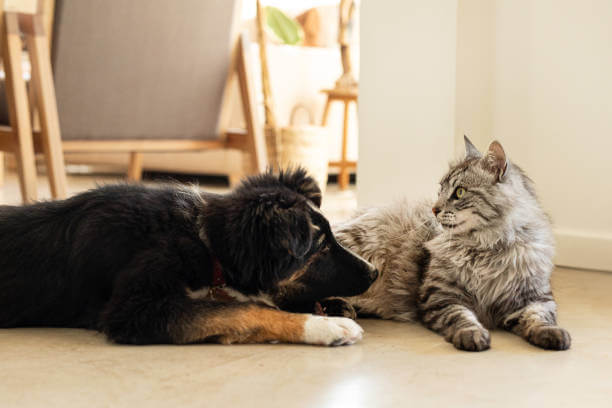
Maintaining a structured midday routine is just as important as morning care when it comes to daily dog care routines. Dogs, whether puppies or adults, thrive on predictability, and having consistent check-ins during the day ensures their physical health, mental well-being, and energy balance. Midday activities help break up the day, provide necessary hydration, and prevent behavioral issues caused by boredom or restlessness.
Midday Health Check in Daily Dog Care Routines → Midday Check-ins
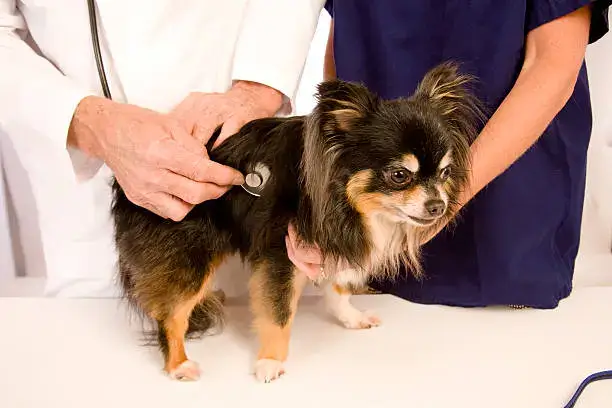
A quick health check during the day is an important part of daily dog care routines. Spend a few minutes observing your dog’s behavior, posture, and energy levels. Look for signs of discomfort, unusual lethargy, or digestive issues. Puppies may require more frequent observations due to their rapid growth and learning patterns, making midday check-ins an essential component of daily dog care routines. Adult dogs benefit from brief midday observations, which help maintain a sense of routine, security, and overall well-being. Incorporating this simple practice into your daily dog care routines ensures your dog stays healthy, happy, and responsive throughout the day.
During these check-ins, you can also incorporate short play sessions or gentle exercises. Even 5–10 minutes of interactive play—like fetch, tug-of-war, or obedience drills—keeps your dog mentally stimulated and physically active. Structured midday activity helps regulate behavior, reduces anxiety, and keeps energy levels steady until the evening.
Hydration & Snack Breaks → Hydration Schedule
Hydration is a cornerstone of daily dog care routines. Dogs can easily become dehydrated, especially after morning activity or outdoor play. Make sure fresh water is available, and consider providing small snacks or treats to sustain energy levels, particularly for puppies or working breeds. A consistent hydration schedule ensures your dog stays healthy, maintains proper digestion, and prevents urinary tract issues.
For adult dogs, spacing water intake and snacks throughout the day supports metabolism and energy, while preventing overeating during main meals. Puppies often require smaller, more frequent meals, combined with water access, to match their high energy and rapid growth. Structured hydration and snack breaks contribute to a balanced, well-managed daily routine.
Mental Stimulation During Midday
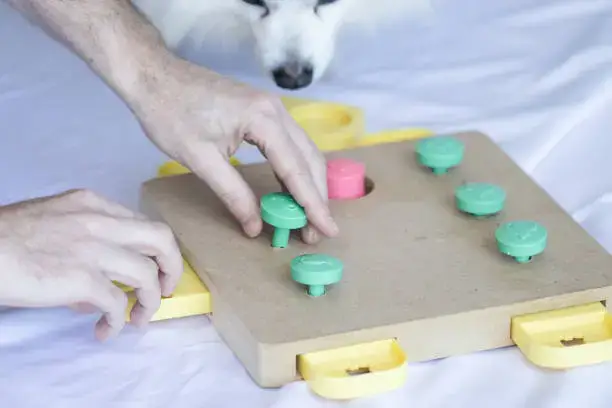
Midday is an ideal time to integrate mental enrichment exercises. Activities such as puzzle toys, scent games, or short obedience training sessions keep your dog’s brain active and engaged. Mental stimulation prevents destructive behaviors caused by boredom, such as chewing or excessive barking. Puppies especially benefit from short, frequent enrichment sessions that build confidence and cognitive skills, while adult dogs maintain focus and reduce anxiety through consistent mental challenges.
Even simple activities, like hiding small treats or rotating toys, can make the midday routine enjoyable and stimulating. By combining physical activity with cognitive exercises, you reinforce positive habits and strengthen the bond between owner and dog.
Customizing Your Midday Routine
Every dog’s needs differ, so it’s important to tailor midday activities according to age, breed, and energy level. A sample midday routine might look like this:
| Time | Activity | Notes |
| 11:30 AM | Quick potty break | Puppies may need extra trips |
| 12:00 PM | Short play or training | 5–10 min session to burn energy |
| 12:15 PM | Hydration & small snack | Follow hydration schedule |
| 12:30 PM | Rest / calm time | Especially for puppies & senior dogs |
By creating a predictable midday schedule, you ensure your dog’s needs are met consistently, which supports overall health, reduces stress, and maintains a balanced day. Pairing these routines with morning and evening care completes a full-day structure, reinforcing good habits and enhancing your dog’s quality of life.
Routines for Puppies

Establishing a consistent routine for puppies is one of the most important aspects of daily dog care routines. Puppies are growing rapidly, both physically and mentally, and having a predictable schedule helps them develop healthy habits, feel secure, and adapt to their environment. Unlike adult dogs, puppies require more frequent meals, naps, play sessions, and training, making structured routines essential for their overall development.
Structured Daily Routine for Puppies → Puppy Daily Routine
A well-planned daily dog care routine for puppies should include a balanced mix of feeding, play, training, and rest. Feeding your puppy at consistent times each day helps regulate digestion, prevents overeating, and supports healthy growth. Incorporating short training sessions during the morning and midday reinforces basic commands and socialization skills, which are key elements of daily dog care routines.
Puppies thrive on repetition, so sticking to the same sequence of activities every day reduces anxiety and builds confidence. By creating a reliable daily dog care routine, you teach your puppy what to expect, encourage good behavior, and prevent common issues such as excessive barking or destructive chewing. Following these structured daily dog care routines ensures your puppy grows into a well-adjusted, happy, and confident dog.
Nap & Rest Schedule → Puppy Nap Schedule

Rest is crucial for a puppy’s development. Puppies can sleep up to 18–20 hours a day, but sleep needs vary by age and activity level. A proper nap schedule ensures your puppy gets enough rest to support growth, brain development, and energy restoration.
Structured nap times should follow periods of activity or play. After a walk, play session, or training, guide your puppy to a quiet, comfortable spot to rest. For consistency, try to maintain similar nap times each day. A predictable rest routine not only promotes healthy sleep patterns but also helps with house training and reduces hyperactive behavior.
Feeding & Hydration for Puppies

Puppies require more frequent feeding than adult dogs, typically three to four meals per day, depending on breed and age. Establishing a consistent feeding routine helps regulate their metabolism and prevents digestive issues. Fresh water should always be accessible to ensure proper hydration throughout the day, which is a vital part of daily dog care routines.
Pairing feeding times with short play or training sessions reinforces positive habits. For example, after breakfast, a brief walk or obedience drill helps your puppy expend energy and reinforces learning. Proper feeding and hydration routines set the foundation for a healthy, happy, and well-behaved dog.
Mental Stimulation & Playtime
Puppies are highly curious and mentally active, making enrichment and play crucial parts of their daily routine. Activities like puzzle toys, scent games, and basic obedience training engage your puppy’s brain while improving problem-solving skills. Short, frequent play sessions prevent boredom and teach appropriate behaviors.
Interactive games in the morning, midday, and evening also strengthen the bond between you and your puppy. By integrating mental stimulation with physical activity, you provide a balanced routine that supports overall development and prevents unwanted habits.
Creating a Personalized Puppy Routine
Every puppy is unique, so it’s important to adapt routines based on breed, age, and energy level. A sample puppy schedule might look like this:
| Time | Activity | Notes |
| 7:00 AM | Wake up & potty | Outdoor preferred |
| 7:15 AM | Breakfast | Fresh water available |
| 7:45 AM | Short walk / training | Mental enrichment included |
| 9:00 AM | Nap | Quiet, comfortable area |
| 12:00 PM | Midday snack & hydration | Play session optional |
| 1:00 PM | Training / socialization | 10–15 min session |
| 3:00 PM | Nap | Rest after activity |
| 5:00 PM | Evening play | Interactive or fetch |
| 6:30 PM | Dinner | Hydration maintained |
| 7:30 PM | Calm-down & bedtime routine | Nighttime Dog Routine |
Following a structured routine tailored to your puppy’s needs not only supports healthy growth but also establishes good habits for adulthood. Puppies that receive consistent care, mental stimulation, and rest are more likely to develop into confident, well-behaved adult dogs.
Evening & Night Routines

The evening and nighttime periods are crucial for completing a balanced daily dog care routine. After a full day of activity, feeding, and mental stimulation, dogs need a calm, predictable schedule to wind down. Establishing consistent evening and nighttime routines not only promotes restful sleep but also reinforces good behavior, reduces anxiety, and supports overall health. This is especially important for puppies, adult dogs, and senior dogs who all benefit from structured downtime.
Evening Activities & Calm-Down Time → Evening Dog Routine
Evening routines provide an opportunity to transition your dog from daytime activity to a calmer state. Begin with a short walk or potty break to release any remaining energy and prevent nighttime accidents. This is also a good time for light play or training exercises that are low intensity, helping your dog to relax while reinforcing learned commands.
During this period, focus on creating a stress-free environment. Dim lights, reduce loud noises, and engage in gentle petting or brushing sessions. Consistency is key—dogs thrive on predictability, and having a regular evening routine signals that it’s time to wind down. For puppies, calm-down periods in the evening also prevent overexcitement before bedtime, helping them sleep longer and more soundly.
Dinner & Hydration → Nighttime Dog Routine
Feeding your dog dinner at a consistent time is a cornerstone of daily dog care routines. A balanced evening meal helps regulate metabolism and prepares your dog for a restful night. Puppies and adult dogs alike benefit from portion-controlled meals and access to fresh water to maintain hydration throughout the evening.
Pairing dinner with a short walk or potty break encourages digestion and prevents discomfort. Keeping the routine consistent every night helps your dog understand when to expect meals and reinforces a sense of security and structure. For dogs with sensitive stomachs or older dogs, lighter dinners in the evening may be preferable.
Pre-Bedtime Routine & Sleep Preparation
A structured pre-bedtime routine sets the stage for quality sleep. Provide your dog with a comfortable sleeping area, such as a crate or dog bed, in a quiet, low-traffic part of the house. Incorporate calming rituals like gentle petting, brushing, or soft background noise to signal that it’s time to rest.
For puppies, establishing a predictable bedtime ritual helps prevent nighttime whining or restlessness. Senior dogs may need additional support, such as orthopedic bedding or a nightlight, to ensure comfort and prevent anxiety. Maintaining the same bedtime and calm-down steps each evening reinforces the daily rhythm and promotes healthier sleep patterns.
Tips for a Peaceful Night Routine
- Stick to consistent timing – Feed, walk, and bedtime should occur at similar times daily.
- Limit stimulating activities – Avoid high-energy play right before bedtime.
- Hydration management – Ensure water is available but monitor excessive drinking right before bed.
- Calming environment – Soft lighting, gentle sounds, and familiar bedding reduce stress.
- Observe sleep cues – Dogs will naturally indicate readiness for rest; follow their signals.
Implementing these steps ensures your dog completes the day with a sense of calm and security, which is vital for both mental and physical health. A predictable evening and nighttime routine complements morning and midday care, completing a full daily dog care routine that supports energy balance, behavior management, and overall well-being.
Weekly & Weekend Care

While daily routines are crucial, weekly and weekend care plays an equally important role in maintaining your dog’s overall health and well-being. Incorporating regular check-ups, grooming, and extended play sessions ensures your dog remains physically fit, mentally stimulated, and emotionally happy. A well-rounded schedule that combines daily routines with weekly care is the cornerstone of effective daily dog care routines.
Weekly Health Check → Weekly Health Check
Performing a weekly health check helps you catch potential issues early and maintain your dog’s wellness. During these check-ins, examine your dog’s coat, skin, ears, teeth, and nails. Look for signs of irritation, infections, or unusual behavior. Puppies require extra attention due to rapid growth, while adult and senior dogs may need more frequent monitoring for age-related conditions.
A weekly routine also provides an opportunity to review weight, appetite, and energy levels, which are important indicators of overall health. By observing these factors consistently, you can make adjustments to feeding, exercise, or medical care as needed. Regular health checks complement daily observation and reinforce your role as a proactive, attentive pet owner.
Grooming and Hygiene in Daily Dog Care Routines
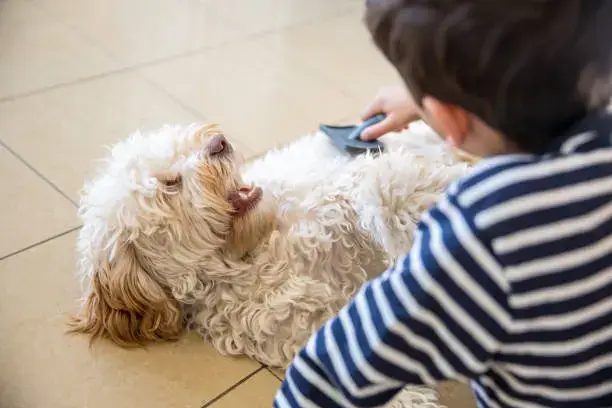
Weekly grooming is an essential part of daily dog care routines, helping maintain your dog’s comfort, cleanliness, and overall health. This includes regular brushing, nail trimming, and occasional baths depending on your dog’s coat type and lifestyle. Grooming not only keeps your dog clean but also strengthens your bond and provides a chance to check for lumps, bumps, or skin abnormalities. Puppies benefit from gentle handling during grooming to become accustomed to human touch, while adult dogs enjoy this routine as a consistent part of their daily dog care routines. By incorporating grooming into your daily dog care routines, you ensure your dog stays healthy, happy, and well-cared for.
Proper grooming also prevents matting, reduces shedding, and maintains healthy skin, which is particularly important for dogs with sensitive coats or long hair. Integrating grooming into your weekend schedule ensures your dog’s hygiene is maintained without interfering with daily routines.
Weekend Fun & Extended Activities → Weekend Dog Care
Weekends are perfect for extended playtime, socialization, and longer walks. Unlike weekday routines that focus on structure and efficiency, weekend activities can be more relaxed and exploratory. Visit parks, trails, or dog-friendly areas where your dog can interact with new environments and other dogs. These activities provide physical exercise, mental stimulation, and help reduce stress and boredom.
Longer outdoor sessions are an important part of daily dog care routines, helping to build endurance and strengthen muscles. For puppies, supervised socialization during weekends is a key element of daily dog care routines, supporting confidence and teaching proper behavior around other animals. Adult dogs benefit from varied activities that challenge their agility and curiosity, keeping them engaged, stimulated, and happy throughout the day.
Creating a Weekly Care Schedule
Combining daily routines with weekly care ensures your dog enjoys a balanced life. Here’s an example schedule:
| Day | Activity | Notes |
| Monday – Friday | Daily routines | Morning, midday, evening as previously outlined |
| Saturday | Grooming & extended play | Brushing, bath, park visit |
| Sunday | Health review & socialization | Weight check, teeth & nails, safe playdates |
By incorporating structured weekend activities and weekly health checks, you provide a holistic approach to daily dog care routines. This combination of daily structure and periodic in-depth care promotes long-term health, strengthens behavioral consistency, and ensures your dog enjoys a happy, balanced life.
Tips for a Balanced Daily Routine

Creating a balanced routine ensures your dog gets the right mix of exercise, nutrition, mental stimulation, and rest. While daily, midday, evening, and weekly routines form the foundation, combining them thoughtfully helps maintain energy levels, reduce stress, and encourage good behavior.
Prioritize Consistency
Dogs thrive on consistency, which is why daily dog care routines are so important. Maintaining regular feeding times, walks, play sessions, and bedtime helps support digestion, regulate energy levels, and promote mental stability. Following structured daily dog care routines makes dogs more confident, secure, and better behaved. By integrating these predictable patterns into your schedule, you can ensure your furry companion stays happy and healthy throughout the day.
Balance Activity and Rest
Too much activity without adequate rest can lead to stress, hyperactivity, or injury. Puppies especially need frequent naps between play sessions, while adult dogs benefit from calm periods after exercise. Structured nap schedules (Puppy Nap Schedule) and quiet time ensure your dog’s physical and mental recovery.
Incorporate Mental Stimulation
Physical activity alone isn’t enough for a healthy, happy dog—daily dog care routines should also include mental exercises. Activities like puzzle toys, obedience training, or scent games help enhance learning, prevent boredom, and reinforce good behavior. Incorporating short enrichment sessions during morning, midday, and evening times is an essential part of daily dog care routines, creating a balanced and stimulating schedule. By combining physical and mental stimulation, your dog can thrive on a complete daily dog care routine that supports both body and mind.
Monitor Hydration and Nutrition
Proper hydration (Hydration Tips) and a balanced feeding schedule (Feeding Frequency) are critical. Offer fresh water throughout the day, and adjust portion sizes according to age, breed, and activity level. Proper nutrition fuels energy for exercise and supports overall health.
Adjust Daily Dog Care Routines for Age and Breed

Each dog is unique, and tailoring daily dog care routines to your dog’s age and breed is essential for optimal health and behavior. Puppies require more naps and frequent small meals, while adults benefit from structured exercise and training as part of their daily dog care routines. Senior dogs may need shorter walks, gentle activities, or orthopedic support. By customizing daily dog care routines to match your dog’s specific needs, energy levels, and health requirements, you ensure they remain happy, healthy, and well-adjusted throughout their life stages.
Use Tools and Checklists
- Daily routine template
- Feeding and hydration tracker
- Weekly health checklist
These tools simplify scheduling and ensure no aspect of care is overlooked. Templates can guide you through morning, midday, evening, and weekly routines, making daily dog care routines more manageable.
Frequently Asked Questions (FAQ)
- How often should I walk my dog daily?
Most dogs benefit from at least 30–60 minutes of walking per day, split between morning and evening sessions, adjusted by age and energy. - How much water does my dog need?
Dogs typically need 1 ounce of water per pound of body weight daily. Puppies and active dogs may require more. Use a hydration schedule (Hydration Schedule) for consistency. - What’s the best feeding schedule for puppies?
Puppies usually require three to four small meals per day, spaced evenly, to support digestion and growth. See Puppy Daily Routine for guidance. - How do I set up a routine for an older dog?
Prioritize short walks, gentle play, consistent feeding, hydration, and rest. Include weekly health checks to monitor joints and mobility (Weekly Health Check). - Should I feed my dog before or after a walk?
For most dogs, feeding after a walk prevents digestive discomfort. Puppies may require small snacks before activity if energy levels are low. - How do I track my dog’s health weekly?
Use a checklist to review coat, ears, teeth, nails, weight, appetite, and energy levels. This ensures early detection of issues. - What are common mistakes in dog daily routines?
- Inconsistent feeding or walking times
- Skipping mental stimulation
- Over- or under-exercising
- Ignoring hydration needs
- Can puppies have the same routine as adult dogs?
No, puppies require more naps, frequent meals, and structured mental enrichment. Adult dogs need longer exercise and consistent routines but fewer naps. - How can I encourage my dog to follow the routine?
Use positive reinforcement with treats, praise, and attention. Consistency and clear signals help dogs adapt quickly.
Conclusion
A well-structured daily dog care routine forms the foundation of a healthy, happy, and well-behaved dog. By combining morning rituals, midday check-ins, evening wind-downs, and weekly care, you provide your dog with a predictable and supportive environment. Consistency, mental stimulation, proper feeding, hydration, and tailored routines for puppies, adults, and seniors ensure your dog’s physical and emotional well-being.
Implementing these daily dog care routines not only strengthens your bond with your dog but also helps prevent behavioral issues and promotes long-term health. Start with small, manageable steps, gradually integrating structured activities, and adjust based on your dog’s individual needs. A predictable and balanced daily schedule is essential for raising a confident, happy, and thriving canine companion. For professional guidance on exercise and overall dog well-being, see ASPCA’s Dog Care Guidelines.
