


Ensuring your dog ends the day in a calm and healthy state is essential for their overall well-being. A structured Nighttime Dog Routine provides consistency, reduces anxiety, and supports proper digestion and sleep. This guide walks you through practical steps to make your dog’s evening stress-free and beneficial.
Evening Feeding and Hydration
The evening meal plays a key role in a Nighttime Dog Routine. Feeding at consistent times helps regulate digestion and prevents discomfort overnight. Proper hydration is equally important to maintain energy levels and prevent dehydration.
Consistent Meal Timing
- Feed your dog at the same time each evening to establish predictability.
- Monitor portion sizes to avoid overfeeding, which can disrupt sleep.
- Adjust food type and quantity based on age, breed, and activity level.
- For puppies or senior dogs, consider dividing meals to accommodate dietary needs.
Hydration Tips
- Provide fresh water alongside the evening meal and throughout the night.
- Monitor water intake to ensure your dog remains properly hydrated.
- Avoid giving excessive water right before bedtime to reduce nighttime accidents.
- Use water bowls that are easy to access and spill-proof.
Treats and Snacks
- If giving evening treats, choose healthy options that don’t upset digestion.
- Avoid sugary or high-fat snacks close to bedtime.
- Treats can be used as positive reinforcement during training as part of the nighttime routine.
- Limit the number of treats to prevent excessive caloric intake.
A regular feeding and hydration schedule ensures that your Nighttime Dog Routine supports physical health and contributes to a restful night.
Evening Walks and Exercise
Exercise is a key component of a Nighttime Dog Routine, helping dogs burn off energy, reduce anxiety, and prepare for restful sleep. Evening walks or gentle play sessions can strengthen the bond between you and your dog.
Short Walks
- Take a walk around your neighborhood to allow your dog to relieve themselves.
- Evening walks should be calming, not overly vigorous, to avoid overstimulation.
- Use a leash and ensure your dog wears proper identification tags.
- Observe your dog’s behavior for signs of fatigue or overstimulation.
Gentle Play
- Engage in indoor play, such as tug-of-war or interactive toys, after dinner.
- Avoid roughhousing that might increase hyperactivity before bedtime.
- Short, structured sessions encourage obedience and reinforce training commands.
- Introduce puzzle toys or scent-based games to provide mental stimulation.
Monitoring Energy Levels
- Some dogs may have bursts of energy in the evening; adjust the routine as needed.
- Observe if exercise is sufficient or excessive for your dog’s age and breed.
- Gradually adapt the routine to ensure your dog is neither overexerted nor under-stimulated.
- Consistency in activity helps maintain a predictable Nighttime Dog Routine.
Proper evening exercise supports digestion, mental stimulation, and calm behavior, laying the foundation for a structured nighttime routine.
Bathroom Breaks and Potty Training
Bathroom breaks are a crucial part of any Nighttime Dog Routine, particularly for puppies and senior dogs. Consistent potty timing reduces accidents, supports bladder health, and fosters good habits.
Post-Dinner Bathroom Break
- Take your dog outside shortly after their evening meal to relieve themselves.
- Use verbal cues or commands consistently to reinforce bathroom training.
- Reward successful potty trips with praise or small treats.
- Ensure the outdoor area is safe and well-lit for evening trips.
Pre-Bedtime Bathroom Trip
- Allow a final bathroom break before putting your dog to bed.
- This reduces the likelihood of nighttime accidents and ensures comfort.
- Monitor the dog for signs of restlessness or discomfort indicating the need for another trip.
- Keep a predictable schedule to maintain consistency in your Nighttime Dog Routine.
Training Consistency
- For puppies, crate training can help with bladder control overnight.
- Senior dogs may require additional nighttime bathroom trips based on health needs.
- Observe and adapt to your dog’s habits to prevent accidents.
- Use positive reinforcement to encourage proper nighttime potty behavior.
Incorporating bathroom breaks into the Nighttime Dog Routine ensures that your dog stays comfortable, confident, and free from stress overnight.
For a comprehensive guide on daily dog care routines, visit Complete Guide to Dog Care at Home.
Grooming and Hygiene Before Bed
Maintaining proper grooming and hygiene is a vital part of a Nighttime Dog Routine. Regular care helps prevent skin issues, promotes a healthy coat, and reduces discomfort during sleep. A consistent grooming routine also strengthens the bond between you and your dog.
Brushing and Coat Care
- Brush your dog’s coat to remove loose hair, dirt, and debris.
- Use breed-appropriate brushes to prevent skin irritation.
- Regular brushing distributes natural oils, enhancing coat shine and skin health.
- For long-haired breeds, nightly brushing can prevent tangles and mats.
Teeth and Oral Care
- Incorporate tooth brushing or dental chews into the nightly routine.
- Maintaining oral hygiene reduces the risk of bad breath, plaque, and gum disease.
- Consult your veterinarian for toothpaste and brushing techniques suitable for your dog.
- Consistent dental care is a small step that greatly contributes to overall health in a Nighttime Dog Routine.
Bathing and Skin Health
- Avoid full baths every night unless necessary; focus on cleaning paws and areas prone to dirt.
- Use dog-friendly shampoos and conditioners to prevent skin irritation.
- Check for signs of rashes, dryness, or irritation during grooming.
- Incorporate grooming into the routine at a consistent time to create predictability.
Proper grooming and hygiene before bed ensure your dog is comfortable, clean, and ready for a restful night, forming a key component of the Nighttime Dog Routine.
Relaxation and Calming Techniques
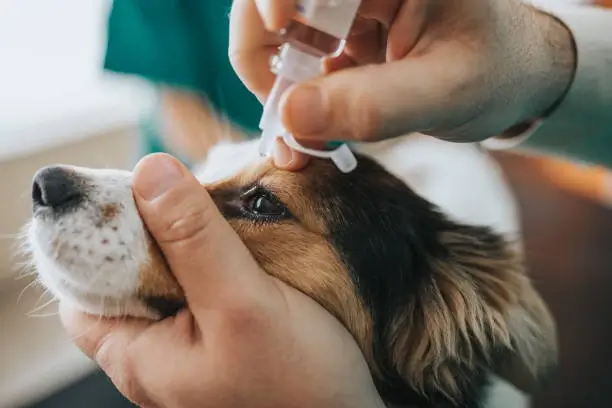
Promoting relaxation is critical to a successful Nighttime Dog Routine. A calm evening reduces anxiety, supports digestion, and prepares your dog for deep, restorative sleep.
Quiet Time
- Dedicate 15–20 minutes of quiet bonding, such as gentle petting or soft talking.
- Dim the lights or create a cozy environment to signal the transition to nighttime.
- Avoid stimulating activities that may cause excitement or stress.
- Quiet time reinforces the structure of a predictable Nighttime Dog Routine.
Calming Scents and Sounds
- Use dog-safe aromatherapy or calming sprays as recommended by professionals.
- Soft music or white noise can mask disruptive household sounds and promote sleep.
- Avoid sudden loud noises and high-energy interactions near bedtime.
- Observe your dog’s responses to different calming methods and adapt accordingly.
Massage and Body Awareness
- Gentle massages can relax muscles and improve circulation.
- Focus on areas where tension accumulates, such as shoulders, back, and neck.
- Incorporate massage into the routine gradually, building positive associations.
- Massage reinforces trust and comfort, supporting the overall Nighttime Dog Routine.
Incorporating these relaxation techniques helps dogs unwind and transition smoothly into sleep, making your evening routine more effective and stress-free.
Sleep Environment and Bedtime Preparation
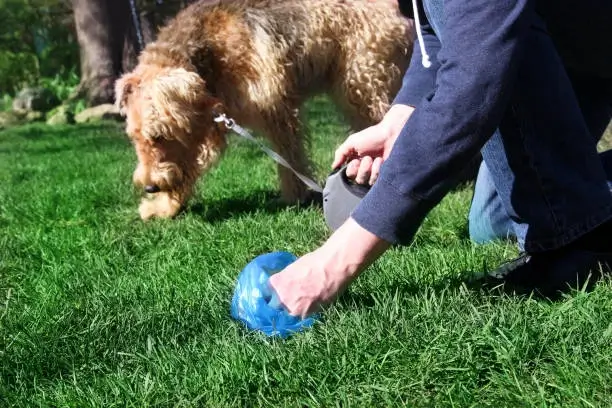
The sleep environment significantly impacts the success of a Nighttime Dog Routine. A secure, comfortable, and consistent space encourages better rest and reduces nighttime disturbances.
Choosing the Right Sleeping Area
- Select a quiet area away from household traffic and loud noises.
- Ensure bedding is comfortable, supportive, and appropriate for your dog’s size.
- Consider crate training for puppies to create a safe and familiar space.
- The sleeping area should be part of the nightly routine to establish predictability.
Bedding and Comfort
- Use blankets or cushions to support joints, especially for older dogs.
- Keep bedding clean and free of dirt or hair buildup to prevent skin issues.
- Incorporate favorite toys or comfort items to provide security.
- Rotate bedding or clean regularly to maintain hygiene and freshness.
Lighting and Ambient Conditions
- Dim lights or use nightlights to create a calming environment.
- Ensure proper ventilation and comfortable temperature for sleep.
- Minimize sudden noises or disruptions during the night.
- Establishing a consistent sleep environment enhances the effectiveness of your Nighttime Dog Routine.
Nighttime Check-ins
- For puppies or dogs with health concerns, perform brief nighttime check-ins.
- Monitor for restlessness, signs of discomfort, or urgent bathroom needs.
- Avoid stimulating interactions during check-ins; keep them calm and brief.
- Record observations to inform adjustments in the routine if needed.
For professional tips on creating effective dog bedtime routines, visit American Kennel Club: Nighttime Dog Care.
Consistent Bedtime Rituals
Establishing consistent bedtime rituals is crucial for a successful Nighttime Dog Routine. Dogs thrive on predictability, and following the same sequence of activities each night helps reduce anxiety and promote restful sleep.
Structured Sequence
- Follow a fixed order of activities: feeding, bathroom break, grooming, quiet time, and bedtime.
- Avoid skipping steps to maintain consistency and reinforce habits.
- Observe your dog’s behavior to identify which elements are most effective in calming them.
- Structured sequences help puppies and adult dogs alike understand when it’s time to wind down.
Positive Reinforcement
- Reward calm behavior throughout the evening with gentle praise or small treats.
- Encourage obedience commands during the routine to reinforce training.
- Avoid punishing hyperactivity; instead, redirect energy into positive behaviors.
- Positive reinforcement builds trust and ensures that the Nighttime Dog Routine is enjoyable and stress-free.
Transition Signals
- Use specific cues, like a command or hand signal, to indicate bedtime.
- Dimming lights, playing soft music, or closing doors can serve as environmental signals.
- Over time, your dog will associate these cues with calmness and sleep readiness.
- Transition signals create a smooth end-of-day routine and reduce anxiety.
A consistent bedtime ritual strengthens the Nighttime Dog Routine, creating predictability and security that dogs need for peaceful sleep.
Health Monitoring and Nighttime Safety
Nighttime care is an excellent opportunity to monitor your dog’s health and ensure safety. Regular observation helps identify potential issues early and supports overall well-being.
Physical Health Checks
- Inspect your dog for signs of injury, swelling, or skin irritation before bed.
- Monitor weight, appetite, and energy levels daily to detect changes.
- Check paws, nails, and teeth as part of the grooming process.
- Early detection of health issues prevents complications and ensures your Nighttime Dog Routine is safe and effective.
Environmental Safety
- Remove hazards from sleeping areas, such as cords, small objects, or toxic plants.
- Ensure the sleeping area is secure, with proper ventilation and temperature control.
- For puppies, consider gates or crate barriers to prevent nighttime wandering.
- A safe environment reinforces confidence and comfort in the Nighttime Dog Routine.
Emergency Preparedness
- Keep a small first aid kit accessible for minor injuries or emergencies.
- Know local veterinary emergency numbers and have contact information ready.
- Observe unusual behaviors, like vomiting or persistent coughing, and seek professional help if needed.
- Nighttime readiness ensures your dog’s safety and gives you peace of mind.
Regular health monitoring and safety precautions are integral components of an effective Nighttime Dog Routine, supporting both comfort and security.
FAQ
Q1: How long should a nighttime dog routine last?
A: A typical Nighttime Dog Routine lasts between 30–60 minutes, depending on the dog’s age and needs. Puppies may require additional steps like extra bathroom breaks or playtime.
Q2: Can older dogs follow the same nighttime routine as puppies?
A: Yes, but you may need to adjust intensity and duration. Senior dogs benefit from gentle exercise, shorter grooming sessions, and additional bathroom trips.
Q3: What if my dog resists bedtime?
A: Gradually introduce the routine and use positive reinforcement. Avoid forcing your dog, as this can increase anxiety. Consistency and patience are key.
Q4: Should I leave a light on for my dog at night?
A: Soft nightlights are okay, especially for anxious dogs, but avoid bright lights that may disrupt sleep. Over time, dogs can adapt to darkness if properly trained.
Q5: How important is consistency in the nighttime routine?
A: Extremely important. Dogs thrive on predictability. Skipping steps or varying times can increase anxiety and disrupt sleep patterns.
Daily Nighttime Checklist
- Evening meal at consistent time
- Provide fresh water and monitor intake
- Bathroom break after dinner and before bed
- Grooming: brushing, dental care, check for skin issues
- Short walk or gentle play to release energy
- Quiet bonding time with calming cues
- Prepare sleep environment: bed, lighting, ambient conditions
- Health check for injuries or unusual behaviors
- Ensure environment safety: remove hazards, secure area
- Implement bedtime ritual and transition signals
Following this checklist ensures a structured, safe, and calming Nighttime Dog Routine, supporting overall health and behavior while reducing stress for both you and your dog.
For more expert advice on nighttime dog care, visit ASPCA: Dog Care Tips.
