

A consistent morning dog routine sets the tone for your dog’s entire day. From nutrition and exercise to mental stimulation, following a structured morning plan ensures your pet stays healthy, happy, and well-behaved. This guide walks you step by step through practical strategies for a stress-free morning, helping both new and experienced dog owners create a positive start to every day.
Morning Feeding and Hydration for Your Dog
Proper nutrition is the cornerstone of any morning dog routine. Starting the day with a balanced breakfast and clean water supports digestion, energy, and overall health. Consistency in meal timing reinforces metabolism and encourages healthy behavior throughout the day.
Choosing the Right Dog Food
Selecting the right food depends on your dog’s age, breed, and activity level. High-quality commercial kibble or premium wet food is recommended. Puppies require nutrient-dense formulas for growth, adults benefit from maintenance diets, and seniors may need specialized diets for joint health.
- Tip: Rotate between protein sources if your dog isn’t allergic to create variety and prevent picky eating.
- Mini-case: A 2-year-old Golden Retriever showed improved coat quality and increased energy after switching to a high-protein morning meal with fish-based kibble.
Portion Control and Feeding Schedule
Serving the correct portion is essential. Overfeeding can lead to weight gain, while underfeeding may cause irritability or low energy.
- Recommended Portions:
- Small breeds: ½–1 cup
- Medium breeds: 1–2 cups
- Large breeds: 2–4 cups
- Step-by-Step Feeding:
- Measure the appropriate amount of food.
- Serve at the same time every morning.
- Remove leftovers after 15–20 minutes.
- Observe for changes in appetite, which may indicate health issues.
Secondary Keyword Placement: dog breakfast habits
Hydration Tips for Morning
Water is just as important as food. Ensure fresh water is available at all times. For active dogs, consider adding a second water station in a different area of the house.
- Tip: Encourage drinking by occasionally offering ice cubes or adding a splash of low-sodium broth.
- Mini-case: A young Labrador who previously avoided water started drinking more consistently when a second bowl was placed near the kitchen, improving hydration and coat shine.
Early Morning Walks and Physical Exercise
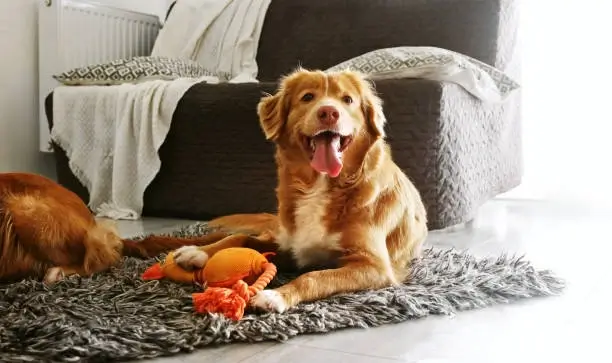
Exercise is a vital element of any morning dog routine. Structured morning walks stimulate circulation, burn excess energy, and maintain joint health. Regular morning activity also reduces anxiety and encourages focus during the rest of the day.
Duration and Intensity Guidelines
The length and intensity of walks should reflect your dog’s age, breed, and fitness level:
- Puppies: 10–20 minutes of gentle walking
- Adult dogs: 30–60 minutes at moderate pace
- Senior dogs: 15–30 minutes of slower walking
- Tip: Start with shorter walks and gradually increase duration as your dog builds stamina.
- Mini-case: A 5-year-old Beagle increased morning energy levels and displayed reduced destructive behavior after switching to a 40-minute morning walk routine.
Safety Tips for Outdoor Walks
Safety should always be prioritized.
- Use a secure leash and harness.
- Avoid walking in extreme heat or cold.
- Watch for traffic and other hazards.
- Bring water for long walks or highly active dogs.
Indoor Exercise Options
On days when outdoor walks are impractical due to weather or schedule constraints, indoor exercise can substitute.
- Simple fetch or tug-of-war games
- Mini-obstacle courses using household items
- Short training sessions for obedience or tricks
Internal Link Placement: For more structured care routines, see daily dog care routines.
Secondary Keyword Placement: dog morning walk
Morning Grooming and Coat Care
Grooming is an essential part of a morning dog routine. Brushing, ear checks, and other hygiene tasks maintain a healthy coat, prevent infections, and enhance your bond with your dog.
Brushing and Coat Maintenance
Brushing removes loose hair, distributes natural oils, and reduces matting. The frequency depends on coat type:
- Short-haired dogs: 2–3 times per week
- Medium/long-haired dogs: Daily brushing
- Step-by-Step:
- Choose the appropriate brush (slicker, bristle, or comb).
- Start gently from the head and move towards the tail.
- Reward your dog with a treat or praise for cooperation.
- Check for ticks, fleas, or unusual lumps while brushing.
Ear, Teeth, and Paw Checks
Morning routines should include a quick inspection:
- Ears: Clean if necessary, watch for odor or redness
- Teeth: Brush or provide dental chews
- Paws: Check for cuts, debris, or cracked pads
- Mini-case: A small Terrier developed mild ear redness. Early morning inspection allowed treatment before infection progressed.
Bathing Considerations and Frequency
Daily bathing is unnecessary unless your dog gets particularly dirty. Most dogs benefit from a bath once every 2–4 weeks depending on coat type. Over-bathing can strip natural oils and dry the skin.
- Tip: Use dog-specific shampoo and rinse thoroughly.
- Optional H4 Expansion: Quick morning rinse with water and towel drying for freshening between baths.
Secondary Keyword Placement: dog morning grooming
Midday Mental Stimulation and Training for Your Dog
Mental stimulation is a crucial part of a morning dog routine, even as the day moves toward midday. Just like physical exercise, your dog’s brain needs activity to prevent boredom, destructive behavior, and anxiety. Integrating puzzle games, short training sessions, and scent-based exercises strengthens cognitive abilities, improves obedience, and boosts your dog’s confidence.
Interactive Puzzle Toys
Puzzle toys are highly effective for challenging your dog’s problem-solving skills. They range from simple treat-dispensing balls to complex interactive boards.
- Start with simple puzzles and increase difficulty gradually.
- Supervise initial sessions to ensure your dog doesn’t get frustrated.
- Reward every successful attempt with treats or praise.
Mini-case: A Border Collie was introduced to a treat-dispensing puzzle for 10 minutes daily. Within two weeks, destructive chewing decreased, and the dog became more focused during training sessions.
Step-by-Step Puzzle Training:
- Place a treat inside a simple puzzle toy.
- Allow your dog to explore it for 2–3 minutes.
- Reward attempts, even if unsuccessful at first.
- Gradually increase challenge with more complex puzzles.
- Observe and adjust based on your dog’s interest and frustration level.
Short Training Sessions
Training is not only about obedience—it’s a form of mental exercise. Brief, focused sessions work best around midday.
- Recommended duration: 5–15 minutes per session.
- Focus on one skill at a time (sit, stay, recall, tricks).
- Positive reinforcement (treats, praise, play) is essential.
Mini-case: A German Shepherd pup, given two 10-minute training sessions daily, displayed improved focus and calmer behavior within three weeks.
Step-by-Step Indoor Training:
- Pick a quiet area free from distractions.
- Introduce a command or trick with demonstration.
- Reward correct responses immediately.
- Repeat 3–5 times per session.
- End on a positive note to maintain motivation.
Scent Games and Nose Work
Dogs have incredible olfactory abilities, and engaging their sense of smell is mentally rewarding. Hiding treats or toys encourages natural instincts and problem-solving.
- Hide treats under cups or behind furniture.
- Use small hallways to create scent trails.
- Reward your dog for finding hidden items.
ASPCA: Mental Stimulation for Dogs
Midday Health Check and Early Warning Signs
A midday health check ensures minor issues are caught early. Observing your dog’s body, behavior, and appetite provides early warning signs of potential problems.
Body Inspection
Quick inspections prevent injuries from worsening.
- Check paws for cuts, splinters, or irritation.
- Examine skin for redness, bumps, or parasites.
- Look at eyes for clarity and signs of infection.
Mini-case: A small paw scrape discovered during a midday check was cleaned immediately, preventing infection and costly vet visits.
Monitoring Appetite and Weight
Tracking appetite and weight gives insight into health trends.
- Note any sudden changes in eating habits.
- Monitor water intake and hydration levels.
- Keep a log to detect gradual changes over weeks.
Behavioral Observations
Behavioral changes can indicate underlying issues:
- Excessive yawning, pacing, or withdrawal can signal stress or illness.
- Sudden aggression or clinginess may require attention.
- Record unusual behaviors to discuss with a veterinarian if needed.
Midday Socialization and Controlled Interactions
Structured socialization supports emotional development and confidence. Midday sessions are ideal for controlled interactions with other dogs or family members.
Controlled Play with Other Dogs
Introducing dogs gradually prevents anxiety and aggression.
- Start in neutral spaces like a backyard or fenced area.
- Keep initial sessions short (10–15 minutes).
- Supervise all interactions and separate dogs if tension arises.
Mini-case: A shy Beagle gained confidence interacting with one friendly dog at a time. After a few weeks, the dog approached new dogs more comfortably.
Family Interaction and Bonding
Time spent with family during midday reinforces training, trust, and affection.
- Short play sessions or gentle petting.
- Practice obedience commands to strengthen discipline.
- Reward positive behavior consistently.
Exposure to Environmental Stimuli
Gradually exposing your dog to different sounds, textures, and objects reduces anxiety in new situations.
- Introduce household noises like vacuum cleaners or doorbells.
- Allow supervised exploration of new surfaces like carpet, tile, or grass.
- Praise curiosity and calm behavior.
Step-by-Step Socialization:
- Select a low-distraction environment.
- Introduce stimuli one at a time.
- Reward calm, confident responses.
- End sessions on a positive note.
Extended Midday Routine Tips
- Rotate mental and physical exercises to prevent boredom.
- Combine puzzle toys with training commands for dual stimulation.
- Use treats sparingly to avoid overeating.
- Keep sessions consistent but flexible to adapt to your dog’s energy levels.
Mini-case: A Labrador Retriever alternating between scent games and short training sessions displayed calmer behavior and improved responsiveness by late afternoon.
Breakfast Wrap-Up and Transition to Midday Routine
Completing a structured morning dog routine with a proper wrap-up ensures your dog transitions smoothly into midday activities. This stage reinforces healthy habits, supports digestion, and maintains focus and energy levels for the rest of the day.
Finishing Morning Feeding
Properly concluding breakfast is essential for digestion and overall health.
- Ensure your dog consumes the entire portion provided.
- Remove leftover food to prevent spoilage or overeating later.
- Offer a small dental chew or toy to reinforce oral hygiene and positive behavior.
Mini-case: A 4-year-old Golden Retriever tended to snack on leftover kibble, which contributed to weight gain. By removing leftovers and offering a dental chew instead, the dog maintained a healthy weight and exhibited calmer behavior during the morning.
Gentle Post-Meal Exercise
A brief walk or indoor activity after breakfast helps digestion and burns off early morning energy.
- 5–10 minutes of indoor fetch or tug-of-war.
- Short leash walk around the yard or nearby safe area.
- Reinforce basic commands such as sit, stay, and come.
Step-by-Step Post-Meal Routine:
- Wait 10–15 minutes after breakfast for digestion.
- Engage in gentle physical activity or obedience exercises.
- Reward calm and attentive behavior with praise or a small treat.
- Transition to a quiet activity or mental stimulation task.
Quick Grooming Check
A short grooming session after breakfast ensures your dog is clean and comfortable:
- Brush coat to remove loose hair.
- Inspect ears for debris or moisture.
- Check paws and nails for scratches or dirt.
- Refresh water supply as needed.
Mini-case: A Terrier with sensitive ears had early signs of irritation detected during this short grooming check. Immediate cleaning prevented discomfort and potential infection.
Hydration and Energy Management
Maintaining hydration and balanced energy levels is crucial for midday activity:
- Ensure fresh water is always available.
- Offer a light, healthy snack if the dog requires additional energy.
- Avoid heavy treats that might interfere with the next meal.
Step-by-Step Hydration and Snack:
- Fill the water bowl with fresh water.
- Encourage small sips, especially for active or older dogs.
- Provide a small, healthy snack if energy is low.
- Observe your dog’s behavior and adjust portions as necessary.
Morning Dog Routine Checklist and FAQ
A detailed checklist ensures consistency in the morning dog routine and helps owners track essential tasks for optimal dog health and behavior.
Morning Dog Routine Checklist
- Morning Feeding and Hydration
- Provide a balanced breakfast and fresh water.
- Remove leftovers and offer a dental chew.
- Morning Exercise
- Take a walk or play indoor fetch.
- Practice basic obedience commands.
- Grooming and Hygiene
- Brush coat to reduce shedding.
- Inspect ears, teeth, and paws.
- Mental Stimulation
- Use puzzle toys or scent games.
- Conduct short training sessions for obedience or tricks.
- Health Check
- Observe posture, behavior, and appetite.
- Monitor for signs of discomfort, illness, or abnormal energy.
- Socialization
- Controlled interactions with family members or other pets.
- Exposure to new sounds or minor environmental stimuli.
- Quiet/Rest Period
- Provide a calm space for the dog to rest after morning activities.
- Encourage self-soothing and reduce overstimulation.
- Hydration Refresh and Snack if Needed
- Ensure water is replenished.
- Offer a light, healthy snack for energy.
Mini-case: A busy family followed this checklist daily for their Labrador Retriever. Within a month, the dog exhibited improved behavior, better energy management, and reduced anxiety during the day.
Frequently Asked Questions (FAQ)
Q1: How long should a morning dog routine take?
A: Depending on age, breed, and energy level, routines can last 1–2 hours. Include feeding, exercise, grooming, and mental stimulation while adjusting for your dog’s stamina.
Q2: What if my dog refuses breakfast?
A: Occasional skipped meals are normal. Monitor hydration and overall behavior. Persistent refusal may indicate a health issue—consult a veterinarian if it continues.
Q3: Can mental and physical exercises be combined?
A: Yes. Activities like treat-dispensing puzzles, agility exercises, or scent games engage both body and mind efficiently.
Q4: How can I tell if socialization is effective?
A: Positive socialization is indicated by relaxed body posture, calm behavior, and cooperative interaction with other dogs or humans.
Q5: How should I monitor my dog’s health daily?
A: Quick inspections of paws, coat, ears, eyes, and overall behavior at key points of the day help detect early changes. Logging observations aids in tracking trends over time.
Q6: How do I adjust the routine for puppies or senior dogs?
A: Puppies may need shorter walks, frequent snacks, and simpler training, while senior dogs benefit from gentler exercise, softer treats, and shorter mental sessions.
American Kennel Club: Daily Dog Care Tips
Evening Preparation Notes (Optional Integration)
Although the main focus is the morning routine, establishing a foundation for evening care begins in the late morning:
- Encourage calm activities or rest to prevent overstimulation.
- Maintain hydration and provide light snacks as needed.
- Monitor behavior to adjust upcoming afternoon and evening routines.
Mini-case: A high-energy German Shepherd benefited from a 15-minute calm-down period after breakfast and midday activity, resulting in smoother evening walks and reduced stress for the owner.
