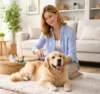
Effective dog care at home is not a substitute for veterinary expertise; rather, it is the primary architecture of your dog’s daily health and emotional resilience. For the modern canine, the home is a lifelong ecosystem where the majority of physiological and psychological development occurs. Mastering the nuances of at-home dog care ensures that this environment remains a source of safety and stability rather than a catalyst for stress.
“A well-cared-for dog at home is a dog that possesses the biological and emotional bandwidth to thrive in the outside world.” — Maya Mai, Senior Behavioral Specialist
Establishing these foundations can feel overwhelming for new owners. To simplify your transition, our guide on dog care at home for beginners provides the essential technical primers to get started with confidence.
Biological Predictability: The Power of Routine
Dogs are biologically wired for Circadian Predictability. Consistency in feeding, exercise, and rest periods functions as a neurological “anchor,” reducing systemic cortisol levels and promoting pro-social behaviors. Even minor deviations in daily dog care routines can impact a dog’s sense of security.
📅 Structured Scheduling
Aligning meals and movement to a consistent dog daily schedule at home stabilizes energy metabolism.
🧘 Resting Integrity
Providing dedicated “Quiet Zones” allows for deeper REM sleep cycles, essential for memory consolidation and emotional health.
Clinical Literacy: The Art of Observation
One of the most critical aspects of at-home dog care is developing “Clinical Literacy”—the ability to recognize your dog’s unique Behavioral Baseline. By observing subtle shifts in appetite, transit times (digestion), and energy, you act as the first line of defense against emerging health issues.
🔬 Information Gain: Life-Stage Customization
A dog’s care requirements are not static. To ensure accuracy, audit your approach based on specific developmental milestones: explore our deep dives for Puppies, Adult Dogs, and Seniors.
Beyond Physicality: Supporting Emotional Equilibrium
Cognitive fulfillment is just as vital as physical nutrition. Without adequate mental stimulation for dogs at home, animals often resort to destructive behaviors as a form of “Self-Enrichment.” A healthy household prioritizes task-based play and calm interaction to suppress cortisol and elevate dopamine.
Disclaimer: This guide provides education on daily husbandry and preventive lifestyle practices. It is not medical advice. Diagnoses, vaccinations, and surgical treatments must always remain the exclusive domain of licensed veterinarians.
🦴 Dog Care Basics: The Architecture of Daily Well-being

Caring for a dog at home begins with mastering Biological Husbandry—the systemic meeting of their most fundamental requirements. While breed-specific nuances exist, every canine requires a foundation of environmental safety, nutritional stability, and sensory engagement. This section serves as the starting point for our Complete Guide to Dog Care at Home.
1. Environmental Integrity: The Safe Space
A dog’s home is their sanctuary. To maintain Environmental Integrity, owners must provide a “Disturbance-Free Zone”—a specific area (bed, crate, or corner) where the dog can retreat to reach Parasympathetic Rest. This space must be climate-controlled and psychologically separate from the high-traffic areas of the house.
🛠️ Safety Audit Strategy
Dogs explore via “Olfactory and Oral Sampling,” making household chemicals, cords, and small debris high-risk hazards. Implement a Low-Angle Audit—viewing your home from the dog’s eye level—to identify risks before they manifest as injuries. See our detailed guide on dog proofing your home.
2. Metabolic Consistency: Feeding and Hydration
Nutritional health at home is driven by Metabolic Consistency. Feeding schedules should be rigid to prevent digestive dysregulation and resource-related anxiety. While the quality of ingredients is paramount, the rhythm of delivery is what signals safety to the canine brain. For professional feeding protocols, refer to Dog Feeding at Home.
3. Behavioral Vigilance: Identifying the “Normal”
The most powerful diagnostic tool an owner possesses is Behavioral Vigilance. By establishing a firm understanding of your dog’s “normal” energy and appetite baselines, you can detect Pre-Clinical Signs of illness long before they become emergencies.
📊 Expert Tip: The Baseline Journal
Information Gain: Maintain a simple digital log of your dog’s “Stool Quality, Appetite, and Social Engagement.” A 20% shift in any of these metrics over 48 hours is a primary signal to consult a professional. Explore dog behavior at home for more indicators.
4. Social Cohesion: Building the Human-Dog Bond
Domesticated dogs are obligate social animals. Daily Positive Interaction—ranging from calm verbal reinforcement to structured play—is a biological requirement, not a luxury. These micro-moments of engagement build the trust necessary for effective daily dog care routines.
Remember: At-home care is the foundation, but professional guidance is the ceiling. When in doubt, always seek expert support.
⏳ Developmental Calibration: Understanding Life Stages
A dog’s physiological and psychological requirements are not static; they exist on a continuum of Life Stage Evolution. To maintain high standards of at-home dog care, owners must calibrate their routines to match the specific developmental milestones of their pets. While breed genetics influence the timeline, most dogs traverse three primary phases: Puppyhood, Adulthood, and the Senior Years. Refer to our Complete Guide to Dog Care at Home for a broader perspective.
🐣 Puppyhood (0–12 Months)
Focus on Neural Plasticity and habituation. Puppies require high-frequency bathroom intervals and “Micro-Rest” cycles to support rapid growth. Master the basics with our puppy care at home guide.
🐕 Adulthood (1–7 Years)
The phase of Biological Peak. Maintenance focuses on metabolic stability and cognitive enrichment to prevent boredom-induced stress. Explore strategies in adult dog care at home.
👴 Senior Years (7+ Years)
Emphasis on Comfort Logistics and mobility support. Monitor for “Canine Cognitive Dysfunction” and sensory shifts. Secure their quality of life with senior dog care at home.
The Non-Linear Reality of Aging
It is vital to recognize that life stages are Biological Guidelines rather than rigid chronological markers. Factors such as size (large breeds often age acceleratedly) and individual health history dictate the pace of change. Rather than comparing your dog to a standard, focus on their Individual Baseline—an essential tool for identifying the transition into a new care phase.
🧠 Maya Mai’s Insight: The Transition Period
Information Gain: The “Senior” stage for a Great Dane might begin at age 5, while a Chihuahua may not show age-related shifts until age 10. Always audit your at-home dog care based on mobility, recovery time after exercise, and sensory responsiveness rather than just the calendar.
Husbandry Rule: Effective care is fluid; as the dog’s biology evolves, so must your domestic environment.
☀️ The Stability Loop: Daily Dog Care at Home

Daily dog care at home is the practical execution of The Stability Loop—a continuous cycle of meeting essential needs to ensure psychological security and physical health. For the modern owner, these micro-routines serve as a primary diagnostic tool, making it easier to detect deviations from your dog’s Biometric Baseline. Explore our Complete Guide to Dog Care at Home for a deeper dive into these systems.
1. Physiological Rhythms: Meals and Hydration
Structure supports digestion and emotional regulation. By maintaining fixed intervals for meals, you stabilize your dog’s Postprandial Glucose Levels, which directly correlates with calmer behavior. Furthermore, Hydration Monitoring is a critical daily audit; water bowls must be sanitized and replenished to prevent the buildup of biofilm and ensure optimal renal function.
2. Elimination Management and Sensory Observation
Bathroom routines provide more than just physical relief; they are windows into your dog’s internal health. Owners should monitor Elimination Consistency and frequency, especially in vulnerable life stages. Changes in these habits are often the first outward indicators of internal shifts that may require professional consultation. Learn more about establishing a healthy daily routine for your dog.
🧪 Maya Mai’s Insight: The Hydration Test
Information Gain: On days of high activity or heat, perform a “Skin Turgor Test”—gently pinch the skin between the shoulder blades. If it doesn’t snap back immediately, your dog requires supplemental hydration or a cooling break.
3. Cognitive Decompression: Interaction and Sleep
A healthy at-home dog care strategy balances social engagement with radical rest. Dogs require significant periods of Undisturbed Sleep (often 12–14 hours for adults) to process environmental stimuli. Complement this with periods of “Low-Arousal Interaction”—calm companionship or gentle handling—to lower systemic stress, especially for those utilizing our Dog Care for Busy Owners strategies.
💤 Resting Integrity
Respect the “Let Sleeping Dogs Lie” rule to protect the dog’s REM cycle recovery.
👁️ Behavioral Auditing
Daily observation of appetite and energy helps you define your dog’s normal behavior at home.
Operational Rule: Consistency in daily care creates the psychological safety necessary for long-term health.
🥣 Nutritional Husbandry: Foundations of At-Home Feeding

Proper nutrition is the chemical foundation of your dog’s vitality. Beyond simply providing calories, Nutritional Husbandry at home focuses on the precise balance of macro and micronutrients required for cellular repair, immune function, and metabolic energy. For a technical deep dive, refer to our specialized Dog Feeding at Home resource.
1. The Macronutrient Profile and Metabolic Rhythm
Canine biology requires a sophisticated synergy of proteins (amino acids), lipids (fats), and complex carbohydrates. Maintaining a Metabolic Rhythm through consistent feeding intervals prevents insulin spikes and supports steady energy levels throughout the day. To keep your dog healthy at home, avoid abrupt dietary shifts; any transition to new protein sources should occur over a 7–10 day period to preserve gut microbiome integrity.
2. Quantitative Management: Portion Control and Hydration
Obesity is the most common nutritional disorder in domestic dogs. Precise Portion Management, based on your dog’s Body Condition Score (BCS), is essential to prevent systemic inflammation and joint stress. Equally critical is Hydration Stability. Fresh water must be accessible 24/7, as water is the primary solvent for nutrient transport and thermoregulation.
⚖️ Maya Mai’s Rule: The 10% Treat Threshold
Information Gain: To maintain nutritional balance, supplemental treats and table scraps should never exceed 10% of your dog’s total daily caloric intake. Exceeding this threshold dilutes the essential vitamins and minerals provided by their primary diet. Always cross-reference with our list of foods unsafe for dogs at home before offering human snacks.
3. Sanitary Standards and Life-Stage Adaptation
The mechanics of feeding at home require strict Sanitary Standards to prevent the proliferation of pathogens like Salmonella or E. coli. Stainless steel or ceramic bowls are preferred over plastic to minimize bacterial adherence. Furthermore, nutritional requirements are dynamic; ensure your dog’s diet evolves through their puppy, adult, and senior years to support their changing physiological needs.
✅ Daily Feeding Checklist
- Sanitize all water and food vessels daily.
- Measure portions using a calibrated scale or cup.
- Monitor water intake, especially following physical exertion.
Husbandry Rule: In nutrition, consistency is the key to longevity; precision is the cure for imbalance.
🏃 Physical Stewardship: Activity and Biomechanical Safety

Physical stewardship at home is the strategic management of a dog’s energy to maintain Biomechanical Integrity and emotional equilibrium. Exercise is not merely a tool for calorie expenditure; it is a fundamental requirement for circulatory health and stress reduction. For a holistic view of daily requirements, refer to our Complete Guide to Dog Care at Home.
1. The Arousal Threshold: Balancing Intensity and Rest
Effective exercise must respect the dog’s Arousal Threshold. Over-exertion can lead to “Adrenaline Stacking,” where a dog becomes hyper-reactive rather than relaxed. By implementing a daily dog care routine at home that alternates between high-movement play and low-intensity sniffing or stretching, you facilitate a healthier Parasympathetic Reset.
2. Indoor Biomechanics: Surfaces and Safety
At-home activity often occurs on surfaces that lack optimal Traction Control. To prevent ligament strain, ensure indoor exercise happens on non-slip rugs or mats. Developing a dog’s Proprioception—their awareness of body position—through slow movement over obstacles is often more beneficial than repetitive fetch sessions. For creative indoor ideas, see our dog exercise at home guide.
⚠️ Maya Mai’s Warning: The Fatigue Markers
Information Gain: Fatigue in dogs is often subtle. Watch for “Laxity in Movement”—when a dog’s paws begin to scuff the floor or they start “Panting with a Spatulate Tongue” (tongue widening at the end). These are neurological signals that the session should end immediately to prevent injury.
3. Age-Specific Loading: Puppies to Seniors
Skeletal Maturity dictates the intensity of physical loading. Puppies possess growth plates that are highly susceptible to “Repetitive Motion Injuries,” requiring short, supervised bursts of movement. Conversely, senior dog care at home focuses on maintaining joint lubrication through frequent, low-impact sessions.
| Life Stage | Activity Focus | Risk Factors |
|---|---|---|
| Puppy | Coordination & Exploration | Growth plate damage |
| Adult | Cardiovascular & Mental | Soft tissue strains |
| Senior | Mobility & Circulation | Joint inflammation (OA) |
Husbandry Rule: Exercise should support the body, not deplete it. Monitor the recovery, not just the activity.
🧩 Cognitive Enrichment: Supporting Psychological Equilibrium

Cognitive enrichment at home is the deliberate practice of engaging a dog’s Seeking System—the dopaminergic pathway in the brain that thrives on exploration and problem-solving. Mental stimulation is not a luxury; it is a biological requirement for suppressing Cortisol Accumulation and preventing the development of maladaptive behaviors. For strategic implementation, explore our specialized mental stimulation for dogs at home guide.
1. Olfactory Mastery and Environmental Novelty
A dog’s primary interface with the world is olfactory. Allowing for “Sniffing Intervals” during walks or introducing novel scents within the home facilitates Cognitive Processing. This subtle form of enrichment provides significant mental fatigue, which is often more effective at promoting calm than physical exertion alone.
2. Problem-Solving as a Stress-Reducer
Incompatible behaviors—like destructive chewing or excessive barking—often stem from a lack of task-based focus. Introducing “Search and Find” games or simple puzzle-solving encourages Frustration Tolerance and emotional stability. These strategies are especially vital for owners utilizing our dog home alone training protocols to manage separation thresholds.
🧠 Expert Strategy: The “Ditch the Bowl” Method
Information Gain: One of the most efficient ways to provide daily enrichment is to move away from static feeding. Using Food-Dispensing Toys or “Scatter Feeding” in a safe area forces the dog to use their brain to earn their meal, fulfilling their natural Contrafreeloading instinct—the preference to work for food.
3. The Balance of Stimulation and Overarousal
Hyper-stimulation can be as detrimental as boredom. Owners must monitor for signs of Sensory Overload, such as inability to settle, frantic movement, or redirected vocalization. A healthy healthy dog habits at home strategy incorporates “Decompression Breaks”—quiet periods where the dog can process the day’s activities in a low-stimulus environment.
| Activity Type | Primary Benefit | Frequency |
|---|---|---|
| Scent Work | Lowering heart rate & relaxation | Daily |
| Puzzle Feeders | Problem-solving & focus | Per meal |
| Calm Companion Time | Emotional bonding & security | Continuous |
Husbandry Rule: A mentally tired dog is a satisfied dog. Focus on the quality of engagement over the quantity of toys.
🎓 Behavioral Foundations: Communication and Consistency

Training at home is fundamentally an exercise in Cross-Species Communication. Rather than focusing on “obedience,” modern behavioral foundations emphasize the establishment of predictable boundaries and the use of Positive Reinforcement to build trust. For a systematic breakdown of household expectations, refer to our basic dog care rules.
1. The Mechanics of Learning: Reward-Based Conditioning
Dogs navigate their environment through Associative Learning. By consistently rewarding desired behaviors with high-value stimuli (praise, play, or treats), you utilize Operant Conditioning to strengthen those habits. Conversely, punitive measures or “alpha-based” corrections often trigger the Amygdala Hijack—a fear response that inhibits learning and damages the human-canine bond.
2. Interpreting Non-Verbal Signals
Ethology-based care requires owners to become proficient in reading Canine Body Language. Dogs rarely react without warning; instead, they communicate through a sequence of subtle physiological changes known as the Ladder of Aggression or stress signals. Recognizing these early—such as lip licking, yawning, or “whale eye”—is the primary tool for de-escalating potential behavior conflicts.
🧠 Maya Mai’s Rule: The 5-Minute Engagement Window
Information Gain: Modern canine neurology suggests that short, high-frequency training sessions (under 5 minutes) are vastly superior to long, repetitive drills. This prevents “Cognitive Fatigue” and ensures the dog remains in a state of Optimistic Engagement. For deeper insights, explore dog behavior at home.
3. Environmental Antecedents and Behavior
Most unwanted behaviors are symptoms of an inconsistent environment. By managing the “Antecedents”—the triggers that occur before a behavior—you can proactively guide your dog toward success. This includes maintaining a positive training habit through environmental management, ensuring your dog is never “set up to fail” in high-stress situations.
| Approach | Mechanism | Long-term Outcome |
|---|---|---|
| Positive Reinforcement | Dopamine-driven reward | Confidence & Secure attachment |
| Punitive/Coercive | Cortisol-driven fear | Anxiety & Potential aggression |
Husbandry Rule: Training is not what you do TO your dog, but what you build WITH them through clarity and kindness.
❤️ Socialization and Emotional Resilience at Home

Socialization at home is not a single event, but a continuous process of Habituation—helping a dog perceive everyday domestic stimuli as neutral or positive. Emotional well-being is the byproduct of Environmental Safety and secure attachment. For the modern dog, a home that prioritizes psychological resilience is one where the animal can thrive without chronic stress. For systematic strategies, see our healthy dog habits at home guide.
1. Habituation vs. Sensitization: The Gradual Approach
The goal of domestic socialization is to move a dog toward Habituation (decreasing response to a stimulus) rather than Sensitization (increasing fear/anxiety). Exposing a dog to household appliances, visitors, or traffic sounds must be calibrated to their specific Threshold of Confidence. Forcing interaction often leads to “Flooding,” which can cause long-term emotional trauma.
2. Oxytocin Modulation: The Value of Calm Interaction
Emotional health is biochemically driven. Calm, low-arousal interactions—such as gentle touch or quiet companionship—stimulate Oxytocin Release, which actively suppresses cortisol and strengthens the human-canine bond. This is particularly vital for dogs managing “Alone Time” or recovering from Separation Anxiety. Explore our dog home alone training resource for independence-building techniques.
📉 Maya Mai’s Insight: Recognizing “Micro-Stress”
Information Gain: Emotional strain often manifests as “Micro-Stress Signals” before a full behavior shift occurs. Watch for “Pacing,” “Excessive Shedding (Stress Coat),” or “Tight Facial Muscles.” Identifying these early allows you to provide a Decompression Break before the dog reaches emotional exhaustion. See dog stress signs at home for more indicators.
3. Developmental Windows and Emotional Security
While the Critical Socialization Window is most prominent in puppies, emotional growth continues throughout adulthood. Senior dogs, for instance, require “Predictability Support” as their sensory systems decline. Maintaining a stable domestic sanctuary is the most effective tool for responsible dog ownership at home, ensuring that as the dog ages, their confidence remains intact.
| Support Pillar | Mechanism | Key Benefit |
|---|---|---|
| Predictability | Consistent daily routines | Reduced systemic anxiety |
| Social Agency | Allowing the dog to choose distance | Increased confidence |
| Respite Zones | Dedicated “Do Not Disturb” areas | Emotional recovery (Reset) |
Husbandry Rule: Socialization is the bridge between fear and curiosity. Build it with patience, not pressure.
🛀 Dermatological Hygiene: Maintaining Comfort and Health

Grooming at home is a pillar of Preventive Husbandry. Beyond aesthetic maintenance, regular hygiene practices preserve the Skin Barrier Integrity, facilitate early detection of dermal shifts, and reduce environmental allergens within the household. For those establishing a new routine, our dog grooming at home basics guide offers the essential technical foundation.
1. Coat Management and Dermal Oxygenation
Brushing is more than hair removal; it is a mechanism for Dermal Oxygenation and the distribution of natural sebaceous oils. Regular sessions prevent “Matting,” which can pull on the skin and create painful tension points. By utilizing a Zonal Brushing approach, you can systematically audit your dog’s skin health without cause for distress. Deepen your technique with brushing dog coat at home.
2. Physiological Hygiene: Nails, Ears, and Oral Health
Hygiene maintenance extends to the high-friction and high-moisture zones of the canine body. Nail Proximity Management is crucial; overgrown nails alter a dog’s Orthopedic Alignment and increase joint stress. Similarly, maintaining a neutral pH in the ear canal and managing oral biofilm are daily tasks that support systemic health. Explore these specialized protocols in our articles on nail care and dental care at home.
🛀 Maya Mai’s Insight: The “Lukewarm Rule”
Information Gain: A dog’s skin is thinner and more sensitive to temperature than human skin. During bathing safely, ensure the water is roughly 37°C (98.6°F). Water that feels “comfortably warm” to a human can lead to Dermal Dehydration or even thermal shock in sensitive breeds.
3. Tactile Desensitization and Life-Stage Care
Successful grooming relies on Tactile Desensitization—the process of training a dog to accept handling of their paws, ears, and mouth. This is particularly vital when adjusting how often you groom throughout their life stages. Seniors, for example, may require specialized orthopedic support during grooming to prevent musculoskeletal fatigue.
| Task | Frequency Recommendation | Primary Benefit |
|---|---|---|
| Brushing | 1–3 times per week | Sebaceous oil distribution |
| Dental Brushing | Daily (ideally) | Biofilm/Tartar reduction |
| Nail Assessment | Bi-weekly | Orthopedic stability |
Husbandry Rule: Grooming is an act of health auditing. A clean dog is a dog whose skin can breathe and whose body can move without pain.
🔍 Home Health Monitoring: The Biometric Baseline
Home health monitoring is the practice of Passive Wellness Auditing—the consistent observation of a dog’s physiological and behavioral patterns to detect early deviations from their Biometric Baseline. While medical intervention is strictly the domain of licensed professionals, your role as an owner is to act as a primary “Sensing Station.” For a strategic overview, explore our keep dog healthy at home guide.
1. Physiological Indicators and Vital Trends
Stability at home is measured through Vital Trends. Monitoring changes in respiration rates, water intake volume, and sleep-wake cycles provides a data-driven view of internal wellness. Significant shifts in these metrics—such as Polydipsia (excessive thirst) or changes in resting heart rate—are critical signals that require professional audit rather than at-home experimentation. Refer to our dog daily schedule at home to understand these cycles.
2. Body Condition and Mobility Assessment
Visual and tactile monitoring of your dog’s Body Condition Score (BCS) is an essential home habit. Owners should palpate the ribcage and observe the abdominal tuck to ensure the dog remains at an optimal weight, preventing the Metabolic Stress associated with obesity. Similarly, noting subtle changes in “Gait Symmetry” or Postural Shifts can identify musculoskeletal fatigue early.
🩺 Maya Mai’s Insight: The “Resting Respiratory” Audit
Information Gain: One of the most effective wellness metrics is the Sleeping Respiratory Rate (SRR). While your dog is deeply asleep, count their breaths for 60 seconds. A consistent rate under 30 breaths per minute is typically normal. A persistent increase in this baseline can be an early warning of cardiac or respiratory changes. See dog stress signs at home for more clinical indicators.
3. The Psychosomatic Connection: Emotional Wellness
Physical health is inextricably linked to Psychosomatic Balance. Behavioral withdrawal, increased irritability, or obsessive routines are often “Pre-Somatic” signals of discomfort or environmental stress. Maintaining a responsible dog ownership strategy involves auditing the household for Sensory Triggers—such as loud noises or lack of privacy—that may degrade emotional health.
| Monitoring Zone | Key Metric to Observe | Sign to Note |
|---|---|---|
| Oral Hygiene | Gum color & Mouth odor | Persistent halitosis or redness |
| Hydration | Daily water volume | Excessive thirst (Polydipsia) |
| Mobility | Ease of rising & Gait | Stiffness or lagging during walks |
Husbandry Rule: You are your dog’s primary advocate. Accurate observation at home is the foundation of effective care at the clinic.
🐾 Pediatric Stewardship: Puppy Care and Early Development

Caring for a puppy at home is an intensive exercise in Pediatric Stewardship. During the first twelve months, a puppy’s home environment acts as the primary forge for their future physiological health and behavioral resilience. Understanding the nuances of Neural Habituation during this stage is essential for creating a stable foundation. For a comprehensive deep-dive, see our puppy care at home guide.
1. Environmental Safeguarding and Oral Exploration
Puppies engage in Proprioceptive Exploration primarily through their mouths. This biological drive makes a puppy-proofed home a critical safety requirement. Beyond removing toxins, owners must manage the “Teething Landscape,” providing specific textures that facilitate Teething Physiology—the natural shedding of deciduous teeth—without damaging household assets.
2. Metabolic High-Frequency Routines
Due to their limited Glycogen Storage and developing gastrointestinal tracts, puppies require high-frequency metabolic support. This involves smaller, nutrient-dense meals and accelerated bathroom intervals (often every 1–2 hours). Consistency in these cycles is the fastest way to achieve successful house training through Positive Associative Learning. Learn more about daily feeding and routines for puppies.
💤 Maya Mai’s Insight: The “Puppy Sleep Debt”
Information Gain: Puppies require 18–20 hours of sleep daily to support neural development. Lack of rest leads to “Overarousal Tantrums”—characterized by frantic nipping or inability to focus. If your puppy becomes suddenly hyperactive, they are likely overstimulated and need a Restorative Decompression in their crate or quiet zone.
3. Controlled Social Habituation
Early home care should focus on Sensory Inoculation—gentle, low-stress exposure to household sounds like vacuums or doorbells. The objective is to keep the puppy under their “Arousal Threshold” to ensure these stimuli are categorized as neutral. Use our positive training habits and healthy routine strategies to build this confidence systematically.
| Developmental Need | Home Implementation | Biological Goal |
|---|---|---|
| Rest Cycles | Forced naps every 1–2 hours | Neural pathway repair |
| Oral Engagement | Variety of safe chew textures | Gum soothing & Exploration |
| Elimination | Immediate breaks after waking/eating | Sphincter control development |
Husbandry Rule: In puppyhood, we prioritize the brain’s need for rest and the body’s need for structure. Patience is the primary currency of growth.
🐕 Adult Dog Maintenance: Sustaining Physiological Stability

Adulthood is the Biological Plateau of a dog’s life—a phase characterized by physical maturity and behavioral peak. However, the apparent predictability of an adult dog can lead to “Maintenance Complacency.” Effective at-home dog care during this stage must focus on proactive health auditing and cognitive preservation to ensure this peak lasts as long as possible. For a strategic roadmap, see our adult dog care at home guide.
1. Routine Rigidity and Adaptive Flexibility
Adult dogs thrive on Environmental Consistency. Their internal clock (circadian rhythm) regulates everything from metabolic rate to emotional thresholds. When household dynamics shift—such as new work-from-home schedules or travel—dogs can experience Latent Stress. Implementing gradual Transition Protocols preserves their sense of security. Refer to our dog daily schedule at home for structuring these transitions.
2. Cognitive Stewardship and Physical Loading
Maintenance in adulthood requires a balance between Kinetic Expenditure (physical exercise) and Neurological Enrichment. To prevent boredom-related behavioral decay, owners should utilize “Variable Activity Patterns”—alternating between structured walks and free-form play. Use our guides on dog exercise and mental stimulation to maintain this equilibrium.
🛡️ Maya Mai’s Insight: The “Stoic Mask” of Adulthood
Information Gain: Adult dogs are biologically programmed to be “Stoic”—they often mask discomfort or joint stiffness to maintain social standing within the family. Watch for subtle “Refusal Cues,” such as hesitating before jumping into a car or a 5% decrease in overall daily activity. These are often the only outward signs of emerging orthopedic or metabolic shifts. See dog behavior at home for detailed red flags.
3. Vigilant Safety and Wellness Auditing
As adult dogs become more confident, they may interact with their environment in ways that bypass earlier “puppy-proofing” measures. Regularly auditing for Environmental Pathogens or new household toxins is vital to keep your dog healthy. Additionally, maintain Social Agency by allowing your dog to manage their own “Alone Time” using techniques from our home alone training.
✅ Adult Maintenance Checklist
- Routine Audit: Are feeding and exercise times consistent within a 30-minute window?
- Behavioral Check: Is the dog responding to cues with the same latency as before?
- Physical Baseline: Perform a weekly “Hands-on-Dog” exam to check for new lumps, bumps, or sensitivity.
Husbandry Rule: Adulthood is about preservation. The habits you solidify now determine the quality of their senior years.
👴 Geriatric Stewardship: Supporting the Senior Transition
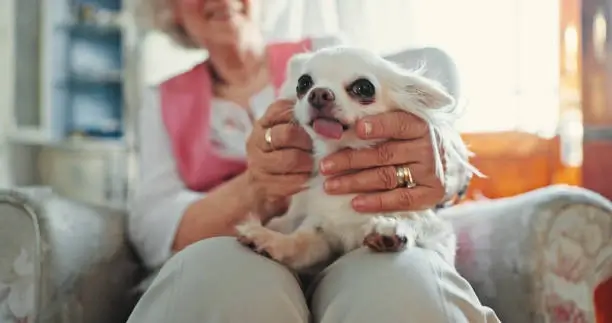
Senior dog care at home is a practice of Geriatric Stewardship—transitioning from high-activity maintenance to intensive comfort management. As a dog’s physiological reserves diminish, their home environment must evolve into a supportive “Adaptive Space.” Understanding the intersection of Mobility Logistics and sensory shifts is key to preserving their dignity. For a comprehensive strategy, consult our senior dog care at home guide.
1. Environmental Accommodation and Orthopedic Support
Aging significantly impacts Proprioceptive Stability. Surfaces that were once manageable, such as hardwood or tile, can become hazardous “Low-Friction Zones.” Environmental Accommodation involves installing high-traction runners and providing orthopedic bedding that supports joint alignment and mitigates pressure sores. These adjustments reduce the Biomechanical Load on aging joints. Explore our resources on safety and proofing for specific modifications.
2. Sensory Compensation and Cognitive Preservation
Senior dogs often navigate a world of “Diminished Inputs” due to Sensory Attrition (hearing and vision loss). To prevent startle-induced anxiety, owners should implement Touch-Signal Protocols and maintain a static furniture layout to assist with “Spatial Mapping.” Furthermore, consistent daily routines function as a psychological anchor against Canine Cognitive Dysfunction (CCD).
🩺 Maya Mai’s Insight: The “Sundowners” Observation
Information Gain: Watch for “Nocturnal Restlessness” or increased vocalization in the evening. This is often a sign of Sundowning—a symptom of cognitive aging. Rather than dismissing this as “stubbornness,” provide a low-light, scent-familiar environment to help re-orient their internal clock. See dog stress signs at home for clinical red flags.
3. Adaptive Hygiene and Nutritional Bioavailability
In the senior years, grooming must transition to Low-Stress Hygiene. Shorter sessions that prioritize “High-Friction Areas” (paws and hygiene zones) prevent musculoskeletal fatigue during the process. Additionally, focus on Nutritional Bioavailability—diets that are easier to digest and support cognitive function. Refer to Dog Feeding at Home and our grooming basics for life-stage specifics.
| Senior Challenge | Home Accommodation | Quality of Life Goal |
|---|---|---|
| Arthritic Pain | Elevated feeders & Ramps | Reduced musculoskeletal strain |
| Vision Loss | Night lights & Static layouts | Navigational confidence |
| Incontinence | Waterproof liners & Easy-exit access | Dermatological health & Cleanliness |
Husbandry Rule: Senior care is an exercise in empathy. We don’t ask them to keep up with us; we adjust our world to keep pace with them.
🏠 Environmental Engineering: Creating a Secure Home
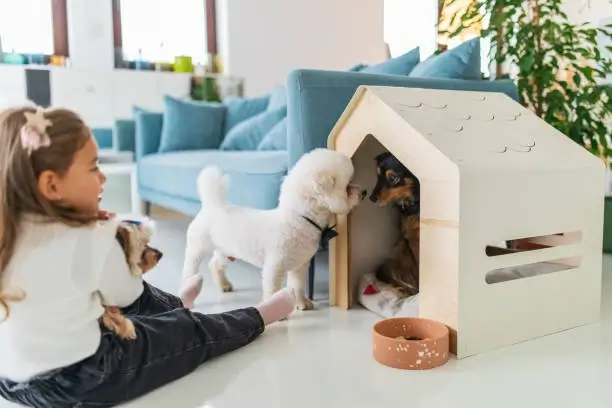
Creating a safe home environment is an exercise in Environmental Engineering—proactively designing your living space to eliminate biological and physical hazards. Because dogs interface with their surroundings via “Oral and Olfactory Sampling,” a domestic sanctuary requires Secondary Safety Layers to prevent avoidable accidents. For a comprehensive audit, refer to our dog safety at home guide.
1. Vertical Management and Toxicological Security
Effective dog-proofing relies on Vertical Management—storing all Household Hazards, medications, and chemicals in elevated, locked cabinets. Even “natural” detergents can contain essential oils or surfactants that are toxic upon ingestion. Securing waste disposal systems is equally vital, as decaying organic matter can harbor Enteric Pathogens. Utilize our strategies for puppy-proofing and dog-proofing to secure these zones.
2. Electrical Safety and Structural Integrity
Electrical components—cables, power strips, and low-hanging chargers—represent significant Electrocution Risks, particularly for teething puppies. Implementing “Cable Conduit Systems” or cord-management boxes provides a critical physical barrier. Furthermore, audit your home for Phytotoxicity—ensure all indoor flora is non-toxic by cross-referencing our guide on plants unsafe for dogs.
⚠️ Maya Mai’s Insight: The “Traction Gap”
Information Gain: Many owners ignore the danger of “The Traction Gap”—polished hardwood or tile floors that cause micro-slips during rapid movement. This can lead to Cranial Cruciate Ligament (CCL) strains over time. Installing non-slip rugs in high-traffic “Launch Zones” (near doors or stairs) is a primary orthopedic safety measure. See home layout safety tips for layout engineering.
3. Disaster Preparedness and Emergency Logistics
A safe home must also be an Evacuation-Ready Space. Emergency preparedness involves maintaining an “Accessible Deployment Kit” containing water, records, and basic first-aid supplies. In the event of power outages or environmental stressors, having a pre-verified emergency logistics plan ensures a calm and efficient response.
| Risk Category | Primary Mitigation | Safety Goal |
|---|---|---|
| Toxicology | High-level storage & Latches | Zero-access to chemicals |
| Orthopedics | Rugs in “Launch Zones” | Joint & Ligament protection |
| Structural | Stair gates & Window locks | Prevention of fall injuries |
Husbandry Rule: Home safety is not a one-time setup; it is a continuous audit of your dog’s changing capabilities and curiosity.
🌡️ Seasonal and Environmental Stewardship
Seasonal shifts dictate the Atmospheric Integrity of your dog’s home environment. Dogs possess unique Thermal Regulation Thresholds and respiratory sensitivities that differ significantly from humans. Effective at-home dog care requires proactive adjustments to humidity, temperature, and air quality to prevent environmental stress. For a strategic roadmap, see our dog care at home guide.
1. Hyperthermic Prevention: Warm Weather Protocols
During periods of elevated temperature, the primary goal is preventing Hyperthermia. Dogs rely on panting and vasodilation to shed heat, making high-humidity environments particularly dangerous as evaporative cooling becomes less efficient. Providing “Cooling Harbors”—zones with increased airflow and heat-conductive surfaces (like tile)—is essential. Monitor for Heat Stress markers using our summer care for dogs resource.
2. Insular Stability: Managing Cold Weather Exposure
Cold weather stewardship focuses on Insular Stability. Drafty floor-level currents can lead to localized hypothermia or exacerbate joint inflammation in senior dogs. Providing elevated, insulated bedding and maintaining a consistent “Ambient Baseline” temperature prevents the metabolic strain of constant thermoregulation. Refer to our winter dog care tips for indoor logistics.
3. Respiratory Health and Olfactory Particulate Stress
Because a dog’s olfactory system is highly sensitive, poor Indoor Air Quality can cause significant respiratory distress. Olfactory Particulate Stress—triggered by synthetic fragrances, aerosols, or dust—can lead to chronic inflammation. Maintain a healthy home environment by utilizing HEPA filtration and avoiding “Volatile Organic Compounds” (VOCs) found in heavy cleaning agents.
🏙️ Maya Mai’s Insight: The “Apartment Micro-climate”
Information Gain: In high-density urban settings, dogs face unique “Acoustic and Pollutant Loads.” Apartment dwellers should implement Acoustic Shielding (white noise or thick curtains) during storms or high-traffic hours to prevent sensory overload. Explore our specialized strategies for apartment living and extreme weather calmness.
| Season/Event | Home Adjustment | Wellness Objective |
|---|---|---|
| High Heat | Dehumidification & Shade | Evaporative cooling efficiency |
| Extreme Cold | Elevated bedding & Rugs | Joint & Core heat retention |
| Storm/Noise | Static-free “Safe Hiding” spots | Cortisol reduction & Security |
Husbandry Rule: Seasonal care is the art of climate control. When you stabilize the atmosphere, you stabilize the dog.
⏳ Separation Management: Dog Care When You’re Busy or Away
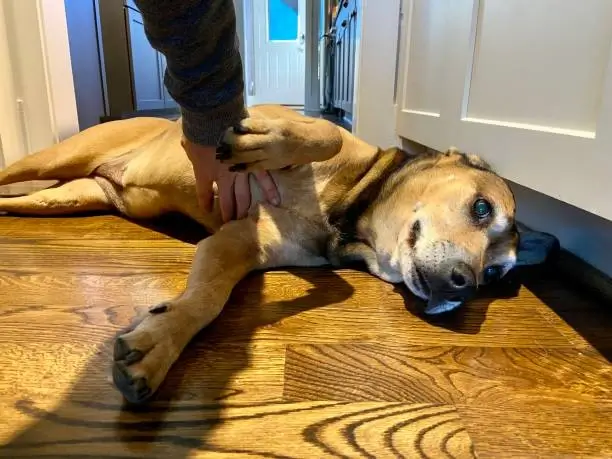
Managing dog care during owner absence is a matter of Operational Continuity. The objective is to maintain your dog’s psychological safety and physical stability even when the primary caregiver is not present. By filling your dog’s Emotional Reservoir before you leave, you ensure they have the resilience to manage periods of solitude. For a foundational overview, consult our daily dog care at home guide.
1. Routine Preservation and Gradual Transitions
Structure is the primary antidote to separation stress. Even during busy periods, preserving the timing of “High-Value Events”—such as meals and bathroom relief—signals to the canine brain that their world is still predictable. If a schedule shift is permanent, utilize a 7-Day Transition Protocol to adjust their biological clock slowly. Learn more about establishing a healthy daily routine.
2. Desensitizing Exit Cues and Arrival Protocols
Anxiety often builds before the owner even leaves, triggered by Exit Cues (picking up keys, putting on shoes). Effective Separation Training involves performing these actions without actually leaving, neutralizing the stress response. Furthermore, maintaining “Low-Arousal Arrivals”—ignoring the dog until they are calm—prevents the development of Hyper-Attachment. Explore our step-by-step home alone adjustment guide.
🛡️ Maya Mai’s Insight: The “Rest-Decompression” Rule
Information Gain: If you are away for more than 6 hours, your dog isn’t just “waiting”; they are experiencing Active Sensory Fatigue. Upon your return, resist the urge to initiate high-intensity play immediately. Instead, provide 15 minutes of “Parallel Calm”—simply being in the same room while they decompress from the day of solitude. This prevents Cortisol Spikes that lead to evening restlessness.
3. Developmental Limits and Emergency Logistics
Solitude tolerance is not universal. Puppies with limited bladder capacity and seniors with Cognitive Fragility require higher-frequency interventions. For these cases, arranging “Proxy Supervision” (pet sitters or neighbors) is a requirement for special needs care. Always maintain an Unexpected Contingency Plan for delays to ensure your dog’s safety and continuity.
| Absence Duration | Home Requirement | Supervision Level |
|---|---|---|
| Short (1-4 hrs) | Safe-zone & Fresh water | Self-managed (Trained) |
| Standard (4-8 hrs) | Interactive toy & Comfort area | Check-in recommended |
| Extended (8+ hrs) | High-level hygiene & Nutrition | Mandatory proxy support |
Husbandry Rule: Your absence should be a period of rest, not a period of stress. Quality preparation is the bridge to a calm return.
🛡️ Ethical Stewardship: The Pillars of Responsible Ownership
Responsible dog ownership is an exercise in Ethical Stewardship—the recognition that a dog is a sentient being whose biological and psychological outcomes are entirely dependent on your advocacy. Beyond daily husbandry, it involves a long-term commitment to Stability Maintenance and informed decision-making. For a foundational perspective, see our Complete Guide to Dog Care at Home.
1. Cognitive Consistency and Rule Stability
For a dog, “fairness” is defined by Cognitive Consistency. When household rules and schedules remain rigid, the dog’s systemic stress remains low. Inconsistent enforcement of boundaries leads to “Conflict-Induced Anxiety,” where the dog becomes unable to predict the consequences of their actions. Align your household using our daily dog care routine guide to ensure long-term balance.
2. Evidence-Based Advocacy and Professional Literacy
A responsible owner acts as a Knowledge Filter. In an era of digital misinformation, practicing “Professional Literacy”—seeking evidence-based resources and understanding the limits of at-home intervention—is a primary safety tool. Recognizing when a situation exceeds the scope of safe home care is a marker of expertise.
⚖️ Maya Mai’s Insight: The “Social License” of Ownership
Information Gain: Responsibility extends to the “Social License”—how your dog impacts the community. This involves maintaining Behavioral Hygiene (managing noise and interactions) to ensure your dog is a welcome participant in public spaces. Use our training and behavior foundations to bridge the gap between home and community.
3. The Emotional Commitment to Life-Stage Adaptation
Ownership is not static; it is a Dynamic Covenant that evolves as the dog moves from puppyhood to their senior years. Responsible owners practice “Anticipatory Care”—adjusting environments and expectations before the dog shows signs of struggle. This proactive empathy is the core of socialization and emotional well-being.
| Responsibility Domain | Home Practice | Impact on Dog |
|---|---|---|
| Predictability | Consistent routine enforcement | Psychological security |
| Observation | Weekly wellness audits | Early illness detection |
| Stewardship | Life-stage environment shifts | Quality of life preservation |
Husbandry Rule: Responsibility is not a burden; it is the privilege of protecting a life that trusts you unconditionally.
🏥 Emergency Preparedness: The Home First Aid Infrastructure
A secure home environment is incomplete without a First Aid Infrastructure. While we prioritize prevention, responsible ownership requires the capacity to manage minor injuries or stabilize a dog during Acute Trauma before professional transport is available.
🩹 Wound Management
Maintain a supply of sterile gauze, non-adhesive bandages, and saline solution for Wound Irrigation. Avoid human antiseptics containing alcohol or hydrogen peroxide which can damage tissue.
🌡️ Diagnostic Tools
A digital rectal thermometer and lubricant are essential for tracking Thermal Deviations. Knowing your dog’s normal temperature (38.3°C – 39.2°C) is a key diagnostic baseline.
🧼 Bio-Security: Managing the Domestic Microbiome
Maintaining a dog-friendly home involves managing Bio-Security—the reduction of pathogen transmission and environmental irritants. Dogs can introduce external bacteria into the home, making Sanitation Logistics a requirement for multi-species households.
🔄 The Sanitation Cycle
- Soft Surface Decontamination: Wash bedding and toys in high-temperature cycles monthly to eliminate Dust Mite Populations and fungal spores.
- Enzymatic Cleaning: Use enzymatic cleaners for elimination accidents. These break down Uric Acid Crystals, preventing the dog from returning to the same spot via olfactory marking.
- Air Filtration: Utilize HEPA-certified filters to manage Dander Loads and improve respiratory health for both the dog and the owner.
🛡️ Maya Mai’s Advanced Protocol: The “Dirty Paw” Threshold
Information Gain: Establish a “Decontamination Zone” at your primary entry point. Using a simple paw-wash station or wet wipes to remove Chemical Runoff and allergens from paws after walks prevents these toxins from entering your dog’s oral system during self-grooming.
Husbandry Rule: A clean home is a preventive medical tool. Manage the microbiome to protect the life within.
The Comprehensive Dog Care FAQ: A Detective’s Manual
1. How much daily attention is scientifically required?
Attention is a mix of Biological Maintenance and Social Enrichment. Predictability in these interactions is more valuable to a dog than sheer quantity. For a structured breakdown of timing, refer to our daily routine guide.
2. Is it acceptable for dogs to stay home alone?
Adult dogs can habituate to solitude within an Environmental Safe-Zone, but puppies and seniors with Cognitive Fragility have lower thresholds. Success requires gradual desensitization. Learn more in our guide on home alone comfort.
3. How do I identify a clinical health shift at home?
Monitor for deviations in your dog’s Biometric Baseline—specifically energy, appetite, and stool consistency. Any 20% shift over 48 hours is a signal for an audit. Use our health monitoring resource for a systemic check.
4. Why is routine rigidity beneficial for canine health?
Routines act as a Psychological Anchor, reducing environmental cortisol. Knowing when resources like food and rest are available is vital for security. Discover the science of building healthy dog routines here.
5. What are the primary pitfalls for new dog owners?
Common errors include inconsistent rules and utilizing punishment-based methods that damage the Human-Canine Bond. Proactive ownership starts with patience and our evidence-based behavior foundations.
6. How to achieve “Cognitive Satiety” at home?
Physical walks aren’t enough. Utilize Interactive Feeding and scent-work to provide mental enrichment. A mentally challenged dog reaches Cognitive Satiety faster, preventing boredom-induced destructive behaviors.
🛡️ Professional Boundary Note
At-home care serves as the Operational Foundation for well-being, but it does not substitute for clinical diagnostics. Responsible ownership involves recognizing the limits of your knowledge and seeking professional guidance for medical, emergency, or severe behavioral concerns.
Continuous Learning: Every dog is an individual. Adapt your care based on their unique biology and personality.
🗺️ Roadmap to Success: Navigating the PetCareCompass Ecosystem
This guide is engineered as a Dynamic Reference Architecture. Instead of offering one-size-fits-all solutions, it empowers you with Operational Literacy—the ability to adapt your care based on evidence-based practices and professional standards.
🐣 For New Guardians
Focus on the initial sections to build a Foundational Husbandry protocol. Establish your Biometric Baseline and safety perimeters before moving to advanced enrichment.
🐕 For Experienced Owners
Utilize this guide to optimize specific domains. Jump directly to Geriatric Transitions, Separation Management, or Nutritional Bioavailability to refine your existing routines.
Strategic Deep-Dives
Each module of this guide serves as an entry point into our specialized knowledge library. For actionable implementation, we recommend these primary deep-dives:
- Daily Routines & Long-term Stewardship: Learn to automate stability and reduce systemic cortisol.
- Geriatric Accommodation: Prepare for the sensory and orthopedic shifts of the senior years.
- Cognitive Enrichment & Training: Master the mechanics of learning and psychological equilibrium.
Your Commitment to Informed Advocacy
Dog care at home is an iterative process. By combining this living reference with qualified professional guidance, you ensure a home environment that is safe, structured, and profoundly supportive.
✔ Life-Stage Calibrated
✔ Professional Standards
Content on PetCareCompass.com is architected under the direct supervision of our SEO Director and Content Manager, specialized in veterinary-aligned pet husbandry. Every article is developed using our proprietary Systemic Stewardship Implementation framework, ensuring all directives meet the highest E-E-A-T standards.
Veterinary-Aligned Care Protocols
Find More Dog Care Guides
Continue exploring practical guides related to this topic.