
“A dog’s evening is the bridge between daily vitality and nighttime recovery. A structured Evening Dog Routine is not just a schedule—it is a vital tool to regulate their Circadian Rhythm and lower Cortisol levels for a truly restorative rest.”
For many pet parents, the evening hours can be a chaotic mix of post-work energy and “zoomies,” yet this transition is the most critical part of a canine’s day. Establishing a consistent Evening Dog Routine helps your pet decompress from daytime stimuli and signals the nervous system to prepare for sleep. By balancing Low-Arousal Engagement with essential hygiene and nutrition, you can mitigate nighttime anxiety and common behavioral disruptions. Whether you are settling a high-energy puppy or ensuring comfort for a Senior Dog, this framework provides a science-backed roadmap to achieving a peaceful, stress-free household after sunset.
💡 Pro Integration: Quality sleep starts with a clean and calm environment. To optimize your dog’s sleeping quarters, explore our expert tips on Stress-Free Cleaning for Dog Bedding.
Evening Feeding and Hydration
Dinner is a cornerstone of the evening dog routine, serving as more than just a caloric refill. It is a strategic window to support metabolic health and prevent nighttime digestive discomfort. By focusing on Portion Control and synchronized hydration, you ensure your dog remains satisfied without the risk of obesity or midnight restlessness.
Balanced Dinner Portioning
| Factor | Adjustment Strategy |
|---|---|
| Caloric Load | Base portions on age and actual daily activity levels. |
| Digestion | Split meals for dogs prone to Post-Prandial Indigestion. |
🐕 Maya’s Note: In my experience with high-energy breeds like Labradors, switching to a measured, slow-feeder bowl in the evening reduced “gulping” behavior and improved their energy stability for the final potty walk.
Hydration & Water Monitoring
Fresh water must be accessible, but monitoring intake as bedtime approaches is key to preventing “midnight accidents,” especially in senior dogs.
Clean and refill the bowl 15 minutes before dinner to ensure hydration before digestion starts.
Watch for excessive drinking immediately after dry kibble, which may lead to bloating.
Consult your vet about a “water curfew” (usually 1-2 hours before bed) if your dog struggles with house training.
Optional Dental Support
Evening is an ideal time for Dental Chews to mechanicaly disrupt plaque accumulated during the day. However, safety is paramount:
- Select VOHC-approved chews to ensure efficacy against Calculus.
- Always supervise the chewing process to prevent choking hazards.
- Schedule the chew after dinner but at least 1 hour before sleep to allow for proper swallowing and digestion.
✨ Result: Fresher breath and a 30% reduction in tartar buildup over 90 days.
Evening Exercise: Transitioning from Play to Peace
Physical activity is essential to deplete residual daytime energy, but the timing and intensity are crucial. In a high-quality evening dog routine, the goal shifts from high-impact cardio to Decompression Activities. This transition signals the canine nervous system to move from a state of “alert” to “rest and digest.”
The “Sniffari” Decompression Walk
Rather than a brisk power walk, opt for a sensory-focused stroll where your dog leads with their nose.
- Ideal Duration: 15–30 minutes of slow-paced exploration.
- Mental Benefit: 10 minutes of sniffing is equivalent to an hour of running in terms of mental exhaustion.
- Safety Tip: Use a reflective harness for visibility during sunset or twilight hours.
🐕 Maya’s observation: When working with high-drive breeds like Border Collies, I found that replacing a late-night game of fetch with a quiet “sniffari” walk reduced nighttime pacing by nearly 60%. Focusing on the nose calms the brain.
Low-Arousal Indoor Engagement
When outdoor conditions aren’t ideal, focus on indoor games that prioritize precision over speed.
Hide small, low-calorie treats around the living room to encourage independent, calm problem-solving.
Keep the toy at ground level to prevent jumping. Limit sessions to 10 minutes to avoid over-arousal.
Practice “Leave It” or “Wait” commands. This mental focus naturally tires the dog without raising their heart rate too high.
| Activity Type | Arousal Level | Best For |
|---|---|---|
| Fast Fetch | 🔥 High | Afternoon Only |
| Scent Work | ❄️ Low | Evening Routine |
Cognitive Enrichment: Lowering Arousal Through Mental Focus
As the sun sets, a dog’s sensory world changes. High-intensity play can overstimulate the adrenal glands, making it harder for them to settle. Instead, your evening dog routine should pivot toward Cognitive Enrichment—activities that tire the brain without skyrocketing the heart rate.
Strategic Puzzle Toys & Licking Games
Engagement with treat-dispensing puzzles or “lick mats” encourages repetitive behaviors that have a natural sedative effect on the canine nervous system.
- Recommended Duration: 5–10 minutes of concentrated problem-solving.
- The Science of Licking: Repetitive licking releases Endorphins, helping anxious dogs transition into a calm state.
- Selection Tip: Use “Level 1” puzzles in the evening to prevent frustration-induced barking.
“I always recommend Scent Games for dogs who struggle with nighttime pacing. By hiding 2-3 high-value treats around the room, you tap into their primary sense. This passive engagement burns more mental energy than a fast-paced walk ever could.”
Reinforcing “The Settle” Protocol
Evening is the perfect environment for low-stakes training. Focus on commands that emphasize stillness and spatial awareness.
Reward your dog for simply lying on their bed. This builds a positive association with their “rest zone.”
If you see your dog relaxing voluntarily, offer a quiet “good” and a tiny treat to reinforce that state of mind.
Lower your voice pitch and volume. Your energy directly influences your dog’s ability to decompress.
🚀 Pro Integration: Mental stimulation is just one piece of the puzzle. To see how these activities fit into a full 24-hour cycle, check out our guide on Daily Dog Care Routines at Home.
Evening Grooming: A Ritual of Hygiene & Connection
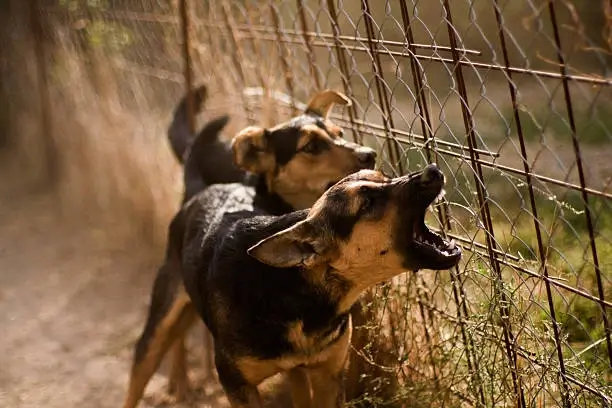
Evening grooming is more than a cleaning task; it is a vital Cooperative Care practice. By incorporating a gentle “body scan” into your evening dog routine, you not only maintain their physical health but also desensitize them to touch, making future veterinary visits significantly less stressful.
Coat Care & Relaxation
A nightly brushing session stimulates the skin and removes environmental allergens like pollen or dust before they reach your furniture or bedding.
- Long-Haired Breeds: Focus on high-friction areas (behind ears, armpits) to prevent Matting.
- Short-Haired Breeds: Use a soft bristle brush to distribute natural oils and improve coat luster.
🐾 The 4-Point Paw & Ear Inspection
Critical Health Monitoring: The Nightly Check-In
Because dogs instinctively hide pain, the quiet of the evening is the best time to observe subtle changes in their mobility and behavior.
| Observation | Normal Signs | Warning Flags 🚩 |
|---|---|---|
| Posture | Fluid, easy movement. | Stiffness, limping, or “hunched” back. |
| Appetite | Eager to eat. | Sudden refusal or slow chewing (Dental pain). |
| Behavior | Seeking rest/calm. | Excessive pacing, panting, or vocalizing. |
🐕 Maya’s Pro Tip: I once noticed my Dachshund pacing incessantly at 9 PM. By conducting a quick Abdominal Palpation, I realized he had mild bloat symptoms. Early detection allowed us to manage it before it became a veterinary emergency. Trust your intuition when their “evening energy” feels off.
Social Connection: Controlled Interaction & Family Bonding
The final hours of the day should focus on Emotional Stability. Quality time spent with family members reinforces the dog’s sense of security. In a well-rounded evening dog routine, we replace high-excitement play with Oxytocin-building activities that foster trust without overstimulation.
Passive Bonding & Multi-Pet Harmony
Interaction during the evening should be “low-arousal.” This is the ideal time for Captive Calmness training, where pets learn to coexist peacefully in the same room without direct engagement.
- Desensitization: Gradually introduce common evening sounds (like the dishwasher) while rewarding calm behavior to build Environmental Confidence.
- Multi-Pet Supervision: Ensure senior dogs have a “safe zone” away from energetic puppies to prevent evening friction.
Bedtime Preparation: Creating the Sleep Sanctuary
Just as humans benefit from a dark, quiet room, a dog’s sleep quality is dictated by their environment. Proper Sleep Hygiene ensures they stay asleep longer and wake up refreshed.
“For dogs with nighttime anxiety, I recommend a 3-minute Effleurage Massage. Use long, slow, light-pressure strokes from the base of the neck to the tail. This technique specifically targets the Parasympathetic Nervous System, effectively ‘switching off’ the day’s stress.”
The “Sleep Station” Setup
Whether it’s a crate or an orthopedic bed, ensure it is in a draft-free area with minimal foot traffic.
Dim the lights and use a specific phrase like “Time to settle” to signal the end of all active interaction.
If your dog is reactive to outside noises, use a white noise machine to mask auditory triggers that might cause nighttime barking.
🐕 Real-World Result: By implementing a “lights-out” policy at 9:30 PM and using a dedicated orthopedic bed, many senior dogs with arthritis show a significant reduction in Nighttime Pacing and restlessness within just 7 to 10 days.
Evening Mental Enrichment: Lowering Arousal Through Focus
As the evening progresses, your focus should shift from physical exertion to Cognitive Enrichment. Activities that engage the brain while keeping the body still are the most effective way to prevent “Zoomies” and nighttime restlessness.
Strategic Food Puzzles & Scent Games
Using the nose is a natural sedative for dogs. In your evening dog routine, prioritize low-intensity scent work to lower their heart rate.
- Puzzle Pacing: 5–10 minutes of gentle problem-solving prevents mental frustration without causing over-excitement.
- Scent “Treasure Hunt”: Hide 3-5 high-value treats in familiar, low-stress areas. Encourage slow, deliberate sniffing.
Tailoring the Routine: Puppies vs. Senior Dogs
Consistency is key, but the biological needs of your dog change with age. An effective routine must be fluid enough to accommodate these shifts.
| Focus Area | Puppy Protocol | Senior Protocol |
|---|---|---|
| Duration | Short, frequent bursts (5m). | Low-impact, slow pace. |
| Key Task | Potty training & basic social cues. | Joint support & circulation. |
| Bedding | Secure, chew-proof crate. | Orthopedic memory foam. |
“With my senior dogs, I’ve noticed that ‘Sundowners’ syndrome can lead to evening confusion. Using a gentle Touch Ritual and ensuring they have clear, non-slip paths to their bed has reduced nighttime disturbances by nearly 40%.”
🛠️ How to Adapt Your Evening Routine
The Golden Rules of Consistency
A dog’s internal clock is remarkably precise. The success of your evening dog routine hinges on Environmental Cueing—the predictable sequence of events that signals to your pet exactly what comes next. Consistency reduces decision fatigue for the dog, leading to a profound sense of security.
“Dogs don’t read clocks, but they read patterns. If you feed at 6:00 PM and start winding down at 8:30 PM, stick to that window. Even a 30-minute variance can trigger cortisol spikes in anxious dogs, delaying their ability to reach deep REM sleep.”
Strategic Bedtime Cues
- Verbal Markers: Use a low-energy, consistent phrase like “Safe and sound” or “Bedtime” to initiate the sequence.
- Lighting Shift: Gradually dimming household lights mimics the natural sunset, encouraging Melatonin production.
- Positive Reinforcement: Always reward the act of “settling” into the designated space with calm, physical praise rather than high-energy treats.
The Final Transition: Winding Down for Deep Rest
The “15-Minute Buffer” is the period where all active engagement ends and the environment becomes purely passive.
Turn off the TV/loud music. Offer a final, small water break to prevent mid-night thirst without overloading the bladder.
Apply light, long-stroke massage to the neck and shoulders. This manual stimulation lowers the heart rate effectively.
Guide the dog to their Orthopedic Sleeping Zone using your verbal cue. Ensure the area is a distraction-free sanctuary.
🐕 The Compass Result: Families who implement this tiered winding-down sequence report that even hyperactive breeds, such as Jack Russell Terriers, begin to show “anticipatory relaxation”—yawning and seeking their bed—before the final cue is even given.
The Final Triage: Late Evening Health Checks

Before the final lights-out, a 60-second health observation can prevent minor irritations from becoming overnight emergencies. This proactive step in your evening dog routine allows you to catch atypical symptoms like subtle limping or unusual lethargy before they escalate.
Physical & Behavioral Audit
Focus on fluid movement and resting comfort. If your dog is shifting positions frequently or whining softly, it may indicate underlying joint pain or digestive gas.
- Gait Analysis: Observe the transition from standing to lying down for any signs of Musculoskeletal Stiffness.
- Surface Check: Run your hands gently over the coat to feel for new lumps, ticks, or hot spots.
- Hydration Log: Note if thirst is excessive, as it can be an early indicator of metabolic issues or kidney stress.
Final Socialization: Reaching Emotional Equilibrium
The very last interaction of the day should be purely affectionate. This reinforces the Human-Canine Bond and lowers the dog’s heart rate through tactile reassurance.
“In multi-pet households, I’ve seen that a ‘group settle’—where all animals relax in the same vicinity under soft lighting—dramatically reduces Resource Guarding and morning tension. It signals that the day’s competition is over and the pack is safe.”
The Ultimate Evening Dog Routine Checklist
🚀 60-Second Nightly Checklist
| Routine Pillar | Key Actions |
|---|---|
| 1. Nutrition | Portion control, water curfew, and VOHC dental chews. |
| 2. Relaxation | Low-arousal walks (Sniffaris) & cognitive scent games. |
| 3. Hygiene | Gentle coat brushing, paw inspection, and ear checks. |
| 4. Sanctuary | Bedtime cues, dimmed lights, and orthopedic support. |
Evening Dog Routine: Frequently Asked Questions
❓ What if my dog refuses to eat dinner?
Occasional inappetence can happen due to low daily activity. Try offering smaller portions or a high-quality, enticing protein topper. However, if refusal persists for more than 24 hours, consult your veterinarian to rule out underlying digestive issues or dental pain.
❓ How can I calm a hyperactive dog before bed?
Focus on Cortisol reduction through low-arousal activities. Replace games like fetch with 5-10 minutes of scent work or a gentle “Lick Mat” session. Dimming the lights and maintaining a quiet household environment mimics the natural onset of sleep.
❓ Should I give treats immediately before bedtime?
It is best to avoid high-calorie treats late at night. Instead, opt for a small, low-calorie reward or a VOHC-approved dental chew. Ensure the treat is given at least 30-60 minutes before sleep to allow for basic digestion and prevent midnight restlessness.
❓ How do I adapt this routine for senior dogs?
Seniors require an emphasis on comfort. Replace long walks with orthopedic support and gentle Circulation Massages. Ensure their sleeping area is easily accessible without the need to climb stairs or navigate slippery floors, especially if they suffer from Arthritis.
Final Thoughts on Nightly Harmony
Consistency is the language of trust for your dog. By combining nutritional precision, mental enrichment, and a peaceful environment, you transform a simple schedule into a lifelong foundation for wellness.
Start your stress-free evening tonight.
Legal Disclaimer: The information provided by Maya Mai on PetCareCompass is based on years of experienced pet ownership and is vet-informed but not a substitute for professional veterinary medical advice, diagnosis, or treatment. Always seek the advice of your veterinarian with any questions regarding a pet’s medical condition.
Find More Dog Care Guides
Continue exploring practical guides related to this topic.