

Establishing a consistent Puppy Daily Routine is crucial for your puppy’s physical health, emotional well-being, and behavioral development. By following a structured routine, new puppy owners can reduce stress, prevent unwanted behaviors, and ensure proper growth. This guide provides practical, actionable tips to help you manage feeding, play, training, and rest throughout the day.
Morning Routine for Puppies
Starting the day with a structured morning routine sets the foundation for your puppy’s daily behavior and energy levels. A predictable Puppy Daily Routine ensures that puppies start their day with proper nutrition, hygiene, and mental stimulation.
Morning Bathroom and Hygiene
- Take your puppy outside immediately after waking to reinforce bathroom habits.
- Use consistent verbal cues like “go potty” to encourage proper elimination.
- Praise and reward your puppy after successful bathroom trips to build positive associations.
- Inspect paws, ears, and coat during this time for any early signs of health issues.
Morning Feeding
- Offer the first measured portion of the day according to your puppy’s age and size.
- Puppies under six months typically require 3–4 small meals, while older puppies may transition to 2–3 meals.
- Always provide fresh water alongside meals to encourage hydration and digestion.
- Avoid free-feeding, as it can disrupt the Puppy Daily Routine and contribute to overeating.
Morning Play and Training
- Engage your puppy in short play sessions to expend early energy and stimulate mental development.
- Introduce basic commands such as “sit,” “stay,” and “come” using positive reinforcement.
- Incorporate gentle handling exercises to accustom your puppy to human touch and grooming.
- Use interactive toys to foster independent play and problem-solving skills.
By maintaining a structured morning routine, your puppy learns what to expect each day, supporting better behavior and reduced anxiety.
Midday Care and Interaction
Midday provides an opportunity to reinforce routines and ensure puppies remain engaged and well-behaved. Following a clear Puppy Daily Routine during this period helps regulate energy, digestion, and mental stimulation.
Midday Meals or Snacks
- Puppies may need a small midday meal depending on age and metabolism.
- Measure portions carefully to maintain appropriate calorie intake.
- Avoid offering human food or table scraps, which can disrupt training and nutrition.
- Monitor your puppy’s appetite and adjust the feeding schedule as needed.
Socialization and Supervised Exploration
- Introduce your puppy to new environments, sounds, and gentle social interactions with other pets or people.
- Supervised play helps reduce fearfulness and encourages healthy social development.
- Short outdoor walks or backyard exploration are beneficial for sensory stimulation.
- Maintain consistency in interactions to reinforce comfort and confidence.
Rest Periods
- Puppies require multiple naps throughout the day for proper growth and brain development.
- Provide a quiet, comfortable space where your puppy can rest without disturbances.
- Avoid overstimulation before nap times to ensure quality sleep.
- Use rest periods to observe subtle signs of illness or fatigue.
Midday routines are essential for balancing activity and rest, keeping your puppy happy and healthy throughout the day.
Afternoon Activities and Training
The afternoon is ideal for reinforcing training and providing additional mental and physical stimulation within a Puppy Daily Routine. Structured activities help puppies expend energy, learn new skills, and develop consistent behaviors.
Physical Exercise
- Offer age-appropriate exercise such as short walks, fetch, or gentle play sessions.
- Avoid excessive running or jumping for young puppies to protect developing joints.
- Tailor activity levels to breed and individual temperament.
- Supervise interactions with other pets or children to ensure safety.
Basic Obedience Practice
- Reinforce commands introduced in the morning through brief, positive sessions.
- Use treats and verbal praise to encourage compliance and attentiveness.
- Limit training sessions to 5–10 minutes to match the puppy’s attention span.
- Consistency in command words and gestures strengthens learning.
Mental Enrichment
- Provide puzzle feeders or interactive toys to stimulate problem-solving skills.
- Encourage independent play to develop confidence and reduce separation anxiety.
- Rotate toys regularly to maintain interest and mental engagement.
- Observe your puppy’s problem-solving abilities and adjust complexity accordingly.
By integrating physical exercise, obedience training, and mental enrichment, the afternoon segment of a Puppy Daily Routine promotes well-rounded development and supports healthy behavior.
For more detailed guidance on daily care and routines for puppies, visit Daily Dog Care Routines.
Tips for Maintaining a Consistent Morning-to-Afternoon Routine
- Consistency is key: Feed, play, and train at the same times daily.
- Adjust gradually: Transition schedules slowly to accommodate changes in lifestyle or age.
- Observe behavior: Track appetite, energy levels, and bathroom habits to fine-tune routines.
- Use timers or reminders: Especially helpful for busy households to maintain feeding and training schedules.
Following these strategies ensures your puppy thrives in a predictable, structured environment, reducing stress for both puppy and owner.
Preparing for the Evening Routine
- Begin winding down the day with calming activities.
- Introduce quiet play or gentle handling before the evening meal.
- Reinforce bathroom training prior to the final meal to prevent nighttime accidents.
- Establish a predictable sequence of events leading to bedtime, which strengthens the Puppy Daily Routine and encourages healthy sleep habits.
By the end of the afternoon, your puppy should have received adequate exercise, socialization, training, and rest, preparing for a smooth transition into evening activities and sleep.
Evening Routine for Puppies

The evening is a critical time in a Puppy Daily Routine because it helps wind down the day, supports proper digestion, and prepares your puppy for restful sleep. A structured evening routine reduces anxiety, reinforces training, and ensures your puppy ends the day in a calm state.
Evening Feeding
- Serve the final meal of the day at a consistent time to maintain energy balance.
- Avoid overfeeding, as it may disrupt sleep or cause digestive issues.
- Puppies under six months may require a slightly smaller evening portion compared to daytime meals.
- Always provide fresh water to accompany the meal and encourage hydration.
Light Exercise or Walks
- Engage in gentle activity, such as a short walk or supervised play, after dinner.
- Avoid intense exercise right before bedtime to prevent overstimulation.
- Use this time to reinforce leash manners and socialization skills.
- Monitor your puppy’s behavior for signs of tiredness or overexertion.
Evening Bathroom Break
- Take your puppy outside 10–15 minutes after the evening meal.
- Consistently use verbal cues to reinforce bathroom training.
- Praise and reward your puppy to build positive associations with nighttime bathroom habits.
- Ensure the outdoor area is safe and well-lit to prevent accidents or stress.
A predictable evening schedule helps maintain consistency in the Puppy Daily Routine, reducing accidents and encouraging calm, healthy behavior before bedtime.
Nighttime Routine and Sleep Schedule
A proper sleep schedule is vital in a Puppy Daily Routine, supporting growth, immune function, and emotional stability. Puppies require more sleep than adult dogs, and nighttime routines should reflect their developmental needs.
Setting Up a Comfortable Sleeping Area
- Use a crate or designated bed to create a secure environment for your puppy.
- Ensure bedding is clean, comfortable, and appropriately sized.
- Position the sleeping area in a quiet location away from household traffic and noise.
- Consider crate training to aid in potty training and establish a secure routine.
Bedtime Ritual
- Establish calming activities before bedtime, such as gentle petting or soft music.
- Maintain a consistent bedtime to strengthen the puppy’s circadian rhythm.
- Avoid stimulating games or training sessions right before sleep.
- Provide a favorite toy or blanket to comfort your puppy and encourage relaxation.
Monitoring Nighttime Behavior
- Observe signs of restlessness, whining, or anxiety to adjust routines if necessary.
- Nighttime monitoring can prevent accidents and reinforce positive behavior patterns.
- Use consistent responses to nighttime disturbances to avoid reinforcing negative habits.
By creating a calm, predictable environment, the nighttime portion of a Puppy Daily Routine ensures quality sleep, which is essential for growth and cognitive development.
Weekend and Flexibility Adjustments
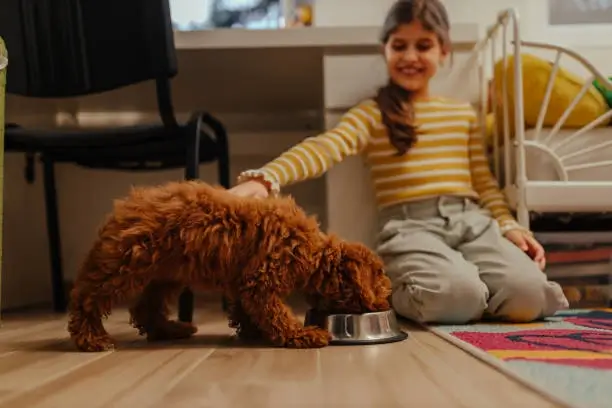
Maintaining a Puppy Daily Routine during weekends, holidays, or travel requires flexibility while preserving consistency. Puppies thrive on predictable schedules, but slight adjustments can accommodate lifestyle variations.
Outdoor Adventures
- Introduce your puppy to new environments gradually, including parks, trails, or visits to friends and family.
- Short, supervised excursions promote socialization, confidence, and curiosity.
- Avoid overstimulation by limiting the duration and intensity of outdoor adventures.
- Use positive reinforcement and treats to build confidence in new experiences.
Flexible Meal Times
- Keep feeding times as close to the regular schedule as possible.
- If adjustments are necessary due to travel or social events, maintain portion control to avoid overeating.
- Monitor your puppy’s behavior and digestion for any signs of discomfort or stress.
- Consistency in feeding times reinforces the Puppy Daily Routine, even when minor adjustments are needed.
Adapting Training Sessions
- Use weekend or travel periods to reinforce previously learned commands in new settings.
- Keep training sessions short and fun to maintain engagement.
- Avoid introducing complex new skills during high-stress situations to prevent confusion.
- Reward calm, adaptive behavior to strengthen confidence and trust.
Flexibility in the Puppy Daily Routine allows your puppy to adapt to real-life scenarios without compromising structure, training, or health.
Socialization and Enrichment
Proper socialization and mental stimulation are integral parts of a Puppy Daily Routine. Puppies that experience diverse environments, sounds, and interactions develop confidence, resilience, and strong behavioral foundations.
Social Play
- Arrange supervised playdates with vaccinated, friendly dogs.
- Monitor interactions to prevent aggression or fear-based behaviors.
- Encourage sharing, gentle play, and appropriate bite inhibition.
- Reinforce positive interactions with praise and treats.
Sensory Enrichment
- Introduce a variety of textures, sounds, and objects in the environment.
- Use interactive toys, puzzle feeders, or scent games to stimulate mental development.
- Rotate enrichment activities to maintain novelty and engagement.
- Observe responses to new stimuli to ensure they are positive and safe.
Cognitive Challenges
- Teach basic problem-solving skills through interactive games and treat puzzles.
- Incorporate short training exercises to reinforce learning and command retention.
- Provide opportunities for independent exploration under supervision to foster confidence.
A well-structured enrichment plan within the Puppy Daily Routine encourages curiosity, reduces boredom, and prevents the development of destructive behaviors.
Health Monitoring
- Track appetite, bowel movements, and energy levels daily.
- Regularly inspect ears, teeth, coat, and paws for early detection of health issues.
- Schedule wellness checks and vaccinations according to veterinary recommendations.
- Document observations to share with your veterinarian during visits.
For expert guidance on puppy schedules, training, and socialization, see American Kennel Club: Puppy Daily Care.
Health Monitoring and Routine Check-ins

Regular health monitoring is a critical component of a Puppy Daily Routine. Puppies grow quickly, and early detection of health issues can prevent minor problems from becoming serious. By incorporating daily observations and scheduled veterinary visits, you ensure your puppy remains healthy and develops properly.
Daily Health Observation
- Examine eyes, ears, teeth, paws, and coat daily for signs of irritation, infection, or injury.
- Monitor energy levels, appetite, and bathroom habits to detect abnormalities.
- Note any changes in behavior, such as increased lethargy, excessive whining, or unusual aggression.
- Maintain a journal or app to track observations and share them with your veterinarian.
Regular Veterinary Visits
- Schedule vaccinations and wellness checks according to your puppy’s age and breed.
- Discuss nutrition, growth, and any behavioral concerns with a licensed veterinarian.
- Address spaying or neutering, parasite control, and preventive care during these visits.
- Follow up on any health concerns promptly to ensure your Puppy Daily Routine continues safely.
Monitoring Weight and Growth
- Weigh your puppy weekly to track healthy growth patterns.
- Compare growth trends with breed-specific guidelines.
- Adjust feeding portions and activity levels accordingly.
- Consult your veterinarian if weight gain or loss is abnormal.
Routine health checks within a Puppy Daily Routine prevent illness, support development, and give you peace of mind as a responsible pet owner.
Emergency Preparedness and Safety
Ensuring your puppy’s safety is an essential part of a Puppy Daily Routine. Puppies are naturally curious, and household hazards or outdoor dangers can pose risks. Incorporating safety measures helps reduce accidents and ensures your puppy grows in a secure environment.
Puppy-Proofing Your Home
- Remove or secure electrical cords, toxic plants, and small objects that could be ingested.
- Use gates to restrict access to stairs or rooms with hazards.
- Keep cleaning supplies and medications out of reach.
- Monitor interactions with other pets to prevent accidental injury.
Emergency Contact Information
- Keep your veterinarian’s contact information readily available.
- Know the nearest emergency veterinary clinic and its hours of operation.
- Maintain a first-aid kit for minor injuries or issues.
- Familiarize yourself with basic first-aid procedures for puppies.
Safety During Walks and Outdoor Activities
- Use a well-fitted collar or harness with ID tags.
- Keep your puppy on a leash unless in a secure, enclosed area.
- Avoid areas with extreme temperatures, toxic plants, or dangerous wildlife.
- Monitor behavior and signs of fatigue or stress during outdoor excursions.
A proactive approach to safety integrates seamlessly into your Puppy Daily Routine, keeping your puppy protected at home and outside.
Puppy Training and Behavioral Development

Training is a fundamental element of a Puppy Daily Routine, supporting obedience, socialization, and long-term behavior. Structured sessions throughout the day help your puppy understand expectations and build confidence.
Basic Obedience Training
- Introduce commands such as “sit,” “stay,” “come,” and “leave it” consistently.
- Use positive reinforcement through treats, praise, and play.
- Keep training sessions short (5–10 minutes) to match the puppy’s attention span.
- Repeat commands in various environments to reinforce learning.
Socialization Skills
- Expose your puppy to different people, pets, and environments gradually.
- Reward calm, positive interactions to encourage confidence.
- Avoid overwhelming situations that may cause fear or anxiety.
- Track socialization experiences in your routine to ensure coverage of diverse scenarios.
Addressing Common Behavioral Issues
- Manage chewing with appropriate toys and redirection.
- Discourage excessive barking through structured training and attention management.
- Use crate training to foster independence and prevent destructive behavior.
- Remain patient and consistent; behavioral changes take time.
Integrating training and socialization into your Puppy Daily Routine creates a well-behaved, confident, and happy puppy.
FAQ and Daily Checklist
A structured Puppy Daily Routine includes practical guidance, frequently asked questions, and a checklist to simplify daily care.
Daily Checklist
Morning:
- Bathroom and hygiene check
- Morning feeding
- Short play and training session
Midday:
- Nap or rest period
- Supervised socialization
- Midday meal or snack (if needed)
Afternoon:
- Physical exercise
- Obedience practice
- Mental enrichment activities
Evening:
- Final meal and fresh water
- Gentle play or short walk
- Bathroom break after dinner
Nighttime:
- Wind-down routine
- Comfortable sleeping area
- Monitor for any nighttime issues
FAQ
How often should I feed my puppy?
- Puppies under 6 months generally need 3–4 meals daily, transitioning to 2–3 meals as they grow.
How long should training sessions last?
- Keep sessions brief, around 5–10 minutes, multiple times per day to match attention span.
What if my puppy has accidents at night?
- Reinforce bathroom training, ensure appropriate timing of evening meals, and consider crate training for structure.
How do I maintain consistency during travel or weekends?
- Stick to regular feeding, potty, and play schedules as closely as possible, with minor adjustments for logistics.
What are the best ways to reduce puppy anxiety?
- Provide structured routines, regular socialization, and mental enrichment.
- Use safe toys, comfort items, and gentle interactions to create security.
For additional expert guidance on structuring puppy routines, visit American Kennel Club: Puppy Daily Care.
Final Tips for a Successful Puppy Daily Routine
- Consistency is crucial: Puppies thrive on predictable schedules for feeding, play, training, and rest.
- Observe and adapt: Every puppy is unique; monitor behavior and health to make minor adjustments.
- Balance activity and rest: Proper energy management prevents destructive behaviors and supports growth.
- Positive reinforcement: Reward desirable behavior consistently to strengthen learning and trust.
- Include family members: Ensure all household members follow the same routine to avoid confusion.
A well-executed Puppy Daily Routine creates a foundation for a healthy, happy, and well-behaved adult dog. By combining structured feeding, exercise, training, socialization, and health monitoring, you provide the support your puppy needs to thrive.
