
Maintaining a dog’s health and happiness throughout the day requires more than morning walks and evening meals. Implementing structured Midday Check ins ensures you can monitor your dog’s behavior, energy levels, and overall well-being during the most active part of the day. This guide provides an easy and practical approach to Midday Check ins, helping pet owners detect issues early and maintain a strong bond with their furry companion.
Observing Energy and Behavior Patterns
Monitoring your dog’s behavior and energy is one of the most critical aspects of Midday Check ins. Dogs may show subtle signs of fatigue, stress, or discomfort that are easily overlooked without a consistent routine. By observing your dog at midday, you can intervene early and make adjustments to their environment, diet, or activity schedule.
For a complete guide on structuring daily routines for your dog, check out Daily Dog Care Routines.
Signs of Fatigue
During Midday Check ins, pay attention to yawning, drooping posture, or reluctance to engage in play. These behaviors can indicate tiredness or overexertion. Tracking fatigue patterns allows you to adjust daily activities to maintain optimal energy levels.
Playfulness and Engagement
Observe your dog’s willingness to interact with toys, family members, or other pets. A noticeable decline in engagement during Midday Check ins may signal boredom, stress, or minor health issues. Keeping notes on these interactions helps detect trends over time.
Stress and Anxiety Signals
Stress may appear as pacing, excessive panting, or vocalizations. By including stress observations in your Midday Check ins, you can identify triggers and provide calming solutions such as quiet spaces, gentle interaction, or puzzle toys. Monitoring stress levels regularly promotes emotional balance and overall well-being.
Hydration and Nutrition Monitoring
Proper hydration and nutrition are vital for your dog’s health, especially during midday when energy demands are high. Midday Check ins provide an ideal opportunity to verify that your dog is drinking enough water and consuming meals appropriately.
Checking Water Intake
Ensure your dog has access to clean, fresh water during Midday Check ins. Observe drinking frequency and note any sudden changes in water consumption. Dehydration can lead to fatigue, kidney issues, or more serious health concerns, so documenting water intake is essential.
Midday Meal or Snack
If your dog has a midday meal or snack, verify they are eating properly. Monitoring food intake during Midday Check ins ensures adequate nutrition and prevents digestive problems. Sudden refusal to eat may indicate stress, dental issues, or illness.
Digestive Health Observation
Look for signs of digestive discomfort, such as vomiting, diarrhea, or bloating. Including these observations in your Midday Check ins allows early intervention and helps maintain overall digestive health. Noting patterns also supports conversations with your veterinarian for dietary adjustments if needed.
Grooming and Physical Inspection

A quick physical check is an important part of Midday Check ins. Regularly inspecting your dog helps you spot health issues before they escalate and maintain good hygiene.
Coat and Skin Check
Run your hands over your dog’s fur to identify tangles, matting, debris, or parasites. Examine the skin for redness, rashes, or irritation. Incorporating this into Midday Check ins ensures you notice abnormalities early and can address them promptly.
Ears, Paws, and Nails
Inspect ears for dirt, unusual odor, or signs of infection. Check paws for cuts, swelling, or foreign objects, and review nail length. Including these steps in Midday Check ins maintains physical comfort and prevents minor issues from becoming serious problems.
Overall Body Condition
During Midday Check ins, assess your dog’s weight, posture, and mobility. Noticing changes in muscle tone, gait, or stiffness can indicate early signs of illness or musculoskeletal issues. Regular monitoring supports long-term health and mobility.
Social and Environmental Awareness
A dog’s social interactions and response to their environment provide insights into their emotional and mental well-being. Midday Check ins offer an ideal window to observe these behaviors and make adjustments if necessary.
Interaction With Family and Pets
Observe your dog’s behavior around family members or other pets. Changes such as withdrawal, aggression, or excessive clinginess may indicate stress, discomfort, or illness. Documenting interactions during Midday Check ins helps you intervene early.
Environmental Response
Notice how your dog reacts to sounds, visitors, or changes in the environment. Patterns observed during Midday Check ins help identify triggers for anxiety and inform strategies for a calmer environment.
Mental Stimulation
Introduce brief enrichment activities during Midday Check ins, such as puzzle toys, short training exercises, or interactive play. Monitoring engagement during these activities supports cognitive health, reduces boredom, and strengthens your bond with your dog.
Midday Health and Physical Monitoring
Keeping track of your dog’s physical health at midday is an essential aspect of Midday Check ins. This period often reveals subtle signs of fatigue, discomfort, or early illness that may not be apparent during morning or evening routines. Incorporating a systematic approach ensures timely intervention and promotes overall wellness.
Vital Signs Observation
During Midday Check ins, monitor your dog’s heart rate, respiration, and body temperature if possible. Sudden changes may indicate stress, dehydration, or underlying health issues. Keeping a brief log helps detect trends over time and supports informed discussions with your veterinarian.
Weight and Body Condition
Check your dog’s body condition regularly. Weight fluctuations, loss of muscle mass, or bloating can signal dietary, metabolic, or digestive problems. Midday assessments are ideal because they provide a snapshot of your dog’s typical daytime energy and hydration levels.
Hydration Status
Assess hydration by observing gum color and skin elasticity. Dogs can become dehydrated quickly, especially during active play or hot weather. Including hydration checks in Midday Check ins ensures you address any deficits before they impact health.
Midday Mental and Emotional Assessment
Behavior and mental health are just as important as physical wellness. Midday Check ins offer a unique opportunity to evaluate your dog’s mood, stress levels, and emotional responses during the day.
Mood Monitoring
Observe whether your dog appears happy, calm, or anxious. Shifts in mood during Midday Check ins may indicate fatigue, stress, or discomfort. Keeping consistent records helps you notice patterns and respond appropriately.
Anxiety and Stress Indicators
Signs such as excessive panting, pacing, or vocalizing are key indicators of stress. Midday monitoring allows you to intervene with calming measures like quiet time, gentle petting, or enrichment activities. Regular attention during Midday Check ins prevents chronic stress and behavioral issues.
Cognitive Engagement
Introduce short puzzle games or obedience tasks during Midday Check ins. Monitor focus, problem-solving, and responsiveness to stimuli. This not only reinforces training but also helps identify early cognitive or attention issues, keeping your dog mentally stimulated and healthy.
Environmental and Interaction Observations
Your dog’s response to its surroundings can reveal important insights about comfort, socialization, and mental health. Midday Check ins help you track how your dog navigates environmental changes and social dynamics.
Interaction With People and Pets
Observe behavior around family members or other animals. Friendly, playful interactions indicate comfort, while aggression, withdrawal, or clinginess may suggest stress or health concerns. Documenting these patterns during Midday Check ins supports early behavioral intervention.
Response to Environmental Stimuli
Monitor reactions to noise, visitors, or sudden movements. Excessive alertness or fear can signal anxiety or environmental stressors. Tracking responses at midday helps you adjust routines, create safer spaces, and reduce triggers for negative behaviors.
Engagement With Activities
Check how your dog responds to toys, training, or short walks. Midday assessments reveal energy dips or disengagement that may not be obvious in morning or evening routines. Adjusting activities based on these observations keeps your dog balanced and happy.
Adjusting Midday Routines for Optimal Care
After observing behavior, health, and environment, Midday Check ins are the perfect time to adjust routines for maximum well-being. Implementing small changes can have lasting benefits for both physical and emotional health.
Meal and Hydration Adjustments
Based on observations during Midday Check ins, you may need to adjust portion sizes, snack frequency, or water access. Dogs with higher midday activity may require additional hydration or nutrition to maintain energy levels.
Exercise and Activity Planning
If energy levels are lower than expected, modify midday exercise routines. Shorter walks, calm play, or mental stimulation may be more appropriate. Conversely, if your dog is energetic, extending playtime can provide beneficial outlets for activity.
Environmental Modifications
Ensure your dog has comfortable spaces for rest, shaded areas if outside, and quiet zones to reduce stress. Midday Check ins allow you to assess whether the current environment supports optimal comfort and well-being.
Behavioral Interventions
Use insights from Midday Check ins to reinforce positive behaviors and address any emerging issues. This may include brief training sessions, introducing enrichment activities, or redirecting attention from negative behaviors.
Afternoon Energy and Behavior Assessment
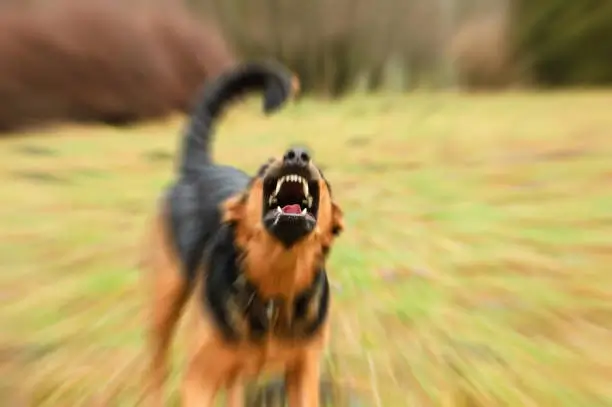
Monitoring your dog’s energy and behavior in the afternoon is a critical component of Midday Check ins. This period helps identify subtle changes in stamina, mood, and overall well-being that may not be visible in morning routines. Tracking these aspects consistently ensures your dog maintains optimal health and happiness.
Energy Level Observation
During Midday Check ins, note whether your dog appears active, lethargic, or restless. Afternoon energy dips can indicate nutritional deficiencies, dehydration, or minor health concerns. Documenting these patterns helps you adjust exercise and feeding schedules appropriately.
Behavioral Changes
Observe for changes in interactions, attention span, or responsiveness. Dogs that become easily irritated, withdrawn, or overly vocal may be signaling stress or discomfort. Including behavioral notes in Midday Check ins enables timely intervention and reduces the risk of persistent issues.
Social Interaction Check
Evaluate your dog’s response to people, pets, or environmental stimuli during the afternoon. Friendly engagement, relaxed body language, and curiosity are signs of comfort. Conversely, avoidance, excessive clinginess, or aggressive responses may require behavior modification or veterinary consultation.
Health and Wellness Indicators
Afternoon monitoring is an ideal time to check for early signs of illness or discomfort. Midday Check ins should include observations that may not be apparent during morning or evening routines.
Physical Appearance
Check for unusual posture, limping, or swelling. Changes in coat texture, eye clarity, or skin condition can provide early warning signs. Recording these during Midday Check ins allows you to address issues promptly.
Appetite and Hydration
Afternoon feeding habits and water intake provide insight into overall health. Notice if your dog shows reduced appetite or irregular drinking patterns. Adjustments based on these observations during Midday Check ins can prevent dehydration and support sustained energy.
Respiratory and Heart Monitoring
Monitor breathing patterns and heart rate, especially after activity. Panting, coughing, or rapid heartbeats may indicate respiratory or cardiovascular stress. Including these checks in Midday Check ins ensures early detection of potential problems.
Afternoon Mental Stimulation and Enrichment

Keeping your dog mentally engaged is vital for preventing boredom and promoting emotional well-being. Midday Check ins provide an excellent opportunity to assess and enhance cognitive activities.
Puzzle and Training Activities
Introduce short puzzle toys, obedience tasks, or scent games during Midday Check ins. Observe how your dog responds and completes tasks. Engagement levels provide insight into cognitive health and help maintain focus and curiosity.
Interaction With Caregivers
Monitor how your dog reacts to human interaction during midday. Positive engagement, gentle play, and calm responses indicate emotional stability. Lack of interest or negative reactions can highlight stress or fatigue that may need addressing.
Adjusting Mental Challenges
Based on observations from Midday Check ins, adapt enrichment activities to suit your dog’s current energy and mood. Increasing or simplifying tasks helps maintain a balance between challenge and reward, ensuring mental well-being is supported throughout the day.
Daily Wrap-Up and Checklists
Concluding Midday Check ins, it is important to consolidate observations and implement actionable steps for the remainder of the day. Keeping structured notes supports consistent care and early detection of issues.
Behavioral Summary
Review behavioral patterns noted during Midday Check ins. Identify any emerging trends such as anxiety, fatigue, or unusual activity levels. Summarizing these observations helps guide evening routines and preventive care.
Health Notes
Document any physical, nutritional, or hydration concerns. Early recognition during Midday Check ins enables timely interventions and supports overall wellness.
Action Plan for Evening
Plan adjustments for exercise, meals, or mental stimulation based on your findings. This ensures continuity in care and maintains your dog’s comfort, energy, and happiness.
Daily Checklist for Midday Monitoring
-
☐
Observe energy levels and behavior changes. -
☐
Check hydration and appetite. -
☐
Monitor interactions with family, pets, and environment. -
☐
Document physical signs like posture, coat, or breathing. -
☐
Introduce short enrichment activities and training. -
☐
Adjust routines based on observations for afternoon and evening care.
Find More Dog Care Guides
Continue exploring practical guides related to this topic.