Regular monitoring is key to keeping your dog healthy. This guide provides an easy-to-follow Weekly Health Check routine, helping you identify potential issues early and ensure your dog stays happy and strong. By dedicating just a short time each week, you can catch problems before they escalate and improve your pet’s overall quality of life.
Understanding the Importance of a Weekly Health Check
A Weekly Health Check allows dog owners to detect subtle changes in behavior, appetite, and physical condition before they develop into serious health problems. Observing your dog regularly strengthens overall well-being, reduces the likelihood of emergencies, and creates an opportunity for bonding.
Early Detection of Health Issues
The main advantage of a Weekly Health Check is early detection. Small signs like changes in energy, minor skin irritations, or slight weight fluctuations can indicate underlying health concerns. Catching these early ensures faster intervention, often reducing the need for intensive medical treatments.
Building a Preventive Routine
Consistency is key for an effective Weekly Health Check. Pick a day and time that works for your schedule and stick to it. By making it a predictable part of your routine, your dog will become more comfortable with the process, and you’ll establish a reliable preventive care habit that supports long-term health.
Strengthening Bond with Your Dog
Beyond physical health, a Weekly Health Check strengthens the bond between you and your dog. Gentle handling, positive reinforcement, and shared attention during these checks build trust. Dogs quickly associate the check with care and comfort, making future inspections easier and stress-free.
Key Components of a Weekly Health Check
A thorough Weekly Health Check covers three main areas: physical examination, behavioral observation, and grooming. Each area contributes to a complete understanding of your dog’s overall health.
Physical Examination
Start with a comprehensive physical assessment. Examine your dog’s eyes for redness or discharge, ears for unusual odor, teeth for tartar build-up, and skin for bumps or irritation. Check paws for cuts, nail overgrowth, or foreign objects. This step ensures that any physical concerns are addressed early.
Behavioral Assessment
Observing behavior is equally important during a Weekly Health Check. Look for changes in activity levels, appetite, and social interaction. A sudden increase in lethargy, restlessness, or unusual aggression can be a warning sign of health issues, stress, or pain that requires attention.
Grooming and Hygiene
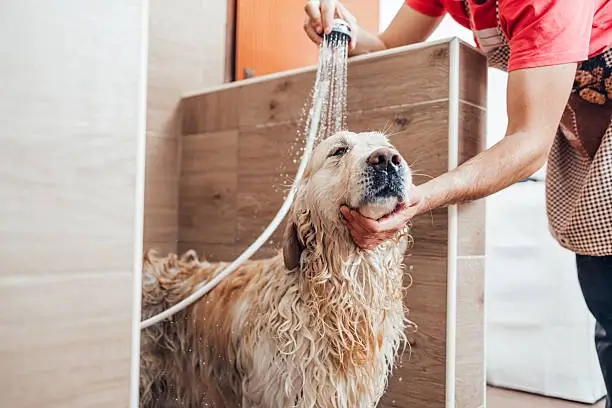
Grooming is an essential component of a Weekly Health Check. Brushing the coat helps remove loose hair and detangle fur while giving you the chance to spot ticks, fleas, or skin conditions. Regular nail trimming prevents discomfort and joint stress. Teeth brushing or inspecting for dental disease protects against oral infections that can affect overall health.
Tools and Supplies for an Effective Weekly Health Check
Proper tools make your Weekly Health Check accurate, safe, and stress-free. Preparing in advance ensures each step is performed efficiently and thoroughly.
Health Monitoring Tools
Use a scale to track weight and note changes over time. A thermometer helps monitor temperature for early signs of fever or illness. Having a simple first aid kit on hand allows you to address minor cuts or abrasions immediately.
Grooming Essentials
Keep grooming tools like brushes, combs, and nail trimmers ready. Dog-safe shampoos and ear cleaners are helpful for maintaining hygiene during the weekly check. These tools not only enhance cleanliness but also allow you to perform the health check more effectively.
Record-Keeping Supplies
Maintaining records is critical in a Weekly Health Check. A notebook, spreadsheet, or app can track weight, behavior changes, dietary notes, and grooming observations. Over weeks and months, these records help identify trends and provide valuable information for veterinary visits.
Internal Link
For additional guidance on monitoring your dog’s daily health and creating a comprehensive care schedule, check out Daily Dog Care Routines for step-by-step advice.
Additional Tips for a Successful Weekly Health Check
- Choose a quiet environment: Minimize distractions to keep your dog calm.
- Use treats and positive reinforcement: Reward cooperation to make future checks easier.
- Wear gloves if needed: Protect yourself and your dog when checking sensitive areas.
- Observe seasonal changes: Check for fleas, ticks, or paw pad issues depending on weather.
- Take photos if necessary: Visual documentation can help track skin conditions or swelling.
Common Mistakes to Avoid
- Skipping Weeks: Irregular checks reduce the effectiveness of early detection.
- Rushing the Process: Taking your time ensures a thorough assessment.
- Ignoring Minor Symptoms: Small changes can indicate developing health issues.
- Not Recording Observations: Without notes, it’s harder to track long-term trends.
Benefits of a Consistent Weekly Health Check
- Early identification of potential health issues.
- Prevention of chronic conditions.
- Improved overall wellness and quality of life.
- Strengthened relationship and trust between dog and owner.
- Easier communication with veterinarians through documented history.
Nutrition and Dietary Review

Maintaining proper nutrition is a critical aspect of your dog’s overall health. A Weekly Health Check should include evaluating your dog’s diet to ensure it meets their energy needs and supports long-term wellness. Feeding appropriate portions, monitoring treats, and checking for sudden appetite changes can reveal early signs of health issues.
Assessing Portion Sizes
Evaluate the amount of food your dog receives daily. Overfeeding can lead to obesity, while underfeeding may result in nutrient deficiencies. Adjust portions according to your dog’s age, weight, and activity level. Keeping a food diary as part of your Weekly Health Check helps track these details over time.
Monitoring Dietary Preferences
Some dogs develop selective eating habits or show reluctance to certain foods. During a Weekly Health Check, note any changes in preference. Sudden refusal to eat may indicate dental issues, digestive discomfort, or stress. Addressing these changes early ensures your dog continues receiving adequate nutrition.
Identifying Food Allergies
Food allergies can manifest subtly. Monitor for itching, digestive upset, or repeated ear infections. Incorporating these observations into your Weekly Health Check allows you to make dietary adjustments or consult your veterinarian for testing.
Exercise and Activity Assessment
A consistent exercise routine is essential for maintaining your dog’s physical and mental health. A Weekly Health Check should review your dog’s activity levels, ensuring they meet recommended daily exercise without overexertion.
Evaluating Energy Levels
Observe your dog’s playfulness and responsiveness during walks and play sessions. Lowered activity or excessive fatigue can signal health problems such as joint pain or early signs of illness. Recording these observations during a Weekly Health Check provides insight into your dog’s well-being over time.
Assessing Physical Fitness
Look for changes in stamina, gait, or mobility. Dogs may develop subtle lameness or stiffness that goes unnoticed without regular checks. Incorporating a mobility assessment into your Weekly Health Check ensures early intervention for musculoskeletal issues.
Mental Stimulation
Mental health is as important as physical fitness. Include puzzle toys, obedience training, or interactive games in your dog’s routine. Evaluating engagement levels during your Weekly Health Check helps maintain cognitive function and prevent boredom-related behavior problems.
Dental and Oral Health Inspection
Dental care is often overlooked but is critical for preventing systemic health issues. A Weekly Health Check should involve a close inspection of your dog’s teeth, gums, and oral hygiene.
Examining Teeth and Gums
Check for plaque buildup, tartar, and gum inflammation. Dental disease can lead to pain, infections, and impact overall health. Including a dental inspection in your Weekly Health Check ensures early detection and timely care.
Monitoring Breath and Eating Habits
Unusual breath odor or difficulty chewing may indicate oral disease. During your Weekly Health Monitoring, note any changes in eating habits that could signal dental problems. Early intervention reduces discomfort and prevents more serious complications.
Professional Dental Care
Even with regular checks, periodic professional cleanings are recommended. Documenting oral health during your Weekly Health Monitoring helps your veterinarian determine the appropriate frequency for professional care.
Skin, Coat, and Parasite Assessment
Healthy skin and coat reflect overall wellness. A Weekly Health Check includes inspecting your dog’s coat, skin, and signs of parasites.
Checking for Skin Issues
Look for redness, bumps, dryness, or hair loss. Minor irritations may indicate allergies, infections, or underlying health conditions. Tracking these during your Weekly Dog Wellness Check allows early diagnosis and treatment.
Coat Condition
A shiny, clean coat typically indicates good nutrition and overall health. Dullness or excessive shedding can be a sign of dietary deficiencies, stress, or illness. Include coat assessment as part of your Weekly Health Check routine.
Parasite Detection
Inspect for fleas, ticks, and other external parasites. Early detection prevents infestations and protects your dog’s health. Regular parasite checks integrated into your Weekly Dog Wellness Check support preventive care and reduce disease risk.
For more details on preventing flea and tick infestations, see this authoritative guide on canine parasite control.
Vaccination and Preventive Care Review
Weekly monitoring should include checking vaccination status and preventive medications. Ensuring that your dog is up-to-date protects against serious diseases and supports overall well-being.
Reviewing Vaccination Records
During your Weekly Health Check, verify that your dog’s vaccinations are current. Keep a record of dates and upcoming booster schedules. Staying organized helps prevent missed doses and maintains immunity against preventable diseases.
Preventive Medication Check
Check that heartworm, flea, and tick preventives are administered as scheduled. Documenting this in your Weekly Health Check prevents gaps in protection that could lead to illness or infestation.
Planning Veterinary Appointments
Use your Weekly Health Check notes to plan routine veterinary visits. Bringing documented observations improves communication with your veterinarian and allows targeted care.
Behavioral and Emotional Health Review
Physical health is closely linked to mental well-being. Your Weekly Health Check should consider behavioral and emotional cues that may indicate stress, anxiety, or other concerns.
Observing Social Interaction
Monitor your dog’s interactions with family members, other pets, and new environments. Changes in social behavior may indicate discomfort or illness. Recording these observations in your Weekly Health Check allows early intervention.
Noting Anxiety or Stress Signs
Excessive barking, pacing, or destructive behavior can signal stress. Include these observations in your Weekly Health Check to develop strategies that promote emotional well-being, such as training adjustments, enriched environments, or calming aids.
Reinforcing Positive Behaviors
Weekly assessments also provide an opportunity to reinforce training and positive behaviors. Recognizing achievements during your Weekly Health Check strengthens your bond and encourages continued compliance with house rules and commands.
Monitoring Weight and Body Condition

Maintaining a healthy weight is essential for your dog’s overall wellness. A Weekly Health Check should include weighing your dog and assessing body condition to detect early signs of health problems such as obesity or malnutrition.
Weighing Your Dog
Regularly record your dog’s weight as part of your Weekly Health Check. Significant fluctuations—either weight gain or loss—can indicate dietary issues, metabolic problems, or other underlying health concerns. Keeping a weight log helps you and your veterinarian make informed decisions.
Evaluating Body Condition
Assess your dog’s body condition using visual and tactile methods. You should be able to feel the ribs without excess fat covering and see a defined waistline. Documenting these findings during your Weekly Health Check ensures consistent monitoring and early intervention if needed.
Adjusting Diet and Exercise
Based on weight and body condition results, adjust food portions, treats, and exercise routines. Incorporating these observations into your Weekly Health Check allows you to maintain a balanced lifestyle for your dog and prevent long-term health issues.
Hydration and Fluid Intake
Adequate hydration is vital for your dog’s health. During a Weekly Health Check, monitor water intake and ensure your dog remains properly hydrated throughout the week.
Observing Drinking Habits
Track how much your dog drinks daily. Unusual increases or decreases in water consumption noted during your Weekly Health Check may signal kidney issues, diabetes, or other medical conditions. Early detection ensures timely intervention.
Encouraging Adequate Hydration
Provide fresh water at all times and consider multiple water stations if you have more than one dog. Including this assessment in your Weekly Health Check promotes healthy hydration habits and prevents complications from dehydration.
Monitoring Urination Patterns
Observe frequency and volume of urination. Changes noted during your Weekly Health Check can indicate urinary tract infections or other health concerns, prompting further evaluation by a veterinarian.
Joint and Mobility Review
Joint health is crucial, particularly for older or larger breed dogs. Your Weekly Health Check should include assessing mobility, flexibility, and signs of discomfort.
Evaluating Movement
Watch your dog walk, run, and climb stairs. Limping, stiffness, or reluctance to move may indicate joint pain or early arthritis. Documenting mobility observations during your Weekly Health Check helps you take proactive measures.
Range of Motion Exercises
Gently manipulate joints to check for stiffness or discomfort. Incorporating joint flexibility assessments into your Weekly Health Check supports long-term musculoskeletal health.
Veterinary Recommendations
If mobility issues are detected, discuss with your veterinarian potential supplements, physical therapy, or treatments. Including these findings in your Weekly Health Check improves targeted care and overall quality of life.
Grooming and Hygiene Check
Maintaining hygiene impacts both health and comfort. A Weekly Health Check should evaluate grooming status, ear health, and nail length.
Fur and Coat Care
Inspect for tangles, mats, or excessive shedding. Regular grooming noted in your Weekly Health Check prevents skin irritation and keeps your dog comfortable.
Ear and Nail Maintenance
Check ears for odor, discharge, or redness, and trim nails as needed. Documenting grooming tasks in your Weekly Health Check ensures routine care is maintained and early problems are addressed.
Bathing and Skin Health
Monitor skin during baths or grooming sessions. Rash, dryness, or unusual spots observed during your Weekly Health Check may require dietary adjustments, topical treatments, or veterinary evaluation.
Observation of Behavior and Mood
Behavioral changes can be early indicators of health issues. Your Weekly Health Check should include noting mood, energy levels, and interactions.
Tracking Emotional Well-being
Observe your dog’s enthusiasm for play, responsiveness, and social behavior. Changes recorded during your Weekly Health Check may signal discomfort, illness, or stress.
Recognizing Subtle Signs
Watch for changes in posture, vocalizations, or sleeping patterns. Including these observations in your Weekly Health Check allows early detection of conditions that may not be immediately visible.
Reinforcing Positive Behavior
Weekly assessment provides an opportunity to reinforce training, praise accomplishments, and maintain emotional health. Documenting these interactions in your Weekly Health Check strengthens your bond with your dog.
Environmental and Safety Assessment

A safe environment contributes to overall well-being. Your Weekly Health Check should also involve reviewing the safety of your dog’s surroundings.
Home Safety Checks
Inspect the home for hazards such as exposed wires, small objects, or toxic plants. Recording observations during your Weekly Health Check helps prevent accidents and injuries.
Outdoor Safety
Evaluate the yard, fences, and walking areas for potential dangers. Including these notes in your Weekly Health Check ensures your dog’s environment remains secure.
Seasonal Considerations
Adjust your home and outdoor routine for weather conditions, temperature changes, and seasonal hazards. Noting these adaptations during your Weekly Health Check supports year-round safety and comfort.
Weekly Health Check: FAQ & Daily Checklist
FAQ
Q1: How long should a Weekly Health Check take?
A typical Weekly Health Check can take 15–30 minutes, depending on the depth of evaluation. Consistency is more important than speed.
Q2: Can I do a Weekly Health Check without a veterinarian?
Yes, owners can perform basic checks, but professional guidance is recommended for any abnormalities or serious concerns.
Q3: How do I track observations efficiently?
Use a notebook or digital app to record each Weekly Health Check. Include weight, appetite, behavior, and any noticeable changes.
Daily Checklist for Supporting Weekly Checks
- Observe eating and drinking habits
- Note activity and energy levels
- Check coat, skin, and ears
- Monitor bathroom habits
- Record behavioral changes
- Ensure nails and fur are maintained
- Inspect environment for hazards
For more detailed guidance on keeping a comprehensive weekly wellness routine for dogs, refer to this trusted guide on canine health monitoring.