
Maintaining proper hydration is a fundamental part of your dog’s overall health. A consistent Hydration Schedule ensures your dog drinks enough water, supports organ function, and prevents dehydration-related illnesses. This guide will walk you through practical steps to monitor and encourage your dog’s water intake daily.
Understanding Your Dog’s Hydration Needs
Every dog has unique hydration requirements based on size, age, activity level, and health status. Creating a personalized Hydration Schedule helps prevent dehydration and promotes optimal wellness.
Determining Daily Water Intake
Calculate the recommended water intake for your dog: approximately 1 ounce of water per pound of body weight daily. Adjust based on activity, temperature, and diet. Keeping track of this in your Hydration Schedule ensures your dog receives adequate fluids consistently.
Factors Affecting Hydration
Age, breed, health conditions, and environment can impact water needs. Puppies, senior dogs, and active breeds may require additional hydration. Incorporating these considerations into your Hydration Schedule prevents potential health issues.
Signs of Dehydration
Watch for dry gums, lethargy, sunken eyes, or reduced urination. Including these observations in your Hydration Schedule helps you identify early warning signs and take timely action.
Setting Up a Consistent Drinking Routine
Dogs thrive on routine, and water intake is no exception. A structured Hydration Schedule encourages regular drinking habits and maintains hydration throughout the day.
Morning Hydration
Offer fresh water immediately after your dog wakes up. Morning water intake jumpstarts metabolism and rehydrates after a night of fasting. Recording morning intake in your Hydration Schedule ensures consistent monitoring.
Midday Hydration
Provide access to water during and after playtime, walks, or training sessions. Maintaining a midday check in your Hydration Schedule supports your dog’s active lifestyle and prevents fatigue from dehydration.
Evening Hydration
Offer water in the evening, but monitor to avoid excess bathroom breaks during the night. Integrate this into your Hydration Schedule to maintain a balance between hydration and restful sleep.
Encouraging Healthy Drinking Habits
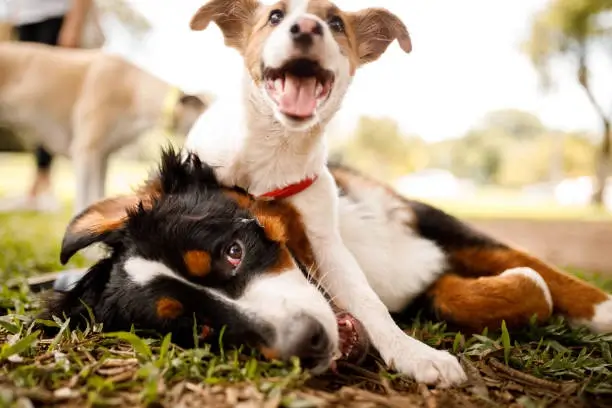
Not all dogs drink enough water naturally. Using strategies to motivate consistent hydration is a key part of a practical Hydration Schedule.
Fresh Water Availability
Change water frequently to ensure freshness. Dogs are more likely to drink clean water. Including fresh water checks in your Hydration Schedule promotes regular drinking habits.
Multiple Water Stations
Place water bowls in several locations, especially in large homes. Multiple access points are incorporated into your Hydration Schedule to encourage frequent sipping throughout the day.
Flavored or Supplemented Water
Occasionally adding safe flavorings, such as low-sodium broth, can encourage reluctant drinkers. Track these additions in your Hydration Schedule to observe effects on water intake.
Monitoring Water Intake Effectively
Keeping detailed records is vital for understanding your dog’s hydration patterns. A well-maintained Hydration Schedule provides valuable insights.
Daily Logs
Record the amount of water consumed at each time of day. Noting changes helps identify unusual trends, such as sudden increased or decreased intake. This is an essential component of your Hydration Schedule.
Tracking Patterns
Compare daily logs over weeks to detect subtle changes. An effective Hydration Schedule includes weekly reviews to identify long-term trends or potential health issues early.
Consulting Professionals
If water intake is consistently low or high, consult a veterinarian. Sharing your Hydration Schedule records aids in accurate assessments and interventions.
Special Considerations for Puppies and Senior Dogs
Hydration needs differ significantly between life stages. Adjusting your Hydration Schedule accordingly ensures all dogs remain healthy and hydrated.
Puppies
Young dogs are highly active and have smaller bladders, requiring frequent, monitored water breaks. Integrate frequent hydration reminders into your Hydration Schedule for puppies to prevent dehydration.
Senior Dogs
Older dogs may have medical conditions affecting thirst. A structured Hydration Schedule with regular check-ins ensures they maintain proper hydration without overtaxing kidneys or bladder.
Health Conditions
Certain illnesses, such as kidney disease or diabetes, alter water requirements. Tailor your Hydration Schedule to accommodate medical advice, and monitor closely for changes.
Maintaining Clean and Safe Water Sources
Ensuring your dog has access to safe water is a critical part of a reliable Hydration Schedule.
Regular Cleaning
Wash bowls daily to prevent bacterial buildup. Document bowl cleaning in your Hydration Schedule to maintain hygiene standards.
Appropriate Bowls
Use non-toxic, easy-to-clean materials like stainless steel or ceramic. Record equipment updates in your Hydration Schedule to track improvements in water consumption.
Water Filtration
Filtered or purified water can enhance taste and safety, especially in areas with questionable tap water. Including this in your Hydration Schedule ensures consistent access to high-quality hydration.
For a complete guide on structuring daily routines for your dog, check out Daily Dog Care Routines.
Hydration During Exercise and Play
Regular physical activity increases water needs. A thoughtful Hydration Schedule ensures your dog stays properly hydrated before, during, and after exercise, preventing fatigue and dehydration.
Pre-Exercise Hydration
Offer water 30 minutes before walks or play sessions. Adequate hydration before activity prepares your dog’s body for physical exertion. Recording this in your Hydration Schedule helps maintain consistency.
During Play
Provide short water breaks during vigorous play or training. Monitoring intake in your Hydration Schedule prevents overheating and maintains energy levels.
Post-Exercise Rehydration
After walks or active play, offer fresh water to replace fluids lost through panting or sweating. Incorporate post-activity checks into your Hydration Schedule to reinforce proper hydration habits.
Hydration for Special Environments
Environmental factors like heat, humidity, or travel affect water requirements. A smart Hydration Schedule accounts for changing conditions to ensure safety.
Hot Weather Precautions
Heat increases the risk of dehydration and heatstroke. Provide extra water during hot days, particularly for breeds prone to overheating. Include temperature-based adjustments in your Hydration Schedule.
Travel and Outdoor Activities
Dogs often drink less during trips or outdoor adventures. Carry portable water and offer regular sips. Document these practices in your Hydration Schedule for reference and consistency.
Humidity and Indoor Conditions
Indoor heating or air conditioning can reduce water intake. Track indoor environment impacts in your Hydration Schedule to identify necessary interventions.
Monitoring and Tracking Hydration Levels
Consistent tracking of water intake and urine output is essential for a comprehensive Hydration Schedule. This ensures early detection of potential health issues.
Measuring Intake
Use a measuring cup or marked water bowl to monitor daily consumption. Recording accurate amounts in your Hydration Schedule allows for pattern recognition over time.
Observing Urination
Monitor frequency, color, and volume of urine. Changes can indicate dehydration or underlying health problems. Include these observations in your Hydration Schedule for early intervention.
Using Apps and Tools
Digital tools can help track hydration more precisely. Mobile apps or smart bowls can integrate with your Hydration Schedule, providing detailed logs for review and discussion with your veterinarian.
For more information on dog hydration and monitoring tools, visit this authoritative guide on canine hydration.
Hydration for Puppies and Senior Dogs
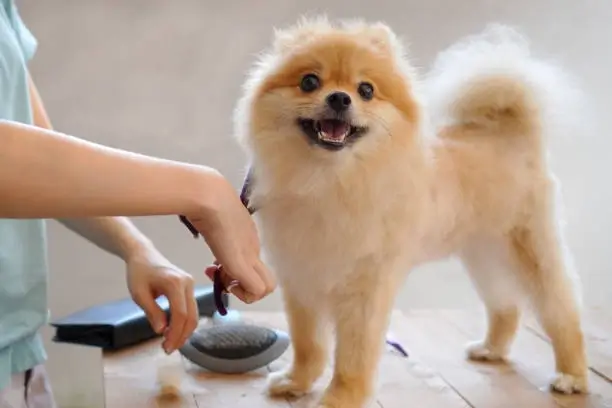
Life stage affects water requirements significantly. Adjusting your Hydration Schedule for young or older dogs ensures safe and effective hydration.
Puppies
Rapid growth and high activity increase water demands. Monitor intake closely and incorporate frequent water opportunities into your Hydration Schedule to support development and prevent dehydration.
Senior Dogs
Older dogs may experience reduced thirst or medical conditions affecting water balance. A structured Hydration Schedule helps manage their unique hydration needs, supporting kidney function and overall health.
Health Considerations
Dogs with illnesses such as diabetes, kidney disease, or urinary tract problems require special attention. Adapt your Hydration Schedule according to veterinary guidance to maintain safety and effectiveness.
Encouraging Drinking Behavior
Some dogs are reluctant to drink enough water. Implementing strategies to encourage regular hydration is crucial for maintaining a consistent Hydration Schedule.
Flavor and Temperature
Offer water at a preferred temperature or occasionally mix in low-sodium broth. Note effects on intake in your Hydration Schedule to refine your approach.
Accessibility
Place water bowls in multiple, easily reachable locations. Recording bowl placements in your Hydration Schedule ensures that dogs always have convenient access to hydration.
Positive Reinforcement
Praise or reward dogs when they drink sufficiently. Tracking rewards in your Hydration Schedule can reinforce positive habits and increase overall water consumption.
Troubleshooting Hydration Issues
Monitoring your Hydration Schedule can help detect and resolve problems early, preventing serious health concerns.
Signs of Inadequate Hydration
Symptoms like dry gums, sunken eyes, and lethargy signal low water intake. Recording these in your Hydration Schedule enables timely action.
Adjusting Intake
Increase water offerings gradually, particularly if your dog is ill or recovering from exertion. Document adjustments in your Hydration Schedule to maintain a reference for future care.
Consulting a Veterinarian
Persistent changes in drinking behavior or signs of dehydration require professional evaluation. Sharing your detailed Hydration Schedule records with your veterinarian facilitates accurate diagnosis and treatment.
Hydration and Meal Coordination
Proper hydration is closely linked to meal timing. A well-structured water intake plan ensures your dog stays hydrated throughout the day while complementing feeding routines.
Aligning Water with Meals
Offer fresh water shortly before and after meals to aid digestion. Incorporating this into your hydration routine supports optimal nutrient absorption and reduces the risk of gastrointestinal issues.
Portion and Timing Considerations
Adjust water availability depending on meal portions. Small, frequent meals may require more frequent hydration checks, while larger meals may require a short waiting period to prevent gulping. Document these details in your drinking schedule for consistency.
Monitoring Post-Meal Hydration
Observe whether your dog drinks adequately after meals. Insufficient intake can signal reluctance or health concerns. Include these observations in your fluid intake plan to ensure proper hydration patterns are maintained.
Hydration for Dogs with Health Conditions
Dogs with medical concerns require special attention to water intake. A carefully managed water intake plan helps mitigate risks associated with illnesses or medications.
Kidney and Urinary Health
Dogs with kidney issues or urinary tract infections need controlled water intake. Adjust your hydration routine according to veterinary recommendations to prevent complications.
Diabetes and Endocrine Disorders
Increased thirst may indicate diabetes or other endocrine conditions. Recording these changes in your drinking schedule ensures early detection and facilitates prompt veterinary care.
Recovery and Post-Surgery Hydration
Dogs recovering from surgery or illness require monitored hydration. Use your fluid intake plan to track fluid intake, ensuring consistent recovery support.
Hydration During Travel and Outdoor Activities
Travel, hiking, or long car rides can disrupt normal water consumption. Maintaining a water intake plan during these times ensures safety and comfort.
Planning Water Breaks
Identify safe and convenient water stops during outings. Integrate these into your hydration routine to prevent dehydration during long trips.
Portable Water Solutions
Use collapsible bowls, bottles, or pet fountains. Document usage and accessibility in your drinking schedule to maintain hydration even in unfamiliar environments.
Monitoring Environmental Effects
Hot weather, humidity, and high altitudes increase water demands. Record environmental conditions in your fluid intake plan to adjust intake accordingly.
Behavioral and Habitual Hydration
Understanding your dog’s drinking habits supports a consistent water intake plan. Behavior-focused strategies encourage regular water consumption.
Recognizing Drinking Preferences
Some dogs prefer running water or specific bowls. Note preferences in your hydration routine to increase intake reliability.
Encouraging Consistency
Use cues or routines to remind your dog to drink. Include these behavioral cues in your drinking schedule to reinforce habitual drinking.
Observing Social Influences
Dogs may drink more when others are present or less when stressed. Monitor social and emotional factors in your fluid intake plan to optimize hydration patterns.
Troubleshooting Common Hydration Challenges

Regular review of your water intake plan allows proactive management of common issues related to water consumption.
Detecting Reluctance to Drink
Signs such as avoiding the water bowl or licking surfaces may indicate reluctance. Include these observations in your hydration routine to identify underlying causes.
Adjusting Temperature and Flavor
Offering cooler water or adding low-sodium broth can encourage drinking. Record responses in your drinking schedule to refine strategies over time.
Managing Overhydration
Excessive drinking can indicate medical concerns such as kidney disease or diabetes. Document patterns in your fluid intake plan and consult a veterinarian if abnormalities persist.
Creating a Daily Hydration Checklist
-
☐
Refill water bowls -
☐
Ensure clean water -
☐
Note pre-meal intake
-
☐
Monitor drinking during walks or play -
☐
Refill bowls as needed -
☐
Record any changes in behavior
-
☐
Observe post-dinner drinking -
☐
Ensure sufficient water overnight -
☐
Document total daily intake in your hydration routine
FAQ About Dog Hydration
Q1: How much water should my dog drink daily?
Water needs vary by size, activity, and environment. Use your drinking schedule to track and adjust intake accordingly.
Q2: What if my dog refuses to drink?
Encourage drinking by offering cooler water, adding low-sodium broth, or providing multiple water sources. Document the response in your fluid intake plan.
Q3: Can I leave water out all day?
Yes, but monitor intake to ensure your dog drinks enough without overhydrating. Recording observations helps fine-tune your water intake plan.
Q4: How do I know if my dog is dehydrated?
Symptoms include dry gums, lethargy, sunken eyes, or decreased urination. Record and act on these signs within your hydration routine.
Find More Dog Care Guides
Continue exploring practical guides related to this topic.