
Quick Summary : Hydration Tips for dogs focus on maintaining Homeostatic Balance through consistent fluid intake. A professional protocol requires 0.5 to 1.0 ounce of water per pound of body weight daily, adjusted for Panting-induced Fluid Loss and environmental stressors. Maintaining Electrolyte Equilibrium is critical to supporting Glomerular Filtration and preventing systemic Cellular Dehydration.
Hydration is the primary fuel for every Metabolic Pathway in the canine system. Hydration Tips go far beyond “filling a bowl”; it is a clinical process of ensuring Cellular Osmosis and Thermoregulation. At PetCareCompass, we treat water intake as a Vital Sign. This guide provides a vet-informed Hydration Framework to stabilize your dog’s Integumentary Resilience and renal health through structured fluid management.
The Maya Mai Perspective
Canine Health Architect
“At PetCareCompass, I don’t just advise you to give your dog water; I teach you to manage their Fluid Balance. My rule: Water is not a beverage; it is Renal Data. When you master the Hydration Rate, you are directly extending the lifespan of your dog’s filtration system. We engineer the intake to ensure Biological Homeostasis.”
Maintaining the movement of water across cell membranes to ensure Nutrient Absorption and waste removal.
Supporting the Glomerular Filtration Rate (GFR) to protect kidney function and systemic detox pathways.
Clinical Risk Mitigation: The Dangers of Systemic Dehydration
In the PetCareCompass framework, hydration is treated as a Critical Systemic Lubricant. Fluid deficit, or dehydration, triggers a cascade of Metabolic Failures, beginning with Hemoconcentration (thickening of the blood) and ending in acute renal stress. Maintaining an optimal Hydration Rate is the primary defense against Thermoregulatory Collapse and chronic organ dysfunction.
| Hydration Status | Clinical Indicators | Immediate Risk |
|---|---|---|
| Optimal Hydration | Moist Mucosal Membranes; Quick Skin Turgor | None; Stabilized GFR |
| Mild Dehydration | Sticky/Dry Gums; Darker Urine Specific Gravity | Lethargy & Reduced Cognitive Alertness |
| Severe Dehydration | Sunken Orbits; Loss of Skin Elasticity (Tent) | Kidney Damage; Hypovolemic Shock |
1. Renal Filtration Integrity
Adequate fluid intake is the cornerstone of Glomerular Filtration. Chronic dehydration increases the concentration of metabolic toxins, forcing the kidneys to work under extreme Oxidative Stress, which can lead to irreversible renal scarring over time.
2. Joint & Synovial Lubrication
Hydration directly impacts the viscosity of Synovial Fluid. High water retention ensures that joints remain lubricated, effectively reducing friction-induced inflammation and long-term Degenerative Joint Disease in active or senior dogs.
3. Thermoregulatory Maintenance
Through Evaporative Cooling (panting), dogs dissipate core heat. Dehydration compromises this mechanism, skyrocketing the risk of Heat Stroke as the body loses its primary vehicle for heat exchange and Fluid Homeostasis.
Diagnostic Monitoring: Identifying Fluid Deficit Early
Recognizing the early markers of Fluid Deficit is a vital skill for any owner. At PetCareCompass, we train handlers to perform Physical Diagnostic Audits at home. By monitoring mucosal moisture and skin elasticity, you can identify Sub-clinical Dehydration before it manifests into systemic lethargy or organ failure.
1. Mucosal Membrane Audit
Healthy gums should be slick and moist. Sticky or Tacky Gums are a primary red flag for Systemic Dehydration, indicating that the body is diverting moisture to maintain core circulation at the expense of non-critical tissues.
2. The Skin Turgor Test (Skin Tent)
Gently pinch the skin between the shoulder blades and release. In a hydrated dog, it should snap back instantly. A Delayed Skin Tent response is a clear indicator of Epidermal Desiccation and lost interstitial fluid.
3. Ocular and Renal Markers
Sunken Eyes and dark, concentrated urine (High Specific Gravity) signal that the body is in Water Conservation Mode. These markers often accompany lethargy and reduced appetite as metabolic waste begins to accumulate.
The Maya Mai Perspective
Canine Health Architect
“At PetCareCompass, I categorize hydration as Integumentary Resilience. My rule for Hydration Tips: Don’t wait for your dog to be thirsty; check their gums. Thirst is a Lagging Indicator—by the time they’re begging for water, their cells are already in a deficit. We train for Proactive Saturation to ensure the system never hits the ‘red zone’.”
Volumetric Calibration: Precision Hydration by Biomass
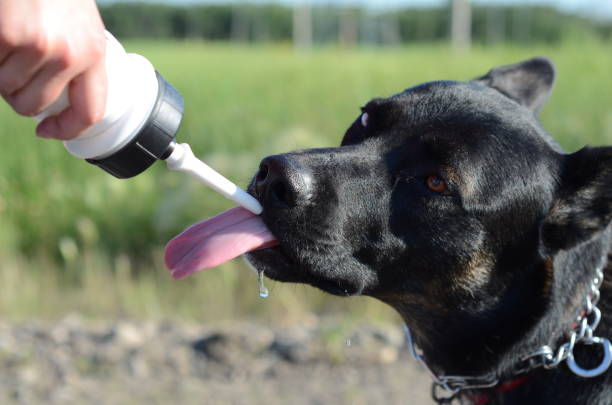
In the PetCareCompass Hydration Tips protocol, water requirement is not a static figure but a Dynamic Metabolic Variable. Every canine possesses a unique Basal Fluid Requirement dictated by their Lean Body Mass and developmental stage. Precise calibration ensures that the Intracellular Fluid Volume remains stable, preventing Metabolic Drift and supporting systemic homeostasis.
| Canine Life Stage | Basal Requirement | Hydration Objective |
|---|---|---|
| Puppies (Growth Phase) | ~1.0 oz / lb of Body Weight | High-Turnover Metabolic Support |
| Adults (Maintenance) | 0.5 – 1.0 oz / lb of Body Weight | Homeostatic Stabilization |
| Large Breeds (Giant) | Calibrated for Mass & GFR | Sustaining Massive Metabolic Load |
1. Developmental Hydration Intensity
Puppies possess a higher Total Body Water (TBW) percentage compared to adults. Due to rapid tissue synthesis and intense Neurological Growth, their fluid turnover is aggressive. Maintaining a strict 1 oz/lb ratio ensures that Cellular Proliferation occurs without the inhibitory effects of sub-clinical dehydration.
2. Adult Homeostatic Balancing
For adult dogs, the baseline varies between 0.5 to 1.0 oz/lb, heavily influenced by Dietary Moisture Content (Kibble vs. Wet Food). High-protein diets increase the Nitrogenous Waste Load, requiring higher fluid throughput to maintain optimal Renal Efficiency and detoxification through the Glomerular System.
Kinetic & Environmental Load: Adjusting for Fluid Deficit
Linear calculations fail when exposed to Environmental Kinetic Load. High-activity dogs and those in arid climates experience accelerated Evaporative Water Loss. These Hydration Tips emphasize the need for real-time adjustment based on Activity Duration and thermal stress to prevent Hyperthermic Collapse.
1. Kinetic Fluid Displacement
Exercise triggers Panting-induced Fluid Loss, the primary mechanism for heat dissipation. During vigorous activity (hiking, running), fluid intake must increase by 25-50% per hour of exertion. Implementing Intermittent Hydration Breaks every 20 minutes ensures that Electrolyte Equilibrium is maintained throughout the activity cycle.
2. Thermal Desiccation Defense
Arid climates or extreme summer temperatures accelerate Transepidermal Water Loss (TEWL). Monitoring Urinary Output Specific Gravity (color and frequency) becomes a vital diagnostic tool. Dark, concentrated urine signals a Critical Fluid Deficit, requiring immediate oral rehydration to protect Renal Integrity from thermal injury.
The Maya Mai Perspective
Canine Health Architect
“At PetCareCompass, I categorize water as Metabolic Infrastructure. My rule for Volumetric Calibration: Don’t just count the ounces; count the Context. A dog on dry kibble in a heated apartment needs a completely different Hydration Roadmap than a raw-fed dog in a humid forest. We calibrate the volume to match the Biological Demand of the environment.”
Sourcing Governance: Optimizing Water Purity and Palatability
In the PetCareCompass Hydration Tips architecture, water quality is treated as a Palatability Variable. Canines possess a sophisticated Olfactory System that can detect trace chemicals in municipal water supplies. By optimizing the purity and kinetic state of the water source, handlers can significantly increase Spontaneous Hydration and ensure systemic fluid stability.
| Water Source | Filtration Benefit | Hydration Impact |
|---|---|---|
| Filtered/Purified | Removal of Chlorine & Heavy Metals | High Palatability; Neutral Odor |
| Automatic Fountains | Continuous Carbon Filtration | Increased Oxygenation; Kinetic Appeal |
| Nutrient-Infused (Broth) | Sodium-Free Enrichment | Maximum Behavioral Incentive |
1. Kinetic Appeal: The Fountain Protocol
Many dogs possess an instinctual preference for Kinetic Water (moving water) as it signals freshness and high oxygenation. Automatic fountains act as Hydration Catalysts, providing continuous filtration and cooling. This setup mitigates Bacterial Stagnation often found in traditional bowls, ensuring the water remains at an optimal Therapeutic Temperature for intake.
2. Sensory Modulation and Flavor Buffing
For reluctant drinkers, Sensory Buffing can override Hydration Aversion. Utilizing unsalted, Nitrogen-Rich Broths or ice-cube lures provides Dopaminergic Incentives to drink. However, avoid additives with artificial sweeteners (like Xylitol) or high sodium content, as these can trigger Osmotic Imbalance and worsen systemic fluid deficit.
Behavioral Engineering: Architecting Drinking Habits
To ensure Longitudinal Compliance, hydration must be engineered into the dog’s Operational Daily Cycle. By strategically placing Hydration Stations and linking water intake to specific Environmental Cues, handlers can transform fluid consumption from a sporadic event into a consistent biological habit.
1. Spatial Station Deployment
Deploy Hydration Stations in multiple high-traffic zones. Reducing the Kinetic Effort required for the dog to access water ensures higher frequency of micro-dosing throughout the day, maintaining a stable Plasma Volume.
2. Procedural Integration
Link water breaks to Post-Kinetic Windows (after walks) and meal cycles. This Habit Stacking ensures the dog is saturated before and after periods of peak Metabolic Demand, supporting gastric motility and nutrient transport.
3. Data-Driven Monitoring
Maintain a Hydration Log by observing daily bowl depletion and Urinary Output. Tracking Urine Specific Gravity (visual color checks) provides an immediate Diagnostic Feedback Loop for the handler to adjust intake strategies.
The Maya Mai Perspective
Canine Health Architect
“At PetCareCompass, I view every water bowl as a Biometric Input. My rule for Hydration Tips: If you wouldn’t drink the water, don’t expect your dog’s Olfactory Sensors to accept it. We engineer the Palatability Curve and the Spatial Accessibility to ensure that hydration is never an obstacle, but a seamless part of their Biological Workflow.”
Behavioral Incentives: Engineering Voluntary Fluid Intake
In the PetCareCompass Hydration Tips framework, reluctant drinking is treated as a Behavioral Friction Point. To achieve Spontaneous Hydration, handlers must utilize Environmental Catalysts and Palatability Buffing. By aligning the water’s kinetic state and flavor profile with the dog’s instinctual preferences, we can effectively increase Plasma Volume and stabilize systemic health.
| Incentive Type | Mechanism of Action | Hydration Benefit |
|---|---|---|
| Kinetic Flow (Fountains) | Visual/Auditory Attraction & Oxygenation | Higher frequency of micro-dosing |
| Dietary Moisture Loading | Metabolic Integration via Wet Food/Broth | Improved Gastric Motility & Osmosis |
| Thermal Lures (Ice) | Sensory Enrichment & Thermoregulation | Hydration through recreational mastication |
1. Kinetic Stimulation: The Hydro-Fountain Protocol
Dogs are biologically hardwired to prefer Moving Water, as it signifies oxygenation and microbiological safety. Utilizing Interactive Fountains provides an auditory and visual cue that triggers the drinking response. These stations also maintain Therapeutic Water Temperatures and utilize carbon filtration to remove chlorine, significantly increasing the water’s Olfactory Appeal.
2. Metabolic Hydration via Nutrient-Rich Liquids
Integrating moisture directly into Metabolic Cycles is a highly effective way to bypass drinking pickiness. Transitioning to High-Moisture Wet Diets or adding unsalted, Nitrogenous Broths to dry kibble ensures hydration occurs during nutrient transport. For active dogs, Ice-Cube Lures provide thermal relief while contributing to the daily Fluid Balance through play.
The Maya Mai Perspective
Canine Health Architect
“At PetCareCompass, I view reluctance to drink as a Systemic Signal. My rule: If the dog isn’t drinking, we change the Delivery Mechanism. We don’t just ‘hope’ they drink; we engineer the Palatability Curve. By utilizing Kinetic Water and Metabolic Moisture Loading, we ensure the system remains saturated regardless of the dog’s individual preferences.”
Mobile Saturation: Tactical Hydration During Physical Exertion
In the PetCareCompass Hydration Tips protocol, exercise is categorized as a High-Turnover Metabolic State. Physical exertion accelerates Evaporative Cooling through the respiratory tract, leading to rapid Plasma Volume Depletion. To maintain Cardiovascular Stability and muscle performance, handlers must transition from passive access to active Mobile Saturation strategies.
1. Kinetic Instrumentation Calibration
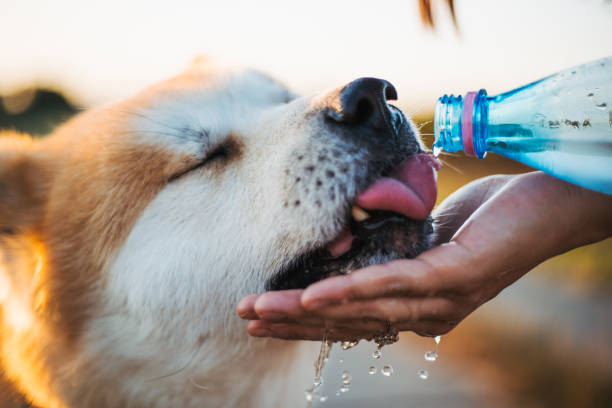
Optimizing fluid delivery in mobile environments requires specialized Instrumentation. Collapsible Silicone Bowls minimize weight while Integrated Dispenser Bottles ensure 100% water purity by preventing contact with Environmental Pathogens in public water sources. These tools facilitate Intermittent micro-dosing, which is superior to large, infrequent intakes that can trigger gastric discomfort.
2. Chronometric Hydration Intervals
Reliable Homeostatic Balance during hiking or running depends on Chronometric Intervals. We mandate Hydration Breaks every 20–30 minutes, regardless of the dog’s perceived thirst. This proactive approach prevents the Dehydration Lag—where the dog’s internal systems begin to fail before behavioral thirst signals are fully manifested.
Thermal Load Management: Preventing Hyperthermic Collapse
Physical activity in high-ambient temperatures creates a significant Thermal Load on the canine system. Since dogs lack Dermal Sweat Glands for efficient cooling, they rely almost exclusively on Panting-induced Fluid Exchange. Managing this Evaporative Load is the definitive factor in preventing Hyperthermic Collapse (Heat Stroke) and acute renal stress.
1. Strategic Thermal Recovery
Hydration breaks must occur in Sensory-Neutral Shade to maximize the Thermodynamic Exchange. Rest areas allow the core temperature to stabilize, ensuring that the water consumed contributes to Cellular Rehydration rather than being immediately lost to aggressive compensatory panting.
2. Kinetic Failure Indicators
Observe for Kinetic Failure markers: excessive hypersalivation (thick drool), Ataxic Gait (unsteadiness), or prolonged Capillary Refill Time in the gums. These are indicators of critical Fluid Deficit and Neurological Heat Stress, requiring immediate cessation of activity and intensive cooling protocols.
3. Post-Activity Re-Saturation
The Recovery Window after exercise is vital for flushing Nitrogenous Metabolic Waste. Ensuring high-volume fluid availability for 60 minutes post-exertion supports Glomerular Filtration Efficiency, preventing the renal scarring associated with recurring mild dehydration during training cycles.
The Maya Mai Perspective
Canine Health Architect
“At PetCareCompass, I categorize exercise as a Fluid Challenge. My rule for Outdoor Hydration: If your dog is ataxic or drooling thick mucus, you’ve already missed the window. We engineer Chronometric Breaks to ensure the body never has to choose between Thermoregulation and Renal Health. Proper hydration is the silent fuel for the active bond.”
Adaptive Saturation: Life Stage and Clinical Fluid Requirements
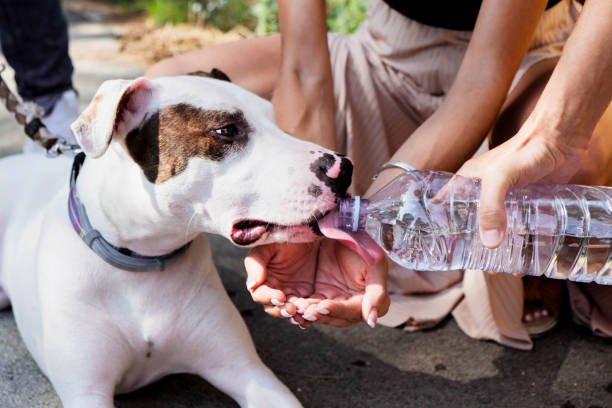
In the PetCareCompass Hydration Tips framework, water requirement is an Adaptive Variable. Biological needs shift drastically between the high-turnover growth phase of puppies and the reduced Thirst Drive of senior dogs. When systemic health is compromised by illness or medication, fluid management transitions from a routine task to a Critical Clinical Intervention.
| Vulnerable Profile | Primary Physiological Challenge | Strategic Intervention |
|---|---|---|
| Puppies & High-Energy | Rapid Metabolic Turnover; Small Reserves | High-Frequency Micro-Dosing; Moisture-Rich Diets |
| Seniors (Aging Matrix) | Reduced Hypothalamic Thirst Signals | Spatial Station Redundancy; Kinetic Fountains |
| Clinical/Sick Dogs | Electrolyte Imbalance; Medication-Induced Thirst | Diagnostic Monitoring; Structured Fluid Loading |
1. Developmental Hydration Intensity
Due to their high Metabolic Rate and limited physical fluid reserves, puppies require a High-Frequency Saturation Protocol. Utilizing moisture-rich Lipid Precursors (like broth) alongside fresh water ensures that Cellular Proliferation is never bottlenecked by fluid deficit. For high-performance sport dogs, this proactive loading prevents Neurological Fatigue during intense kinetic sessions.
2. Managing the Aging Physiological Matrix
In senior dogs, Renal Efficiency often declines, while the neurological drive to drink (thirst) may weaken. We implement Spatial Station Redundancy—placing water sources in every primary rest area—to minimize the kinetic effort required for intake. Monitoring for Urinary Specific Gravity through vet check-ups is essential to distinguish between natural aging and sub-clinical kidney disease.
Clinical Governance: Hydration During Recovery and Travel
Managing fluid balance during Pharmacological Intervention or illness requires Precision Monitoring. Medications can induce Polyipsia (excessive thirst) or alter Electrolyte Equilibrium, making it vital to adjust Hydration Tips based on clinical feedback and specific environmental stressors like long-distance travel.
1. Pharmacological Fluid Management
When a dog is on medication, the Hepatic and Renal Workload increases. Offer water in small, controlled Chronometric Intervals to maintain consistent Plasma Volume. This prevents Osmotic Shock and supports the body’s ability to metabolize and flush pharmaceutical compounds efficiently.
2. Environmental Resilience Architecture
Travel introduces Environmental Kinetic Loads and stress-induced Inhibitory Drinking Behavior. Use portable instrumentation and ice-cube lures to maintain interest. Cleaning bowls daily with Antimicrobial Protocols is mandatory to prevent biofilm buildup, which can cause Gastrointestinal Distress and worsen hydration status.
3. Predictive Behavioral Reinforcement
Integrate drinking cues into the Operational Daily Cycle. Offer water before meals and post-exercise as part of Habit Stacking. Reinforcing these habits with praise ensures the dog remains Proactively Saturated, reducing the risk of Sub-clinical Dehydration during high-stress transitions.
The Maya Mai Perspective
Canine Health Architect
“At PetCareCompass, I categorize age and illness as Risk Variables. My rule: We don’t ‘offer’ water; we Engineer Accessibility. For a senior dog, walking to the other side of the house for a drink is a Metabolic Tax. By removing these friction points and monitoring the Specific Gravity of their habits, you ensure the bond stays hydrated through every season of life.”
Longitudinal Auditing: Monitoring Systemic Fluid Flux
Within the PetCareCompass Hydration Tips framework, long-term health is predicated on Longitudinal Auditing. Minor fluctuations in water intake are not merely behavioral quirks; they are Physiological Proxies for kidney function and metabolic health. By tracking the Daily Fluid Flux, handlers can detect Sub-clinical Desiccation before it manifests as systemic renal stress.

| Monitoring Variable | Subtle Warning Signal | Corrective Calibration |
|---|---|---|
| Volumetric Intake | Gradual decline in daily ounces consumed | Incentivize via flavor buffing or fountains |
| Urine Specific Gravity | Persistent dark yellow/amber coloration | Immediate fluid loading; verify kidney status |
| Mucosal Hydration | Sticky or tacky oral tissue membranes | Increase humidity; deploy spatial stations |
1. Volumetric Consumption Tracking
Precision Hydration Tips require measurable data. Utilize Volumetric Tracking by noting the exact ounces consumed per 24-hour cycle. Identifying trends through digital logs or a Hydration Dashboard allows you to pinpoint Intake Latency during specific times of the day, enabling you to adjust the schedule for Peak Metabolic Demand.
2. Spatial Station Redundancy
To minimize Kinetic Friction, deploy Hydration Station Redundancy throughout the home. Ensure that clean, pH-Balanced Water is accessible in every primary rest zone. Rotating station locations occasionally acts as a Behavioral Catalyst, re-triggering the dog’s interest and ensuring the Fluid Homeostasis is maintained through spontaneous sips.
The Maya Mai Perspective
Canine Health Architect
“At PetCareCompass, I categorize monitoring as Preventive Engineering. My rule for Long-Term Hydration: Don’t just watch the bowl; watch the Urine Output. Dark urine is a failure of the protocol. By maintaining Spatial Station Redundancy and tracking the Daily Fluid Flux, you ensure the system remains saturated and the kidneys remain unstressed for the long haul.”
Systemic Debugging: Mitigating Common Hydration Errors
In the PetCareCompass Hydration Tips protocol, failure often occurs at the intersection of environmental neglect and inconsistent monitoring. To achieve Homeostatic Excellence, handlers must identify and debug these Operational Errors. By removing friction points and maintaining water purity, you protect the Glomerular Filtration Rate and ensure systemic fluid stability.
| Operational Error | Biological Impact | Corrective Protocol |
|---|---|---|
| Biofilm Accumulation | Gastrointestinal Distress & Bacterial Loading | Sanitize bowls daily; utilize carbon filtration |
| Fixed-Location Bowls | Kinetic Effort Barriers; Intake Latency | Deploy Spatial Redundancy in high-traffic zones |
| Static-Environment Monitoring | Generalization Failure in high-stress outdoor settings | Implement Chronometric Hydration Breaks (20-min intervals) |
The Daily Saturation Roadmap: A Bio-Monitoring Protocol
Clinical Troubleshooting: How-To Hydration Protocols
1. How to encourage a picky dog to drink more water?
To bypass Hydration Aversion, implement Palatability Buffing. Add a teaspoon of unsalted, low-sodium chicken broth to the water or utilize an Automatic Kinetic Fountain. Dogs are biologically attracted to moving water, which signals higher oxygenation and safety compared to stagnant bowls.
2. How to rehydrate a dog after vigorous exercise?
Avoid Hyper-Hydration (chugging) as it can lead to gastric bloat. Instead, offer small, Chronometric Micro-doses (2-4 ounces) every 15 minutes. This ensures Systemic Saturation without overwhelming the digestive tract, allowing for steady Electrolyte Equilibrium restoration.
3. How to manage hydration for senior dogs with limited mobility?
Employ Spatial Redundancy. Place water stations in every room where the dog rests to minimize the Kinetic Effort required for intake. For dogs with declining Hypothalamic Thirst Signals, integrate Dietary Moisture Loading by soaking kibble in warm water or broth.
4. How to test if your dog is sub-clinically dehydrated at home?
Perform a Skin Turgor Audit: Gently lift the skin between the shoulder blades; it should snap back instantly. Additionally, check the Mucosal Membrane Moisture. If the gums feel tacky or sticky rather than slick and wet, the dog is experiencing a Fluid Deficit.
5. How to maintain hydration safety during long-distance travel?
Use Instrumentation Calibration. Bring a portable Silicon Dispenser and use only bottled or filtered water to avoid Environmental Pathogens. Offer water during every scheduled stop, and use ice cubes as Thermal Lures to maintain interest during high-stress transitions.
6. How to identify if a dog is drinking too much water (Polyipsia)?
Monitor for Abnormal Consumption Spikes exceeding 1.5 oz per pound of body weight without a kinetic or thermal trigger. Psychogenic Polydipsia or secondary clinical issues like diabetes can cause this. Track Urinary Frequency and consult a veterinarian if the behavior persists under baseline conditions.
Systemic Integration: The Daily Care Ecosystem
Mastering these Hydration Tips is only one component of a high-performance health strategy. To achieve Longitudinal Vitality, fluid management must be seamlessly integrated into a broader Behavioral Framework. A structured schedule ensures that hydration, nutrition, and exercise work in Biological Synchrony, preventing metabolic spikes and maintaining a stable Homeostatic Baseline for your dog.
The Maya Mai Hydration Manifesto
“At PetCareCompass, we teach that Water is the Currency of the Bond. My final rule for Hydration Tips: Never measure your care by the size of the bowl, but by the Consistency of the Saturation. We are Architects of Vitality, and by mastering the Fluid Dynamics of your dog’s daily life, you are securing their Homeostatic Future.”
Find More Dog Care Guides
Continue exploring practical guides related to this topic.