
Adequate rest is the biological foundation of a well-behaved dog. A structured Puppy Nap Schedule does more than manage energy—naps are essential for memory consolidation, immune function, and neurological growth during the most critical months of a dog’s life.
This guide provides a professional framework for creating a nap routine that prevents “over-tired” behavior and supports your puppy’s transition into a confident, calm adult dog.
The Biology of Puppy Sleep
Unlike adult dogs, puppies have an underdeveloped nervous system. They require professional-level sleep management to process the constant stream of new information from their environment.
8 – 12 Weeks Old
Duration: 18 – 20 hours.
At this stage, puppies are “growth machines.” Most of their physical development happens during deep sleep cycles.
3 – 6 Months Old
Duration: 15 – 18 hours.
As they become more active, naps should be strategically placed after training sessions to aid learning.
The Role of REM Sleep in Development
Rapid Eye Movement (REM) sleep is where the “magic” happens. During these phases, a puppy’s brain processes socialization experiences. A consistent Puppy Nap Schedule ensures these cycles aren’t interrupted, leading to a more emotionally stable and trainable pet.
⚠️ The “Overtired Puppy” Syndrome
Many owners mistake hyperactivity for energy. In reality, a puppy that is biting excessively, barking, or doing “zoomies” is often sleep-deprived. If your puppy is “acting out,” they likely need an Enforced Nap rather than more playtime.
- Irritability and “land shark” biting behavior.
- Inability to settle down despite being tired.
- Loss of focus during simple training commands.
Engineering the Perfect Nap Environment
A successful puppy nap routine depends on the “Grooming” of their environment. Since puppies are easily stimulated, their sleep zone should be a “sensory neutral” space.
🔇 Sound Management: Use white noise or a quiet corner to drown out household traffic.
🌑 Light Control: A crate cover or dim room mimics a den, triggering natural sleep hormones.
🌡️ Comfort: Safe bedding that doesn’t hold excessive heat (puppies can’t regulate temperature well).
The Synergy: Aligning Sleep, Meals, and Play
A Puppy Nap Schedule doesn’t exist in a vacuum. To be effective, it must be synchronized with your puppy’s biological clock—specifically their digestive and energy cycles. This synchronization is the secret to fast-tracking house-training.
🌙 Pre-Nap Wind-Down
Shift from high-energy play to “calm work” (like a snuffle mat or gentle petting) 15 minutes before nap time. This lowers cortisol and prepares the brain for rest.
🥗 Post-Nap Protocol
The Potty First Rule: Immediately after waking, take your puppy to their potty spot. Following this with a meal helps regulate their metabolism and prevents indoor accidents.
Data-Driven Grooming of the Schedule
Puppies develop at an astonishing rate. A schedule that worked at 8 weeks will likely fail at 16 weeks. Professional owners use a “Nap Log” to stay ahead of these developmental shifts.
Why Maintain a Nap Log?
- Identify Energy Peaks: Notice when your puppy is naturally most active to schedule training sessions.
- Detect Health Shifts: Sudden restlessness or lethargy during scheduled naps can be an early indicator of growth spurts or medical issues.
- Breed Customization: High-drive breeds (like Border Collies) may need more mental stimulation before they can settle into their Puppy Nap Schedule.
Integrating Nighttime Sleep
Daytime naps and nighttime sleep are two sides of the same coin. A well-managed daytime schedule actually improves nighttime duration by preventing the puppy from becoming “overtired,” which triggers stress hormones like adrenaline.
Expert Nighttime Tips:
- Limit Water: Remove water bowls 1-2 hours before the final bedtime to minimize middle-of-the-night wake-ups.
- Boring Potty Breaks: If they wake up at 3 AM, keep the interaction “business-only.” No play, no lights, no excitement.
- Circadian Stability: Wake your puppy up at the same time every morning to reset their internal clock.
Fostering Independence: Solo Naps & Confidence
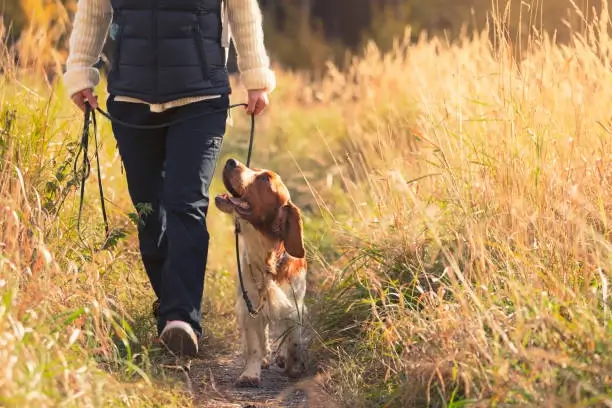
Teaching your puppy to sleep without constant human contact is the most effective way to prevent Separation Anxiety. A successful Puppy Nap Schedule treats solo rest as a trained skill, not just a biological necessity.
Crate Training as a “Safety Anchor”
Utilizing a crate during scheduled naps leverages a dog’s natural Den Instinct. It provides a secure, low-stimulation environment where the brain can fully disengage. Key Tip: Never use the crate as punishment; it must remain a positive sanctuary in their Puppy Nap Schedule.
- Gradual Desensitization: Start with the crate door open during naps, then gradually close it for increasing durations.
- The “Quiet Exit”: Leave the room while they are drowsy but still awake to build “alone-time confidence.”
Monitoring Nap Quality: Science vs. Stress
In a professional Puppy Nap Schedule, duration is only half the battle—quality is what drives development. Distinguishing between a “dreaming puppy” and a “stressed puppy” is vital for accurate monitoring.
Normal Dream Behavior
Twitching paws, soft whimpering, and rapid eye movement are signs of healthy REM sleep. This is when the brain processes training and socialization data. Do not wake them during this phase!
Signs of Poor Sleep Quality
Frequent waking, excessive panting (when not hot), or a high-pitched, frantic whine indicates environmental stress or discomfort. Re-evaluate your Puppy Nap Schedule environment for noise or light triggers.
🔍 The Overtiredness Audit
If your puppy displays these behaviors, they aren’t “naughty”—they are likely hitting a sleep deficit:
- Uncontrollable “Zoomies”
- Hard, nipping bites
- Inability to follow simple cues
- Excessive barking at nothing
Ready to master the rest of their day?
Engineering the “Zen Zone”: A Calm Nap Environment
The success of your Puppy Nap Schedule is 70% environment. Puppies are biological “receivers” that pick up on every household vibration. To ensure deep REM cycles, you must curate a space that signals the brain to disengage.
🔇 Auditory Management
Use white noise machines or dedicated “calm dog” playlists. This masks sudden household noises (doorbells, kitchen clatter) that trigger a puppy’s startle reflex.
🌡️ Thermal Comfort
Puppies cannot regulate body temperature well. Ensure bedding is breathable. If they are panting or sprawled on tile, the nap environment is too warm for quality rest.
Fueling the Rest: Integrating Feeding with Nap Times
Digestion requires significant metabolic energy. Aligning your Puppy Nap Schedule with meal times prevents gastrointestinal stress and optimizes nutrient absorption for growth.
The “Post-Meal Rest” Rule
Expert breeders recommend a 30-60 minute quiet period after eating. Vigorous play immediately after a meal can lead to minor digestive upset or, in larger breeds, the risk of Gastric Torsion (Bloat). Your schedule should always mandate a “digestive nap” following breakfast and dinner.
Behavioral Bio-Hacking: Naps as a Training Tool
Think of a nap as a “System Reboot.” Without it, the puppy’s brain becomes “fried,” leading to poor impulse control and what we call the Toddler Meltdown phase.
Strategic Training Windows:
- The “Post-Nap Peak”: Schedule complex training (new commands) 15-20 minutes after they wake up. Their focus is at its highest after a fresh rest cycle.
- The “Pre-Nap Calm”: Use the final minutes before a scheduled nap for low-intensity “scent work.” This burns mental energy and helps them settle into the Puppy Nap Schedule faster.
Pro Insight: If your puppy is constantly failing training cues, they don’t need more practice—they likely need more sleep.
The Bridge to Nighttime: Establishing Circadian Stability
A successful Puppy Nap Schedule is a 24-hour cycle. How your puppy naps during the day directly dictates how they sleep at night. By stabilizing their internal clock, you reduce nighttime anxiety and “midnight zoomies.”
The “Boring” Nighttime Protocol
If your puppy wakes up at 2 AM for a potty break, it is crucial to keep the interaction strictly transactional. This maintains the integrity of the Puppy Nap Schedule by teaching them that nighttime is for utility, not entertainment.
- Low Light: Use a dim flashlight; do not turn on bright overhead lights.
- Minimal Talk: Use a whisper or no verbal interaction at all.
- No Play: Once they finish their business, they go straight back to the crate or bed.
The Growth Pivot: Tracking & Adjusting
Puppies age “faster” than our schedules can sometimes keep up with. A rigid Puppy Nap Schedule must be treated as a living document, evolving alongside their physical and mental milestones.
📊 The Feedback Loop
Log your puppy’s “Crump Time” (the moment they naturally fall asleep). If they consistently crash 15 minutes before your scheduled nap, your puppy nap routine needs to be shifted earlier to prevent the cortisol spike of exhaustion.
🐾 Developmental Shifts
As your puppy hits the 4-month and 6-month marks, their stamina increases. You will notice “Nap Resistance.” This is your signal to increase mental stimulation (puzzles/training) rather than simply cutting sleep duration.
The Golden Rules of Puppy Napping
A well-rested puppy is a fast learner and a happy companion. Mastering the Puppy Nap Schedule is the ultimate act of leadership for a new pet parent.
Consistency = Confidence
Monitor, Don’t Force
Sleep as a Catalyst for Cognitive & Emotional Growth
A Puppy Nap Schedule is more than a break for the owner; it is a neurological necessity. During sleep, a puppy’s brain is anything but idle. It is busy pruning synaptic connections and cataloging the day’s training sessions into long-term memory.
🚀 Enhancing Learning Capacity
Studies show that puppies who nap after a training session retain commands 40% more effectively than those who stay awake. Naps act as the “Save Button” for new behaviors.
🧘 Emotional Self-Regulation
Consistent rest lowers general cortisol levels. A puppy on a planned puppy rest routine is less likely to develop fear-based reactivity or chronic separation anxiety.
The Evening Transition: Mastering Nighttime Sleep
Transitioning from daytime naps to a deep 8-hour nighttime rest requires a deliberate “Wind-Down” strategy. This ensures the structured puppy sleep routine remains unbroken by midnight restlessness.
“Set a predictable sequence of calm activities 30 minutes before the final crate-in. Gentle tactile stimulation (petting), dimming the lights, and removing high-arousal toys signals the brain to release natural melatonin.”
Managing Night Wakings with “Neutrality”
When a puppy wakes for a midnight potty break, the goal is zero stimulation. No play, no baby talk, and minimal eye contact. This teaches the puppy that waking up leads to a boring outcome, encouraging them to settle back into their Puppy Nap Schedule faster.
American Kennel Club (AKC) resource on canine sleep cycles.
Mastering Daytime Transitions: From High-Energy to Deep Rest
The most common mistake owners make is forcing a puppy directly from intense play into a crate. Managing the transition periods within your Puppy Nap Schedule is what prevents frantic barking and resistance to rest.
The “Cool-Down” Protocol
Before every scheduled nap, implement a 10-15 minute “buffer zone.” This transition period helps lower the puppy’s heart rate and cortisol levels, making the planned puppy rest routine feel natural rather than forced.
- Switch from “Fetch” to “Scent Work” or a slow walk.
- Dim the lights in the room where the puppy will nap.
- Use a calm, lower-pitched voice during the transition.
Strategic Napping: Power Naps vs. Deep Cycles
Not all naps are created equal in a professional Puppy Nap Schedule. Understanding the biological difference between a quick recharge and a deep growth cycle is key to energy management.
Best after mental training sessions. It allows the brain to “save” new commands without entering full metabolic rest.
Essential after physical exercise or socialization at the park. This is when tissue repair and physical growth occur.
Evolving the Schedule: Developmental Milestones
A static schedule is the enemy of progress. As your puppy matures, their stamina increases, and their puppy rest routine must reflect their growing capacity for wakefulness.
| Age Stage | Nap Frequency | Key Adjustment |
|---|---|---|
| 2-4 Months | 3-5 naps per day | Focus on enforced crate naps. |
| 4-6 Months | 2-3 naps per day | Increase mental work before naps. |
| 6-12 Months | 1-2 naps per day | Transition to “settle” on a mat. |
💡 Pro Tip: If your 6-month-old puppy starts barking during their usual nap time, they may be ready for a longer wake window with more complex puzzles.
Safeguarding the Nap: Managing Interruptions

A predictable Puppy Nap Schedule is often at the mercy of daily life—doorbells, visitors, or vacuuming. However, teaching your puppy to sleep through minor disturbances is a key part of their “environmental habituation” training.
Rescuing a Disturbed Nap
If a sudden noise wakes your puppy mid-cycle, resist the urge to immediately engage or start a play session. Instead, calmly redirect them back to their settle spot with a low-value treat. Reinforcing the “back-to-sleep” cue maintains the integrity of the consistent puppy nap routine.
The Active Balance: Stimulation vs. Sleep
Sleep is the “Yin” to the “Yang” of physical exercise. A high-quality puppy nap routine is only possible if the puppy has reached a state of “satisfied fatigue” through mental and physical work.
10 minutes of “Scent Work” or a licking mat (Lickimat) triggers the release of endorphins, making the transition to the Puppy Nap Schedule 50% faster.
The first 20 minutes after waking are the “Golden Window” for high-focus training. Use this time for new commands while their brain is chemically primed for memory retention.
The Biological ROI of a Structured Sleep Routine
Consistency in a puppy nap routine is an investment in your dog’s long-term skeletal and emotional health.
Cognitive Consolidation
Sleep helps puppies convert “short-term memories” of training into “muscle memory,” drastically reducing learning time.
Skeletal Maturation
Growth hormones peak during deep REM cycles, ensuring healthy bone density and joint development for active breeds.
Emotional Resilience
Well-rested puppies possess higher impulse control, making them less prone to fear-based barking or leash reactivity later in life.
The Quality Audit: Monitoring Sleep for Health & Harmony
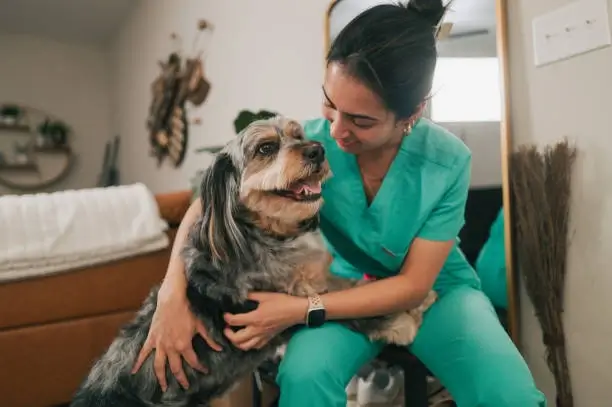
Monitoring the quality of your puppy’s rest is just as vital as tracking its duration. In a professional Puppy Nap Schedule, sleep serves as a primary indicator of overall health. Deep, rhythmic breathing suggests a healthy nervous system, while frequent disruptions may signal underlying stress or discomfort.
Dreaming or Distress? Identifying Anomalies
It is common for puppies to “paddle” their paws or make soft whimpering sounds during REM sleep—this is healthy brain activity. However, you should document the following “Red Flags” in your Puppy Nap Schedule:
- Excessive Panting: If the room is cool but your puppy is panting heavily during sleep, it could indicate high cortisol or physical pain.
- Frequent Sudden Awakenings: Waking up startled or “snapping” out of sleep may suggest environmental anxiety or sleep apnea in certain flat-faced breeds.
- Inability to Settle: Circling excessively or constantly changing positions often points to joint discomfort or an improper sleep surface.
Strategic Sleep Tracking
A data-driven puppy nap routine allows you to spot trends before they become behavioral problems. By maintaining a simple log, you provide your veterinarian with invaluable diagnostic data during routine check-ups.
What to Include in Your Sleep Log:
Environmental Refinement for Peak Recovery
If your Puppy Nap Schedule shows consistently poor sleep quality, the first step is an environmental audit. Minor adjustments can lead to major improvements in cognitive retention and growth.
🌑 Light Optimization: Puppies are sensitive to blue light from screens. Ensure their nap spot is shielded from TV or computer glare.
🧸 Surface Selection: While some puppies prefer plush beds, others (especially thick-coated breeds) may prefer a firmer, cooler orthopedic mat to prevent overheating.
Puppy Nap Schedule: Frequently Asked Questions
Q1: How many naps should a puppy take daily?
A: Most puppies require 3 to 5 structured naps per day. However, this depends on their age; an 8-week-old puppy will nap more frequently than a 6-month-old. The key is following a 1:2 ratio (1 hour awake, 2 hours asleep) to maintain their Puppy Nap Schedule.
Q2: What is the ideal nap duration?
A: While it varies, a quality nap usually lasts between 1.5 to 2.5 hours. Short “cat naps” of 30 minutes are okay for quick recharges, but deep REM cycles—essential for growth—require longer, undisturbed periods.
Q3: How do I know if my puppy’s naps are sufficient?
A: Look for “Emotional Stability.” A well-rested puppy is attentive, learns commands faster, and has fewer “biting fits.” If your puppy is constantly frantic or hyperactive, they likely need more enforced rest in their Puppy Nap Schedule.
Q4: Can interruptions affect my puppy’s growth?
A: Yes. Growth hormones and cognitive processing primarily happen during deep sleep. Frequent disruptions can lead to irritability and slower physical maturation. A consistent puppy rest routine acts as a safeguard for their development.
✓ The Ultimate Daily Nap Checklist
Use this daily to ensure your puppy’s 24-hour cycle is optimized.
Find More Dog Care Guides
Continue exploring practical guides related to this topic.