
Discover the essential dog grooming tools for brushing, bathing, nail care, coat maintenance, and easier at-home grooming.
The right grooming tools can make routine care easier, more comfortable, and more consistent. However, you do not need every tool available. The best setup depends on your dog’s coat, size, grooming needs, tolerance, and the tasks you regularly perform at home.
Why Choosing the Right Grooming Tools Matters
Dog grooming tools are designed for different jobs. A brush that works well for a short-coated dog may not be appropriate for a dog with a dense or long coat. Similarly, nail clippers, grinders, combs, shampoos, towels, and other equipment each serve a specific purpose.
Using an unsuitable tool can make grooming less effective or make the process more uncomfortable for your dog. The goal is not to build the largest grooming collection. Instead, choose a practical set of tools that matches your dog’s actual needs.
It is also important to consider your dog’s comfort. A tool may be technically appropriate but still unsuitable if your dog becomes extremely stressed whenever it is introduced. In those situations, gradual conditioning or professional grooming support may be more useful.
For dogs that are nervous about grooming, see our Grooming Anxiety guide.
The Main Dog Grooming Tools
Start with the tools that match your dog’s coat and routine rather than buying everything at once.
Brushes
Different brush designs are suited to different coat types and grooming tasks.
Combs
Combs can help inspect the coat and identify tangles or areas that need additional attention.
Nail Tools
Nail clippers or grinders can be used for appropriate nail maintenance when handled safely.
Bathing Supplies
Towels, appropriate shampoo, bathing containers, and other practical supplies can simplify bath time.
Coat Tools
Specialized tools may be useful for dogs with long, dense, curly, or heavily shedding coats.
Cleaning Supplies
Basic cleaning and storage supplies help keep grooming equipment ready for the next session.
How to Choose a Dog Brush
The best brush depends primarily on the type of coat you are maintaining. Short, smooth coats generally require a different approach from long, thick, curly, or double coats.
A simple grooming brush or grooming mitt may be sufficient for routine loose-hair removal and coat maintenance.
A combination of an appropriate brush and comb may make it easier to work through the coat and check for tangles.
These coats may require tools designed to reach through more layers of hair without unnecessarily damaging the coat.
A suitable comb and brush combination can help with inspection and routine maintenance, while severe matting may require professional grooming.
Do You Need Both a Brush and a Comb?
Not every dog needs both, but they perform different functions. A brush is generally useful for working through the coat and removing loose hair, while a comb can provide a more detailed inspection.
For dogs with longer or denser coats, using both can help you identify areas that still contain tangles after brushing. A comb can also make it easier to check areas where mats commonly develop.
Always choose tools appropriate for your dog’s coat and use gentle technique. Pulling aggressively through tangles can make grooming uncomfortable and may cause your dog to become more resistant to future sessions.
Simple Rule
Use the brush for routine coat work and the comb as a closer inspection tool when your dog’s coat requires it.
Choosing Nail Clippers or a Nail Grinder
Nail clippers and grinders can both be useful, but the right option depends on your dog’s nails, your confidence, and your dog’s tolerance for the equipment.
Clippers can make the process quick when used correctly. A grinder gradually removes nail material and may offer more control for some owners, but the sound and vibration can bother certain dogs.
Whichever method you use, learn how the nail is structured before attempting significant trimming. If you are unsure where to trim or your dog has very long, dark, or difficult-to-manage nails, ask a veterinarian or professional groomer for a demonstration.
Never rush nail trimming simply because you want to finish the session. A calm and safe process is more important than completing every nail at once.
Bathing Tools and Supplies
Bathing does not require a huge collection of equipment. A suitable dog shampoo, towels, a secure bathing setup, and a way to control water comfortably are often the foundation of an at-home bath routine.
A non-slip surface can be helpful because wet floors may make dogs feel unstable. Towels should be easy to access before the bath begins so you are not leaving your dog unattended while searching for them.
Some dogs tolerate a hair dryer well, while others find the sound and airflow stressful. If using a dryer, introduce it gradually and avoid excessive heat or uncomfortable airflow.
Choose products intended for dogs and appropriate for your dog’s needs.
Keep enough towels nearby before beginning.
Help your dog maintain secure footing during bathing.
Use only equipment your dog can tolerate safely and comfortably.
Specialized Coat Grooming Tools
Some dogs need more specialized tools because of their coat structure or shedding patterns. These tools can be useful, but they should be selected carefully.
Deshedding tools, undercoat tools, dematting tools, thinning equipment, and clippers are not interchangeable. Each has a different purpose, and inappropriate use can damage the coat or make grooming uncomfortable.
If you are uncertain about which specialized tool your dog’s coat requires, a professional groomer can show you how to identify the appropriate equipment and technique.
A Practical Starter Grooming Kit
Choose one that matches your dog’s coat.
Particularly useful for longer, thicker, or tangle-prone coats.
Choose clippers or a grinder based on your comfort and your dog’s tolerance.
These form the basic equipment for occasional bathing.
Keep tools clean, dry, organized, and ready for the next grooming session.
How to Maintain Your Dog Grooming Tools
Grooming tools should be cleaned and stored appropriately after use. Hair, moisture, shampoo residue, and other material can accumulate over time.
Follow the manufacturer’s instructions for cleaning each tool. Keep metal equipment dry when appropriate, and check brushes, combs, clippers, and nail tools regularly for damage or excessive wear.
Damaged tools should not be used simply because they are still technically functional. A broken tooth, sharp damaged edge, loose component, or malfunctioning electrical tool can create unnecessary risk.
Dog Grooming Tool Mistakes to Avoid
A popular tool is not automatically the right tool for every dog.
Aggressive brushing or combing can make grooming uncomfortable.
Products designed for people are not automatically appropriate for dogs.
Replace or repair tools that are no longer safe to use.
When a tool can affect the coat or skin significantly, learn the correct technique first.
Dog Grooming Tools & Equipment Articles
Explore focused guides covering grooming accessories, bathing equipment, coat tools, and practical grooming supplies.
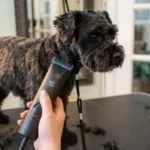
Is the Andis 24675 ProClip AGC Super 2-Speed Review Really Worth It for Thick, Matted Coats?
Affiliate Disclosure: Hello! I’m Maya Mai. As an Amazon Associate, PetCareCompass earns from qualifying purchases made through links in this post at...
Read Guide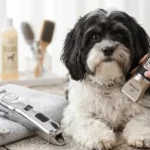
Oneisall Dog Clippers Review (2026): A Hands-On Test by a Dog Lover
Affiliate Disclosure: Hello! I’m Maya Mai. As an Amazon Associate, PetCareCompass earns from qualifying purchases made through links in this post at...
Read Guide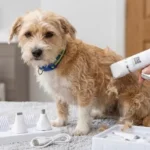
Veeconn 4-in-1 Pet Grooming Kit Review: The Quiet Solution for Anxious Pets?
Affiliate Disclosure: Hello! I’m Maya Mai. As an Amazon Associate, PetCareCompass earns from qualifying purchases made through links in this post at...
Read GuideThe Professional’s Arsenal: Best Professional Dog Clippers of 2026
Affiliate Disclosure: Hello! I’m Maya Mai. As an Amazon Associate, PetCareCompass earns from qualifying purchases made through links in this post at...
Read GuideRotary Motor vs. Pivot Motor Explained: Which One Powers Your Grooming?
Clipper Technology & Tool Guide Understanding motor torque, speed (SPM), heat management, and coat compatibility. Affiliate Disclosure: Hello! I’m Maya Mai. As...
Read GuideOneisall 676PRO Dog Clippers Review: Is It Worth It for Thick Hair? (US Buyers Guide)
Affiliate Disclosure: Hello! I’m Maya Mai. As an Amazon Associate, PetCareCompass earns from qualifying purchases made through links in this post at...
Read GuideBest Professional Dog Grooming Clippers & Nail Tools (Hands-On Tested)
Affiliate Disclosure: Hello! I’m Maya Mai. As an Amazon Associate, PetCareCompass earns from qualifying purchases made through links in this post at...
Read Guide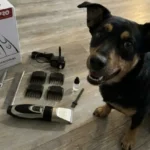
Highdas Dog Clippers Review: Real US Owner Feedback & Performance Test
Affiliate Disclosure: Hello! I’m Maya Mai. As an Amazon Associate, PetCareCompass earns from qualifying purchases made through links in this post at...
Read Guide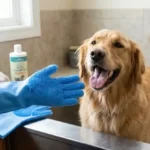
Pecute Silicone Pet Grooming Gloves Review: What 1,000+ US Pet Owners Really Think
Affiliate Disclosure: As an Amazon Associate, PetCareCompass earns from qualifying purchases. However, this Pecute Silicone Pet Grooming Gloves review is based on...
Read Guide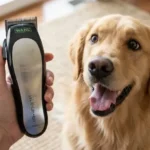
Wahl vs Oster Cordless Dog Clippers: An Honest Comparison for Home Pet Grooming
Affiliate Disclosure: Hello fellow pet parents! As an Amazon Associate, PetCareCompass earns from qualifying purchases made through links in this post at...
Read Guide
Wahl Bravura vs Andis ProClip: Which Dog Clipper Is Better for Home Grooming?
Affiliate Disclosure: Hello fellow pet parents! As an Amazon Associate, PetCareCompass earns from qualifying purchases made through links in this post at...
Read Guide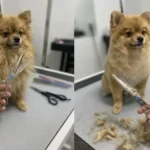
JASON Curved Dog Grooming Scissors Review: Is This 8-Inch Japanese Steel Shear Worth Your Money?
Affiliate Disclosure: Hello fellow pet parents! As an Amazon Associate, PetCareCompass earns from qualifying purchases made through links in this post at...
Read Guide
Best Professional Dog Grooming Clippers of 2026: Tested on Thick & Matted Coats
Affiliate Disclosure: Hello fellow pet parents! As an Amazon Associate, PetCareCompass earns from qualifying purchases made through links in this post at...
Read GuideYabife Dog Clippers Review: Is This Waterproof & Quiet Trimmer Worth Your Money?
Affiliate Disclosure: Hello fellow pet parents! As an Amazon Associate, PetCareCompass earns from qualifying purchases made through links in this post at...
Read Guide
BYETOO Pet Grooming Glove Review: Is It The Ultimate Gentle Deshedding Solution For Sensitive Pets?
Affiliate Disclosure: Hello fellow pet parents! As an Amazon Associate, PetCareCompass earns from qualifying purchases made through links in this post at...
Read Guide
Oneisall 2 Speed Cat Clippers Review: The Ultimate Double-Blade Trimmer for Paws, Face, and Rump
Affiliate Disclosure: Hello fellow pet parents! As an Amazon Associate, PetCareCompass earns from qualifying purchases made through links in this post at...
Read Guide
Veeconn Dog Clippers Grooming Kit Review: Is This 4-in-1 Tool Worth It for Sensitive Pets?
Affiliate Disclosure: As an Amazon Associate, I earn from qualifying purchases. If you purchase through the links provided in this Veeconn Dog...
Read Guide
Honest Oneisall Dog Grooming Vacuum Review: Is This 7-in-1 Kit Worth It?
Affiliate Disclosure: Hi fellow pet parents! As an animal lover, I only recommend products I truly trust. If you click on the...
Read Guide
oneisall 4 in 1 Dog Grooming Kit Review: An Honest Pet Lover’s Verdict
Affiliate Disclosure: As an Amazon Associate, I earn from qualifying purchases. If you make a purchase through the links on this page,...
Read Guide
Buenkee Dog Grooming Kit with Vacuum Review: Is It Worth It for Heavy Shedders?
Affiliate Disclosure: As an Amazon Associate, I earn from qualifying purchases. This means if you click on a link and make a...
Read Guide
HEAPETS Dog Grooming Clippers Review: Is It Truly Quiet Enough for Your Anxious Pet?
Affiliate Disclosure: As an Amazon Associate, I earn from qualifying purchases. If you click through any of the links below and make...
Read Guide
Oneisall Quiet Cat Clippers Review: Is It Truly Safe for Matted Hair?
Affiliate Disclosure: As an Amazon Associate, I earn from qualifying purchases made through links in this comprehensive review at no extra cost...
Read Guide
GOOAD Dog Clippers Review: Is This 2-in-1 Kit Best for Heavy Thick Hair?
Affiliate Disclosure: As an Amazon Associate, I earn from qualifying purchases. If you make a purchase through the links in this honest...
Read Guide
iSeaFly Dog Grooming Scissors Review: Is This 6-in-1 Kit Safe for Beginners?
Affiliate Disclosure: As an Amazon Associate, I earn from qualifying purchases. If you click through any of the product links in this...
Read Guide
Scaredy Cut Tiny Trim Review: Is This Compact Ball-Tipped Scissor Safe for Sensitive Areas?
Affiliate Disclosure: As an Amazon Associate, I earn from qualifying purchases at no extra cost to you. I only review products I...
Read Guide
Best Professional Grooming Scissors for Dogs: A True Pet Lover’s Hands-On Review
Affiliate Disclosure: As an Amazon Associate, I earn from qualifying purchases. This helps support my lifelong love for animals, but it never,...
Read Guide
Wahl Professional 5-in-1 Replacement Blade Review: An Honest Hands-On Guide (2026)
Affiliate Disclosure: As an Amazon Associate, I earn from qualifying purchases. Clicking the links on this page may generate a small commission...
Read Guide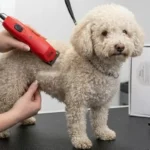
Wahl Professional Animal Thick Coat Clipper Review: Is It Worth It for Matted Fur?
Affiliate Transparency Notice: As an Amazon Associate, PetCareCompass earns from qualifying purchases made through affiliate links on this page at no additional...
Read Guide
Wahl Lithium Ion Pro Series 9766 Review: Is It Worth the Hype for Home Grooming?
Product Review Transparency: We purchased this unit independently for technical auditing. Our evaluations are purely performance-driven, containing no brand-sponsored biases. As an...
Read Guide
Wahl Bravura Review: Is It Still The Best Professional Pet Clipper in 2026?
Affiliate Disclosure & Medical Neutrality: As an Amazon Associate, I earn from qualifying purchases. This Wahl Bravura review reflects objective hands-on grooming...
Read GuideThe Hygiene Protocol: How to Sanitize Grooming Tools Properly
At PetCareCompass, we view grooming as more than an aesthetic ritual; it is a clinical intervention. While the best dog grooming kits...
Read Guide
Essential Grooming Tools Overview for Stress-Free Dog Grooming at Home
Selecting the right tools is crucial for effective and safe dog grooming. Understanding a comprehensive grooming tools overview helps pet owners save...
Read Guide
Cleaning Grooming Tools: Essential, Safe, and Stress-Free Hygiene Practices for Dog Owners
Maintaining clean grooming tools is a critical but often overlooked part of at-home dog care. Cleaning grooming tools properly not only protects...
Read Guide
Grooming Tools Maintenance: A Simple, Essential Guide to Clean and Care for Your Grooming Tools Properly
High-performance Grooming Tools Maintenance is the invisible backbone of a safe and successful grooming routine. Beyond basic cleaning, maintaining the mechanical integrity...
Read Guide
Smart Grooming Tools Selection for Dogs: Essential Tips for Every Coat Type
Strategic grooming tools selection is more than a cosmetic choice—nurturing the coat is a primary form of preventative healthcare. By choosing tools...
Read GuideDog Grooming Tools FAQ
What grooming tools does every dog need?
There is no single tool set for every dog. Most owners can start with an appropriate brush and basic nail-care equipment, then add tools according to coat and grooming needs.
Do I need a dog grooming comb?
A comb can be particularly useful for dogs with longer, thicker, or tangle-prone coats. Short-coated dogs may have less need for one.
Is a nail grinder better than nail clippers?
Neither is universally better. Clippers can be quick when used correctly, while grinders allow gradual removal but may introduce noise and vibration that some dogs dislike.
How often should dog grooming tools be cleaned?
Clean tools according to their use and the manufacturer’s instructions. Remove hair and residue regularly, and allow appropriate equipment to dry properly before storage.
Should I buy professional grooming equipment for home?
Most owners do not need professional-level equipment for routine maintenance. Start with tools suited to your dog’s actual needs and consider professional equipment only when you understand how to use it safely.
Explore More Dog Grooming Topics
Continue exploring our Dog Grooming section for practical guides covering everyday grooming, coat care, bathing, nails, paws, and grooming behavior.
General Information Disclaimer
The information provided by PetCareCompass is for general educational purposes and is not a substitute for professional veterinary or grooming advice. Grooming tools should always be selected and used according to the individual dog’s needs, coat type, size, and tolerance. Seek professional assistance when a grooming task is difficult, unsafe, or associated with pain or injury.