
High-performance Grooming Tools Maintenance is the invisible backbone of a safe and successful grooming routine. Beyond basic cleaning, maintaining the mechanical integrity of your brushes, clippers, and shears is essential to prevent skin micro-trauma and ensure every session remains predictable and stress-free.
💡 The Maintenance Mandate: A compromised tool is a dermatological hazard. By implementing clinical hygiene habits, you not only protect your dog’s sensitive skin barrier but also significantly extend the operational lifespan of your investment—without the need for complex protocols.
In this comprehensive guide, we translate professional maintenance standards into actionable, at-home strategies. You will learn to eliminate pathogen buildup, preserve blade sharpness, and optimize the ergonomic performance of your entire grooming kit for long-term reliability.
“At PetCareCompass, we believe your tools are an extension of your care. Proper hardware stewardship prevents ‘blade pull’ and skin irritation, ensuring your dog associates grooming with comfort rather than discomfort.”
— Maya Mai, Founder
The Imperative of Grooming Tools Maintenance
In the world of professional pet care, Grooming Tools Maintenance is far more than an aesthetic preference; it is a fundamental pillar of biosecurity. Tools that appear “visually clean” can still harbor a microscopic ecosystem of organic oils, exfoliated skin cells (keratin), and latent pathogens. When these elements are neglected, your grooming kit transitions from a suite of wellness tools into a vector for dermatological complications.
🛡️ Pathogen Proliferation
Trapped hair and dander, combined with the residual moisture from bathing, create an ideal incubation environment for bacteria and yeast. Reusing contaminated tools facilitates the transmission of Malassezia (yeast) and Staphylococcus, leading to persistent pruritus, localized inflammation, and the dreaded “hot spots” in high-friction areas.
🔄 Intra-Session Cross-Contamination
The lack of a sterilization protocol between grooming zones or different pets allows for the migration of opportunistic microbes. What begins as a minor skin sensitivity in one area can quickly escalate into a generalized dermatological issue as tools act as a bridge for exogenous debris and microbial colonies.
Mechanical Performance & Dermatological Safety
The direct correlation between tool sharpness and canine comfort cannot be overstated. When Grooming Tools Maintenance is ignored, the mechanical efficiency of the hardware degrades, forcing the groomer to apply more pressure and perform repetitive passes—both of which increase the risk of iatrogenic injury (grooming-induced trauma).
Residue buildup on clipper blades increases mechanical friction, which rapidly generates heat. Dull, unlubricated blades don’t just cut poorly; they risk clipper burn—a painful inflammatory response caused by the thermal energy transferred to the dog’s skin. Maintenance ensures blades glide rather than “chew” through the coat.
Clogged bristles and dull shears create follicular traction—the painful pulling of hair instead of a clean severance. This discomfort triggers anxiety in pets, leading to a negative behavioral association with grooming. A maintained tool is a silent tool, reducing the “snag factor” to near zero.
Precision Maintenance Protocols by Category
🖌️ Brushes and Combs: Managing Organic Buildup
These tools have the highest surface-area contact with the dog’s skin oils (sebum) and loose undercoat hair.
Hair left in brushes undergoes hygroscopic expansion when exposed to humidity, tightening around the bristles and making extraction nearly impossible without damaging the tool’s pins.
A weekly antiseptic soak is required to dissolve sebaceous films. Ensure complete drying, especially for cushioned slickers, to prevent internal mold proliferation.
🔌 Powered Clippers: Thermal & Electrical Care
The complexity of powered tools requires a dual-focus on the cutting head and the internal motor/battery health.
- Blade Coolants: Utilize professional 5-in-1 sprays to manage temperature during long sessions.
- Battery Stewardship: For cordless models, maintain a charge-discharge cycle that avoids constant 100% saturation to prevent lithium-ion degradation.
- Hardware Integrity: Periodically check for “play” or rattling in the blade assembly, which indicates alignment failure.
✂️ Nail Shears & Grinders: Precision Alignment
The force required to cut through canine keratin makes nail tools highly susceptible to blade splaying.
Keratin dust is highly abrasive. Using compressed air to clear grinder ports prevents motor burnout and preserves the abrasive surface.
A dull nail clipper “crushes” the quick rather than slicing the shell, leading to long-term nail splitting and immediate pain.
ROI: The Economics of Maintenance
“Many pet owners view professional sharpening and tool replacement as a standard cost. However, by adopting a preventative maintenance mindset, you can effectively triple the lifespan of high-end tools. A $5 bottle of clipper oil can save a $200 clipper from a premature motor death. In the world of PetCareCompass, maintenance is the smartest investment you can make.”
— Maya Mai, Senior Content Manager
Post-Session Protocol: Immediate Hardware Preservation
In a professional Grooming Tools Maintenance framework, the window of time immediately following a session is critical. During this phase, debris is “fresh”—meaning biological lipids and exfoliated dander have not yet undergone oxidative hardening. Acting within minutes of finishing a groom prevents the formation of a stubborn biofilm that can degrade both tool performance and canine skin health.
Pneumatic Debris Extraction
Utilize compressed air or high-velocity dryers to clear micro-fragments from clipper housings and brush bases. Manual extraction alone often misses fine hair dust.
Surface Lipid Neutralization
Perform a rapid wipe-down using a pH-neutral solution to target sebaceous residues. Move wipes tangentially to metallic blade edges to avoid compromising sharpness.
Structural Audit
Inspect for mechanical fatigue: bent pins on slickers, loose hinge screws on shears, or micro-chips in clipper blades to prevent catastrophic tool failure mid-groom.
💧 The Rust Prevention Mandate
Moisture is the primary catalyst for pitting corrosion. Even high-grade stainless steel is susceptible if stored in a humid environment with residual water in the joints. Always utilize a dual-drying method: pat-dry with a microfiber cloth followed by passive air-drying in a well-ventilated area before final encapsulation in storage cases.
Deep Cleaning: Restoring Tactical Precision

Deep cleaning restores the molecular integrity of your grooming hardware.
Daily wipe-downs manage surface debris, but Grooming Tools Maintenance requires periodic deep sanitization to address the microbial biofilm that accumulates within crevices. This process restores the tool to its factory-standard hygiene level, protecting the dog from opportunistic dermatological infections.
| Tool Category | Deep Clean Cycle | Primary Sanitizer |
|---|---|---|
| Brushes & Combs | Every 7–10 Days | Diluted Chlorhexidine or Mild Enzyme Soap |
| Clipper Blades | Every 3–5 Sessions | Professional Blade Wash (H-42 or equivalent) |
| Nail Hardware | Post-Session (Every Time) | 70% Isopropyl Alcohol |
The “浸” (Soak) Methodology
For non-electric components, a 10-minute immersion in an enzymatic cleaner is superior to manual scrubbing. This chemical action breaks down the keratin-lipid bonds that harbor bacteria. Pro-Tip: Avoid using bleach-based solutions, as they act as a corrosive agent on the high-carbon steel used in premium grooming shears.
Ensure cushioned brushes are compressed during the drying phase to force moisture out of the internal padding, mitigating the risk of sub-surface mold.
Editor’s Insight: The “Fresh Start” Philosophy
“At PetCareCompass, we treat Grooming Tools Maintenance as a ritual of respect for the animal. When your tools are deep-cleaned, the hair glides effortlessly, reducing the session time and the dog’s anxiety. A clean tool isn’t just a choice—it’s a commitment to a low-stress grooming environment.”
— Maya Mai, PetCareCompass Lead
Advanced Blade Management: The Core of Grooming Precision
In the architecture of professional grooming, the blade is the primary interface between hardware and biological tissue. Mastery of Grooming Tools Maintenance for blades is not merely about sharpness; it is about managing mechanical friction, thermal energy, and steel longevity. A neglected blade doesn’t just cut poorly—nicks, pulls, and thermal burns are direct consequences of compromised blade integrity.
Diagnostic Metrics: Identifying Blade Degradation
Mechanical Drag & Snagging
When a blade loses its micro-honed edge, it transitions from slicing to “chewing” the hair shaft. This creates follicular tension, causing the dog to flinch. If you observe “track marks” or uneven coat lengths, the blade’s alignment or sharpness has reached a critical failure point.
Accelerated Thermal Transfer
Excessive heat within 5 minutes of use is a definitive sign of high-friction buildup caused by debris or rust between the cutter and comb blade. Without immediate intervention, this thermal energy can cause epidermal blistering (clipper burn).
The Lubrication Protocol: Friction Mitigation
Lubrication is the single most important factor in extending the life of high-carbon steel blades. A professional Grooming Tools Maintenance routine treats oiling as a continuous process rather than a final step. Proper oiling creates a hydrophobic barrier that prevents moisture from inducing oxidation while reducing the friction that dulls the cutting edge.
The Professional 3-Point Oiling Strategy
Apply 3 drops across the teeth and 1 drop on each back rail. Run the clipper for 10 seconds to ensure even distribution across the internal tension spring.
Utilize a professional 5-in-1 coolant spray every 10 minutes to flush out hair fragments and instantly drop metal temperature through evaporative cooling.
After sanitizing, a final coat of oil prevents atmospheric corrosion—vital for high-humidity regions where rust can form in 24 hours.
⚠️ The Coolant vs. Lubricant Myth
A common mistake in Grooming Tools Maintenance is substituting cooling sprays for blade oil. While coolants manage temperature, they often contain alcohol which can actually strip essential lubrication. Always follow a cooling spray with a fresh drop of oil to maintain the viscosity required for high-speed operation.
Hardware Stewardship: Protecting the Edge
Maximize your tool’s performance with these professional-grade handling techniques:
- Blade Guard Utilization: Never store clippers without a guard. Contact with other metal tools creates burrs on teeth leading to skin nicks.
- Hair Clearance: Use a high-density brush to clear hair from the blade socket mid-groom. Compacted hair forces the motor to work harder, reducing battery life.
- Thermal Testing: Perform the “wrist touch” test every 3-5 minutes. If the blade feels uncomfortably warm to your skin, it is already too hot for thin canine epidermis.
- Sharpening Threshold: Do not wait for complete failure. A proactive honing schedule with a certified professional ensures you never “power through” a coat with dull hardware.
Editor’s Verdict: The Precision Mindset
“At PetCareCompass, we define a sharp blade as the first line of defense for a dog’s emotional wellbeing. When a tool glides effortlessly, the dog stays calm. When it pulls, the session becomes a battle. Proper Grooming Tools Maintenance is the bridge between a traumatic experience and a successful, stress-free groom.”
— Maya Mai, PetCareCompass Founder
Risk Mitigation: Avoiding the Errors That Compromise Hardware
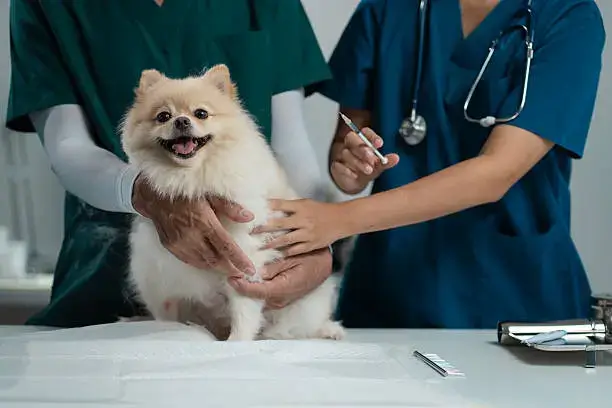
Identifying common maintenance pitfalls is the first step toward long-term tool reliability.
Even with a structured Grooming Tools Maintenance routine, subtle habits can inadvertently lead to premature hardware failure. These errors often stem from a lack of understanding of the material science behind grooming equipment—where moisture, chemical pH, and kinetic impact intersect to degrade performance.
🚫 Chemical & pH Mismanagement
Using generic household cleaners or harsh bleach-based disinfectants is a primary cause of corrosive pitting. These chemicals strip factory-applied protective coatings from blades and shears, leading to irreversible oxidation and a “sandpaper” texture that irritates skin.
🚫 Hydro-Electrical & Seal Failure
A fatal error in maintenance is the partial or total submersion of electric trimmers. Moisture trapped near lithium-ion contacts or internal oscillating driveshafts causes internal rust that eventually leads to motor burnout or electrical shorting.
🔨 Kinetic Impact & Alignment Trauma
Professional shears and clipper blades are precision-engineered to tolerances measured in microns. A single drop onto a hard surface can cause structural misalignment—bending a tooth or splaying a blade edge. While the tool may still appear functional, the imbalanced tension forces the user to apply more wrist pressure, leading to hand fatigue and uneven coat finishes.
Storing tools loosely in a drawer leads to “clashing,” where metal-on-metal contact creates burrs (micro-shards) on cutting edges. Always utilize individual slots or magnetic strips.
Strategic Habits for Professional-Grade Tool Stewardship
Sustainable Grooming Tools Maintenance is built on a foundation of behavioral triggers—linking tool care to the grooming process itself rather than treating it as a secondary chore. This integrated workflow ensures peak performance without adding significant time to your routine.
Align your deep-cleaning cycles with your dog’s full grooming schedule. By cleaning tools immediately after intensive use, you capitalize on cleanup momentum.
Prevent microbial migration by dedicating specific tools to specific areas (e.g., face vs. sanitary) to reduce bacteria transfer from sensitive mucosal zones.
Every 3 months, perform a stress-test checking for frayed cords, battery swelling, or bristle loss. Replacing a $15 blade drive is far cheaper than a $200 motor.
The Longevity Legacy
Mastering Grooming Tools Maintenance is a silent investment in your dog’s comfort and your own financial peace of mind. By avoiding common pitfalls and adopting a preventative stewardship mindset, you transform home grooming from a task of necessity into a seamless, high-performance experience.
“Consistency in maintenance is the bridge between a tool that lasts a season and a legacy of care that lasts a lifetime. At PetCareCompass, we empower you to protect the tools that protect your dog.”
Ready to apply these maintenance tips? Ensure you have the basics down first with our
At-Home Grooming Essentials.
Strategic Preservation: Advanced Storage Solutions
Sustainable Grooming Tools Maintenance extends far beyond the active grooming session. The interval between uses is where the majority of unseen degradation occurs—primarily through atmospheric oxidation and moisture-wicking. A sophisticated storage strategy acts as a continuous, passive maintenance system, safeguarding the metallurgical integrity of your shears and the electronic stability of your clippers.
🌡️ Micro-Climate Management
Bathrooms are highly detrimental for grooming hardware due to fluctuating humidity and steam. High-carbon steel blades act as magnets for airborne moisture, leading to pitting corrosion within the blade teeth. Transition your kit to a climate-controlled, low-humidity zone with active airflow.
📦 Spatial Decoupling
Avoid “tool clashing” by implementing spatial decoupling. Loose tools in a bag create mechanical burrs on edges. Utilize professional-grade tool rolls with individual sleeves or custom foam-lined hard cases to prevent kinetic shock damage and preserve alignment.
Asset Lifecycle: The Threshold of Repair vs. Replacement
An advanced Grooming Tools Maintenance protocol requires a cold, clinical assessment of tool performance. Prioritizing safety over sentimentality is the hallmark of a responsible groomer. When a tool reaches its biological and mechanical limit, continuing its use poses a direct risk of iatrogenic trauma to your dog’s skin.
| Component | Signs of Terminal Failure | Strategic Action |
|---|---|---|
| Clipper Blades | Heat spike within 2 mins; “Track marks” in coat; Visible tooth pitting. | Replace immediately. |
| Slicker Brushes | Bent or missing pins; Brittle cushion pads; Lingering odor. | Discard (Risk of skin scratches). |
| Professional Shears | Snagging at the tip; Loose pivot tension; Visible micro-nicks. | Professional Sharpening. |
| Cordless Clippers | Battery drain > 30% per session; Sluggish motor RPM; Overheating. | Service Internal Parts. |
⚖️ The True Cost of “Getting By”
The cost of replacing a dull blade ($25–$40) is negligible compared to the potential veterinary fees for treating clipper burn or a deep nick. Furthermore, using failing equipment induces chronic grooming anxiety in pets. If the hardware is struggling, the experience becomes traumatic. In long-term Grooming Tools Maintenance, early replacement is a clinical investment in your dog’s mental health.
The Archive Routine: Monthly Hardware Audits
For owners who groom sporadically, a monthly audit is necessary to prevent stationary decay. Even unused tools require an engagement cycle to remain functional.
- The Rotation Rule: For clippers, run the motor for 60 seconds every month to redistribute internal lubricants and maintain battery health.
- Desiccant Utilization: Place silica gel packets in your tool cases to aggressively remove moisture from the micro-environment around your blades.
- Pin Tension Test: Periodically run a comb through a high-thread-count cloth. If it snags, you have a micro-burr that needs debridement.
- Hinge Maintenance: Apply a single drop of high-viscosity oil to the pivot screw of your shears before long-term storage to prevent joint seizure.
The Legacy of Excellence
Mastering Grooming Tools Maintenance transforms your kit from a set of expenses into a legacy of care. By aligning your storage habits with the biological and mechanical needs of your tools, you ensure that every grooming session begins with surgical precision and ends with a healthy, happy dog.
“Maintenance is the difference between a tool that works and a tool that inspires trust. At PetCareCompass, we guide you to protect the assets that protect your pet.”
— Maya Mai, PetCareCompass Lead

A consistent maintenance protocol is the bridge between a safe groom and an iatrogenic injury.
Grooming Tools Maintenance: Expert FAQ
What is the clinical frequency for deep-cleaning grooming tools?
While immediate surface cleaning must occur after every session, a full-immersion deep clean should be scheduled every 7–14 days. This prevents the accumulation of sebaceous biofilms that harbor antibiotic-resistant bacteria.
Is cross-contamination a risk when sharing tools between pets?
Yes. Pathogens like Ringworm (dermatophytosis) and yeast can survive on stainless steel surfaces for weeks. If tools must be shared, a 70% Isopropyl Alcohol wipe-down between animals is the minimum biosecurity requirement.
How do I identify a tool that has reached “end-of-life” status?
Look for terminal mechanical failure: clipper motors that exhibit sluggish RPM, shears that “bend” rather than slice hair, and slicker brushes with lost pin caps (which can cause painful dermal scratches).
The Hardware Stewardship Checklist
🔄 Post-Session Immediate (Every Time)
- Mechanical Clearing: Remove all bulk hair and exfoliated dander.
- Sanitization Wipe: Utilize a pH-neutral, anti-bacterial solution on all contact surfaces.
- Tension Oiling: Apply a single drop of high-viscosity oil to the rails of clipper blades.
🧪 Weekly Deep-Cycle Audit
- Enzymatic Soak: Deep-clean non-electric brushes in an enzymatic solution to dissolve sebum.
- Hardware Inspection: Check for blade burrs, loose pivot screws, or frayed electrical cords.
- Dry Storage Reset: Ensure tools are stored with silica desiccants in a ventilated zone.
🛠️ Quarterly Performance Review
- Professional Honing: Schedule professional blade sharpening to prevent hair-pulling.
- Battery Calibration: Cycle cordless clipper batteries to maintain lithium-ion health.
- Replacement Audit: Discard brushes with compromised pins to protect the dog’s skin.
The Synergy of Precision and Care
At PetCareCompass, we believe that Grooming Tools Maintenance is the silent partner in your dog’s wellness journey. When your equipment is sharp, hygienic, and well-lubricated, you replace mechanical stress with tactile comfort.
“Protecting the tools that protect your dog is the ultimate standard of stewardship. Consistency today ensures a safe, efficient, and beautiful groom for a lifetime.”
Ready to start your session? Ensure you have the right fundamentals with our
At-Home Grooming Essentials.
Find More Dog Care Guides
Continue exploring practical guides related to this topic.