
“`html
Practical dog home essentials for creating a safer, more comfortable, and better-prepared environment for everyday life.
Your home is where your dog spends a large part of everyday life, so the right supplies can make routines easier and help you prepare for unexpected situations. From basic safety equipment and pet-proofing supplies to emergency kits and first-aid essentials, useful home products should serve a clear purpose and fit naturally into your dog’s daily environment.
What Are Dog Home Essentials?
Dog home essentials are practical supplies and equipment that can help make a home safer, more organized, and more suitable for living with a dog. They can range from everyday safety items to emergency-preparation supplies that may only be needed occasionally.
A well-prepared home does not have to be filled with pet products. In many cases, a few thoughtfully selected items can provide more value than a large collection of supplies that are rarely used.
The most useful products depend on your dog’s age, size, habits, activity level, and the layout of your home. A curious puppy may require more extensive pet-proofing, while a calm adult dog may need fewer environmental adjustments.
This hub focuses on practical home-related topics, including emergency preparation, household safety, pet-proofing, first-aid preparation, and creating safer indoor and outdoor areas.
Home Essentials at a Glance
Home Safety
Identify and reduce common household hazards that could affect dogs.
Pet-Proofing
Make rooms and everyday spaces easier and safer for dogs to navigate.
Emergency Preparation
Keep important supplies, information, and plans accessible when unexpected situations occur.
First-Aid Readiness
Prepare basic supplies and know when professional veterinary help is needed.
Creating a Safer Home for Your Dog
Dogs naturally explore their surroundings. They may sniff, chew, push, climb, or investigate objects that people would normally ignore. Because of this, household safety often starts with understanding what your dog can access rather than simply purchasing more supplies.
Look at your home from your dog’s perspective. Items that appear harmless on a countertop may become accessible to a curious dog if they are moved, knocked down, or reached from furniture.
Common areas worth reviewing include kitchens, bathrooms, bedrooms, garages, balconies, storage areas, and outdoor spaces. Cords, small objects, cleaning products, medications, foods, tools, and other household items should be stored appropriately.
A practical safety review
- Check floors and low surfaces for small objects your dog could swallow.
- Store household chemicals and potentially hazardous products securely.
- Keep medications inaccessible to pets.
- Manage electrical cords where necessary.
- Review doors, windows, gates, balconies, and other escape points.
- Keep potentially dangerous household foods away from your dog.
Safety is not a one-time project. Your dog’s behavior can change over time, and furniture or household arrangements may change as well. A quick periodic inspection can therefore be more useful than a single major pet-proofing session.
Essential Pet-Proofing for Everyday Living
Pet-proofing means adjusting the home environment to reduce access to hazards while still allowing your dog to move, rest, eat, play, and interact naturally.
Some homes require only minor changes. Others may benefit from barriers, gates, closed storage, cord management, or designated areas for particular activities.
Kitchen
Review food access, trash containers, cleaning products, and low cabinets.
Bathroom
Store medications, personal-care products, and cleaning supplies securely.
Living Areas
Check cords, small objects, plants, furniture access, and other potential hazards.
Outdoor Areas
Inspect fencing, gates, plants, tools, and areas where your dog spends time.
Building a Dog Emergency Kit
An emergency kit is one of those supplies you hope you will never need, but preparing one in advance can make an unexpected situation less stressful.
A useful emergency kit should be easy to locate and contain items that are relevant to your dog and your household. It can be stored in a clearly identified container and checked periodically.
Items worth considering
- Basic first-aid supplies appropriate for pets
- Extra food and drinking water when appropriate
- A spare leash and collar or identification equipment
- Current veterinary contact information
- Important medication information, when applicable
- Recent identification and ownership information
- A towel, blanket, or other practical comfort item
- Waste bags and basic cleaning supplies
The exact contents should reflect your dog’s circumstances. For example, households that travel frequently may want a portable version of their emergency supplies.
Keep the kit current
Check expiration dates, replace damaged items, and update contact information whenever something changes.
Have a Simple Plan Before You Need It
Supplies are only one part of emergency preparedness. Knowing what to do and who to contact can be equally valuable.
Keep important information somewhere accessible to everyone who cares for your dog. This may include your veterinarian’s contact details, emergency veterinary information, your dog’s identification information, and instructions for routine care.
Know your contacts
Keep veterinary and emergency contact information easy to find.
Know your exits
Consider how your dog would be safely moved out of the home if necessary.
Keep supplies accessible
An emergency kit is most useful when it can be found quickly.
Review the plan
Revisit the plan whenever your household, dog’s needs, or contact information changes.
Basic First-Aid Supplies for Pet Owners
A basic pet first-aid kit can be useful for minor situations while you arrange appropriate professional care when needed. It should be viewed as a preparedness tool, not a replacement for veterinary treatment.
Owners may choose to keep basic supplies such as clean gauze, appropriate bandaging materials, disposable gloves, towels, and other veterinarian-recommended items. The exact contents should be selected carefully because some human products are not appropriate for animals.
It is also useful to learn in advance how to contact a veterinary professional during an emergency. Trying to research everything for the first time during a stressful event can be difficult.
Important
First-aid information should never delay urgent veterinary care. If your dog has a serious injury, difficulty breathing, severe bleeding, poisoning concerns, collapse, or another emergency, contact a veterinarian or emergency veterinary service promptly.
Keep Dog Supplies Organized at Home
Good organization can make everyday dog care easier. When frequently used supplies have a consistent location, you spend less time searching for them and are more likely to notice when something needs replacing.
Daily Supplies
Keep commonly used items where they are easy to access without creating clutter.
Emergency Supplies
Store emergency equipment together in a clearly identifiable location.
Outdoor Gear
Keep leashes, outdoor accessories, towels, and similar items near the exit.
Seasonal Items
Store seasonal equipment clean and dry when it is not being used.
Home Safety & Preparedness Guides
Explore the articles in this section for practical information about pet-proofing, emergency preparation, home safety, and related essentials.
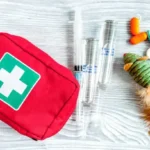
Emergency Kit Checklist for Dogs: A Complete Guide for Pet Owners
Executive Summary: Vital Homeostasis & Vascular Stabilization A clinical Emergency Kit Checklist for dogs must prioritize Vascular Stabilization, Toxicology Neutralization, and Thermal...
Read Guide
Emergency Contacts and Plans: A Complete Guide for Dog Owners
💡 The Preparedness Standard: Crisis Resilience Effective Emergency Contacts and Plans represent the primary infrastructure of responsible dog ownership. In moments of...
Read Guide
Indoor Safety Precautions for Dogs at Home
Quick Summary: Hazard Mitigation & Biological Security Indoor Safety Precautions for dogs involve a systemic approach to Hazard Mitigation within the domestic...
Read Guide
Essential Home Safety Checklist for Pet Owners: Keep Your Dog Safe
Ensuring a safe home environment for your pets requires more than occasional tidying—it demands a systematic approach. A Home Safety Checklist is...
Read Guide
Proven Emergency Preparation Tips for Pet Owners: Keep Your Dog Safe
Executive Summary: Emergency Preparation for pets is a clinical framework of Disaster Response Infrastructure. It mandates Critical Resource Redundancy—including a 72-hour Somatic...
Read Guide
Essential Home Hazard Check Tips for Pet Owners: Keep Your Dog Safe
The Safety Mandate: Engineering a secure home environment transcends basic tidying; it requires a systematic Home Hazard Check to neutralize Toxicological Risks...
Read Guide
Essential Home First Aid Tips for Pet Owners: Keep Your Dog Safe and Healthy
Medical Disclaimer: This guide is intended for educational purposes only and serves as a primary Stabilization Protocol. Home First Aid is not...
Read Guide
Essential Emergency Preparedness Tips for Pet Owners: Keep Your Dog Safe in Any Situation
The goal of emergency preparedness is not just to survive the crisis, but to maintain a bridge of safety and calm for...
Read Guide
Essential Pet Proofing Tips: Smart Strategies to Prevent Accidents at Home
Keeping your home safe for pets is crucial to their wellbeing and your peace of mind. Implementing effective Pet Proofing Tips helps...
Read Guide
Dog Safety at Home: A Complete Room-by-Room Guide for Pet Owners
Quick Summary : Dog Safety at Home is an architectural approach to Hazard Preemption. Effective safety protocols involve identifying Toxicological Risks (household...
Read GuideSimple Dog Home Essentials Checklist
- Check your home regularly for new or overlooked hazards.
- Store potentially dangerous household products securely.
- Keep your dog’s emergency supplies together and accessible.
- Review veterinary and emergency contact information.
- Check that gates, doors, windows, and other access points are secure.
- Inspect frequently used dog supplies for damage or wear.
- Replace expired or depleted emergency supplies.
- Update your plan whenever your dog’s needs or household circumstances change.
How to Choose Home Essentials for Dogs
Choose products that solve a specific problem and fit your dog’s environment.
Dog Home Essentials FAQ
What are the most important dog home essentials?
The essentials depend on your dog’s needs and home environment. Common priorities include safe storage, pet-proofing measures, appropriate everyday supplies, emergency preparation, and basic first-aid readiness.
Do I need a dog emergency kit at home?
Keeping basic emergency supplies together can be useful because it reduces the need to search for individual items during a stressful situation. The contents should be appropriate for your dog and household.
How often should I check my home for dog hazards?
A periodic review is helpful, particularly after changing furniture, bringing new products into the home, adopting a puppy, or noticing a new behavior such as chewing or climbing.
Where should dog emergency supplies be stored?
Keep them in a location that is easy for household members to access but safely out of your dog’s reach. The exact location depends on your home’s layout.
Can a human first-aid kit be used for a dog?
Some basic items may be useful, but not every human first-aid product is appropriate for dogs. A pet-specific kit and veterinary guidance can help you choose suitable supplies.
How can I keep my dog’s supplies organized?
Group supplies by how often they are used. Keep daily items convenient, emergency supplies together, and seasonal equipment clean and stored until needed.
Build a Dog Supply Collection That Works
The best dog supply collection is practical, manageable, and suited to your dog’s real life. Explore the guides above to find the equipment that fits your dog’s activities, environment, and everyday routine.
Home Safety Disclaimer
The information provided on PetCareCompass is for general educational purposes and is not a substitute for professional veterinary advice. Household risks vary between homes and dogs. For poisoning concerns, serious injuries, breathing difficulties, collapse, severe bleeding, or other emergencies, contact a veterinarian or emergency veterinary service promptly.
“`