
Learn how to care for your dog’s nails and paws with practical tips for trimming, cleaning, paw pad care, and safer at-home grooming.
Healthy-looking paws and appropriately maintained nails are important parts of a dog’s everyday grooming routine. Regular checks can help you notice dirt, debris, overgrown nails, damaged pads, or other changes before they become harder to manage.
Why Nail & Paw Care Matters
Your dog’s paws have a demanding job. They support the body during walking, running, playing, and everyday movement. The nails also grow continuously and may need routine maintenance depending on how naturally they wear down.
Paw care is different from general paw hygiene. Hygiene focuses mainly on keeping paws clean. Nail and paw care is broader: it includes nail maintenance, checking paw pads, inspecting between the toes, monitoring changes, and keeping the feet comfortable and manageable.
A simple routine does not need to be complicated. The most useful habit is to check your dog’s paws regularly and become familiar with what looks normal for your individual dog.
For detailed cleaning routines after walks or outdoor activities, visit our Paw Hygiene guide.
The Main Parts of Paw Care
A complete routine involves more than simply trimming the nails.
Nail Care
Monitor nail length and maintain them appropriately when they become too long.
Paw Pads
Check the pads for cracks, cuts, irritation, foreign material, or other changes.
Between the Toes
Inspect spaces between the toes where dirt, moisture, or small debris may collect.
Paw Hair
Dogs with hair growing around the feet may need additional grooming depending on their coat.
Inspection
Regular checks make it easier to recognize changes from your dog’s normal paws.
Comfort
A calm approach helps make nail and paw maintenance easier for both dog and owner.
How to Build a Simple Nail Care Routine
Nail maintenance becomes easier when it is treated as a regular grooming habit instead of something that happens only when the nails become obviously overgrown.
Look at nail length and become familiar with your dog’s normal nail appearance.
Choose a calm moment when your dog is relaxed rather than rushing through grooming.
If your dog tolerates nail care, gradual maintenance can be easier than waiting until nails become very long.
A grooming session does not have to be completed all at once. Safety and cooperation come first.
How to Tell When Dog Nails May Need Attention
Dogs naturally wear their nails down through movement, but the amount of wear varies considerably. Indoor dogs, dogs that spend much of their time on softer surfaces, and individual dogs with different activity patterns may require more frequent nail checks.
Rather than relying on a fixed schedule for every dog, use regular visual checks to determine whether your dog’s nails are becoming too long. Listen for changes such as increased clicking on hard floors, but do not use sound alone as the deciding factor.
Nail shape and individual anatomy also vary. If you are unsure how much nail can safely be trimmed, a veterinarian or professional groomer can demonstrate an appropriate technique for your dog.
Quick Nail Check
How to Care for Your Dog’s Paw Pads
Paw pads naturally provide protection during everyday movement, but they can still become dirty, irritated, cracked, or injured.
Regularly inspect the pads and the spaces between the toes. Look for obvious debris, cuts, swelling, excessive dryness, or changes from your dog’s normal paw condition.
Outdoor surfaces can also affect paws. Hot pavement, rough terrain, ice, chemicals, and other environmental conditions may create additional challenges.
If your dog appears painful, persistently licks a paw, limps, or has an obvious injury, avoid treating the problem as a simple grooming issue and seek appropriate veterinary advice.
Checking Between the Toes
The spaces between your dog’s toes can collect dirt, grass seeds, small pieces of debris, and moisture. Dogs with hairier feet may require more frequent inspection because material can become hidden within the fur.
Gently look between the toes during routine grooming. You do not need to manipulate the foot excessively. The purpose is simply to notice anything unusual and remove easily accessible debris when it can be done safely.
If something appears embedded, painful, swollen, or difficult to remove, do not force it out. Professional assistance may be appropriate.
Should You Trim Hair Around Your Dog’s Paws?
Some dogs grow noticeable hair between or around their paw pads. Whether this hair needs trimming depends on the individual dog, coat type, environment, and whether the hair interferes with normal movement or cleanliness.
Avoid assuming that all paw hair should be removed. The goal of grooming should be practical maintenance, not automatically creating a particular appearance.
If trimming is necessary but your dog is uncomfortable with clippers or scissors near the feet, consider having a professional groomer handle the task.
Making Nail & Paw Grooming Less Stressful
Feet can be sensitive areas for dogs, and some dogs dislike having their paws handled. A calm, gradual approach can make future grooming easier.
Allow your dog to become comfortable with gentle paw handling before introducing grooming tools.
Reward calm cooperation and keep early sessions short.
If your dog becomes highly distressed, stop and try again later or seek professional help.
Short, predictable sessions may be easier than infrequent intensive grooming.
Dog Nail & Paw Care Mistakes to Avoid
Regular checks can make maintenance more manageable.
For nervous dogs, shorter sessions may be more practical.
Dewclaws may not receive the same natural wear as other nails and should be included in routine checks.
Regular inspection helps you notice changes in the pads or between the toes.
Pain, persistent licking, limping, swelling, wounds, or other concerning signs may require veterinary evaluation.
When a Professional Should Handle Nail or Paw Care
Professional grooming can be useful when you are uncomfortable trimming your dog’s nails, your dog strongly resists handling, or the nails have become difficult to manage.
Veterinary attention may be appropriate for obvious injuries, persistent pain, swelling, bleeding that does not stop, limping, significant changes to the paw pads, or other symptoms that go beyond normal grooming.
When in doubt, it is better to ask for professional guidance than to risk causing an injury while attempting a grooming task at home.
Practical Nail & Paw Care Guides
Explore focused articles covering nail maintenance, paw pad care, paw inspection, and practical grooming routines.
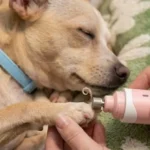
The Honest Casfuy Dog Nail Grinder Review: A Lifesaver for Anxious Paws?
Affiliate Disclosure: Hello! I’m Maya Mai. As an Amazon Associate, PetCareCompass earns from qualifying purchases made through links in this post at...
Read Guide
7 in 1 Dog Paw Cleaner Review: What 8,000+ US Buyers Really Say
Affiliate Disclosure: Hello! I’m Maya Mai. As an Amazon Associate, PetCareCompass earns from qualifying purchases made through links in this post at...
Read Guide
Casfuy 6-Speed Dog Nail Grinder Top US Reviews: Is It Worth It? (Maya’s Hands-On Audit)
Affiliate Disclosure: Hello! I’m Maya Mai. As an Amazon Associate, PetCareCompass earns from qualifying purchases made through links in this post at...
Read Guide
Gobeigo Dog Nail Clippers Review: Real US Owner Tests & Feedback
FTC Affiliate Disclosure: Hello fellow pet lovers! As an Amazon Associate, PetCareCompass earns from qualifying purchases made through links in this post...
Read Guide
Resco Deluxe Dog Nail Clippers Review: Is The Original Guillotine Still Best in 2026?
Affiliate Disclosure: Hello fellow pet parents! As an Amazon Associate, PetCareCompass earns from qualifying purchases made through links in this post at...
Read Guide
Hashimoto Dog Grooming Scissors Review: Best DIY Curved Shears?
Affiliate Disclosure: Hello fellow pet parents! As an Amazon Associate, PetCareCompass earns from qualifying purchases made through links in this post at...
Read Guide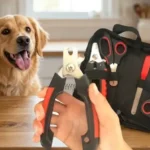
Bretheil Dog Nail Clippers Review: Is This 4-in-1 Kit Safe for Your Pet?
Affiliate Disclosure: Hello fellow pet parents! As an Amazon Associate, PetCareCompass earns from qualifying purchases made through links in this post at...
Read GuidePalmer’s for Pets Paw Balm Review: Is This Fragrance-Free Balm Safe for Your Dog’s Dry Paws?
Affiliate Disclosure: Hello fellow pet parents! As an Amazon Associate, PetCareCompass earns from qualifying purchases made through links in this post at...
Read Guide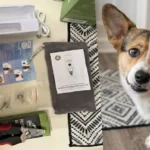
LOPSIC Dog Nail Grinder Review: Is This 4-LED Quiet Trimmer Safe for Sensitive Pets?
Affiliate Disclosure: As an Amazon Associate, I earn from qualifying purchases. If you click through any of the product links in this...
Read Guide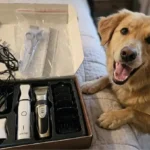
Oneisall Dog Clippers and Paw Trimmer Kit Review (2026): Is This 2-in-1 Set Worth Your Money?
Affiliate Disclosure: As an Amazon Associate, I earn from qualifying purchases through the links in this article. This comes at absolutely no...
Read Guide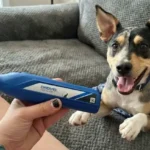
An Honest Dremel 7350-PET Review: The Ultimate Budget Dog Nail Grinder?
Affiliate Disclosure: As an animal lover and dedicated pet parent, I only recommend products I truly trust. This comprehensive Dremel 7350-PET Review...
Read Guide
Dandylion Dog Paw Cleaner Review: Is It Worth The Hype For Heavy Shedders?
Affiliate Disclosure: As an Amazon Associate, I earn from qualifying purchases. This means if you click on a link and make a...
Read Guide
Honest Tpotato Dog Nail Clippers Review 2026: Safe for Large Dogs?
Affiliate Disclosure: Hello fellow pet parents! I am Maya Mai, a lifelong animal lover. This comprehensive Tpotato Dog Nail Clippers review contains...
Read Guide
Epica Professional Pet Nail Clipper Review: Is It Truly Safe for Your Pet’s Sensitive Skin? (An Honest, Hands-On Guide)
Affiliate Disclosure: As an Amazon Associate, I earn from qualifying purchases. This means if you click on a link within this Epica...
Read Guide
Essential Clipping Nails: Step-by-Step Guide for Stress-Free Dog Grooming at Home
Safety Advisory: Clipping Nails involves working near the highly sensitive “Quick” (vascularized nerve core). Inadvertent injury can cause acute pain and hemorrhage....
Read Guide
Essential Nail Care Routine for Dogs: How to Keep Your Pup’s Paws Healthy
Medical Safety Note: An improper nail care routine can lead to injury of the “Quick” (the vascularized nerve core). In the event...
Read Guide
Essential Paw Pad Care: A Smart Guide to Healthy Dog Paws
Keeping your dog’s paws healthy is essential for their comfort, mobility, and overall well-being. Paw Pad Care is more than just a...
Read GuideNail & Paw Care Checklist
Dog Nail & Paw Care FAQ
How often should I check my dog’s nails?
Regular checks are useful because nail growth and natural wear vary between dogs. Your dog’s activity level and environment can affect how often trimming is needed.
Do dogs need their dewclaws trimmed?
Dewclaws can receive less natural wear than other nails, so they should be included in routine nail checks.
Should I trim the hair between my dog’s paw pads?
It depends on the dog’s coat and individual grooming needs. Do not assume all paw hair needs to be removed. A professional groomer can help if trimming is difficult.
What should I check on my dog’s paw pads?
Look for obvious cuts, swelling, excessive dryness, foreign material, or other changes from your dog’s normal paw condition.
What if my dog refuses to let me trim the nails?
Do not force the process. Gradual handling and positive experiences may help, while a professional groomer can safely manage dogs that are difficult to groom at home.
Explore More Dog Grooming Topics
Continue exploring our Dog Grooming section for practical guides covering different parts of your dog’s grooming routine.
General Information Disclaimer
The information provided by PetCareCompass is for general educational purposes and is not a substitute for professional veterinary advice. Every dog has different grooming requirements. If your dog has significant paw pain, an injury, persistent limping, swelling, bleeding, or another concerning symptom, consult a qualified veterinarian.