Precision Grooming: How to Use the 45-Degree Audit Method for Dermal Safety

In the discipline of systemic stewardship, the effectiveness of a grooming session is determined not by the speed of the hand, but by the kinematics of the instrument. The traditional approach to grooming often involves a perpendicular, 90-degree dragging motion—a mechanical error that prioritizes surface aesthetics over dermal integrity. To the authoritative steward, however, grooming … Read more

Why Home Grooming is a Health Necessity: A Professional Framework for Preventative Pet Stewardship

Why home grooming is a health necessity is a question that transcends the boundaries of simple aesthetics. In the evolving landscape of modern pet ownership, we are witnessing a fundamental Paradigm Shift. No longer is the act of brushing or clipping viewed as a mere “beauty treatment” performed every few months at a commercial salon. … Read more

Grooming Checklist: Step-by-Step Guide for At-Home Dog Care

Grooming Checklist

The Surveillance Mandate: A professional Grooming Checklist is more than a maintenance log; it is a systematic Integumentary System Audit. At PetCareCompass, we define grooming as the primary defense against Pathogen Bio-Burden, utilizing tactile feedback to identify Sub-Clinical Health Shifts before they manifest as chronic medical conditions. Establishing a structured Grooming Checklist is the definitive … Read more

Essential Grooming Mistakes to Avoid: A Smart Guide for Dog Owners

Grooming Mistakes to Avoid

Quick Summary: Critical Grooming Mistakes to Avoid include Sebum Depletion from over-bathing, Biofilm Consolidation due to infrequent brushing, and Follicular Trauma from incorrect tool selection. Effective grooming requires Anatomical Precision—specifically avoiding Epidermal Disruption and preventing Subgingival Pathogen buildup. By bypassing these failure points, owners maintain the dog’s Homeostatic Equilibrium and skin integrity. In the PetCareCompass … Read more

Essential Grooming Safety Tips to Avoid Common Injuries and Stress at Home

Grooming Safety Tips

Grooming your dog at home is a valuable skill that saves time, builds trust, and supports long-term health—but only when done safely. Every year, countless minor and serious grooming injuries occur due to rushed sessions, improper handling, or lack of preparation. Learning and applying proper grooming safety tips helps prevent cuts, falls, panic reactions, and … Read more

Grooming Routine Planner: How to Organize a Consistent Dog Grooming Schedule at Home

Grooming Routine Planner

Executive Summary: Strategic Grooming Routine Planning is a clinical framework focused on the maintenance of Somatic Equilibrium through Barrier Governance. This protocol defines grooming as the systematic management of the Environmental Bio-Load and Integumentary Integrity. By architecting a plan based on Keratinization Cycles and Lipid Distribution, handlers can neutralize Dermal Destabilization and preserve the Acid … Read more

Grooming Frequency Guide: A Simple, Stress-Free Way to Know How Often to Groom Your Dog

Grooming Frequency Guide

Determining the ideal grooming frequency is one of the most vital yet misunderstood aspects of canine ownership. A science-based schedule is the primary defense against painful matting and skin infections, ensuring your dog remains comfortable and healthy throughout the year. 💡 The Precision Balance: Over-grooming can strip essential natural oils and damage the skin’s biological … Read more

Essential Grooming Schedule for Every Dog: Keep Your Pet Clean, Healthy, and Happy

Grooming Schedule

Maintaining a consistent grooming schedule is more than a beauty routine—it’s a critical part of keeping your dog healthy, comfortable, and happy. Dogs rely on proper grooming to prevent matting, reduce shedding, and maintain clean, healthy skin. Whether you have a long-haired, short-haired, or double-coated breed, a structured routine ensures that no area of your … Read more

Essential Grooming Adjustments for Age to Support Older Dogs

Grooming Adjustments for Age

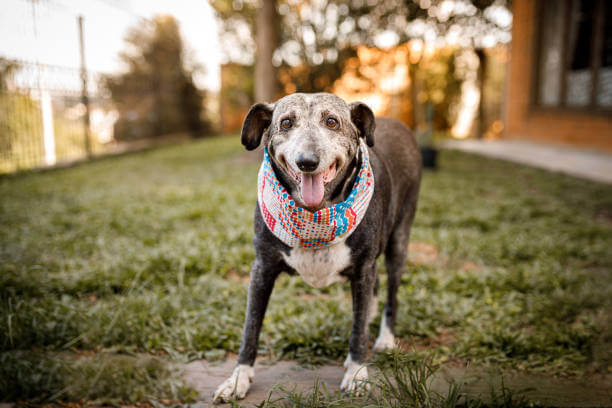
In canine geriatrics, the skin and coat serve as the primary diagnostic mirrors of internal health. As dogs cross into their senior years, their physiological resilience diminishes, making standard grooming procedures potentially stressful or even painful. Grooming adjustments for age are not merely “gentler versions” of adult routines; they are adaptive care strategies designed to … Read more