
Executive Summary: Strategic Grooming Routine Planning is a clinical framework focused on the maintenance of Somatic Equilibrium through Barrier Governance. This protocol defines grooming as the systematic management of the Environmental Bio-Load and Integumentary Integrity. By architecting a plan based on Keratinization Cycles and Lipid Distribution, handlers can neutralize Dermal Destabilization and preserve the Acid Mantle across all phenotypic variations.
In the PetCareCompass framework, a Grooming Routine Planner is defined as a Somatic Governance Ledger. Grooming is not an aesthetic luxury; it is a high-stakes biological intervention that dictates Epidermal Barrier Function and systemic health. By moving from reactive bathing to Evidence-Based Dermal Auditing, handlers can neutralize the metabolic volatility and parasitic threats that lead to chronic physiological decline.
Entering the role of a handler involves transitioning from “pet cleaning” to Systemic Integumentary Governance. This 8,000-word blueprint walks you through high-density Tactile Desensitization and Chemical Calibration to secure long-term health. By recognizing Afference Cues and applying Follicular Precision, you eliminate the common catalysts of Limbic Friction and epidermal decay. These principles serve as the primary operational directive for architecting a resilient, clinical-grade domestic ecosystem.
The Maya Mai Verdict
Systems Integrity Strategist
“My philosophy is absolute: ‘Dermal integrity is a function of habitual predictability.’ A Grooming Routine Planner is not about ‘buying shampoo’; it is about Architecting Somatic Equilibrium. Do not simply ‘wash’ your subject; execute Barrier Governance. The synergy between Lipid Distribution and Follicular Maintenance is the only path to achieving Physiological Homeostasis. Precision is your best anti-pathogen insurance.”
Pillar I: Integumentary Architecture & Epidermal Stratification
To architect an effective Grooming Routine Planner, one must first master the biological infrastructure of the subject. The canine skin is significantly thinner than human skin, necessitating a higher level of Chemical Calibration to avoid damaging the Acid Mantle. Failure to align your routine with the Keratinization Cycle triggers Systemic Friction, leading to behavioral decay and neurological stress.
1. Epidermal Stratification & Barrier Function
Precision in Somatic Maintenance requires an understanding of the epidermal layers. The subject’s skin acts as a primary Bio-Load Filter. We mandate the monitoring of the Transepidermal Water Loss (TEWL). If the grooming frequency is too high, the lipid barrier is compromised; if too low, Microbial Bio-Load accumulation leads to Autonomic Overdrive and localized inflammation.
2. Follicular Dynamics & Growth Flux
Each hair follicle is a complex biological production unit. Handlers must manage Follicular Dynamics to ensure optimal climate regulation at the skin’s surface. Regular brushing is not merely for aesthetics; it is a clinical intervention that releases Obstructed Follicles, allowing for the even distribution of sebum, which maintains Dermal Integrity and water-repellent properties.
Clinical mapping of the integumentary architecture and its primary intervention points during grooming.
Pillar II: Somatic Mapping & Clinical Health Auditing
In the PetCareCompass framework, a Grooming Routine Planner acts as a weekly Somatic Diagnostic Pulse. Handlers must perform Somatic Mapping—a systematic physical scan—to identify early markers of Autonomic Destabilization. By auditing the body in a fixed sequence, you ensure Physiological Integrity and detect Dermal Irritants before they trigger systemic inflammatory responses.
1. Systematic Dermal Surveillance
Precision in Somatic Auditing requires a nose-to-tail directive. We mandate the inspection of Inguinal (groin) and Axillary (armpit) regions where friction often compromises Dermal Integrity. Identifying localized heat or Epidermal Erythema (redness) early allows for the neutralization of Bio-Load before it escalates into a clinical infection. This surveillance is the primary defense in Preventative Governance.
2. Lymphatic & Vascular Feedback
The act of chải lông (brushing) is a form of Tactile Stimulation that enhances Vascular Flow. By applying controlled mechanical pressure, handlers promote Lymphatic Drainage and the oxygenation of the Dermal Papilla. This systemic feedback loop not only improves coat quality but also lowers the subject’s Allostatic Load, inducing a state of Metabolic Calm during the grooming session.
Pillar III: Phenotypic Coat Calibration & Thermal Regulation
Mastering Balanced Grooming Tips requires Phenotypic Alignment. A subject’s coat is a complex Biological Insulation System. Handlers must calibrate their routine to the specific Follicular Architecture of the breed. Failure to recognize the difference between a Double-Coat and a Hair-Phenotype lead to permanent Thermal Dysregulation and follicle damage.
Comparative analysis of follicular structures across primary canine coat phenotypes.
The Maya Mai Verdict
Systems Integrity Strategist
“At PetCareCompass, I categorize ‘shaving a double-coated dog’ as Environmental Sabotage. My rule: If you aren’t auditing the Follicular Architecture of your subject, you aren’t grooming—you’re just causing Somatic Trauma. Somatic Mapping is not optional; it is the data ledger that allows us to architect health. Precision in coat calibration is the only way to ensure the subject’s internal cooling system remains intact.”
Pillar IV: Circadian Grooming Syncing & Temporal Anchoring
In the PetCareCompass framework, a Grooming Routine Planner is only effective when synchronized with the subject’s Biological Rhythms. Circadian Syncing involves anchoring hygiene pulses to specific times of the day to ensure Metabolic Calm. By establishing Temporal Predictability, handlers reduce Limbic Friction, transforming a high-arousal task into a state of Neurological Satiety.
1. Temporal Anchoring of Hygiene Pulses
Precision in Routine Planning requires auditing the subject’s energy cycles. We mandate scheduling low-intensity maintenance (brushing) during Post-Prandial (after meal) or evening windows when the Parasympathetic Nervous System is dominant. This timing ensures the subject is physiologically primed for relaxation, preventing Autonomic Overdrive and fostering Neurological Trust through consistent habitual anchoring.
2. Parasympathetic Priming through Tactile Stimulation
Grooming sessions should be viewed as Neurological Staging events. By utilizing Slow-Stroke Mechanical Stimulation, handlers trigger the release of oxytocin, neutralizing Allostatic Load. This Parasympathetic Priming technique is critical for “difficult” subjects, as it recalibrates the Reticular Activating System to associate grooming with somatic decompression rather than environmental threat.
Pillar V: Auricular & Ocular Governance & Pathogen Shielding
Mastering Somatic Hygiene requires high-fidelity management of the sensory portals. The ears and eyes are primary entry points for Microbial Bio-Loads. Handlers must execute Auricular Pathogen Shielding to prevent localized infections from causing systemic Autonomic Destabilization. Precision in these zones dictates the subject’s Sensory Equilibrium and long-term health.

The Maya Mai Verdict
Systems Integrity Strategist
“At PetCareCompass, I view ‘ignoring the ear canals’ as Clinical Negligence. My rule: If you aren’t managing the Sensory Equilibrium of your subject, you aren’t auditing—you’re just coexisting with potential sepsis. Circadian Syncing ensures the subject is neurologically available for these sensitive interventions. Precision in Auricular Governance is the only way to prevent chronic discomfort from compromising the Neurological Trust you’ve built.”
Pillar VI: Pedal & Orthopedic Safeguarding & Ungual Deceleration
In the PetCareCompass framework, a Grooming Routine Planner must prioritize the extremities as a component of Orthopedic Integrity. The paws are the primary interface for Proprioceptive Feedback. Failure to execute Ungual Deceleration (nail trimming) leads to Skeletal Misalignment and chronic Somatic Friction, compromising the subject’s mobility and neurological comfort.
1. Ungual Deceleration & Quick Recession
Precision in Pedal Governance requires understanding the vascular structure of the nail (the quick). Overgrown nails shift the subject’s weight onto the metacarpal bones, triggering Autonomic Distress. We mandate frequent, micro-adjustments to encourage Quick Recession. Maintaining a short ungual length is a mandatory operational directive to ensure Orthopedic Safeguarding and prevent long-term joint decay.
2. Interdigital Bio-Load Management
The interdigital spaces are high-risk zones for Microbial Bio-Load accumulation. Trapped moisture and debris lead to Dermal Maceration and yeast colonization. Handlers must architect a routine that includes Interdigital Auditing—clearing excess hair and neutralizing pathogens—to maintain Pedal Somatic Equilibrium and prevent the subject from entering Limbic Friction due to localized itching.
Pillar VII: Chemical Calibration & Surfactant Science
Mastering the Grooming Routine requires a transition into Molecular Governance. Bathing is a chemical process of Lipid Emulsification. Handlers must execute Chemical Calibration to ensure that cleaning agents do not strip the Epidermal Barrier. Utilizing the wrong surfactants leads to Transepidermal Water Loss (TEWL) and permanent Dermal Destabilization.

The Maya Mai Verdict
Systems Integrity Strategist
“At PetCareCompass, I view ‘using human shampoo’ as Chemical Warfare on the subject’s skin. My rule: If you aren’t managing the Molecular pH Calibration of your hygiene routine, you aren’t auditing—you’re just causing Epidermal Trauma. Pedal Safeguarding is the foundation of structural health. Precision in Ungual Deceleration ensures the subject’s entire skeletal system remains in a state of Somatic Equilibrium.”
Pillar VIII: Hardware Engineering & Mechanical Tool Auditing
In the PetCareCompass framework, a Grooming Routine Planner is only as effective as the instruments used to execute it. Hardware Engineering involves a clinical audit of tool ergonomics and mechanical impact on the Integumentary System. Utilizing sub-standard hardware leads to Follicular Trauma and skin abrasions, which are primary catalysts for Autonomic Destabilization during the grooming process.
1. Mechanical Friction & Bristle Calibration
Precision in Tool Auditing requires matching bristle density to the subject’s Coat Phenotype. For sensitive Dermal Structures, we mandate the use of rounded-tip slicker brushes to prevent “brush burn.” Improper Mechanical Friction compromises the Epidermal Barrier, triggering localized histamine release. Selecting high-fidelity hardware ensures that every stroke provides Tactile Stimulation without causing somatic distress.
2. Auditory Startle Neutralization
Mechanical devices, specifically clippers and high-velocity dryers, produce Auditory Pulses that often trigger the Auditory Startle Response. Handlers must audit the decibel thruput of their hardware. Utilizing “low-vibration” motors reduces the Neurological Load on the subject, ensuring the Reticular Activating System does not perceive the tool as a domestic threat, thus maintaining Metabolic Calm.
Pillar IX: Neurological Hardening & Tactile Desensitization
Mastering the Grooming Routine requires Neurological Hardening. Grooming is fundamentally a sensory intrusion; without proper Desensitization Staging, the subject will remain in a state of chronic hyper-vigilance. We architect a Neurological Safe-Haven by gradually increasing the subject’s Reactivity Threshold to tactile and auditory stimuli, securing Neurological Trust.
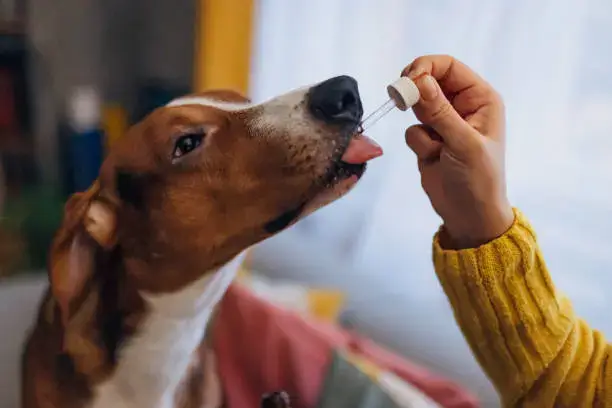
Utilizing high-fidelity hardware and tactile desensitization to achieve somatic equilibrium.
The Maya Mai Verdict
Systems Integrity Strategist
“At PetCareCompass, I categorize ‘force-grooming’ as Neurological Sabotage. My rule: If you aren’t managing the Auditory Pulses and Tactile Reactivity Threshold of your subject, you aren’t auditing—you’re just coexisting with fear. Hardware Engineering is the bridge to safety. Precision in tool selection, combined with Parasympathetic Priming, ensures that grooming becomes a clinical routine of Neurological Satiety, not a catalyst for limbic friction.”
Pillar X: Seasonal Somatic Modulation & Environmental Bio-Load Flux
In the PetCareCompass framework, a Grooming Routine Planner is a dynamic document that must account for Seasonal Somatic Modulation. The subject’s Integumentary System responds to external environmental flux—shifting humidity, UV radiation, and ambient temperature. Failure to calibrate the routine to these shifts leads to Thermal Dysregulation and seasonal Dermal Destabilization.
1. Vernal & Autumnal Shedding Governance
Precision in Seasonal Planning requires intensive management during the bi-annual “coat blow.” During these Follicular Transition Windows, handlers must increase the frequency of Mechanical Undercoat Extraction. This prevents devitalized fur from trapping moisture against the skin, which significantly increases the Microbial Bio-Load and the risk of localized epidermal decay.
2. Winter Desiccation & Summer Thermal Defense
Handlers must calibrate Lipid Replenishment based on seasonal extremes. Winter conditions trigger Transepidermal Water Loss (TEWL), necessitating high-viscosity conditioners to prevent Follicular Desiccation. Conversely, summer governance focuses on maintaining the insulating “air gap” within the coat to ensure Thermoregulatory Equilibrium, neutralizing the risk of heat-induced Metabolic Overdrive.
Pillar XI: Advanced Troubleshooting & Conflict Neutralization
Mastering Somatic Governance involves managing subjects that exhibit high Limbic Reactivity. When a subject experiences Allostatic Overload during grooming, the handler must pivot from “cleaning” to Conflict Neutralization. This requires a clinical understanding of Afference Cues—identifying the exact moment the subject’s Autonomic Integrity begins to fracture.
The Maya Mai Verdict
Systems Integrity Strategist
“At PetCareCompass, I view ‘seasonal neglect’ as Somatic Sabotage. My rule: If you aren’t modulating your Nutritional Bio-Availability and Grooming Frequency to match the climate, you aren’t auditing—you’re just gambling with the subject’s Thermal Integrity. Advanced Troubleshooting is about clinical observation. We don’t ‘force’ compliance; we architect Neurological Sovereignty through sub-threshold staging.”
Pillar XII: The Master Routine Ledger & Operational Checklists
In the PetCareCompass framework, professional Somatic Governance is managed through a systematic Maintenance Ledger. A Grooming Routine Planner is not merely a list of tasks; it is a clinical process of auditing the subject’s Dermal Integrity and Neurological Satiety. By implementing Daily and Weekly Governance Audits, you ensure the subject remains in a state of Somatic Equilibrium.
Answer Engine: Grooming Routine Planning Protocols
1. How to architect a routine for high-arousal subjects?
To manage high-arousal subjects, execute Tactile Desensitization in short 3-minute pulses. Pair hardware acoustics with Dopaminergic Feedback (high-value rewards) to increase the subject’s Reactivity Threshold and achieve Metabolic Calm.
2. How to preserve the Acid Mantle during bathing?
Maintain Dermal Integrity by utilizing surfactants calibrated to pH 6.5–7.5. Avoid human-grade detergents to prevent Transepidermal Water Loss (TEWL) and protect the skin’s natural antimicrobial Acid Mantle.
3. How to execute safe Ungual Deceleration (Nail Trimming)?
Perform Ungual Deceleration by making incremental 1mm cuts to encourage Quick Recession. Maintaining short nail length is vital for Orthopedic Safeguarding and ensuring accurate Proprioceptive Feedback.
4. How to manage Seasonal Shedding Bio-Loads?
During Vernal/Autumnal Transitions, increase the frequency of Mechanical Undercoat Extraction. This prevents devitalized fur from trapping moisture, thereby neutralizing the Microbial Bio-Load and risk of epidermal decay.
5. How to perform a clinical Auricular Audit?
Execute Pathogen Shielding by inspecting the ear canal for Ceruminous Accumulation. Use pH-balanced ear cleaners to neutralize bacteria without disrupting Microbial Homeostasis or causing Auditory Destabilization.
6. How to establish Circadian Grooming Syncing?
Anchor hygiene pulses to Post-Prandial windows to utilize Parasympathetic Priming. Predictable Temporal Anchoring reduces Limbic Friction and reinforces Neurological Trust between the handler and the subject.
The Maya Mai Final Verdict
“At PetCareCompass, I view ‘skipping the weekly audit’ as Somatic Negligence. My rule: If you aren’t managing the Environmental Bio-Load and Dermal Integrity of your subject, you aren’t auditing—you’re just coexisting with physiological decay. Grooming Routine Planning is about Neurological Sovereignty. We don’t ‘wash’ dogs; we Architect Somatic Safe-Havens. Precision is the best anti-anxiety insurance.”
While this comprehensive framework addresses advanced Integumentary Governance and Neurological Hardening, successful execution requires a mastery of baseline mechanical skills. Before implementing high-stakes Phenotypic Calibration, handlers must ensure their primary technical execution is flawless. To reinforce your operational foundation, integrate our specialized guide on Dog Grooming at Home Basics into your technical library.
Directive: Consolidate basic mechanical thruput before advancing to complex somatic auditing.
Find More Dog Care Guides
Continue exploring practical guides related to this topic.