
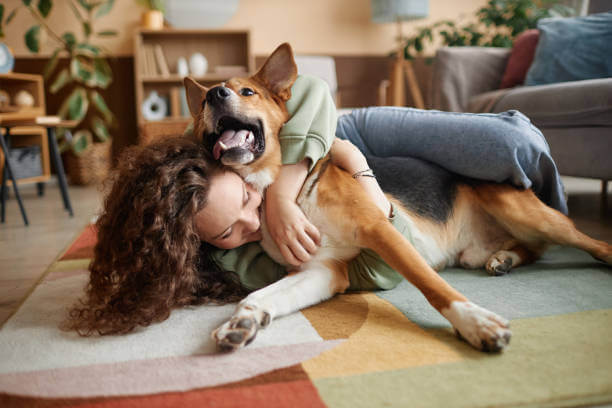
Caring for a dog in an apartment presents a unique set of physiological and psychological challenges. Beyond simple space limitations, high-density urban living significantly impacts a dog’s Circadian Rhythm, acoustic sensitivity, and metabolic health.
Whether you are a first-time owner or transitioning from a spacious estate, this guide offers actionable clinical strategies to ensure your companion remains biologically fulfilled in a confined environment. We focus on preventative wellness—transforming your apartment into a functional sanctuary.
🛡️ Veterinary Perspective
“Urban dog care requires a shift toward Environmental Enrichment. In modern veterinary practice, we emphasize reducing Cortisol levels by managing ambient stressors and maximizing cognitive engagement to prevent behavioral stagnation.”
Precision feeding in small spaces.
Noise desensitization techniques.
Mental stimulation through layout.
Engineering a High-Performance Apartment Environment
Optimizing dog care in apartment settings requires a shift from “living with a pet” to “engineering a space” that supports their biological needs. Urban environments often lack natural stimuli, making it vital to implement creative solutions that prevent behavioral atrophy and physical stagnation.
Spatial Zoning for Cognitive Clarity
Dogs thrive on environmental predictability. Even in a studio apartment, creating designated Functional Zones helps reduce generalized anxiety and improves house training.
- The Safe Haven: Use rugs or specific bedding to mark a “Quiet Zone.” This serves as a neurological reset point where the dog feels untouchable and secure.
- Tactile Enrichment: Use rotation-based enrichment. Weekly toy rotation prevents Habituation, keeping your dog mentally engaged.
⚠️ Clinical Red Flag: Window Access
While window perches offer visual stimulation, they can trigger Barrier Frustration or reactive barking in high-traffic urban areas. Monitor your dog’s body language—if they appear stiff or growl at passersby, limit window access to specific times to lower their daily Cortisol baseline.
The “Dog-Proofing” Safety Audit
Safety in an apartment is about mitigating Invisible Hazards. Before focusing on enrichment, ensure the environment passes this clinical safety check:
Secure loose cords. Boredom-induced chewing is the #1 cause of household electrical accidents for indoor pets.
Store cleaning agents in locked cabinets. Concentrated vapors in small spaces can irritate sensitive canine respiratory systems.
Establishing Biological Routines
Consistency is the cornerstone of Urban Canine Wellness. A predictable schedule stabilizes the dog’s internal clock (Circadian Rhythm), which is often disrupted by artificial lighting in apartment buildings.
- Synchronized Feeding: Serve meals at precise times to regulate metabolic rates and gastrointestinal motility.
- Biometric Tracking: Monitor energy levels and potty habits. Sudden changes in these patterns in a confined space are early indicators of systemic health issues.
The Urban Biological Clock: Example Daily Routine
To mitigate Separation Anxiety and digestive issues, apartment dogs require a rigorous Circadian schedule. Consistency stabilizes hormone production, making transitions between rest and activity seamless.
| Time | Activity Phase | Clinical Focus |
|---|---|---|
| 07:00 AM | Morning Elimination Walk | Sunlight exposure to trigger Serotonin. |
| 07:30 AM | Nutritional Enrichment | Puzzle feeders to stimulate foraging instincts. |
| 01:00 PM | Systemic Rest (Nap) | Crate or Safe Zone to prevent over-stimulation. |
| 06:00 PM | Cognitive Training | Positive reinforcement to lower evening Cortisol. |
| 09:00 PM | Sensory Wind-down | Calm music + chew toys for jaw muscle relaxation. |
Acoustic Hygiene & Stress Mitigation
In high-density US apartments, Acoustic Pollution (elevators, hallway footsteps) is a primary trigger for reactive barking. Managing your dog’s auditory environment is as crucial as physical exercise.
🎧 Auditory Masking
Use White Noise or 60 BPM classical music. This frequency range is clinically proven to lower canine heart rates during urban peak hours.
🧠 Counter-Conditioning
Pair unavoidable hallway noises with high-value treats to change your dog’s emotional response from fear to anticipation.
Urban Hygiene: Managing Micro-Spaces
Limited ventilation in apartments increases the concentration of Dander and Allergens. A clinical hygiene routine protects both the pet’s skin and the owner’s respiratory health.
Daily Sanitation Protocol
- Paw Decontamination: Wipe paws after walks to prevent urban toxins (pesticides, salts) from entering your bed.
- Enzymatic Cleaning: Always use enzymatic cleaners for indoor accidents to completely break down Urea crystals.
- Air Filtration: Utilize HEPA filters to manage airborne dander in confined studio settings.
Cognitive Enrichment: Beyond Physical Exercise
In a confined urban setting, mental exhaustion is often more effective than physical exertion. Mastering dog care in apartment life requires engaging your dog’s Olfactory (Scent) and problem-solving faculties to prevent cognitive decline and destructive behaviors.
🧩 Bio-Logical Feeding
Ditch the bowl. Use Puzzle Feeders or Snuffle Mats. Forcing a dog to work for their calories mimics natural foraging, lowering baseline anxiety.
👃 Scent Work (Nosework)
Hide high-value treats in various zones. 15 minutes of intensive sniffing is calorically equivalent to an hour-long walk for most urban breeds.
Indoor Agility: The “Safe” Obstacle Course
Building an indoor course improves Proprioception (body awareness). However, always ensure your apartment flooring has adequate traction (rugs or yoga mats) to prevent ACL or joint strain.
- 1. Weave Poles: Use dining chairs to teach “Figure-8” movements for spinal flexibility.
- 2. The Cup Game: Hide a treat under one of three cups to build focus and visual tracking.
- 3. Low-Impact Jumps: Use small pillows to encourage gentle “lifts” without high-impact landings.
Explore More Urban Pet Care Resources
Deepen your knowledge with our clinical guides for every life stage and lifestyle:
Optimizing Physical & Cognitive Wellness in Confined Spaces
High-density living doesn’t have to mean a sedentary lifestyle. In dog care in apartment settings, the goal is to substitute wide-open spaces with high-intensity cognitive engagement and low-impact physical drills. This prevents common urban pathologies such as restless pacing, destructive chewing, and obsessive barking.
Indoor Kinetic Strategies
Physical exertion indoors should focus on controlled movements to protect joints while depleting energy reserves.
- Hallway Kinetic Drills: Long hallways for “Soft-Toss” fetch or tugging.
- Controlled Stair Climbing: Short bursts of stair climbing for cardiac stamina.
- Precision Trick Training: Complex commands (“balance”/”reverse”) exhaust dogs fast.
The Cognitive Enrichment Blueprint
| Phase | Activity Type | Wellness Goal |
|---|---|---|
| Morning | Puzzle Feeder | Foraging & problem-solving |
| Midday | “Find It” Scent Games | Activates olfactory cortex |
| Afternoon | Trick Drills | Proprioception & bond |
| Evening | Interactive Play | Expends remaining energy |
Maya’s Pro Tip: High-energy breeds like Border Collies or Jack Russells living in urban lofts don’t just need more exercise; they need novelty. Rotate your interactive toys weekly to prevent Habituation, keeping the “mental spark” alive in small spaces.
Precision Nutrition: Metabolic Management for Indoor Dogs
In a confined environment, a dog’s Basal Metabolic Rate (BMR) may decrease due to lower physical activity levels. Maintaining dog care in apartment settings requires a focus on nutrient density rather than calorie volume to prevent urban canine obesity.
Caloric & Digestion Control
- Caloric Precision: Use gram scales for portion control. Even a 10-20g surplus per meal causes quarterly weight gain.
- Gastrointestinal Pacing: Slow-feeders prevent Postprandial Regurgitation and Bloat (GDV).
🚨 Veterinary Note: Weight & Joints
“For apartment dogs, obesity is the silent enemy of longevity. Carrying just two extra pounds can increase the risk of Osteoarthritis significantly when the dog is regularly navigating hardwood floors or stairs. Focus on high-protein, low-filler diets.”
Urban Socialization: Building Environmental Confidence
Apartment dogs often face Sensory Overload from elevators, hallways, and constant proximity to strangers. Intentional socialization is not just about “meeting friends”—it’s about Neutrality Training.
🤝 Clinical Socialization Protocol
Focus on these three pillars to ensure a well-adjusted urban companion:
Reward your dog for ignoring neighbors in the hallway rather than rushing to greet them.
Teach your dog to sit in the far corner of elevators to maintain personal space.
Monitor for displacement behaviors (lip licking, yawning) during interactions.
Proactive Health Monitoring & Preventive Care
In high-density urban environments, preventative healthcare acts as a safeguard against stress-induced pathologies and sedentary-related ailments. Maintaining dog care in apartment settings requires a systematic approach to biometric and behavioral monitoring.
The Urban Pet Health Audit
Keep vaccinations for Bordetella and Leptospirosis up to date due to high-traffic shared areas.
Year-round flea, tick, and heartworm prevention is non-negotiable for city-dwelling dogs.
Monitor for “Lethargy of Confinement.” Changes in puzzle feeder interest signal health shifts.
Advanced Resources & Guidance
For further evidence-based indoor exercise strategies and clinical enrichment techniques, consult the American Kennel Club (AKC) Guide on Indoor Canine Exercise.
This resource provides veterinary-approved instructions for indoor games, proprioception training, and safe cognitive play.
The Pillar of Metabolic & Behavioral Stability
Effective dog care in apartment life extends far beyond physical exercise. Nutritional precision and behavioral management form the bedrock of a stable urban home. In high-density environments, where outdoor access is scheduled rather than spontaneous, mastering your dog’s metabolic routine is essential to prevent secondary issues like anxiety-driven eating or indoor accidents.
Precision Nutrition Rules
- Volumetric Precision: Use a standardized gram scale for portion control.
- Gastrointestinal Pacing: Slow-feeding devices prevent regurgitation and bloat.
- Low-Glycemic Rewards: Use single-ingredient, low-calorie treats (freeze-dried liver/green beans).
Structured Feeding Protocol
- Divide & Conquer: Split daily rations into 2–3 windows.
- Cognitive Mealtime: Dedicate 1 meal to a Level 2 Puzzle Feeder.
- Hydration Hygiene: Provide filtered water, replacing twice daily.
Behavioral Resilience & Elimination Hygiene
Managing Urban Stressors
- Desensitization Strategy: Use low-volume recordings of apartment noises during mealtime.
- Redirection Over Punishment: Use “Place” command to redirect alert-barking.
- Destructive Chewing Mitigation: Provide durable chews (yak chews/rubber toys).
Indoor Elimination Hygiene
- Strategic Placement: Keep indoor toilet in low-traffic, ventilated area.
- Post-Prandial Timing: Gastrocolic Reflex triggers 15-30 mins post-meal.
- The Cleanliness Rule: Use Enzymatic Cleaners to break down urea crystals.
The Master Checklist for Urban Canine Success
🌅 Morning: Activation
- ✅ Elimination: Quick potty walk or indoor session.
- ✅ Enrichment: Breakfast via puzzle feeder.
- ✅ Kinetic: 5-10 mins hallway “Soft-Toss” or tug.
☀️ Midday: Maintenance
- ✅ Rest: “Quiet Time” in a low-traffic Safe Zone.
- ✅ Olfactory: Scent games or hidden treats.
- ✅ Training: Short session focusing on impulse control.
🌙 Evening: Wind-Down
- ✅ Metabolic: Portion-controlled dinner (Precision Weighing).
- ✅ Engagement: Mini-obstacle course or trick-learning.
- ✅ Sensory: Chew toy paired with 60 BPM calming music.
🧹 Weekly: Systemic Hygiene
- ✅ Dermatological: Full coat brushing to minimize dander.
- ✅ Sanitization: Wash bedding/soft toys in hypo-allergenic detergent.
- ✅ Environment: HEPA-vacuum high-traffic zones.
Addressing Urban Behavioral Risks
🏠 Separation Anxiety
Establish a “Departure Routine” with a high-value chew. Practice short absences (1-5 mins) for desensitization.
🔊 Trigger-Reactive Barking
Manage auditory threshold with white noise near doors and reward “Quiet” behavior immediately upon stimulus.
🐕 Socialization Gaps
Focus on Social Neutrality—rewarding your dog for calmly observing others from a distance without leash reactivity.
FAQ: Expert Insights on Apartment Dog Care
1. How often should I walk my dog in an apartment?
Minimum of two 20-minute walks daily. These “sniffari” walks provide essential olfactory enrichment and mental decompression.
2. What are the most effective toys for urban dogs?
Focus on Level 2 or 3 Puzzle Feeders and long-lasting biological chews to trigger natural prey drives safely indoors.
3. How can I stop alert-barking at hallway noises?
Implement Auditory Masking (white noise) and practice “Look at That” (LAT) training to reward focus over vocalizing.
4. Is indoor potty training a viable long-term solution?
Yes, provided you manage substrate preference using grass patches or pads, without replacing outdoor elimination benefits.
Deep Dive: For institutional guidelines on managing urban pet stress, explore the ASPCA Official Guide to Apartment Dog Care.
Thriving, Not Just Living
“Mastering dog care in apartment settings is a journey of intentionality. By balancing metabolic health, cognitive enrichment, and structured hygiene, you transform your urban living space into a sanctuary of wellness.”
Your dog doesn’t need a backyard; they need your engagement.
Find More Dog Care Guides
Continue exploring practical guides related to this topic.