

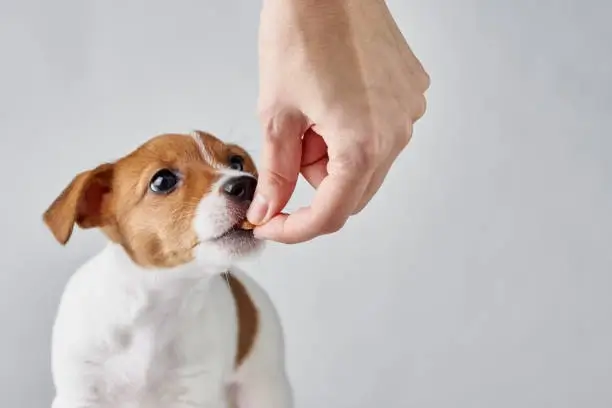
Dog Care at Home for Beginners often feels confusing at first, especially when new owners are unsure what truly matters day to day. This guide simplifies Dog Care at Home for Beginners by focusing on practical responsibilities, safe home setup, and realistic daily routines. With the right foundation, caring for a dog at home becomes manageable, consistent, and far less stressful.
Understanding the Basics of Dog Ownership at Home
Starting Dog Care at Home for Beginners requires more than affection and good intentions. Dogs depend on structure, consistency, and clear expectations to feel secure in a new environment. Many beginner challenges come not from lack of effort, but from misunderstanding what daily dog ownership actually involves. Learning the basics early helps prevent frustration for both the dog and the owner.
What daily dog care actually involves
Daily care goes beyond feeding and letting a dog outside. Dogs need regular interaction, observation, and guidance throughout the day. This includes monitoring behavior, responding to emotional needs, and maintaining predictable routines.
In Dog Care at Home for Beginners, consistency matters more than perfection. Dogs thrive when daily patterns feel familiar. Small actions—such as greeting calmly, offering meals at regular times, and providing quiet rest periods—build trust and stability over time.
Time, commitment, and expectations for beginners
One of the most common beginner mistakes is underestimating the time required for proper care. Dogs are social animals that need engagement, not just physical presence. Ignoring this often leads to attention-seeking behaviors or anxiety.
Successful Dog Care at Home for Beginners starts with realistic expectations. Dogs need daily exercise, mental stimulation, and companionship. While routines become easier over time, the initial adjustment period requires patience and consistency from every household member.
Common beginner misconceptions about dog ownership
Many beginners believe dogs will naturally adapt without guidance. In reality, dogs learn household rules through repetition and clear boundaries. Inconsistent responses—allowing behaviors one day and discouraging them the next—create confusion.
Understanding this principle is essential to Dog Care at Home for Beginners. Dogs are not intentionally misbehaving; they are responding to unclear communication. Clear routines and calm corrections help dogs understand expectations without fear or stress.
Creating a Safe and Comfortable Home Environment
A well-prepared home environment is the foundation of Dog Care at Home for Beginners. Dogs rely on their surroundings to feel safe, especially during the first weeks. Poor setup often leads to accidents, stress behaviors, or unnecessary restrictions later on. A thoughtful home layout makes daily care easier and safer.
Making your home dog-safe step by step
Dogs explore their environment using their mouths and noses. Loose cords, cleaning chemicals, sharp objects, and small items can all pose risks. Beginners should evaluate each room carefully and remove or secure potential hazards.
In Dog Care at Home for Beginners, prevention reduces the need for constant correction. Baby gates, closed doors, and designated dog areas limit access to unsafe spaces while allowing freedom where appropriate. This balance helps dogs learn boundaries without constant supervision.
Setting boundaries inside the house
Boundaries help dogs understand where they can rest, eat, and relax. Allowing unrestricted access too early can overwhelm a dog and increase accidents. Instead, gradually expand access as the dog demonstrates reliable behavior.
Clear boundaries support Dog Care at Home for Beginners by creating predictability. When dogs know where they belong, they settle more easily and show fewer stress-related behaviors. Consistent boundaries also make training more effective.
Choosing resting and feeding areas
Dogs need quiet, comfortable spaces to rest undisturbed. Feeding and sleeping areas should remain consistent to reduce anxiety. Moving these locations frequently can cause confusion, especially for beginner owners still establishing routines.
As part of Dog Care at Home for Beginners, select locations away from heavy foot traffic and loud noises. A calm environment supports better sleep, digestion, and emotional regulation, all of which contribute to smoother daily care.
Establishing Simple Daily Care Routines
Routine is the backbone of Dog Care at Home for Beginners. Dogs rely on predictable schedules to understand expectations and feel secure. Without routine, dogs may become anxious, restless, or resistant to guidance. Simple, repeatable habits are more effective than complex schedules.
Why routines matter for dogs
Dogs are pattern-oriented animals. Knowing when to eat, rest, play, and go outside reduces uncertainty and stress. Routines help regulate energy levels and behavior throughout the day.
In Dog Care at Home for Beginners, routines also benefit owners. Predictable schedules make it easier to balance dog care with work and personal responsibilities. Over time, routines reduce decision fatigue and improve consistency.
Feeding, walking, and rest timing
Consistent timing for meals and walks supports digestion and house training. Feeding at random hours can lead to digestive issues and unpredictable elimination patterns. Walking at similar times each day helps dogs anticipate activity and rest periods.
Structured timing is a key element of Dog Care at Home for Beginners. Even simple schedules—morning, afternoon, and evening—provide enough structure to guide behavior and improve cooperation.
Keeping routines flexible but consistent
Life is not perfectly predictable, and routines should allow for some flexibility. The goal is consistency, not rigidity. Occasional changes are manageable as long as the core structure remains familiar.
Effective Dog Care at Home for Beginners means adapting without abandoning routines. When schedules change, returning to familiar patterns helps dogs adjust quickly and reduces anxiety. Flexibility paired with consistency builds resilience.
Keeping your dog healthy and happy at home starts with a well-planned routine. If you’re new to dog care, start with Dog Care at Home for Beginners for simple steps to get going. For busy pet owners, Dog Care for Busy Owners shares practical tips to stay on track. You might also find Daily Dog Care Routine at Home and Dog Daily Schedule at Home helpful for structuring your dog’s day. Remember to review Basic Dog Care Rules and Keep Dog Healthy at Home to ensure your furry friend gets consistent care. For guidance on different life stages, explore Puppy Care at Home, Adult Dog Care at Home, and Senior Dog Care at Home. And for a complete overview, check out our main Dog Care Basics guide to see everything in one place.
Feeding and Nutrition Basics for Beginner Dog Owners
Nutrition is one of the most confusing areas of Dog Care at Home for Beginners, largely because of conflicting advice and overwhelming product choices. New owners often worry about feeding “the wrong thing” or “not enough.” Understanding simple nutrition principles helps beginners make confident decisions without overcomplicating daily care.
Understanding basic dog nutrition
Dogs require a balanced diet that includes protein, fats, carbohydrates, vitamins, and minerals. These nutrients support energy, muscle maintenance, digestion, and immune function. While specific needs vary by size and activity level, most healthy dogs thrive on complete, commercially formulated diets.
In Dog Care at Home for Beginners, the goal is consistency rather than perfection. Switching foods frequently or adding unnecessary supplements can upset digestion. Many professionals recommend sticking to one high-quality food and monitoring how the dog responds over time.
How to read dog food labels
Dog food labels can feel intimidating at first, but understanding a few basics makes them manageable. Look for named protein sources as primary ingredients and clear nutritional adequacy statements. Avoid focusing solely on marketing terms that may not reflect actual quality.
For Dog Care at Home for Beginners, label awareness builds confidence. Learning to compare ingredient lists and feeding guidelines helps owners make informed choices without relying on trends or social media opinions.
Avoiding overfeeding and underfeeding
Portion control is critical, especially for beginners who may equate food with affection. Overfeeding can lead to weight gain and joint strain, while underfeeding may affect energy and overall health.
Effective Dog Care at Home for Beginners includes observing body condition rather than strictly following package guidelines. Adjusting portions gradually based on activity and weight changes helps maintain long-term health.
Basic Training and Behavior Expectations

Training does not require advanced techniques to be effective, particularly in Dog Care at Home for Beginners. Clear communication, consistency, and patience are far more important than complex commands. Setting realistic behavior expectations helps prevent frustration on both sides.
What behaviors beginners should focus on first
Beginners benefit most from focusing on foundational behaviors such as calm greetings, responding to their name, and basic leash manners. These skills improve safety and daily interactions while building trust.
In Dog Care at Home for Beginners, early training should emphasize what the dog should do, not just what to avoid. Rewarding calm behavior encourages repetition and helps dogs understand expectations clearly.
Using consistency instead of punishment
Punishment-based methods often confuse dogs and damage trust. Dogs respond best to consistent guidance and predictable consequences. Ignoring unwanted behaviors and reinforcing desired ones leads to more reliable results.
Many professionals recommend that Dog Care at Home for Beginners prioritize positive reinforcement. Calm redirection and clear routines reduce anxiety and support learning without fear.
Understanding dog body language
Dogs communicate primarily through body signals rather than vocalization. Learning to recognize stress signs, relaxation cues, and excitement helps beginners respond appropriately.
Within Dog Care at Home for Beginners, reading body language prevents misunderstandings. Recognizing discomfort early allows owners to adjust situations before behaviors escalate.
Exercise, Play, and Mental Stimulation at Home

Physical and mental activity are essential components of Dog Care at Home for Beginners. Dogs need more than occasional walks to stay balanced. Without adequate stimulation, boredom-related behaviors often develop, especially in home environments.
Matching exercise to dog age and size
Exercise needs vary widely depending on breed, age, and health. High-energy dogs may require longer activity sessions, while smaller or older dogs may benefit from shorter, more frequent movement.
In Dog Care at Home for Beginners, observing the dog’s response is key. Signs of excessive fatigue or restlessness indicate that activity levels may need adjustment.
Indoor play ideas for beginners
Not all exercise needs to happen outdoors. Indoor games such as gentle tug, puzzle toys, or hide-and-seek provide mental engagement and controlled movement.
For Dog Care at Home for Beginners, indoor play is especially useful during bad weather or busy days. Short, engaging sessions can be just as beneficial as longer outdoor activities when done consistently.
Preventing boredom at home
Boredom is a common cause of destructive behaviors. Dogs left without stimulation may chew, bark, or seek attention in undesirable ways.
Maintaining variety supports Dog Care at Home for Beginners. Rotating toys, changing walking routes, and introducing new enrichment activities help keep dogs mentally satisfied. For evidence-based guidance on enrichment and exercise needs, resources from the American Kennel Club provide helpful insights:
American Kennel Club – Dog Exercise and Mental Stimulation
Health Monitoring and Preventive Care Basics
Health awareness is a critical responsibility in Dog Care at Home for Beginners, even when a dog appears healthy and energetic. Many health issues develop gradually, and early signs are often subtle. Learning how to observe, prevent, and respond appropriately gives beginners confidence and helps dogs stay well long term.
Daily health observations every beginner should make
Simple daily observation is one of the most effective habits in Dog Care at Home for Beginners. Owners should note appetite, water intake, energy level, elimination patterns, and coat condition. Changes do not always indicate illness, but patterns matter more than isolated incidents.
Many professionals recommend turning observation into a routine rather than a reaction. Calmly checking eyes, ears, paws, and movement helps beginners notice abnormalities early. These habits also make dogs more comfortable with handling, which is beneficial during veterinary visits.
Understanding vet visits and preventive care
Veterinary care is a core extension of Dog Care at Home for Beginners. Regular checkups, vaccinations, and parasite prevention protect dogs from common and preventable conditions. Beginners often delay visits due to uncertainty, but early professional guidance reduces long-term risk.
Preventive care includes more than vaccines. Dental checks, weight monitoring, and routine screenings all support overall health. If concerns persist or behavior changes seem unusual, consulting a licensed veterinarian is always recommended rather than waiting for symptoms to worsen.
Knowing when to seek professional help
Not every issue requires immediate intervention, but some signs should never be ignored. Persistent vomiting, diarrhea, lethargy, limping, or sudden behavior changes warrant professional evaluation.
Within Dog Care at Home for Beginners, learning when to act is just as important as learning daily routines. Prompt attention often leads to faster recovery and reduces stress for both dog and owner.
Building Long-Term Confidence as a Beginner Dog Owner
The long-term goal of Dog Care at Home for Beginners is not perfection, but confidence. Experience, consistency, and patience gradually replace uncertainty. As beginners grow more comfortable, dogs benefit from calmer leadership and clearer communication.
Learning from mistakes without stress
Mistakes are a normal part of Dog Care at Home for Beginners. Missed walks, inconsistent commands, or feeding errors happen to every new owner. The key is recognizing patterns and adjusting rather than dwelling on guilt.
Dogs respond best to calm correction and consistency moving forward. Viewing challenges as learning opportunities helps beginners improve without damaging trust or confidence.
Adjusting care as experience grows
As owners gain experience, routines naturally evolve. Activity levels, training expectations, and enrichment strategies should adapt to the dog’s age and personality.
Successful Dog Care at Home for Beginners involves flexibility grounded in structure. Beginners who remain open to learning often notice fewer behavioral issues and stronger bonds over time.
Maintaining consistency for long-term success
Consistency remains essential even as confidence grows. Dogs rely on predictable rules and responses to feel secure. Sudden changes without guidance can cause confusion, even in well-adjusted dogs.
Many experienced owners note that Dog Care at Home for Beginners becomes easier when routines are stable and expectations are clear. For additional evidence-based guidance on lifelong canine health and care, the American Veterinary Medical Association provides trusted educational resources:
American Veterinary Medical Association – Dog Owner Education
Frequently Asked Questions (FAQ)
How long does it take to feel confident as a beginner dog owner?
Confidence usually builds over the first few months as routines become familiar. In Dog Care at Home for Beginners, consistency matters more than speed.
Is it normal to feel overwhelmed at first?
Yes. Many beginners feel uncertain early on. Over time, daily care becomes second nature with repetition and experience.
When should a beginner seek outside help?
If health or behavior concerns persist despite consistent care, consulting a veterinarian or qualified trainer is recommended.
Daily Dog Care Checklist for Beginners
Morning
- Observe appetite, energy, and movement
- Provide fresh water and scheduled meal
- Bathroom break and light activity
Midday
- Rest or quiet time
- Short play or mental stimulation
- Quick health observation
Evening
- Scheduled meal
- Calm walk or indoor activity
- Wind-down routine before sleep
Following this structure supports Dog Care at Home for Beginners while allowing flexibility for real-life schedules.
