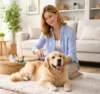

Senior Dog Care at Home: Essential Tips for Your Aging Companion

Senior Dog Care at Home

As our canine companions cross the threshold into their senior years, their needs shift from high-energy maintenance to specialized geriatric support. Transitioning to effective senior dog care at home is not merely about slowing down; it’s about a proactive recalibration of their environment, biology, and daily routines.

“The goal of senior care is not just to add years to their life, but to add vibrant, pain-free life to their years.”

Early detection of age-related conditions—such as cognitive dysfunction or degenerative joint disease—is the cornerstone of successful aging. This expert-led guide provides an actionable framework for nutritional precision, mobility preservation, and mental acuity enrichment. By implementing these clinical-grade strategies, you can ensure your dog remains resilient, safe, and deeply comfortable throughout their golden chapter.

Systemic Maintenance: Routines and Preventive Care

Predictability is the ultimate stress-reducer for an aging canine. Establishing a synchronized daily rhythm is the foundation of effective senior dog care at home. As their sensory perceptions (sight and hearing) dull, a consistent schedule for feeding, elimination, and rest provides a vital sense of security, preventing the onset of age-related anxiety and cognitive confusion.

Nutritional Precision: Combating Sarcopenia and Weight Gain

Metabolic efficiency declines with age, requiring a shift toward bio-individual nutrition. Senior dogs often face a paradox: they need fewer calories to prevent obesity (which exacerbates joint pain) but require higher levels of highly digestible protein to combat Sarcopenia—the natural loss of muscle mass in aging animals.

Clinical Feeding Strategies:


  • Amino Acid Integrity: Prioritize whole-protein sources to support organ function and muscle retention without excessive caloric load.

  • Joint Prophylaxis: Integrate Glucosamine, Chondroitin, and Omega-3 Fatty Acids (EPA/DHA) to manage systemic inflammation.

  • Hydration Management: Aging kidneys require consistent fluid intake. Consider moisture-rich “toppers” or low-sodium broths to encourage hydration.

Mobility Preservation: Low-Impact Conditioning

Stiffness is not an inevitable fate; it is a signal for environmental and physical adaptation. In senior dog care at home, exercise transitions from high-impact exertion to “Micro-Activities” that maintain range of motion without inducing oxidative stress on the joints.

🏠 Home Modifications
Install non-slip runners on hardwood floors and provide orthopedic memory foam beds to eliminate pressure points during long rest periods.
🚶 Optimized Walking
Adopt the “Slower and Frequent” rule. Three 10-minute “Sniffari” walks are significantly better for geriatric circulation than one 30-minute hike.

Pro-Tip: Use ramps or assist-slings early on. Waiting until your dog cannot jump to provide a ramp can lead to acute spinal injuries or muscle tears.

Dermatological and Oral Hygiene: More Than Aesthetics

In the context of senior dog care at home, grooming transitions from aesthetic maintenance to a critical diagnostic tool. Aging skin loses elasticity and becomes prone to lipomas (fatty tumors) or sebaceous cysts. A rigorous grooming routine allows for the early palpation of new growths that could indicate underlying malignancies.

Geriatric Hygiene Protocol:


  • Tactile Inspection: Use weekly brushing sessions to feel for lumps, heat, or sensitive areas that may signal localized inflammation or arthritis flare-ups.

  • Pedicure Precision: Long nails shift a dog’s center of gravity backward, causing skeletal misalignment. Maintain short nails to support proper biometry and balance.

  • Periodontal Defense: Oral bacteria in seniors can enter the bloodstream, potentially damaging the heart and kidneys. Daily brushing is a systemic health requirement.

Proactive Health Surveillance

Effective senior dog care at home relies on the owner acting as a primary “health scout.” Because dogs instinctively mask pain, detecting subtle behavioral shifts is the only way to intercept chronic conditions like kidney insufficiency or congestive heart failure before they reach a crisis point.

Observation PointPotential Indicator
Increased Water Intake (Polydipsia)Early stage Kidney Disease or Diabetes
Change in Sleeping PatternsCognitive Dysfunction or Chronic Pain
Difficulty Rising/StairsOsteoarthritis or Neurological decline

The Master Routine: Integrating Care

A sustainable model of care combines clinical observation with daily comfort. This Circadian-aligned routine ensures that no health marker goes unnoticed while maintaining the dog’s emotional equilibrium.

Optimized Geriatric Day Plan:

  • 🕒 AM: Metabolic restart (Breakfast + 5-min walk) + Weight/Body Condition score check.
  • 🕒 Midday: Low-impact stimulation (Scent games) + Hydration monitoring.
  • 🕒 PM: Wind-down (Massage/Brushing) + Dental hygiene + Rest quality assessment.

Case Study: Adaptive Care in Action

Profile: Max, 12-Year-Old Labrador Retriever

Max’s family noticed classic geriatric indicators: reluctance to climb stairs, “bunny-hopping” (stiff hind legs), and gradual weight gain. Instead of accepting this as “just old age,” they implemented a targeted senior dog care at home protocol:

  • Metabolic Correction: Transitioned to a high-protein, low-calorie senior diet to shed 4 lbs, significantly reducing joint load.
  • Structural Support: Introduced daily Omega-3 supplementation and utilized a lift-harness for car entries.
  • Cognitive Enrichment: Replaced fetch (high impact) with “Snuffle Mats” and puzzle toys to stimulate his dopamine levels without physical strain.

Result: Within 6 weeks, Max’s “stiffness” decreased by an estimated 40%, and his interactive engagement returned to levels not seen since his middle-adult years.


Master Your Dog’s Life Stages

Explore our expert-vetted libraries for every age, schedule, and lifestyle.

For the full picture, visit our Comprehensive Dog Care Basics Guide.

Neurological Longevity: Mental and Comfort Enrichment

Comprehensive senior dog care at home extends beyond physical comfort; it requires a proactive defense against Canine Cognitive Dysfunction (CCD). Mental stagnation in older dogs can accelerate neurodegeneration, leading to symptoms like disorientation, altered sleep cycles, and increased anxiety. By introducing “Cognitive Bio-hacks” through enrichment, we can maintain synaptic plasticity and preserve your dog’s personality well into their golden years.

Cognitive Enrichment: Strategic Problem Solving

Mental stimulation acts as “physical therapy for the brain.” In senior dog care at home, we shift from high-arousal play to low-impact cognitive challenges. These activities trigger the release of endorphins and dopamine, which act as natural stress buffers for aging nervous systems.

Expert Enrichment Strategies:


  • Olfactory Scavenging: Utilize “Snuffle Mats” or hide low-calorie treats around the room. Scent work engages the olfactory bulb, the most resilient part of the senior dog’s brain.

  • Adaptive Puzzles: Use Level 1 or 2 interactive feeders that reward manipulation rather than force. This prevents frustration while encouraging executive function.

  • Novelty Rotation: Prevent Habituation by swapping out toys every 48–72 hours. A “new” scent or texture can reignite a senior dog’s curiosity.

Gentle Training: Maintaining Neuro-Reflexes

The adage “you can’t teach an old dog new tricks” is scientifically inaccurate. In fact, continuing education is a pillar of senior dog care at home. It reinforces the human-animal bond and ensures that the dog’s neural pathways for communication and obedience remain active.

🧠 Micro-Training Sessions
Limit sessions to 2–5 minutes. Focus on high-reward, low-effort commands (like “Touch” or “Look”) to build confidence without physical fatigue.
🤝 Curated Socialization
Focus on social neutrality. Brief, calm interactions with familiar pets provide emotional grounding without the sensory overload of a dog park.

Attention: If your dog becomes suddenly irritable or “forgets” house training, this may be a sign of Canine Cognitive Dysfunction rather than bad behavior. Always consult a professional before adjusting training methods.

Environmental Ergonomics: Creating a “Senior-Safe” Sanctuary

An aging dog’s world shrinks as their mobility declines. Effective senior dog care at home requires an “Environmental Audit” to remove physical barriers and sensory stressors. By optimizing their living space, we reduce micro-traumas to joints and lower the cortisol levels associated with navigating a difficult environment.

Ergonomic Checkpoints:


  • Structural Access: Deploy specialized ramps or non-slip steps for beds and vehicles. This preserves the cranial cruciate ligament (CCL) from the shock of jumping.

  • Substrate Optimization: Hardwood floors are “ice rinks” for senior dogs. Use yoga mats or interlocking foam tiles in high-traffic areas to provide necessary traction.

  • Elevated Resources: Raise food and water bowls to elbow height. This prevents neck strain and aids in digestion by maintaining a neutral spinal alignment.

Adaptive Load Management: The Art of Observation

A critical error in senior dog care at home is pushing a dog to maintain their “adult” activity levels. We must practice Load Adjustment—scaling back physical exertion the moment physiological fatigue appears. Consistency is more valuable than intensity in the geriatric stage.

Fatigue SignalProactive Adjustment
Excessive Panting or Lagging BehindImmediate rest; shorten the next walk by 50%.
Disinterest in Interactive PuzzlesDowngrade complexity; switch to high-aroma rewards.
Frequent Nighttime PacingIncrease evening scent-work for mental exhaustion.

Case Study: Bella’s Behavioral Turnaround

Bella, a 14-year-old Golden Retriever, was exhibiting signs of depressive apathy—loss of interest in walks and mild disorientation. By re-engineering her environment with orthopedic pressure-relief zones and replacing high-impact exercise with “Passive Enrichment” (visual stimulation and scent games), her family saw a marked increase in her cognitive alertness.

“We didn’t just fix her surroundings; we restored her sense of agency.”

The Holistic Synthesis: Integrating Physical and Neuro-Support

The most effective senior dog care at home utilizes a bio-psychosocial approach, recognizing that physical mobility and cognitive sharpness are deeply interdependent. A dog in chronic pain will withdraw mentally, while a dog with cognitive decline may lose the motivation to remain physically active. By synchronizing these care pillars, we create a “Health Loop” that sustains vitality.

The Synchronized Geriatric Schedule

🌅 AM: Metabolic Activation

Short ‘Sniffari’ walk + Breakfast with Omega-3 toppers + Quick 2-minute “Look/Touch” training.

☀️ Midday: Cognitive Engagement

Level 1 Puzzle feeder + Passive window-viewing + Joint-range-of-motion massage.

🌙 PM: Restorative Wind-down

Low-impact stroll + Grooming inspection + Orthopedic rest in a temperature-controlled zone.

Neuro-Protective Strategies: Mitigating Cognitive Decline

Cognitive aging is a biological reality, but its speed is highly adjustable through nutritional neuro-protection. In senior dog care at home, we prioritize antioxidants (Vitamin E/C), Selenium, and L-carnitine to protect mitochondria from oxidative damage—the primary driver of brain aging.

“Evidence-based resources, such as the ASPCA’s Geriatric Framework, emphasize that a brain-supporting diet can extend the ‘Cognitive Healthspan’ by up to 20% in aging canines.”

Clinical Vigilance: Managing Complex Health Challenges

As the dog’s biological systems reach their late-senior phase, senior dog care at home shifts toward “Vigilant Maintenance.” This stage requires owners to differentiate between “normal aging” and “pathological conditions” that require immediate veterinary intervention.

🦴 Skeletal Integrity

Watch for unilateral limping or muscle atrophy in hind legs. Early intervention with ADEQUAN or specialized NSAIDs can prevent permanent immobility.

👁️ Sensory Adaptation

For vision/hearing loss, utilize tactile cues (scent markers or vibration collars). Do not rearrange furniture, as it triggers acute spatial anxiety.

🧪 Metabolic Screening

Aging organs are prone to failure. Bi-annual blood panels are essential to catch early elevation in SDMA (kidney) or ALT (liver) markers.

By mastering these clinical-grade home protocols, you are not just caring for a dog; you are acting as their primary advocate for a dignified and joyous aging process.

The Geriatric Quadrad: Common Clinical Concerns

Vigilance in senior dog care at home means moving beyond reacting to symptoms and toward proactive pathology management. Aging is a multi-systemic process; therefore, a change in one area (like dental health) can have cascading effects on another (like cardiac function).

1. Osteoarthritis & Degenerative Joint Disease (DJD)
Look for “micro-signals”: licking paws, stiff gait upon rising, or localized heat in joints. Management requires a multi-modal approach combining Cartilage-protecting agents (Adequan) and weight management.
2. Periodontal Systemic Risks
Chronic oral inflammation is a gateway for bacteria to reach the heart valves and kidneys. Beyond brushing, utilize VOHC-approved water additives to maintain oral microbiome balance.
3. Sensory Deprivation Management
Nuclear sclerosis (cloudy eyes) or hearing loss increases cortisol-driven anxiety. Map your home “scent trails” or use tactile flooring markers to help your dog navigate via touch and smell.
4. Endocrine & Metabolic Disorders
Monitor for the “Triple-Check”: Water consumption (thirst), urination frequency, and muscle-to-fat ratio. These are early indicators of Cushing’s disease or Chronic Kidney Disease (CKD).

Nutritional Recalibration: Feeding for Longevity

Dietary needs in senior dog care at home are not “one size fits all.” As their enzymatic activity slows, we must prioritize Nutrient Bioavailability. A high-quality senior diet must balance reduced caloric density with an increased Amino Acid profile to prevent muscle wasting.

Clinical Nutrition Tips:


  • EPA/DHA Integration: Ensure high levels of Omega-3s to modulate systemic inflammation and support neuro-plasticity.

  • Controlled Phosphorus: For dogs with early-stage kidney decline, maintaining lower phosphorus levels is vital for renal longevity.

  • Antioxidant Load: Ingredients rich in Vitamin E, C, and Beta-carotene act as free-radical scavengers for the aging brain.

Bio-Mechanical Exercise: Preservation Over Exertion

Movement is medicine, but only when dosed correctly. In senior dog care at home, exercise serves as Physical Therapy. Our goal is to maintain the “synovial fluid” in the joints without causing micro-tears in aging tendons.

Low-Impact Conditioning Guidelines:

Replace high-arousal activities (jumping/sprinting) with Proprioception Exercises. Walking over low obstacles (Cavaletti rails) or gentle balancing on foam pads helps maintain the mind-muscle connection, drastically reducing the risk of falls.

*Expert Resource: For advanced dietary protocols, refer to VCA Hospitals’ Geriatric Nutrition Framework.

Palliative Hygiene: Ensuring Comfort and Dignity

In the advanced stages of senior dog care at home, grooming is no longer just about aesthetics—it is a form of palliative care. Aging dogs often lose the flexibility required to groom themselves, leading to painful matting and skin infections. Moreover, frequent grooming sessions serve as a secondary “physical exam,” allowing you to detect changes in body condition or new dermal growths.

The Senior Comfort Checklist:


  • Dermal Vigilance: Use a soft-bristle brush to stimulate sebum production, which naturally declines with age, keeping the skin barrier resilient against environmental irritants.

  • Pedicure for Balance: Overgrown nails shift the dog’s weight distribution, exacerbating arthritic pain. Maintain short nails to ensure a neutral paw position and stable traction.

  • Sleep Ergonomics: Replace standard padding with medical-grade orthopedic memory foam. This prevents decubital ulcers (pressure sores) in dogs that spend significant time recumbent.

Clinical Surveillance and Preventive Diagnostics

The cornerstone of effective senior dog care at home is the transition from annual to semi-annual veterinary screening. Because a dog’s biological aging is accelerated, 6 months can represent significant changes in organ function—particularly the kidneys and heart.

Observation VectorRed Flag Indicator
Hydration & EliminationPolydipsia (excessive thirst) or nocturnal accidents (incontinence).
Mental ResponsivenessStaring into corners or failing to recognize familiar cues (CCD signs).
Body CompositionSudden muscle wasting over the spine or hindquarters (Sarcopenia).

Surveillance Tip: Maintain a Geriatric Care Log. Tracking trends in appetite and energy levels over weeks is far more diagnostic than a single day’s observation.

FAQ: Navigating Senior Dog Care at Home

Q1: Why is biannual screening preferred over annual visits for seniors?

Because the biological aging of canines is roughly 5–7 times faster than humans, an annual checkup for a senior dog is equivalent to a human waiting 5 years between exams. Biannual visits allow for the early detection of subtle shifts in renal or hepatic markers before clinical symptoms manifest.

Q2: Can cognitive enrichment really slow down Canine Dementia?

Absolutely. Neuroplasticity exists throughout a dog’s life. Engaging in short, dopamine-driven puzzles strengthens neural pathways and has been clinically shown to mitigate the onset of Canine Cognitive Dysfunction (CCD).

Q3: How do I distinguish between “slowing down” and chronic pain?

“Slowing down” is usually a gradual reduction in speed. Pain often presents as behavioral asymmetry (limping on one side), panting without heat, or irritability when touched. If your dog hesitates before a single step, they are likely experiencing arthritic inflammation.

The Master Checklist for Daily Geriatric Care

Maintaining a high standard of senior dog care at home requires a systematic approach. Use this daily protocol to ensure no health marker is overlooked.

🌅 Morning Protocol

  • Controlled hydration & measured breakfast.
  • Mobility stretch: 5-minute low-impact walk on soft substrate.
  • Visual check for ocular discharge or dental sensitivity.

☀️ Midday Enrichment

  • Level 1-2 puzzle toy for cognitive stimulation.
  • Passive rest on orthopedic pressure-relief zones.
  • Observe elimination habits for consistency or discomfort.

🌙 Evening Recovery

  • Dinner + Joint/Brain supplements as prescribed.
  • Gentle brushing & tactile “Lump and Bump” body scan.
  • Oral hygiene session (brushing or VOHC-approved chew).

A Legacy of Compassion

Providing senior dog care at home is the ultimate gesture of gratitude for a lifetime of loyalty. While their pace may slow and their muzzles may whiten, their capacity for joy remains boundless. By implementing these expert-led strategies, you aren’t just managing aging—you are curating a period of profound comfort, dignity, and deep connection.

Happy, healthy, and safe—the golden years they deserve.

Leave a Reply

Your email address will not be published. Required fields are marked *