

Caring for senior dogs requires knowledge, patience, and proactive attention. Senior dog care at home focuses on maintaining mobility, mental acuity, and overall comfort as dogs enter their golden years. Proper routines, nutrition, and preventive health measures can enhance quality of life and help owners spot early signs of age-related conditions. This guide offers practical strategies for feeding, exercise, grooming, and daily monitoring to ensure your senior dog remains happy, healthy, and safe at home.
Daily Routines and Preventive Health
Establishing consistent routines is a cornerstone of effective senior dog care at home. Older dogs thrive on predictability, which supports both their physical health and emotional stability. Regular schedules for meals, exercise, grooming, and health checks allow owners to quickly detect subtle behavioral changes or signs of illness. Integrating preventive health measures, including age-appropriate supplements, regular vet visits, and careful observation, ensures that your dog enjoys a safe, comfortable, and fulfilling senior life. Implementing structured daily practices, such as consistent feeding times and scheduled walks, forms the foundation of reliable senior dog care at home. For more guidance on creating routines, you can refer to this complete guide to dog care at home.
Nutrition for Senior Dogs
Proper nutrition is critical in senior dog care at home because aging dogs have changing metabolic and health needs. Older dogs may require fewer calories to prevent weight gain but need more protein to maintain muscle mass. High-quality senior dog formulas often include joint-supporting supplements like glucosamine and chondroitin, which aid in mobility. Omega-3 fatty acids support heart, brain, and coat health, while fiber helps with digestion.
Practical tips for senior dog nutrition:
- Measure meals carefully and maintain consistent feeding times.
- Adjust diet gradually to avoid gastrointestinal upset.
- Introduce new supplements only after consulting your veterinarian.
- Monitor your dog’s weight weekly to detect changes early.
Proper attention to diet reduces the risk of obesity, diabetes, and age-related organ issues, forming a core component of senior dog care at home.
Exercise and Mobility Management
Physical activity remains essential in senior dog care at home, though exercise routines must adapt to the dog’s energy levels and joint health. Older dogs benefit from shorter, more frequent walks rather than extended sessions, which can stress aging joints. Low-impact activities like swimming or gentle indoor play are excellent alternatives to maintain cardiovascular health.
Mobility support strategies:
- Provide ramps or steps to help dogs access furniture or cars.
- Use orthopedic beds to support joints during rest.
- Consider joint supplements as recommended by a veterinarian.
- Encourage gentle stretching and movement to maintain flexibility.
Keeping senior dogs active helps prevent obesity, supports joint function, and reduces the likelihood of muscle loss, all of which are vital for effective senior dog care at home.
Grooming and Hygiene
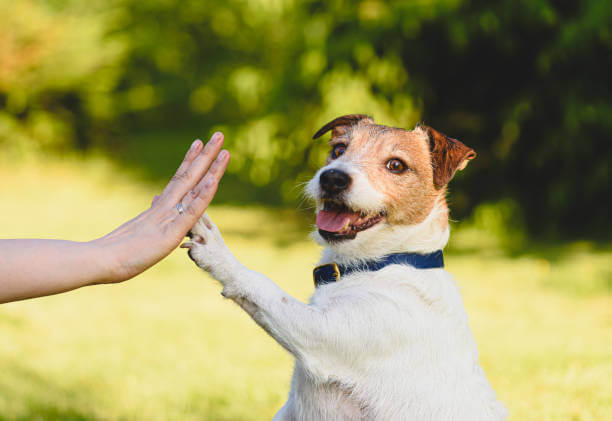
Maintaining hygiene is a fundamental aspect of senior dog care at home, contributing to comfort and preventing illness. Regular brushing removes dead hair, stimulates circulation, and helps owners detect skin abnormalities. Nail trimming prevents discomfort and mobility issues, while ear and dental care help avoid infections and chronic conditions.
Grooming checklist for senior dogs:
- Brush the coat 2–3 times per week.
- Trim nails every 2–3 weeks depending on activity.
- Clean ears weekly and monitor for redness or odor.
- Brush teeth daily or provide vet-approved dental chews.
Consistent grooming routines support health, reduce pain from neglected nails or mats, and enhance the overall well-being of aging dogs, forming a practical component of senior dog care at home.
Preventive Health Monitoring
Observation and proactive healthcare are key pillars of senior dog care at home. Daily monitoring allows early detection of conditions such as arthritis, kidney disease, or vision and hearing loss. Owners should note changes in appetite, energy levels, mobility, and bathroom habits.
Preventive health strategies include:
- Scheduling veterinary check-ups at least twice a year.
- Performing at-home health assessments: coat condition, body weight, joint flexibility.
- Administering medications or supplements as prescribed.
- Watching for behavioral changes indicating pain, stress, or cognitive decline.
Early intervention significantly improves prognosis and comfort for senior dogs, reinforcing the importance of structured monitoring in senior dog care at home.
Integrating Daily Routines
To maximize the effectiveness of senior dog care at home, it is helpful to integrate nutrition, exercise, grooming, and preventive health into a single daily routine. A sample daily schedule may include:
- Morning: Measured breakfast, short walk, basic grooming check.
- Midday: Gentle play, puzzle toys, hydration check.
- Evening: Longer walk if energy allows, dinner, brushing teeth, final observation for any health issues.
By following a predictable schedule, older dogs experience reduced stress and improved well-being. Over time, owners will be able to fine-tune routines based on their dog’s specific needs and energy patterns. This holistic approach ensures a sustainable model for senior dog care at home.
Real-Life Example
Consider Max, a 12-year-old Labrador retriever. His owners noticed stiffness in his hind legs and mild weight gain. By adjusting his diet, incorporating joint supplements, providing short daily walks, and establishing grooming routines, Max regained energy and mobility. They also added puzzle toys to stimulate his mind. This combination of strategies highlights how comprehensive senior dog care at home can improve quality of life and extend comfort in aging pets.
A consistent routine is the secret to a happy, healthy dog at home. If you’re just starting out, check Dog Care at Home for Beginners for easy, step-by-step guidance. Pet owners with a busy schedule can benefit from Dog Care for Busy Owners to stay on track. For building a full daily plan, explore Daily Dog Care Routine at Home and Dog Daily Schedule at Home. Don’t forget to follow Basic Dog Care Rules and Keep Dog Healthy at Home for consistent, effective care. For advice by age, see Puppy Care at Home, Adult Dog Care at Home, and Senior Dog Care at Home. For the full picture, our comprehensive Dog Care Basics guide has everything in one place.
Mental Stimulation and Comfort Enrichment
Caring for senior dogs goes beyond physical needs. Senior dog care at home must include mental and emotional support to maintain cognitive function and overall well-being. Aging dogs can experience anxiety, boredom, or mild cognitive decline, which can lead to behavioral changes. Structured activities, gentle training, and environmental enrichment help keep their minds sharp and spirits high. Mental stimulation also strengthens the bond between dog and owner, making daily interactions rewarding for both.
Integrating mental and emotional care into routines complements physical health strategies, ensuring a holistic approach to senior dog care at home. This includes incorporating cognitive games, positive training, and enriched environments tailored to older dogs’ abilities.
Cognitive Games and Puzzle Toys
Mental stimulation is essential in senior dog care at home. Puzzle toys, treat-dispensing balls, and interactive games encourage problem-solving and keep the brain active. Rotating toys regularly prevents boredom and promotes engagement.
Tips for cognitive enrichment:
- Use treat-dispensing puzzles to challenge problem-solving skills.
- Hide favorite toys or treats around the house for scavenger-style games.
- Rotate toys weekly to maintain novelty.
- Keep sessions short to avoid fatigue or frustration.
These activities not only enhance mental acuity but also help reduce stress and anxiety in senior dogs, supporting a more relaxed and contented pet.
Gentle Training and Socialization
Even older dogs benefit from training reinforcement and safe socialization. Gentle training sessions using positive reinforcement help maintain obedience and stimulate cognitive function. Short, consistent sessions avoid tiring senior dogs and foster positive behaviors.
Socialization strategies:
- Arrange brief, supervised interactions with other dogs or familiar pets.
- Practice basic commands to keep mental reflexes active.
- Reward calm and confident behavior during new experiences.
Integrating gentle training into senior dog care at home helps dogs retain mental sharpness and encourages confidence, reducing the risk of anxiety or confusion in daily life.
Environmental Comfort and Enrichment
Creating a safe and comfortable environment is a vital aspect of senior dog care at home. Proper bedding, ramps, and accessible favorite spots reduce strain on aging joints and improve comfort. Environmental enrichment keeps dogs engaged, even when mobility is limited.
Practical strategies include:
- Provide orthopedic or memory foam beds to support joints.
- Ensure easy access to water, food, and resting areas.
- Offer window views or outdoor patios for visual stimulation.
- Use scent-based enrichment, like hidden treats or safe aromatherapy.
A well-considered environment helps senior dogs feel secure, reduces stress, and encourages exploration in a safe manner.
Monitoring and Adjusting Activities
Monitoring energy levels and adjusting activities is crucial in senior dog care at home. Overexertion can cause injury, while under-stimulation may contribute to boredom or cognitive decline. Owners should watch for signs of fatigue, discomfort, or disinterest and adapt routines accordingly.
Adjustment strategies:
- Shorten walk distances if fatigue appears.
- Reduce or modify puzzle complexity based on interest.
- Incorporate rest periods between physical or mental exercises.
- Consult a veterinarian if cognitive or mobility issues worsen.
Being attentive and responsive ensures activities remain beneficial, safe, and engaging for senior dogs.
Real-Life Example
Bella, a 14-year-old Golden Retriever, exhibited mild confusion and less enthusiasm for walks. Her owners introduced short cognitive games, interactive puzzle toys, and gentle training sessions. They also adjusted her environment with orthopedic bedding and ramps to reduce joint strain. Within weeks, Bella became more active and mentally engaged. This example highlights how attentive senior dog care at home supports both mental and physical health in aging pets.
Integrating Mental and Physical Care
Holistic senior dog care at home involves combining mental stimulation with physical activity and daily routines. Owners should schedule regular cognitive exercises alongside gentle walks, grooming, and health monitoring. This integrated approach promotes overall well-being, reduces age-related stress, and maintains mobility and cognitive function.
Sample integrated schedule:
- Morning: Short walk, breakfast, puzzle toy for 10–15 minutes.
- Midday: Gentle play session, interaction with owner, short rest.
- Evening: Extended but low-impact walk, grooming check, calm mental enrichment.
By balancing mental and physical activities, senior dogs remain engaged, healthy, and content.
Preventive Health Strategies for Cognitive Decline
Cognitive decline is common in older dogs but can be mitigated through proactive care. Senior dog care at home should include preventive strategies such as:
- Regular veterinary assessments to detect early neurological issues.
- Diet enriched with antioxidants, omega-3 fatty acids, and nutrients supporting brain health.
- Structured routines to reduce confusion and anxiety.
- Short mental challenges to maintain learning and memory retention.
Owners can consult resources like ASPCA’s senior dog care guide for specific nutritional recommendations and mental exercise ideas.
Managing Health Challenges and Daily Care
As dogs age, owners must pay closer attention to specific health concerns and adjust routines to accommodate their changing needs. Senior dog care at home involves proactive monitoring for conditions like arthritis, vision or hearing loss, dental issues, and metabolic disorders. Early detection and timely intervention are crucial to maintaining comfort, mobility, and quality of life.
By combining structured daily routines, mental stimulation, appropriate diet, and preventive measures, owners can help their senior dogs live longer, healthier, and happier lives.
Common Health Concerns in Senior Dogs
Senior dog care at home requires vigilance for common age-related conditions. Some of the most frequent issues include:
- Arthritis and joint pain: Symptoms include stiffness, limping, and reluctance to climb stairs. Joint supplements, low-impact exercise, and supportive bedding are essential.
- Dental problems: Older dogs often suffer from tartar buildup, gum inflammation, and tooth loss. Regular brushing, dental chews, and vet checkups prevent oral pain and infections.
- Vision and hearing decline: Reduced sight or hearing can cause disorientation and anxiety. Clear walking paths, consistent routines, and gentle guidance help maintain safety.
- Metabolic disorders: Conditions like diabetes, kidney disease, and hypothyroidism are more common in senior dogs. Monitoring appetite, water intake, and weight is critical.
Recognizing early warning signs allows owners to adjust care strategies effectively, forming a crucial aspect of senior dog care at home.
Adjusting Diet and Nutrition
Nutrition plays a central role in senior dog care at home. Aging dogs often require diets lower in calories but richer in protein and essential nutrients. Diet adjustments help maintain muscle mass, support joint health, and prevent obesity.
Tips for senior dog nutrition:
- Choose high-quality senior dog food formulated for age-specific needs.
- Monitor weight and body condition monthly.
- Supplement with omega-3 fatty acids for joint and cognitive support.
- Ensure fresh water is available at all times.
Owners can consult resources like VCA Hospitals nutrition tips for senior dogs for additional guidance on specialized diets and supplements.
Exercise and Physical Activity
Even older dogs benefit from consistent physical activity. Senior dog care at home requires adapting exercise to prevent strain while maintaining mobility.
Exercise recommendations:
- Short, frequent walks instead of long sessions.
- Swimming or water therapy to reduce joint stress.
- Gentle indoor play or low-impact fetch.
- Use ramps or steps to prevent jumping injuries.
Regular, tailored exercise supports joint health, cardiovascular fitness, and mental stimulation, contributing to overall wellness in senior dogs.
Grooming and Comfort
Maintaining hygiene and comfort is essential in senior dog care at home. Older dogs may have difficulty grooming themselves, leading to mats, skin infections, or discomfort.
Grooming essentials:
- Brush coats regularly to remove dead hair and prevent mats.
- Trim nails to prevent mobility issues.
- Check ears and teeth routinely to detect infections early.
- Provide orthopedic beds to support aging joints.
Consistent grooming routines enhance physical comfort and allow owners to detect subtle health changes quickly.
Monitoring and Vet Visits

Routine monitoring is critical in senior dog care at home. Daily observations help detect signs of pain, illness, or cognitive decline early.
Monitoring tips:
- Note changes in appetite, energy, or bathroom habits.
- Track mobility and responsiveness.
- Schedule veterinary visits at least twice a year.
- Maintain a record of medications, supplements, and health changes.
Timely intervention ensures that age-related issues are managed effectively, preserving quality of life.
FAQ – Senior Dog Care at Home
Q1: How often should I take my senior dog to the vet?
Most veterinarians recommend at least biannual checkups for senior dogs to monitor for age-related conditions and adjust care plans as needed.
Q2: Can older dogs still learn new tricks?
Yes! Mental stimulation is vital. Short, positive reinforcement training sessions can help maintain cognitive function and strengthen the bond with your dog.
Q3: How do I know if my dog’s diet is appropriate?
Monitor weight, body condition, and energy levels. Consult your veterinarian or refer to trusted resources for senior dog nutrition guidance.
Q4: What signs indicate joint pain in senior dogs?
Look for limping, stiffness, reluctance to climb stairs, or difficulty rising after resting. Adjust exercise and consider joint supplements if recommended by a vet.
Q5: How can I reduce anxiety in senior dogs?
Provide predictable routines, comfortable resting areas, and gentle mental stimulation. Environmental enrichment and calming aids can also help.
Daily Checklist for Senior Dog Care at Home
A structured daily checklist ensures that all aspects of senior dog care at home are addressed consistently:
Morning:
- Feed measured breakfast, check water availability.
- Short, gentle walk to maintain mobility.
- Quick grooming check: coat, nails, ears.
Midday:
- Mental stimulation: puzzle toys, treat-dispensing games.
- Observe for any signs of discomfort or behavioral changes.
- Provide rest in comfortable, supportive bedding.
Evening:
- Feed dinner and provide supplements if required.
- Longer, low-impact walk for mental and physical activity.
- Brush teeth and perform a full grooming check.
- Record observations for changes in behavior or health.
Following this checklist ensures a comprehensive approach to senior dog care at home, covering nutrition, exercise, grooming, mental stimulation, and preventive health measures.
