

Keeping your dog’s coat and skin healthy throughout the year is more than just a matter of looks—it’s essential for their overall well-being. Different seasons bring different challenges: spring can trigger shedding and allergies, summer exposes your dog to heat and sun, fall prepares their coat for winter, and winter itself can dry out skin and make grooming more challenging. By following essential seasonal grooming tips, you can help your dog stay comfortable, healthy, and happy no matter the weather.
A well-planned grooming routine not only keeps your dog looking their best but also prevents skin irritation, matting, excessive shedding, and discomfort caused by seasonal changes. Whether your pup has a short, dense coat or long, flowing fur, adjusting your grooming practices to the season is key.
For a complete approach to caring for your dog, including seasonal grooming, nutrition, and preventive care, check out our Complete Guide to Dog Care at Home. In this article, we’ll focus specifically on Seasonal Grooming Tips, providing practical advice, checklists, and expert tips for every season.
Spring Grooming Tips
Spring is an important season for grooming because many dogs experience increased shedding, seasonal allergies, and changing coat conditions. Adjusting your grooming routine during this time can reduce shedding, prevent irritation, and ensure your dog’s coat remains healthy and shiny.
Shedding Season Tips
Spring is prime shedding season, especially for double-coated breeds. Regular grooming prevents matting and keeps your home free from excess hair.
- Brush frequently: Use a slicker or undercoat rake to remove loose hair. For short-haired breeds, a bristle brush works well.
- Bath strategically: A gentle springtime bath removes dander and dead hair. Avoid over-bathing to prevent stripping natural oils.
- Rotate grooming tools: Using different brushes during the week helps remove hair from all layers of the coat.
- Shedding Season Tips
Tips:
- Brush before bathing to reduce clogging of drains.
- Schedule brushing sessions gradually, starting with 5–10 minutes to keep your dog comfortable.
- Reward your dog with treats or playtime to encourage a positive grooming experience.
Allergy Season Grooming
Spring also brings pollen, dust, and other allergens. Dogs can develop itchy skin, redness, or sneezing during this season. Grooming can reduce the impact of allergens and keep your dog comfortable.
- Clean paws and belly: Wipe paws, belly, and undercoat after outdoor walks to remove pollen and dust.
- Use hypoallergenic shampoo: Gentle formulas help calm irritated skin and prevent further allergies.
- Trim facial hair: Reduce allergens around the eyes, nose, and mouth by trimming excess fur.
- Allergy Season Grooming
Tips:
- Avoid products with strong fragrances that can worsen allergies.
- Monitor for signs of irritation, including redness, bumps, or excessive scratching.
- Keep grooming sessions short and calm to reduce stress during allergy flare-ups.
Coat Moisturizing Techniques
After months of winter, dogs’ skin can be dry or sensitive. Moisturizing during spring ensures a soft, healthy coat and prevents itchiness.
- Apply light oils or conditioners: Focus on high-friction areas like elbows, paws, and tail base.
- Leave-in conditioners: Safe for dogs, these can help maintain hydration throughout the day.
- Coat Moisturizing Techniques
Tips:
- Use natural oils such as coconut or argan sparingly to avoid greasy coat.
- Test any product on a small area before applying all over.
- Apply after grooming or bathing for best results.
Practical Spring Grooming Checklist
To make spring grooming easier and consistent:
- ✅ Brush 3–4 times per week to reduce shedding.
- ✅ Bathe once every 2–3 weeks with gentle shampoo.
- ✅ Wipe paws and undercoat after walks.
- ✅ Inspect skin for hot spots, redness, or parasites.
- ✅ Rotate grooming tools to reach all layers of the coat.
- ✅ Reward your dog after grooming for positive reinforcement.
Summer Grooming Tips
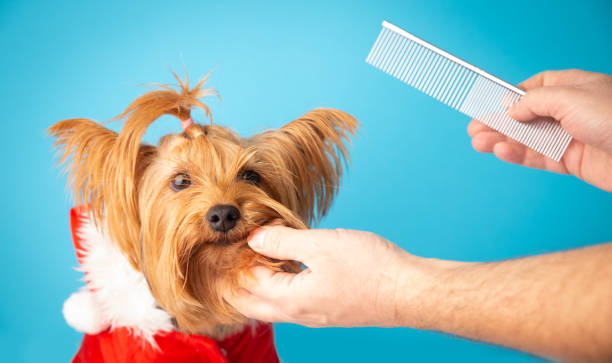
Summer brings heat, humidity, and increased outdoor activity, making proper grooming essential. By adjusting your routine with seasonal grooming tips, you can help your dog stay cool, prevent sunburn, reduce shedding, and avoid skin irritations caused by sweat and dust. Summer grooming also helps prevent fleas, ticks, and other parasites that thrive in warm weather.
Summer Coat Care
Keeping your dog’s coat healthy in the summer requires attention to trimming, brushing, and monitoring skin health.
- Trim fur without shaving completely: Shorter fur improves airflow, but complete shaving removes natural protection against sunburn.
- Brush frequently: Remove loose hair to keep the coat airy and prevent matting. Slicker brushes work well for long-haired breeds, while bristle brushes are ideal for short-haired dogs.
- Check for parasites: Inspect your dog’s coat after outdoor walks for ticks, fleas, or irritations.
- Summer Grooming
Tips:
- Avoid grooming during the hottest hours of the day to prevent heat stress.
- Use a comb to reach dense undercoats and remove trapped hair.
- Keep grooming sessions short, fun, and rewarding.
Seasonal Bathing Tips
Bathing in summer helps remove sweat, dust, pollen, and allergens, keeping your dog comfortable and odor-free.
- Frequency: Bathe 1–2 times per week, depending on activity level and coat type.
- Water temperature: Use lukewarm water; avoid hot water that can worsen skin sensitivity.
- Shampoo choice: Select gentle, cooling shampoos designed for dogs, preferably hypoallergenic.
- Seasonal Bathing Tips
Tips:
- Dry your dog in a shaded area to prevent sunburn.
- Use a towel or pet-safe dryer on low heat to avoid chilling sensitive dogs.
- Incorporate a short massage during drying to stimulate circulation and coat health.
Coat Protection Products
Summer exposes your dog’s skin and coat to sun, heat, and insects. Using protective products helps maintain skin integrity and comfort.
- Sunblock sprays: Essential for dogs with short, light-colored, or sparse coats.
- Anti-insect sprays: Protects against fleas, ticks, and mosquitoes.
- Protective clothing: Lightweight vests or shirts can shield sensitive skin from sunburn or irritants.
- Coat Protection Products
Tips:
- Apply sprays before outdoor walks and reapply according to product instructions.
- Avoid sensitive areas such as eyes, nose, and mouth.
- Choose vet-approved products to ensure safety and efficacy.
Practical Summer Grooming Checklist
To ensure your dog stays comfortable and healthy during summer:
- ✅ Brush 3–5 times per week to remove loose hair.
- ✅ Bathe 1–2 times weekly with gentle, cooling shampoo.
- ✅ Inspect and treat for ticks, fleas, and other parasites.
- ✅ Apply sunscreen or protective sprays to vulnerable areas.
- ✅ Keep grooming sessions short and in shaded, cool areas.
- ✅ Reward your dog to reinforce positive grooming experiences.
Fall Grooming Tips

Fall is a transitional season when your dog’s coat and skin adjust from the summer heat to the upcoming winter chill. Implementing seasonal grooming tips during this time helps remove summer debris, reduce shedding, and prepare the coat for colder weather. Fall grooming also ensures that any minor skin irritations or parasite issues from summer are addressed before winter.
Fall Coat Preparation
Proper coat preparation in fall ensures your dog’s coat can adapt to colder temperatures while remaining healthy.
- Brush thoroughly: Remove leftover summer hair to prevent matting and tangles.
- Inspect skin: Check for hot spots, redness, or lingering insect bites.
- Trim strategically: Light trimming can help the coat grow evenly and prevent matting.
- Fall Coat Preparation
Tips:
- Use dematting tools carefully to avoid injuring the skin.
- Gradually adjust the coat length if your dog had heavy summer trimming.
- Schedule regular grooming sessions to prevent winter matting.
Seasonal Coat Adjustments
Adjusting the coat’s condition in fall helps it remain resilient against changing temperatures.
- Conditioning: Apply light coat conditioners to strengthen fur and reduce brittleness.
- Nutrition support: Consider omega-rich supplements to improve coat shine and texture.
- Seasonal Coat Adjustments
Tips:
- Focus on areas prone to dryness like the belly, tail base, and elbows.
- Rotate conditioners and grooming products to avoid build-up.
- Observe how your dog’s coat responds to seasonal adjustments and tweak routines accordingly.
Shedding and Matting Prevention
Fall can trigger another shedding cycle as dogs adjust to cooler temperatures. Maintaining a consistent grooming routine helps manage shedding and prevents mats.
- Brush daily or every other day: Especially for long-haired breeds.
- Check undercoat: Use an undercoat rake to remove trapped loose hair.
- Avoid over-bathing: Excessive baths can strip natural oils, leading to dry skin.
Tips:
- Keep grooming sessions fun and rewarding to reduce stress.
- Use treats and praise to encourage your dog to tolerate longer brushing sessions.
- Schedule grooming according to seasonal changes rather than fixed calendar dates.
Practical Fall Grooming Checklist
To stay organized and consistent with fall grooming:
- ✅ Brush 3–5 times weekly to remove summer residue and loose fur.
- ✅ Bathe monthly or as needed with moisturizing shampoos.
- ✅ Inspect and remove debris, dirt, and insects from the coat.
- ✅ Apply conditioner to strengthen fur and prevent brittleness.
- ✅ Reward your dog for patience and calm during grooming.
Winter Grooming Tips

Winter can be tough on your dog’s coat and skin. Cold temperatures, dry indoor air, and snow or ice can cause dryness, cracking, and discomfort. Implementing seasonal grooming tips during winter ensures your dog stays warm, hydrated, and comfortable, while preventing common winter skin issues.
Winter Coat Care
Keeping your dog’s coat healthy in winter involves protecting it from cold, moisture, and dryness.
- Moisturize the coat: Use dog-safe oils or leave-in conditioners to prevent skin from drying.
- Avoid over-bathing: Reduce bath frequency to prevent stripping natural oils that keep the coat insulated.
- Provide protection outdoors: Consider lightweight coats or sweaters for short-haired dogs.
- Winter Coat Care
Tips:
- Apply moisturizers after short walks to lock in hydration.
- Inspect paws regularly for cracking or irritation from ice, salt, or snow.
- Keep grooming sessions warm and comfortable indoors.
Grooming Adjustments for Age
Older dogs often have more sensitive skin and thinner coats, requiring adjustments in winter grooming.
- Use softer brushes: Avoid harsh bristles that can irritate delicate skin.
- Shorter grooming sessions: Reduce stress by splitting grooming into multiple short sessions.
- Check joints and comfort: Older dogs may have arthritis; ensure they are comfortable during brushing or bathing.
- Grooming Adjustments for Age
Tips:
- Groom slowly and gently, praising your dog frequently.
- Monitor coat and skin for dryness or hair loss.
- Consider supplemental oils or conditioners to support aging skin.
Paw and Skin Protection
Winter conditions can damage paws and sensitive skin areas. Protecting these regions is essential.
- Use paw balms or moisturizers: Protect pads from cracking due to cold or salt.
- Rinse paws after walks: Remove salt, sand, or chemicals that can irritate skin.
- Check for mats or tangles: Wet fur can freeze and create discomfort if not brushed properly.
Tips:
- Keep nails trimmed to prevent slipping on icy surfaces.
- Dry paws thoroughly after outdoor activity.
- Reward your dog with treats for patience during paw care.
Practical Winter Grooming Checklist
To maintain a healthy coat and skin in winter:
- ✅ Brush 2–3 times per week, focusing on sensitive and high-friction areas.
- ✅ Moisturize coat and skin as needed.
- ✅ Limit bathing to prevent dryness; use gentle shampoo if necessary.
- ✅ Inspect paws and trim nails to prevent injury.
- ✅ Use protective clothing for short-haired or elderly dogs.
- ✅ Reward your dog to keep grooming a positive experience.
Grooming Schedule and Tools
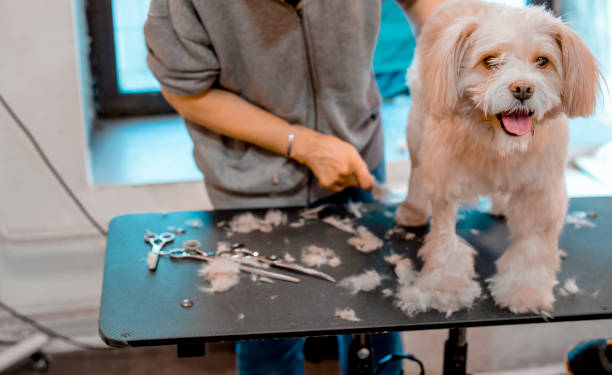
Maintaining a consistent grooming schedule and using the right tools is essential for keeping your dog’s coat healthy year-round. Seasonal grooming tips should be paired with a practical routine and appropriate equipment to make grooming efficient, stress-free, and effective. Proper scheduling also helps prevent matting, excessive shedding, and skin irritation.
Grooming Schedule
Creating a structured grooming schedule ensures your dog’s coat and skin receive regular attention, tailored to seasonal needs.
- Weekly brushing: Long-haired dogs may need daily brushing, while short-haired breeds can be brushed 2–3 times per week.
- Bathing frequency: Adjust according to season—more frequent in summer, less in winter to preserve natural oils.
- Seasonal adjustments: Spring and fall require more attention for shedding; winter needs moisturizing focus.
- Grooming Schedule
Tips:
- Use a calendar or app to track grooming sessions and reminders.
- Observe your dog’s coat and skin—adjust schedule if you notice shedding, dryness, or matting.
- Keep sessions short and consistent to make grooming a positive experience.
Grooming Tools Selection
Choosing the right tools for your dog’s coat type and grooming needs is critical for effective seasonal grooming tips.
- Brushes: Slicker brushes for long-haired dogs, bristle brushes for short-haired dogs, undercoat rakes for double coats.
- Combs: Fine-toothed combs for tangles, wide-toothed combs for general brushing.
- Clippers and scissors: For trimming fur safely during seasonal adjustments.
- Gloves: Massage and loose hair removal while keeping your dog calm.
- Grooming Tools Selection
Tips:
- Clean and disinfect tools regularly to prevent skin infections.
- Rotate brushes to reach different layers of the coat.
- Keep sharp tools away from children and store in a safe place.
Anti-Shedding Strategies
Shedding can increase during seasonal transitions. Implementing anti-shedding strategies keeps your home cleaner and your dog comfortable.
- Regular brushing: Target undercoat and dense areas.
- Nutrition: Ensure a diet rich in omega-3 and omega-6 fatty acids for healthy coat and reduced shedding.
- Hydration: Adequate water intake supports skin and coat health.
- Anti-Shedding Strategies
Tips:
- Use grooming as bonding time to reduce stress.
- Consider grooming mats or pads to catch excess hair.
- Reward your dog with treats after brushing to reinforce positive behavior.
Practical Grooming Schedule Checklist
To simplify seasonal grooming and maintain consistency:
- ✅ Brush according to coat type and season.
- ✅ Bathe following seasonal needs, adjusting for summer heat or winter dryness.
- ✅ Inspect skin, paws, and coat weekly.
- ✅ Use proper tools for brushing, trimming, and detangling.
- ✅ Adjust grooming frequency during shedding seasons (spring/fall).
- ✅ Track grooming sessions for long-term coat health.
Special Grooming Considerations
While general grooming routines work for most dogs, some require extra attention due to sensitive skin, allergies, or other unique needs. Implementing seasonal grooming tips for these dogs ensures their coat and skin remain healthy, and grooming remains a positive experience for both pet and owner.
Grooming for Sensitive Skin
Dogs with sensitive skin need gentle grooming and careful product selection to avoid irritation.
- Use hypoallergenic shampoo: Gentle formulas reduce the risk of itching and redness.
- Soft brushing tools: Use bristle brushes or grooming gloves to avoid scratching the skin.
- Short, frequent sessions: Prevent stress and irritation by dividing grooming into manageable sessions.
- Grooming for Sensitive Skin
Tips:
- Test any new grooming product on a small patch of skin before full application.
- Avoid fragrances or harsh chemicals that can trigger reactions.
- Monitor skin closely for dryness, redness, or bumps.
Grooming for Allergy-Prone Dogs
Dogs prone to allergies require extra steps to minimize exposure to allergens and soothe their skin.
- Paw and belly cleaning: Wipe after outdoor walks to remove pollen, dust, or grass.
- Trim facial hair: Reduces allergen buildup around eyes and nose.
- Seasonal bathing: Use hypoallergenic shampoo to remove triggers without over-drying.
- Grooming for Allergy-Prone Dogs
Tips:
- Groom in a clean, dust-free area to reduce airborne allergens.
- Observe your dog for signs of itching, scratching, or redness.
- Reward your dog for calm behavior during grooming to reduce stress.
Skin Protection Tips
Protecting the skin from environmental factors is essential year-round.
- Moisturize dry areas: Apply dog-safe oils or leave-in conditioners, especially during winter.
- Protect from sun: Use dog-safe sunblock on exposed skin in summer.
- Check for hot spots: Inspect ears, paws, undercoat, and folds for irritation.
- Skin Protection Tips
Tips:
- Rotate products seasonally to maintain coat health and prevent buildup.
- Focus on high-friction or sensitive areas that may dry out or become irritated.
- Keep grooming sessions short and positive to build trust.
Practical Checklist for Special Grooming
To make grooming for sensitive or allergy-prone dogs easier:
- ✅ Use hypoallergenic shampoos and gentle conditioners.
- ✅ Brush with soft tools suitable for sensitive skin.
- ✅ Clean paws, belly, and facial areas regularly.
- ✅ Apply protective oils or sunblock according to season.
- ✅ Inspect skin frequently for signs of irritation or infection.
- ✅ Keep grooming sessions short, rewarding, and stress-free.
Seasonal Coat Adjustments and Moisturizing

Adjusting your dog’s coat and keeping it moisturized throughout the year is essential for maintaining healthy skin, reducing shedding, and preventing matting. Following seasonal grooming tips ensures that your dog’s coat is strong, shiny, and resilient no matter the weather.
Seasonal Coat Adjustments
Each season brings unique challenges for your dog’s coat, from shedding in spring to dryness in winter. Making small adjustments helps your dog adapt comfortably.
- Spring: Increase brushing frequency to remove loose winter coat and reduce shedding.For focused advice on refreshing your dog’s coat specifically for the spring season, explore our detailed guide on Spring Coat Care,
- Summer: Lightly trim fur for better airflow while keeping natural sun protection.
- Fall: Prepare the coat for winter by removing dead summer hair and strengthening the undercoat.
- Winter: Avoid over-trimming and focus on coat protection and moisture retention.
- Seasonal Coat Adjustments
Tips:
- Observe coat thickness and texture; adjust trimming or brushing accordingly.
- Rotate grooming tools to reach all layers of the coat.
- Combine diet, hydration, and grooming adjustments for optimal coat health.
Coat Moisturizing Techniques
Moisturizing prevents dry skin, itching, and brittle fur, which are common during seasonal transitions.
- Natural oils: Coconut, argan, or jojoba oils applied sparingly can help maintain skin hydration.
- Leave-in conditioners: Dog-safe leave-in products can protect against environmental stressors.
- Focus areas: Pay attention to elbows, paw pads, tail base, and undercoat for dryness.
- Coat Moisturizing Techniques
Tips:
- Apply moisturizers immediately after bathing for best absorption.
- Test any new product on a small area before full application.
- Use grooming sessions as bonding time to make moisturizing a positive experience.
Practical Checklist for Coat Adjustments and Moisturizing
To maintain optimal coat health year-round:
- ✅ Brush according to season and coat type.
- ✅ Adjust trimming to seasonal needs without over-shaving.
- ✅ Apply oils or leave-in conditioners to high-friction and dry areas.
- ✅ Monitor coat and skin for dryness, matting, or irritation.
- ✅ Incorporate diet and hydration to support healthy fur.
Practical Tips and Daily Checklist
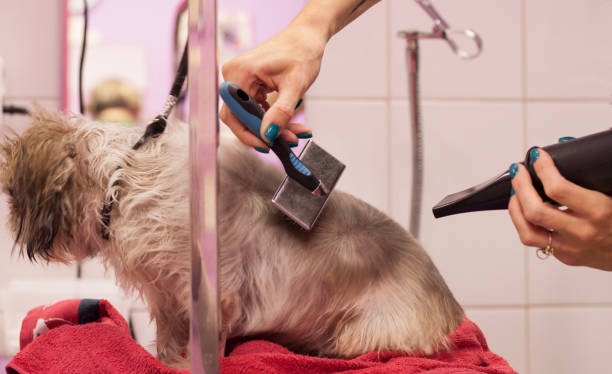
Maintaining a consistent daily grooming routine makes seasonal adjustments easier and keeps your dog comfortable year-round. Implementing seasonal grooming tips through a structured checklist ensures nothing is overlooked, and grooming becomes a stress-free part of your dog’s care.
Daily Grooming Checklist
A simple daily routine helps prevent matting, dryness, and excessive shedding while keeping your dog happy and healthy.
- Brushing:
- Short-haired dogs: 2–3 times per week
- Long-haired dogs: Daily or every other day
- Focus on undercoat and high-friction areas such as tail base and elbows
- Bathing:
- Adjust frequency based on season:
- Summer: 1–2 times per week
- Winter: Once every 3–4 weeks
- Use gentle or hypoallergenic shampoo to protect skin and coat
- Adjust frequency based on season:
- Paw care:
- Wipe paws after walks to remove dirt, ice, or allergens
- Check pads for cracks or dryness, especially in winter
- Coat inspection:
- Look for mats, tangles, or hot spots
- Monitor skin for redness, bumps, or irritation
- Tool maintenance:
- Clean brushes and combs regularly
- Rotate grooming tools to reach all coat layers
- Reward your dog:
- Use treats, praise, or playtime to reinforce positive grooming experiences
Quick Tips for Seasonal Grooming Success
To ensure your seasonal grooming tips are effective:
- Observe seasonal changes: Adjust grooming routines according to shedding, coat thickness, or weather conditions.
- Rotate grooming products: Avoid buildup by alternating shampoos, conditioners, and oils.
- Short and consistent sessions: Keeps dogs relaxed and prevents stress.
- Positive reinforcement: Always reward patience and cooperation during grooming.
- Environment: Groom in a calm, well-lit area with minimal distractions.
FAQ: Seasonal Grooming Tips
Q1: How often should I groom my dog in each season?
- Spring/Fall: Brush daily for long-haired breeds, 2–3 times per week for short-haired breeds.
- Summer: Brush more frequently to remove loose hair and prevent overheating.
- Winter: Brush less frequently but focus on moisturizing and protecting sensitive areas.
Q2: Can I bathe my dog weekly year-round?
- Many professionals recommend adjusting frequency by season. Weekly baths in summer may be fine, but winter baths should be less frequent to preserve natural oils.
Q3: How can I prevent matting in long-haired dogs?
- Daily brushing, using an undercoat rake, and applying leave-in conditioner to high-friction areas help prevent mats.
Q4: What products are safe for dogs with sensitive skin?
- Use hypoallergenic shampoos, gentle conditioners, and natural oils like coconut or argan. Avoid products with strong fragrances.
Seasonal Grooming Daily Checklist (Summary)
- ✅ Brush according to coat type and season
- ✅ Bathe with gentle shampoo, adjusting frequency by season
- ✅ Clean paws and check pads for dryness
- ✅ Inspect coat and skin for mats, tangles, or irritation
- ✅ Apply moisturizers or leave-in conditioners as needed
- ✅ Rotate tools and maintain them clean
- ✅ Reward your dog to make grooming positive
By following these practical tips and daily checklists, your dog will stay healthy, comfortable, and looking their best no matter the season. Regular grooming, combined with seasonal adjustments and proper tools, ensures a strong, shiny, and well-maintained coat while reducing stress and keeping your dog happy throughout the year.
🎯 For a complete approach to caring for your dog, including seasonal grooming, check out our Complete Guide to Dog Care at Home.
