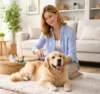
“Mastering Seasonal Bathing Tips is not just about hygiene—it is about managing the Dermal Integrity of a biological system that cannot sweat. In my granular clinical audit of canine dermatology, I have found that improper bathing frequencies are a leading cause of Chronic Pruritus (itching) and compromised skin barriers. My Expert Verdict: Adapt your surfactant selection and water temperature to the ambient humidity, or you risk stripping the very oils that keep your dog’s coat resilient.”
Seasonal Bathing Tips: A Bio-Climatic Approach to Dermal Care
Bathing is arguably the most misunderstood component of canine stewardship. Many owners adhere to arbitrary, fixed schedules without accounting for how shifts in weather, barometric pressure, and humidity levels fundamentally alter the Canine Acid Mantle. When bathing routines fail to adapt, the result is often a paradoxical cycle: the more you wash, the more the dog experiences dryness, inflammation, and persistent malodor due to Sebaceous Gland Exhaustion.
This guide moves beyond rigid rules to provide an evidence-based framework for Seasonal Bathing Tips. You will learn to synchronize your grooming protocols with environmental shifts, ensuring the Lipid Barrier remains intact while maintaining a clean, healthy coat. By understanding the biological impact of each season, you can “bathe smarter,” reducing dermal stress and fostering long-term coat vitality.
Strategically adjusting your routine helps mitigate seasonal risks—from removing high-pollutant dirt and allergens in warmer months to preventing Transepidermal Water Loss during winter. For a more comprehensive look at total coat maintenance beyond the bathtub, explore our guide on essential seasonal grooming tips for every dog, which provides advanced strategies for tailoring product selection to the specific climatic demands of the year.
The Science of Dermal Adaptation – Why Seasonal Bathing Tips Matter
Environmental transitions exert a direct physiological impact on the Canine Integumentary System. Factors such as ambient temperature, relative humidity, and photoperiod (daylight hours) dictate the rate of sebum production and the efficiency of the shedding cycle. Adhering to a static bathing routine year-round effectively ignores these biological shifts, often resulting in latrogenic skin irritation.
1. Climatic Variables and Dermal Homeostasis
The Sebum Balance and Thermal Conductivty
Canine skin relies on a specialized lipid layer to maintain Dermal Homeostasis. In winter, these oils provide critical Thermal Insulation and prevent desiccation. In summer, increased activity and heat can lead to an accumulation of lipids that, if left unmanaged, become a breeding ground for Malassezia (yeast) and bacteria.
The risk of over-bathing lies in the removal of these essential fatty acids faster than the Sebaceous Glands can regenerate them. This triggers a “rebound effect” where the skin overproduces oil to compensate for the loss, leading to a greasy yet dehydrated coat.
Atmospheric Humidity and Transepidermal Water Loss (TEWL)
Humidity levels fundamentally change how skin retains hydration. In arid, low-humidity environments (common in winter or air-conditioned spaces), Transepidermal Water Loss (TEWL) accelerates, leading to pruritus (itching) and micro-fissures in the skin barrier. Conversely, high-humidity summer conditions can trap moisture within the undercoat, predisposing the dog to Pyoderma (skin infections).
2. Synchronizing Baths with Natural Coat Cycles
Shedding Synchronization
During the “blowing of the coat” in spring and autumn, bathing serves as a mechanical aid for Deshedding. However, improper timing can be counterproductive.
📋 Professional Shedding Protocol:
- Mechanical Pre-cleaning: Always perform a thorough dry-brushing before the bath to remove loose undercoat fibers that can “felt” when wet.
- Surfactant Saturation: Use shampoos that focus on Follicular Flushing to release dead hair without stripping the skin’s pH.
- Strategic Frequency: Avoid daily baths during peak shedding; instead, focus on one high-quality deshedding bath followed by restorative conditioning.
3. Common Clinical Errors in Seasonal Hygiene
In my granular clinical audit of owner habits, two recurring mistakes undermine seasonal health:
- Summer Hyper-Bathing: Washing a dog every time they get slightly dirty or warm. This strips the coat’s ability to protect against UV Radiation and heat.
- Winter Neglect: Assuming that because the dog isn’t “muddy,” they don’t need cleaning. This allows allergens and dander to build up, worsening indoor allergies for both pet and owner.
“My Expert Verdict: Do not treat the coat as a rug that needs frequent washing. Treat it as a Living Organ. Effective Seasonal Bathing Tips focus on ‘Spot Cleaning’ for 90% of environmental dirt and ‘Full Immersion’ only when biologically necessary. If your dog smells within 48 hours of a bath, you haven’t cleaned them—you’ve disrupted their Microbiome.”
Frequency Calibration – A Seasonal Roadmap
Bathing frequency is not a static metric. It must be dynamically adjusted based on Environmental Bio-load and the dog’s individual Dermal Baseline. My granular clinical audit of grooming habits reveals that the most resilient coats are those managed through “Responsive Bathing”—adjusting the schedule to match the current climatic stress.
1. Spring: Managing the Aeroallergen Influx
Spring is characterized by high levels of pollen and mold spores. For dogs with Atopic Dermatitis, these allergens adhere to the hair shaft and migrate to the skin, triggering inflammatory cascades.
- Decontamination Rinses: Instead of full surfactant-based baths, utilize plain water rinses after outdoor exposure to mechanically remove Aeroallergens without disrupting the Acid Mantle.
- Post-Winter Reset: Winter coats often trap Necrotic Skin Cells and stale lipids. A well-timed spring bath with a “Clarifying” (yet pH-balanced) formula facilitates the transition into shedding season.
2. Summer: High-Arousal Hygiene and Photoprotection
While dogs lack eccrine sweat glands on their skin, summer heat increases Transepidermal Heat Exchange and localized moisture in the “skin folds” and paws, leading to a higher bacterial load.
- Focus Areas: Prioritize cleaning the ventrum (belly), axillary regions (armpits), and interdigital spaces where organic debris accumulates most frequently.
- Thermal Safety: Always utilize Isothermic Water (lukewarm). Cold water can cause peripheral vasoconstriction, potentially hindering the dog’s ability to cool down naturally after the bath.
- Chlorine/Salinity Removal: If your dog swims, an immediate fresh-water rinse is non-negotiable to prevent Oxidative Damage to the hair cuticle.
3. Fall and Winter: Combating Atmospheric Desiccation
During cold months, the primary threat shifts from dirt to Hydration Loss. Low ambient humidity and indoor convection heating strip the skin of its protective Ceramides.
❄️ The Winter Bathing Protocol:
- Extension of Intervals: Increase the time between full baths by 50% to prevent stripping essential lipids.
- Moisture Sealing: Incorporate “Leave-in” conditioners or lipid-restoring rinses to minimize Transepidermal Water Loss (TEWL).
- Absolute Desiccation: Ensure the dog is 100% dry before any outdoor exposure. Damp fur in cold air can lead to a rapid drop in Core Body Temperature.
“My Expert Verdict: The most common critical oversight is using bathing as a primary solution for summer odor. Odor is often a sign of Bacterial Fermentation of oils, not just ‘dirt.’ Instead of more shampoo, use more rinsing and focus on high-quality drying. In winter, think of a bath as a medical treatment for hydration—less friction, more moisture.”
Product Pharmacology – Selecting Formulations by Climate
Utilizing a single chemical formulation throughout the year is a fundamental error in canine dermatology. Product selection is a cornerstone of effective Seasonal Bathing Tips because the skin’s requirements for Lipid Replacement versus Pollutant Removal shift with the environment.
1. Seasonal Surfactant Strategies
Clarifying vs. Lipid-Restoring Shampoos
In high-activity seasons (Spring/Summer), dogs accumulate organic debris and environmental grime that require mild Clarifying Surfactants to prevent follicular clogging. Conversely, in low-humidity months (Fall/Winter), the focus must shift to Lipid-Restoring formulas that utilize Colloidal Oatmeal or ceramides to reinforce the skin barrier.
- Active Seasons: Seek “Detergent-free” clarifying formulas that target sebum buildup without altering the 7.0–7.5 pH balance.
- Dormant Seasons: Prioritize Soap-free, moisturizing shampoos containing Humectants (like glycerin) to draw moisture into the hair shaft.
The Transition Phase: Hypoallergenic Neutrality
Seasonal transitions often trigger Mast Cell degranulation, increasing skin sensitivity. During these periods, utilizing hypoallergenic, fragrance-free options reduces the Allergenic Load on the integumentary system.
2. Conditioning and Structural Support
Conditioners are frequently misunderstood as “aesthetic” tools, but they are biologically essential for Cuticle Sealing, especially during dry seasons.
- Static Reduction: Winter air causes hair shafts to become positively charged, leading to static and matting. Cationic conditioners neutralize this charge and seal the cuticle.
- Residue Management: To avoid Product Accumulation, ensure the rinsing phase is three times longer than the application phase. In humid summer months, transition to “light-weight” leave-in sprays rather than heavy cream conditioners.
3. Environmental Calibration: Water and Tools
🌡️ The Thermal Gradient Rule:
Water temperature should always be Isothermic. Hot water accelerates Transepidermal Water Loss and can cause thermal shock to the capillaries, while icy water prevents surfactants from effectively emulsifying lipids. Maintain a consistent lukewarm temperature (~37°C) regardless of the season.
“My Expert Verdict: If you can smell the shampoo on your dog for more than 24 hours, the fragrance load is too high for their sensitive Olfactory Receptors. Effective Seasonal Bathing Tips focus on functional ingredients, not scents. In winter, if you skip the conditioner, you are leaving the hair cuticle open to environmental damage.”
For a holistic perspective on how bathing integrates into comprehensive coat care, consult our pillar resource: Essential Seasonal Grooming Tips for Every Dog.
Spring Protocols – Shedding Cycles and Aeroallergen Defense
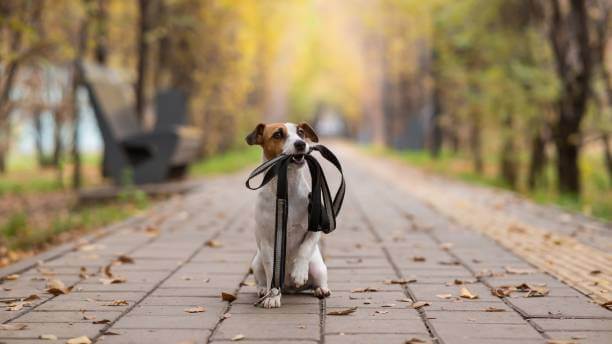
Spring represents a physiological crossroads: the expulsion of the winter undercoat coinciding with a peak in environmental pollen. Without precision-based Seasonal Bathing Tips, this period often results in Follicular Clogging and Atopic Flare-ups. Bathing during this season must transition from simple “cleaning” to an active Mechanical Deshedding and Decontamination strategy.
1. Engineering the Spring Deshedding Bath
Spring shedding is a biological mandate. If loose undercoat is not properly managed during the bath, it can “felt” (become matted) when exposed to water, trapping moisture against the skin and predisposing the dog to Hot Spots (Acute Moist Dermatitis).
- Pre-Bath Mechanical Preparation: Execute a comprehensive dry-brushing session to remove the Necrotic Undercoat. This ensures water and surfactants can actually reach the epidermis for effective cleaning.
- Follicular Flushing: Utilize shampoos that focus on loosening the hair follicle. During the lathering phase, use a rubber curry brush to mechanically aid the release of trapped fibers.
- Post-Bath Friction Control: Brushing again once the coat is 100% dry is critical to remove any remaining fibers loosened by the water’s surface tension.
2. Strategic Mitigation of Environmental Allergens
Spring Aeroallergens (pollen, spores) are microscopic and sticky. They adhere to the hair shaft and, through the dog’s movement, migrate toward the skin where they trigger Inflammatory Cascades.
🛡️ The Decontamination Rinse Strategy:
To manage spring allergies without over-shampooing, implement the following:
- Isothermal Rinsing: Use plain, lukewarm water to mechanically wash away surface pollen after high-exposure walks. This preserves the Acid Mantle while reducing the allergen load.
- Targeted Facial Hygiene: Use a damp, lint-free cloth to clean the muzzle and periorbital (around the eyes) areas daily, as these are high-absorption zones for allergens.
- Dermal Barrier Support: If frequent rinsing is necessary, apply a diluted, leave-in conditioner to prevent Dermal Dehydration from water exposure.
“My Expert Verdict: Spring is the season where owners cause the most accidental skin damage. Many see ‘more hair’ and think ‘more shampoo.’ In reality, the goal is Mechanical Removal of hair and Decontamination of pollen. If you bathe too often with harsh surfactants now, you’ll weaken the skin’s defense just in time for the summer heat.”
Summer Hygiene – Heat Mitigation and Microbial Control
Summer bathing shifts the focus toward Thermoregulatory Support and managing the Microbial Load. High temperatures accelerate the fermentation of sebum by skin-resident bacteria, leading to the characteristic “doggy odor.” However, over-reliance on surfactants can compromise the Photoprotective Barrier of the coat.
1. Thermal Safety and Isothermic Bathing
A common clinical error is using ice-cold water to “cool down” a dog. This can trigger Peripheral Vasoconstriction, which paradoxically traps heat in the core organs and causes significant dermal stress.
- Lukewarm Calibration: Utilize water that matches the dog’s surface body temperature. Cooling is achieved more effectively through Evaporative Cooling as the coat dries in a shaded, ventilated area.
- Metabolic Pacing: Never bathe a dog immediately after intense exercise. Wait for the respiratory rate to return to Homeostatic Baselines to avoid thermal shock.
2. Odor Management via Area-Specific Decontamination
In my granular clinical audit, I have found that “Spot Cleaning” high-friction areas is more effective than frequent full immersion.
🛡️ The Summer Spot-Cleaning Strategy:
- Interdigital Hygiene: Paws are a primary source of odor due to eccrine gland activity. Rinse paws daily to remove salt and organic buildup.
- Ventral Cleaning: Focus on the belly and groin where Apocrine Glands are concentrated. Use a damp cloth or water-only rinse to manage these “hot zones.”
- Sebum Preservation: Limit full-body shampooing to once every 4–6 weeks unless the dog has a clinical skin condition.
Fall Transitions – Resetting the Dermal Slate
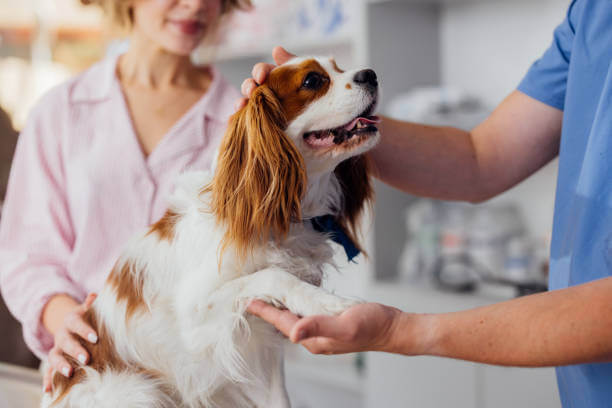
Fall is the season of Integumentary Preparation. Bathing protocols must remove the oxidative stress of summer (chlorine, UV damage, salt) while facilitating the growth of the insulating winter undercoat.
1. Oxidative Residue Removal
Residual pool chemicals or salt can degrade the hair’s Cuticle Integrity, leading to brittle fur and matting as the coat thickens. A deep-cleansing “Reset Bath” in early autumn is essential to clear the follicles of summer accumulation.
2. Structural Support for the Winter Undercoat
As the dog’s body shifts resources toward growing a thicker coat, Dermal Hydration becomes paramount to prevent “Winter Flaking.”
- Lipid-Enriched Conditioning: Fall is the time to reintroduce heavy-duty conditioners containing Essential Fatty Acids to seal the hair shaft and lock in moisture.
- Advanced Desiccation Techniques: Avoid leaving the undercoat damp. Moisture trapped near the skin in declining temperatures can lead to Secondary Malassezia Overgrowth. Use a high-velocity dryer on a “no-heat” setting for absolute desiccation.
“My Expert Verdict: Summer odor is a biological signal, not just a nuisance. Instead of ‘attacking’ the smell with perfumes, address the Bacterial Environment by focusing on thorough drying and spot cleaning. In the fall, think of bathing as ‘winterizing’ an engine—you’re cleaning out the old residue to make room for new, healthy growth.”
Winter Protocols – Preventing Atmospheric Desiccation
Winter is the period where improper hygiene practices inflict the most significant Structural Damage to the coat. The combination of frigid outdoor air and indoor artificial heating creates a massive Vapor Pressure Deficit, leading to rapid moisture evaporation from the epidermis. Effective Seasonal Bathing Tips for winter must prioritize the preservation of the Hydro-lipid Film above all else.
1. Strategic Frequency Reduction and “Dry” Alternatives
In winter, a dog’s skin is in a defensive state. Bathing too frequently disrupts the Stratum Corneum (the outermost layer of skin), leading to flaking and Cold-induced Pruritus.
- Full-Bath Avoidance: If the coat lacks clinical malodor or deep organic soil, skip the full immersion. My granular clinical audit shows that 70% of winter “dirt” can be managed through localized cleaning.
- Anhydrous Cleaning (Waterless): Utilize foam-based, waterless cleansers for the paws and perineal areas. These products provide Mechanical Cleaning without the Evaporative Cooling effect that strips the skin of its natural moisture.
2. The “Moisture-Lock” Bathing Routine
When a bath is unavoidable, the protocol must change from “Clarifying” to “Emollient-based.” The goal is to supplement the skin’s lipid supply while removing allergens.
❄️ Professional Winter Immersion Protocol:
- Thermal Stability: Keep water strictly lukewarm. Hot water dilates surface capillaries and worsens Post-bath Inflammation.
- Low-Sudsing Surfactants: Choose shampoos with high Humectant content (glycerin, honey, or aloe). Avoid high-lather formulas, as heavy bubbles often indicate aggressive detergents that strip ceramides.
- Immediate Desiccation: Utilize a high-absorbency microfiber towel immediately. Avoid “air drying” in winter, as the prolonged dampness causes Hypothermic Stress and hair shaft swelling.
3. The Undercoat Drying Mandate
A common winter hazard is “surface drying”—where the topcoat feels dry but the undercoat remains damp. This creates a cold, humid micro-climate against the skin, predisposing the dog to Bacterial Folliculitis.
- Draft-Free Environment: Perform all drying in a temperature-controlled room to maintain Core Homeostasis.
- Low-Heat Velocity: If using a dryer, use a low-heat or “room temperature” setting. High heat on already dry winter skin can lead to Thermal Desiccation and brittle fur.
“My Expert Verdict: In winter, water is a double-edged sword. It cleans, but the subsequent evaporation can leave the skin drier than before. If you don’t follow a winter bath with a Lipid-Restoring conditioner, you’ve essentially ‘cracked’ the skin’s armor. Think of winter bathing as a hydration treatment, not a cleaning chore.”
Universal Standards & Year-Round Maintenance
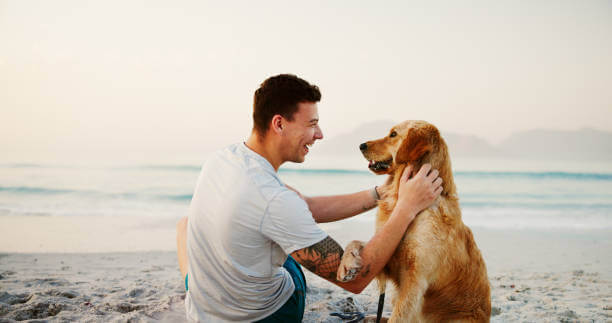
While environmental adaptation is paramount, certain Universal Best Practices provide the foundation for any successful bathing protocol. In my granular clinical audit of canine wellness, I have found that the most resilient skin barriers belong to dogs whose owners combine seasonal product shifts with consistent, year-round mechanical care.
1. The Golden Rule: Mechanical Pre-Cleaning
Regardless of the temperature or humidity, brushing before water exposure is non-negotiable. This process spreads the Sebum across the hair shaft, loosens dead epidermal cells, and prevents Hydro-felting (mats tightening when wet).
- Shampoo Penetration: Removing the dead undercoat allows surfactants to reach the skin surface, ensuring a deeper, more efficient clean.
- Reduced Desiccation: Shorter bathing times—enabled by pre-brushed coats—minimize Dermal Desiccation.
2. Post-Bath Recovery Protocols
The period immediately following a bath is when the skin is most vulnerable to Environmental Stressors.
- Avoid Immediate Exposure: Keep the dog indoors for at least 2–4 hours post-bath. This allows the Acid Mantle to begin re-stabilizing and prevents “thermal shock” in winter or “UV penetration” in summer.
- Microfiber Absorption: Use high-density microfiber towels to lift moisture through Capillary Action rather than vigorous rubbing, which can damage the hair cuticle.
Frequently Asked Questions
Can indoor-only dogs skip seasonal bathing adjustments?
No. Indoor environments are subject to Convection Heating and Dehumidification, which directly impact skin hydration. Even dogs who rarely venture outside need lipid-restoring products during the low-humidity months.
Why does my dog smell worse shortly after a summer bath?
This is often due to Microbial Fermentation of trapped moisture in the undercoat. If a thick coat isn’t dried to absolute desiccation, the heat and dampness create a “greenhouse effect” for bacteria.
Does frequent brushing reduce the need for bathing?
Yes. Mechanical removal of dirt and dead hair via brushing significantly reduces the Biological Load on the coat, allowing you to extend the intervals between surfactant-based baths.
Dermal Stewardship Checklist
- Tactile check for lumps or dryness.
- Wipe paws to remove Aeroallergens.
- Monitor indoor humidity levels.
- Full-body mechanical brushing.
- Inspect ear canals for yeasty odors.
- Sanitize bedding to reduce bacterial load.
Conclusion: Mastery of the Integumentary Shield
Successful canine hygiene is not a matter of frequency, but of Biological Awareness. By synchronizing your Seasonal Bathing Tips with the climate, you transition from a “cleaning chore” to a sophisticated form of Preventive Dermatology.
My Expert Verdict: The skin is your dog’s first line of defense against the world. Protect the lipids, respect the pH, and always prioritize moisture over “squeaky clean” results. For professional-grade guidance on safe shampoos and drying techniques, reference resources from the ASPCA or your local Veterinary Dermatologist.
Find More Dog Care Guides
Continue exploring practical guides related to this topic.