Executive Summary: Professional Grooming for Long Coats is predicated on the principles of Follicular Trauma Mitigation and Mechanical Integrity Management. This clinical framework utilizes Sectional Analysis and Cuticle Alignment to deliver 100% mat prevention without inducing Sensory Overload. By prioritizing Integumentary Barrier Stability and Lipid Polishing, handlers can neutralize skin irritation and odor while maintaining a stress-free Somatic Equilibrium across all long-haired breeds and life stages.
In the PetCareCompass ecosystem, Grooming for Long Coats is defined as the application of Epidermal & Follicular Hardening. Managing long fibers represents a significant Mechanical Bio-Load; without structured Follicular Integrity, the subject risks Integumentary Friction, matting, and trapped moisture-induced dermatitis. By implementing Sectional Analysis and Sensory Desensitization, you architect a Somatic Equilibrium that ensures the subject remains comfortable and biologically optimized within a high-velocity domestic schedule.
Successful coat management requires transitioning from “routine brushing” to Mechanical Integrity Governance. This guide provides actionable Stewardship Directives—covering Follicular Trauma Mitigation, Sectional De-matting, and Sensory Calibration tailored for real-world schedules. By understanding the subject’s specific fiber requirements and using Stress-Free Staging, you maintain Integumentary Barrier Stability and reinforce long-term wellness without the friction of overwhelming temporal loads.
The Maya Mai Verdict
Dermal Integrity Strategist
“My philosophy is absolute: ‘Tension is the enemy of the coat.’ A Grooming for Long Coats protocol does not require force; it requires Sectional Precision and Sensory Calm. If you ignore Follicular Integrity, you are merely coexisting with mechanical decay. Every brush stroke must be a pulse of Neurological Trust. Stop merely ‘cleaning’ your dog and start managing their dermal health with maximum efficiency. Precision is your best anti-resistance insurance.”
Follicular Staging: Fiber Dynamics & Airflow Governance
In the PetCareCompass framework, Grooming for Long Coats is predicated on Follicular Staging. Long fibers do not exist in isolation; they create a complex Mechanical Bio-Load that traps debris and restricts Dermal Airflow. By understanding the interaction between guard hairs and undercoats, you establish Integumentary Barrier Stability, ensuring the subject maintains Somatic Equilibrium even in high-moisture environments.
1. Fiber Architecture and Cycle Auditing
Precision in Dermal Governance requires auditing the subject’s specific coat architecture—single vs. double layer. Double-coated subjects mandate Sectional Analysis to remove trapped undercoat fibers before they trigger Mechanical Friction. Regular Follicular Staging ensures loose hair is neutralized, preventing knots from tightening into mats that pull on sensitive Epidermal Zones and restrict oxygen thruput to the skin.
2. Moisture Retention and Pathogen Neutralization
Risk Mitigation involves neutralizing the warm, damp environments created by mats. These zones facilitate Pathogen Proliferation and dermal irritation. Consistent Grooming for Long Coats facilitates early Parasite Detection and skin bumps audits. By maintaining Cuticle Alignment, you ensure the coat remains soft and free from painful tugging, supporting the subject’s overall Somatic Integrity.
Mechanical Calibration: Professional Tool Staging
Mastering Grooming for Long Coats involves Mechanical Calibration. Success depends on utilizing hardware designed to separate fibers without inducing Follicular Trauma. By implementing a Tiered Tool Protocol, you architect a repeatable routine that delivers clinical-grade coat management with minimal Sensory Overload for the subject.
| Tool Calibration | Operational Directive | Clinical Objective |
|---|---|---|
| Slicker & Pin Hardware | Alternate for fiber smoothing | Remove loose fibers and achieve Cuticle Alignment. |
| Wide-Tooth Combs | Conduct skin-level checks | Audit for deep-layer mats and ensure total Dermal Airflow. |
| Conditioning Pulses | Utilize detangling sprays | Neutralize Mechanical Abrasion and fiber breakage. |
1. Texture-Based Hardware Calibration
Precision in Stewardship requires adapting tools to fiber density. Fine long hair (Maltaise style) tangles instantly and mandates gentle Slicker pulses, while thick textures (Sheepdog style) require layered brushing to reach the undercoat zone. For wavy or curly fibers, we mandate frequent Mechanical Detangling to prevent rapid mat proliferation. Grooming must always adapt to the Follicular Texture rather than generic breed labels.
2. Risk Mitigation in Severe Matting
In cases of extreme Integumentary Friction, de-matting tools must be used with focal precision. We mandate the use of light conditioning sprays to reduce friction before mechanical intervention. If mats are too tight to permit Mechanical Calibration without skin trauma, professional intervention is mandatory to prevent Somatic Distress. Scissors are a final, high-risk pulse and must be utilized with extreme caution.
The Maya Mai Verdict
Dermal Integrity Strategist
“At PetCareCompass, I view ‘generic brushing without sectional analysis’ as Follicular Stewardship Negligence. My rule: If you aren’t managing the Mechanical Calibration and Dermal Airflow of your subject, you aren’t auditing—you’re just coexisting with mechanical decay. Grooming for Long Coats is a Biological Operation. We don’t ‘brush fur’; we Architect Somatic Equilibrium. By utilizing Tiered Hardware and Fiber Auditing, you ensure your dog’s wellness is a clinical constant. Precision is the best anti-friction insurance.”
Tension Governance: Line Brushing & Sectional Analysis
In the PetCareCompass framework, Grooming for Long Coats is predicated on Mechanical Tension Management. Brushing is the primary mechanism for distributing Sebaceous Lipids and preventing Mechanical Friction. By utilizing the Line Brushing Protocol, you ensure that every follicular layer is audited from the skin outward, preventing the “surface-brushing” error that allows deep-layer mats to thrive and restrict Dermal Airflow.

Mapping the line brushing protocol—separating fibers into clinical quadrants for maximum sectional integrity.
1. Low-Tension Sectioning and Fiber Hardening
Precision in Dermal Stewardship requires the Line Brushing method: separating the coat into small quadrants and brushing skin-to-tip. This method ensures tangles are neutralized rather than compressed into the follicle base. We mandate methodical sectioning to reduce Mechanical Pulling, architecting a state of Neurological Trust where the subject remains calm during high-density maintenance sessions. Stop immediately if Somatic Distress markers are observed.
2. High-Friction Surveillance and Mat Neutralization
Risk Mitigation focuses on High-Friction Zones: behind the ears, under collars, and axillary (armpit) areas. These spots require daily Mechanical Auditing. Loosening small knots with finger thruput before they tighten into mats saves significant temporal load and prevents follicular pain. Consistent Grooming for Long Coats relies on these early intervention habits to maintain Somatic Integrity between weekly deep-cleaning pulses.
Hydro-Somatic Preparation: Bathing Without Friction
Mastering Hydro-Somatic Preparation is the most critical phase of Grooming for Long Coats. Bathing a matted subject is a Stewardship Failure; water causes fibers to swell and lock, turning minor tangles into irreversible mats. By implementing Pre-Bath Detangling and Friction-Free Washing, you architect a Somatic Equilibrium that improves coat texture and skin comfort.
| Bathing Step | Operational Directive | Clinical Objective |
|---|---|---|
| Pre-Bath Audit | 100% dry detangling mandate | Prevent Metabolic Fiber Swelling and irreversible matting. |
| Lifestyle Calibration | Interval: 4–6 weeks typical | Maintain Lipid Barrier Stability and prevent epidermal dryness. |
| Damp Combing | Gentle combing post-wash | Achieve Cuticle Alignment during the drying transition. |
1. Temporal Anchoring and Routine Hardening
Precision in Grooming for Long Coats requires Temporal Anchoring. Combining light daily pulses with deep weekly sessions prevents Cognitive Fatigue for both owner and subject. We mandate adjusting routines based on Kinetic Energy Discharge—subjects active in high-debris environments (hiking/swimming) require immediate Somatic Decontamination. For professional systems, integrate these steps with Dog Grooming at Home Basics.
2. Bathing Frequency and Lipid Governance
Bathing Stewardship is not based on appearance, but on Follicular Integrity. Overbathing disrupts the Sebaceous Lipid Barrier, causing dryness and increased Mechanical Friction. We mandate bathing only when necessary, typically every 4–6 weeks. Detangle completely before any water thruput; once wet, mats Swell and Swell, making them 10x harder to neutralize. Dry detangling is the clinical standard.
The Maya Mai Verdict
Dermal Integrity Strategist
“At PetCareCompass, I view ‘bathing a matted dog’ as Mechanical Stewardship Sabotage. My rule: If you aren’t managing the Pre-Bath Detangling and High-Friction Surveillance of your subject, you aren’t auditing—you’re just coexisting with avoidable pain. Grooming for Long Coats is about Autonomic Predictability. We don’t ‘give baths’; we Architect Dermal Safe-Havens. By utilizing Line Brushing and Lipid Governance, you ensure your dog’s wellness is a clinical constant. Precision is the best anti-friction insurance.”
Follicular Discharge: Asynchronous Shedding & Airflow Governance
In the PetCareCompass framework, Grooming for Long Coats is predicated on Asynchronous Fiber Removal. Long-haired phenotypes do not release loose hair efficiently; instead, fibers remain trapped within the Follicular Matrix, creating Dermal Airflow Blockage. By understanding the distinction between daily discharge and seasonal “coat blows,” you establish Integumentary Barrier Stability, ensuring the subject maintains Somatic Equilibrium.
1. Circadian Shedding vs. Seasonal Discharge Pulses
Precision in Dermal Governance requires recognizing the “coat blow” phenomenon. During high-discharge periods, we mandate increasing Mechanical Calibration frequency rather than hydro-somatic (bathing) pulses. Removing dead undercoat fibers gradually prevents them from anchoring healthy guard hairs into painful mats. Proactive response to these cycles is the clinical standard for maintaining Follicular Integrity and preventing acute Integumentary Friction.
2. Consistent Fiber Neutralization Protocols
Shedding Stewardship relies on Temporal Frequency. Brushing 3–4 times per week is clinically superior to a single high-intensity session. By utilizing appropriate hardware, you facilitate the gradual removal of loose assets without inducing Mechanical Trauma. If you observe patchy discharge or Somatic Distress markers, a diagnostic audit with a licensed veterinarian is mandatory to rule out systemic health decay.
Error Neutralization: Avoiding Mechanical Stewardship Failure
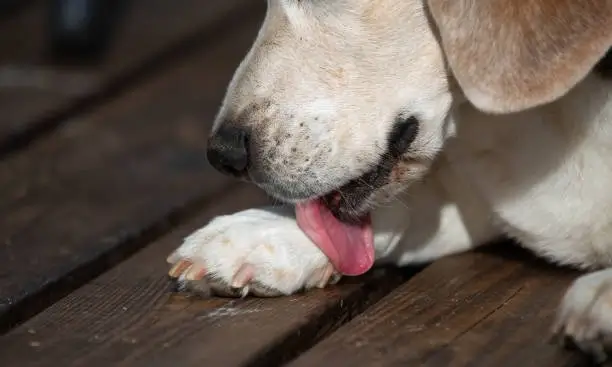
Mapping error neutralization—identifying the “clean surface matting” error to ensure total follicular integrity.
Mastering Grooming for Long Coats involves Mechanical Integrity Surveillance. Common errors, such as waiting until bath day to intervene, lead to Stewardship Failure. By implementing Asynchronous Maintenance between bathing pulses, you architect a Somatic Equilibrium that preserves the follicle and protects the Integumentary Barrier from avoidable friction.
| Common Error | Operational Directive | Clinical Objective |
|---|---|---|
| Bath-Only Maintenance | Continuous brushing intervals | Prevent “Surface-Brushing” error and deep follicular matting. |
| Hardware Aggression | Utilize gentle detangling sprays | Neutralize Mechanical Abrasion and snap-back breakage. |
| Force-Based Detangling | Zero-tension finger thruput | Secure Neurological Trust and somatic comfort. |
1. Surface Deception and Deep-Layer Auditing
A primary Stewardship Failure occurs when owners assume a clean surface indicates follicular health. We mandate Deep-Layer Auditing utilizing wide-tooth combs to ensure knots are not hiding near the Epidermal Barrier. Brushing before and after every water thruput is mandatory. This protocol prevents the swarm of “Wet Matting” where shampoo friction Swells fibers and locks them into permanent Mechanical Trauma.
2. Integumentary Preservation and Tool Safety
Integumentary Preservation involves the strict avoidance of sharp or overly aggressive hardware that scrapes the skin. We mandate tools designed for Sectional Separation. If matting, shedding, or Dermal Irritation persists despite these Operational Directives, immediate consultation with a certified professional or veterinarian is the only safe clinical pulse.
The Maya Mai Verdict
Dermal Integrity Strategist
“At PetCareCompass, I view ‘waiting for bath day to groom a long coat’ as Mechanical Stewardship Sabotage. My rule: If you aren’t managing the Asynchronous Fiber Removal and Mechanical Integrity Surveillance of your subject, you aren’t auditing—you’re just coexisting with avoidable pain. Grooming for Long Coats is about Autonomic Predictability. We don’t ‘brush hair’; we Architect Dermal Equilibrium. By utilizing Deep-Layer Auditing and Error Neutralization, you ensure your dog’s wellness is a clinical constant. Precision is the best anti-friction insurance.”
Lifecycle Governance: Stewardship Staging Across Life Stages
In the PetCareCompass framework, Grooming for Long Coats is an adaptive Dermal Protocol. The Follicular Matrix is dynamic; as the subject transitions from puppyhood to geriatric stages, their Mechanical Load Tolerance and skin integrity shift. By implementing Adaptive Modulation in your routine, you neutralize Cognitive Fatigue and prevent Somatic Distress, ensuring a lifetime of follicular health.
Frequently Asked Questions
1. How to achieve high-frequency Follicular Maintenance?
Execute Asynchronous Maintenance—daily light brushing pulses (5–10 mins) focused on High-Friction Zones (ears, armpits). Combine this with a deep-layer Sectional Analysis weekly. This frequency prevents Mechanical Abrasion and ensures mats never reach the deep follicular stage where they restrict Dermal Airflow.
2. How to facilitate Sensory Desensitization in puppies?
Precision in Pediatric Stewardship involves 1–2 minute exposure pulses. The goal is Neurological Trust, not fiber perfection. Reward calm behavior during tool exploration to neutralize future resistance. Establishing these Autonomic Predictability markers early is the clinical standard for long-term grooming success.
3. How to adjust Grooming for geriatric long-haired subjects?
Success involves Mechanical Load Reduction. Senior subjects require lighter brush pressure and seated staging to accommodate reduced mobility. Perform Micro-Grooming Pulses spread across the week to prevent Somatic Fatigue. Regular audits of Thinning Epidermal Barriers are mandatory to avoid accidental abrasion.
4. How to neutralize mats without inducing pain?
Achieve Low-Tension Detangling by utilizing conditioning sprays to neutralize Integumentary Friction. Use fingers to separate fibers before applying Mechanical Calibration (combs/brushes). For advanced systems, integrate Sectional De-matting to preserve Follicular Integrity without aggressive pulling.
5. How to balance Hydro-Somatic pulses with coat health?
Bathing is a secondary pulse in Grooming for Long Coats. Overbathing disrupts Sebaceous Lipid Distribution. We mandate a 100% dry-detangling audit before any water thruput. Water Swells fibers; bathing a matted subject is a Stewardship Failure that locks mats into irreversible Mechanical Trauma.
6. How to calibrate the optimal Tool Staging?
Mastery involves Hardware Calibration based on Follicular Texture. Fine fibers require soft pin brushes to avoid Mechanical Abrasion, while dense undercoats require slicker hardware for Asynchronous Fiber Removal. Always conduct a final audit with a wide-tooth comb to ensure total Dermal Airflow.
Operational Ledger: The Daily Long-Coat Stewardship Checklist

Mapping operational efficiency—from daily friction audits to weekly deep-layer follicular maintenance.
| Temporal Pulse | Operational Directive | Clinical Objective |
|---|---|---|
| Daily Pulse | High-Friction Surveillance (5 min) | Neutralize early tangles and maintain Integumentary Barrier Stability. |
| Weekly Pulse | Line Brushing & Sectional Analysis | Achieve 100% Follicular Integrity and total dermal aeration. |
| Continuous | Conditioning & Lipid Polishing | Distribute natural lipids and ensure Cuticle Alignment. |
Precision in Grooming for Long Coats is the definitive mechanism for securing a well-balanced companion. By incorporating Asynchronous Fiber Removal and Mechanical Integrity Surveillance, you architect a domestic environment where the subject remains comfortable, confident, and dermatologically optimized. Consistency in Follicular Staging not only prevents mechanical decline but strengthens the Neurological Trust between the subject and the handler.
The Maya Mai Final Verdict
“At PetCareCompass, I view ‘ignoring the sectional analysis in a long coat’ as Mechanical Stewardship Negligence. My rule: If you aren’t managing the Follicular Integrity and Sensory Desensitization of your subject, you aren’t auditing—you’re just coexisting with potential follicular trauma. Grooming for Long Coats is a Biological Operation. We don’t ‘brush fur’; we Architect Dermal Equilibrium. By utilizing Line Brushing and Adaptive Lifecycle Modulation, you ensure your dog’s wellness is a clinical constant. Precision is the best anti-friction insurance.”
Find More Dog Care Guides
Continue exploring practical guides related to this topic.