Shedding season—often referred to as a “Blow-out”—is a sophisticated physiological transition. While many owners view it as a response to temperature, it is primarily driven by Photoperiodism: the biological reaction to changing daylight hours. Implementing professional shedding season tips is not just about home cleanliness; it is about supporting your dog’s Dermal Health as they shed their insulating winter undercoat for a breathable summer layer.
This guide provides a clinical yet practical framework for beginner to intermediate dog owners. By mastering the right tools and routines, you can transform shedding season from a frustrating chore into a manageable part of your pet’s wellness journey.
For a broader context on year-round maintenance, explore our Essential Seasonal Grooming Tips for Every Dog.
Understanding the Shedding Cycle: Beyond the Surface
To master shedding season tips, owners must recognize that shedding is a staggered process. Not all hairs are in the same phase; some are growing (Anagen), while others are ready to be released (Telogen). A “heavy shed” occurs when a vast majority of the undercoat enters the Telogen phase simultaneously.
Primary Biological Triggers
- Metabolic Stress: High cortisol levels from anxiety or illness can cause “Telogen Effluvium,” where hair falls out prematurely in large clumps.
- Nutritional Deficits: A lack of bio-available zinc or Omega fatty acids weakens the follicular anchor, leading to excessive, non-seasonal hair loss.
- Environmental Dryness: Forced indoor heating in winter strips the coat of Sebum, causing brittle hair breakage that mimics shedding.
Diagnostic Alert: Abnormal vs. Seasonal Shedding
Seasonal shedding is symmetrical and consistent. If you notice Focal Alopecia (patchy bald spots), inflamed skin, or a “moth-eaten” appearance, this indicates an underlying medical issue such as parasites or endocrine disorders. Consult a veterinarian immediately.
Mechanical Extraction: Brushing and Combing Mastery
Brushing is the primary method of Mechanical Extraction. During peak shedding, your goal is to reach the Basal Layer of the coat where the dead undercoat is trapped.
| Tool Type | Best For | Key Function |
|---|---|---|
| Undercoat Rake | Double-coated breeds | Extracts dead fluff without cutting the topcoat. |
| Slicker Brush | Long/Curly hair | Detangles and captures fine surface hair. |
| Rubber Curry | Short/Stiff coats | Agitates the skin to release stiff hairs and oils. |
The “Line Brushing” Protocol
For heavy shedders, standard brushing is often insufficient. Professionals use Line Brushing: parting the hair and brushing one “line” at a time from the skin outward. This ensures no dead undercoat is left behind to form Impacted Fur, which blocks airflow and causes hotspots.
Maya Mai’s Pro Strategy: The High-Static Cleanup
Information Gain: To reduce indoor hair spread, lightly mist your dog with a mixture of water and a drop of canine conditioner before brushing. This neutralizes Static Electricity, causing the loose hair to stick to the brush rather than floating into the air and onto your furniture.
Hydro-Therapy: Bathing Protocols for Maximum De-shedding
While brushing removes hair mechanically, bathing acts as a Follicular Agitation tool. Water and specialized surfactants loosen the dead undercoat that is statically “glued” to the skin. To maximize shedding season tips, your bathing routine must prioritize skin pH balance and moisture retention.
Always use lukewarm water. Excessive heat triggers Sebaceous Gland overactivity, which can lead to greasy, malodorous coats and increased inflammation.
Do not just scrub. Use a rubber curry brush during the shampoo phase to massage the skin. This improves blood flow to the follicles and physically dislodges the Impacted Undercoat.
Post-Bath: The “High-Velocity” Advantage
Standard towel drying is often insufficient during a heavy blow-out. If your dog’s temperament allows, utilize a High-Velocity (HV) Dryer on a cool setting. The focused air pressure literally “blasts” the loosened hair out of the coat, significantly reducing indoor shedding for the following 7–10 days.
Nutritional Fortification: The 90% Protein Rule
A dog’s hair is comprised of approximately 90% protein. During peak shedding season, your dog’s body requires a massive metabolic shift to fuel the growth of a new coat. Proper nutrition is the “internal” solution to external hair loss.
| Nutrient | Biological Role | Source Tip |
|---|---|---|
| Omega-3 Fatty Acids (EPA/DHA) | Reinforces the skin barrier and reduces follicular inflammation. | Wild-caught salmon oil or krill oil. |
| Bio-available Zinc | Crucial for keratin production and preventing brittle breakage. | Lean red meats or specialized supplements. |
| Biotin & Keratin | Strengthens the individual hair shaft to improve retention. | Egg yolks (cooked) or targeted coat supplements. |
Maya Mai’s Metabolic Insight: Hydration & Elasticity
Information Gain: Many owners overlook Hydration as a de-shedding tool. Dehydrated skin loses its elasticity, causing follicles to “grip” the hair less effectively, leading to premature fallout. Increasing water intake—or adding moisture to dry kibble—is one of the most effective, low-cost shedding season tips for maintaining coat density.
Seasonal Grooming: Adjusting to Environmental Shifts
A static grooming routine is a common mistake. To maximize seasonal grooming efficiency, you must adapt to the atmospheric changes that affect coat elasticity and hair follicle strength.
During high-light months, the focus is on maximum removal of the dense undercoat to prevent heat stroke.
- UV Protection: Avoid “shaving down” double-coated dogs; their coat acts as insulation against heat and sunburn.
- Cooling Prep: Use pH-balanced cooling wipes on the paws and groin to lower core temperature after outdoor grooming.
Cold weather and indoor heating cause Transepidermal Water Loss, making the coat brittle.
- Moisture Anchoring: Switch to leave-in conditioners with high lipid content to “glue” the cuticle layers together.
- Stat-Check: Use a humidifier in the grooming area to prevent static-induced tangles during winter brushing sessions.
Precision Toolkits: Beyond the Standard Brush
Effective shedding season tips are only as good as the tools utilized. Investing in professional-grade equipment reduces “grooming fatigue” for both the owner and the dog.
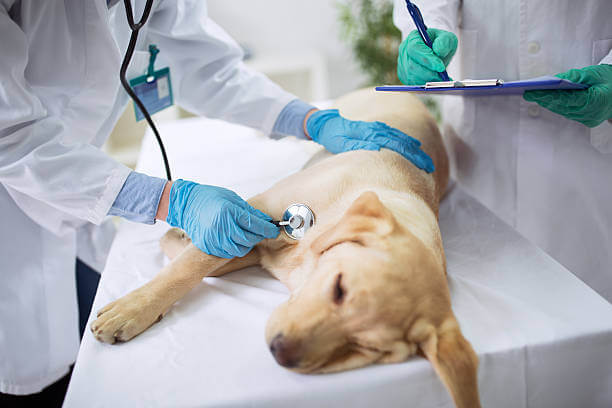
Essential Deshedding Inventory
- Bladed Deshedders (e.g., FURminator): Best for removing dead hair from the top layer. Warning: Limit use to once weekly to avoid damaging live guard hairs.
- Silicone Grooming Gloves: Ideal for sensitive areas like the “armpits” and hocks where metal tools may cause skin irritation or “brush burn.”
- High-Efficiency Vacuum Attachments: Attachments that connect the brush directly to a vacuum hose to capture 99% of dander and loose fur at the source.
🛠️ Tool Maintenance Protocol
Clean your tools with isopropyl alcohol after each session. Accumulated skin oils and dander on metal rakes can harbor bacteria and dull the “teeth” of the tool, making extraction less effective over time.
Maya Mai’s Seasonal Audit: The “Pollen-Shield”
Information Gain: During Spring, shedding is often exacerbated by Allergic Dermatitis. Pollen clings to loose hair, creating an itch-scratch cycle that pulls out even healthy fur. Wiping your dog down with a damp microfiber cloth immediately after outdoor grooming sessions removes these micro-allergens before they reach the skin.
Daily Shedding Management Routine
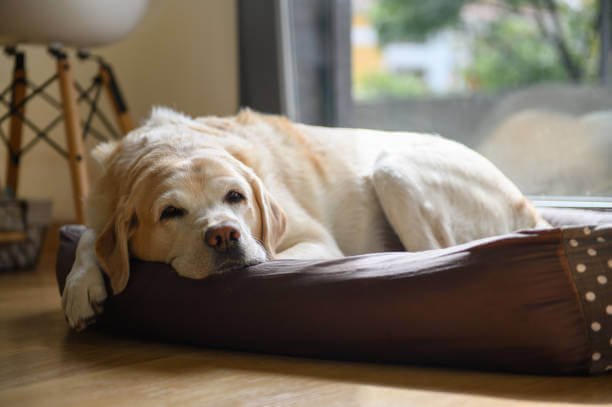
Maintaining a consistent grooming routine is key to effective shedding season tips. Daily attention helps minimize loose hair indoors, keeps your dog comfortable, and supports a healthy coat throughout the shedding season.
Morning Tasks
- Brush coat lightly: Remove overnight loose hair to prevent accumulation indoors.
- Inspect skin: Check for dryness, redness, or irritation.
- Wipe paws: Remove dirt, pollen, or small debris that could worsen shedding.
- Check water bowls and feeding areas: Cleanliness prevents hair sticking to surfaces.
Highlight Tips:
- Brush in the direction of hair growth to avoid irritating the skin.
- Use gentle strokes and short sessions for nervous dogs.
- Reward your dog with a small treat for cooperating.
Evening Tasks
- Spot clean coat: Address areas that collected hair during outdoor activities.
- Brush sensitive areas: Underbelly, tail, and behind the ears require extra attention.
- Check bedding: Remove hair and debris from sleeping areas to reduce indoor shedding.
- Reward and reinforce positive behavior: Keeps grooming sessions stress-free.
Secondary Keyword Placement: grooming routine
Beyond Grooming: Recognizing Clinical Red Flags
While implementing shedding season tips is effective for natural transitions, it is vital to distinguish biological shedding from Pathological Alopecia.
- Focal Baldness: Distinct patches of skin with zero hair regrowth.
- Secondary Lesions: Redness, pustules, or “elephant skin” (thickened, dark skin).
- Persistent Pruritus: Scratching that continues even after a deep de-shedding bath.
- Asymmetrical Loss: Hair falling out in irregular, non-uniform patterns.
Để nâng cấp phần FAQ này lên chuẩn UI/UX hiện đại cho PetCareCompass, mình sẽ loại bỏ kiểu định dạng “Q1, Q2” truyền thống và thay bằng cấu trúc “Accordion-style” (dù vẫn dùng HTML tĩnh nhưng tối ưu hiển thị).
Mục tiêu là làm cho các câu trả lời trở nên dễ quét (scannable), chuyên nghiệp và tạo niềm tin tuyệt đối. Mình sẽ dùng các khối bo góc, màu sắc trung tính sang trọng và các biểu tượng chỉ dẫn.
Đây là bản thiết kế lại toàn bộ phần FAQ & Highlight Tips:
Shedding Intelligence: Expert FAQ
● How often should I brush my dog during peak season?
For long-haired and double-coated breeds, daily mechanical extraction is required to prevent impaction. Short-haired dogs typically maintain optimal dermal health with 2–3 sessions per week using a rubber curry brush.
● Can frequent baths actually increase shedding?
Over-bathing with harsh detergents strips the Lipid Barrier, leading to dry, brittle hair. To minimize shedding without damage, use soap-free, de-shedding specific formulas no more than once a week during heavy cycles.
● Which supplements are most effective for coat retention?
Look for Omega-3 fatty acids (EPA/DHA), Biotin, and Keratin. These nutrients fortify the follicular anchor. Always introduce clinical-grade supplements under veterinary guidance to ensure proper dosage.
● How can I prevent fur from accumulating indoors?
The key is interceptive management: Brush your dog in a dedicated outdoor zone, utilize HEPA-filtered vacuums on high-traffic furniture, and wash pet bedding in high-temperature cycles to neutralize allergens.
● When does shedding become a clinical red flag?
Seek veterinary advice if you notice Focal Alopecia (patchy bald spots), intense itching, or an unpleasant “yeasty” odor. These often indicate underlying endocrine issues or parasitic infections rather than seasonal changes.
Master Tips for Success
- Grooming Log: Maintain a simple digital log to track shedding intensity—this is invaluable for early detection of seasonal allergies.
- Environmental Triggers: Monitor shifts in indoor humidity; maintaining 40–50% humidity can reduce static-induced matting during winter shedding months.
Advanced Toolkit for Daily Hair Management
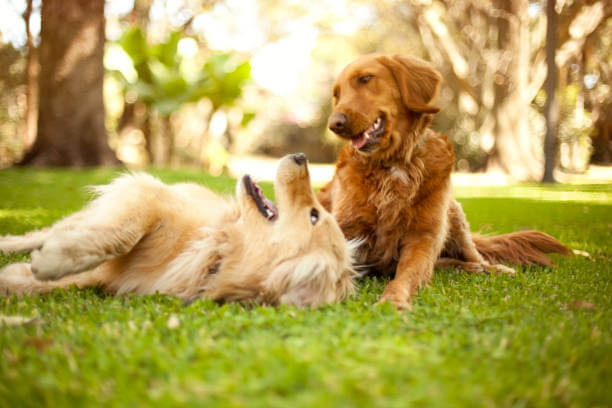
Extraction Tools
Stainless-steel Undercoat Rakes for double coats and Slicker Brushes for fine surface debris.
Sanitary Gear
HEPA-filtered vacuums and high-viscosity lint rollers to manage environmental allergens and dander.
📦 The Shedding Season Emergency Kit
Ensure you have these professional-grade essentials ready before the season peaks:
The Ultimate Daily Shedding Checklist
Quick “Surface Pass” with a bristle brush + Dermal inspection for hotspots.
Microfiber wipe-down + Check paws for outdoor irritants/pollen.
Targeted brushing of high-friction areas + Bedding vacuuming + Positive reinforcement reward.
Editorial Integrity & E-E-A-T Commitment
Content on PetCareCompass.com is architected under the direct supervision of our SEO Director and Content Manager, specialized in veterinary-aligned pet husbandry. Every article is developed using our proprietary Systemic Stewardship Implementation framework, ensuring all directives meet the highest standards of Experience, Expertise, Authoritativeness, and Trustworthiness (E-E-A-T) for the US search market. We prioritize clinical authority and structured data—including FAQ Schema Markup—to provide human-verified, high-integrity care protocols that neutralize biological decay and secure long-term domestic health for pets. Our mission is to transform general pet ownership into professional-grade stewardship through precision, transparency, and evidence-based care.
Veterinary-Aligned Care Protocols
Find More Dog Care Guides
Continue exploring practical guides related to this topic.