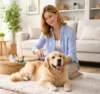
“Coat protection is the first line of defense in canine wellness, acting as a biological barrier between your dog and the external environment.”
A dog’s coat plays a critical role far beyond aesthetic appearance. It functions as a complex, multi-layered natural shield against UV radiation (photodegradation), desiccating winds, moisture, and extreme indoor humidity fluctuations. When this structural barrier is weakened, the hair shaft loses its integrity, leading to epidermal dryness, chronic breakage, and localized skin irritation.
Many coat pathologies are mistakenly attributed to poor hygiene, when the root cause is often a failure to fortify the lipid barrier. This guide identifies the most effective Coat Protection Products that work in synergy with sebaceous lipids to lock in hydration and neutralize environmental stress without the need for aggressive trimming.
Proactive Fortification: Managing Environmental Exposure
This strategic guide is designed for beginner to intermediate dog owners seeking practical, vet-informed solutions. Rather than over-bathing—which can strip vital oils—you will learn how specialized protective topicals can maintain a resilient, healthy coat across every seasonal transition.
🩺 Information Gain: The “Occlusive” Shield
High-quality Coat Protection Products utilize the principle of occlusion. They create a sacrificial microscopic layer over the cuticle, preventing UV rays and dry air from leaching the moisture out of the hair’s cortex. This ensures that the hair remains elastic and less prone to environmental splintering.
🌡️ Why Dogs Need Coat Protection Products in Harsh Weather
Harsh weather conditions gradually weaken a dog’s coat, even when grooming routines remain consistent. Thermal stress, UV radiation, and fluctuating humidity levels all disrupt the coat’s natural homeostatic balance. Understanding why Coat Protection Products are necessary allows owners to transition from reactive grooming to proactive prevention before damage becomes irreversible.
How Environmental Variables Degrade the Hair Shaft
Sun Exposure and UV-Induced Protein Loss
Prolonged solar exposure leads to the degradation of Keratin, the primary protein in the hair shaft. UV rays penetrate the cuticle and damage the internal cortex, causing “sun-bleaching” and extreme brittleness. Dogs with lighter pigments or single coats are at higher risk of follicular damage.
- ☀️ Loss of Elasticity: Overexposed hair loses its ability to stretch, leading to mid-shaft snapping.
- ☀️ Cuticle Splitting: Damaged outer scales lead to persistent split ends and tangling.
Cold Air and The “Evaporation Trap”
Cold winter air holds significantly less moisture. This creates an osmotic imbalance where moisture is literally pulled out of the dog’s coat and skin into the dry environment. Indoor heating (HVAC) compounds this, leading to Static Electricity Discharge and chronic dryness.
Pro Tip: Coat Protection Products during winter act as a thermal sealant. By applying a lipid-rich barrier, you slow down Transepidermal Water Loss (TEWL), keeping the hair flexible even in sub-zero temperatures.
The Biological Integrity of the Coat Barrier
Reinforcing Natural Sebaceous Lipids
A healthy coat relies on Sebum—the natural oils produced by the sebaceous glands. These oils are the first line of defense, providing insulation and repelling pathogens. When environmental stress strips these oils, the coat loses its water-repellent and insulating capabilities.
Identifying a Compromised Barrier
Early signs of barrier failure are often subtle. Recognizing these markers allows for immediate intervention with protective topicals:
📈 Texture Shift
The coat feels “crunchy” or rough rather than smooth and pliable.
⚡ Static Buildup
Frequent “shocks” when petting indicate a severe lack of surface moisture.
🍂 Abnormal Shedding
Brittle hairs snapping off at the root due to environmental dehydration.
Grooming Expert Insight: When the barrier is compromised, increasing brushing frequency can actually cause more harm. Focus on replenishment first.
Common Misconceptions About Coat Protection
Many dog owners unknowingly sabotage their pet’s coat health by following outdated advice or misinterpreting biological signals. Correcting these misconceptions is the first step toward building a resilient, year-round defense strategy.
The Overbathing Trap: Hygiene vs. Lipid Integrity
A frequent response to a dull or “dusty” coat is to increase bathing frequency. While cleanliness is vital, excessive immersion in water—especially with harsh surfactants—strips the Acid Mantle and worsens environmental dryness.
⚠️ Clinical Outcomes of Overbathing:
- Reactive Seborrhea: The skin overcompensates for oil loss by producing excessive, low-quality sebum, leading to an oily yet brittle coat.
- Follicular Fragility: Without a protective lipid layer, hair shafts become porous and “hygroscopic,” swelling and shrinking with humidity until they snap.
- Reduced Grooming Efficacy: Brushing dry, unlubricated hair causes friction damage (cuticle scraping).
The “Indoor Dog” Fallacy
There is a common assumption that dogs living primarily indoors are shielded from environmental stress. In reality, climate-controlled environments create Micro-climate stress. Central heating and air conditioning act as giant dehumidifiers, maintaining humidity levels often far below the 40-60% threshold required for healthy canine skin.
Expert Strategic Note: Indoor dogs require Coat Protection Products just as much as active outdoor dogs. Modern HVAC systems confuse the body’s seasonal cues, leading to year-round “low-level” shedding and chronic static. Focus on lightweight, leave-in humectants to stabilize the coat against indoor desiccation.
Core Principle: Balanced care prioritizes fortification and protection over constant, aggressive cleansing.
🧴 Types of Coat Protection Products and How They Work
Not all grooming topicals are created equal. True Coat Protection Products are formulated with a “barrier-first” philosophy. Their primary objective is to reinforce the hair’s structural integrity, preserve internal moisture, and neutralize environmental trauma rather than merely superficial cleansing.
1. Leave-In Sprays and Hydrating Mists
Leave-in formulations are the most versatile tools in a protection arsenal. Unlike traditional conditioners that are rinsed away, these products contain film-forming humectants that bond to the hair shaft, providing a 24-hour shield against desiccation.
⚡ Static & Friction Control
Mists utilize Cationic surfactants to neutralize the electrical charge on the hair surface. This prevents “flyaway” hair and reduces mechanical friction during brushing, which is the leading cause of mid-shaft breakage.
💧 Moisture Sealing
By coating the hair shaft lightly, these sprays prevent the evaporation of cortical moisture, ensuring the coat remains pliable even in low-humidity indoor environments.
2. Protective Balms, Waxes, and Barrier Creams
For areas with direct environmental contact, high-viscosity occlusives are required. Balms and waxes create a thick, water-resistant physical layer that shields vulnerable hair and skin from abrasive elements.
- ▶ Targeted Defense: Ideal for “feathering” on the legs, the underbelly, and the chest—areas most prone to snow-clumping and ice-melt chemical irritation.
- ▶ Salt & Debris Resistance: Waxes prevent road salt from dehydrating the hair shaft and stop “snowballing” in long-haired breeds during winter walks.
3. Barrier-Support Shampoos and Conditioners
The foundation of protection starts in the bath. Standard shampoos focus on detergency (removing oils), whereas Coat Protection Products focus on lipid replenishment.
🩺 Seasonal Rotation Strategy
Information Gain: A summer formula designed to remove allergens and excess sebum may be too aggressive for winter. Rotate to Low-lather, Soap-free formulas in colder months to preserve the skin’s natural lipid bi-layer. This prevent product “overload” while ensuring the coat receives the specific level of hydration required for the current dew point.
Expert Selection Tip: Look for “Film-formers” like hydrolyzed silk or keratin in your sprays to provide a sacrificial layer against UV and wind.
🗓️ Choosing the Right Coat Protection Products by Season
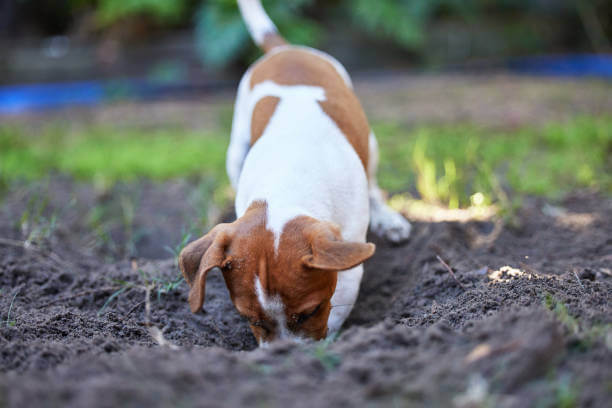
Seasonal dynamics dictate the metabolic and structural needs of the hair follicle. Using Coat Protection Products without seasonal calibration can lead to pore-clogging buildup or insufficient defense against environmental extremes. A strategic rotation ensures maximum efficacy throughout the year.
Warm-Weather Protection: UV Shielding & Airflow
In high-temperature months, the priority is neutralizing UV radiation without increasing the thermal conductivity of the coat. Heavy oils can trap heat against the skin, leading to thermal distress and secondary bacterial growth.
Breathable Defense
Prioritize water-based mists with Aloe Vera or Witch Hazel. These provide UV protection while allowing natural evaporative cooling.
Non-Greasy Barrier
Avoid heavy waxes that attract dust and allergens, which can lead to localized dermatitis in humid conditions.
Cold-Weather Defense: Insulation & Lipid Sealants
Winter requires high-viscosity occlusives to combat the “moisture-sucking” effect of sub-zero air. Protection shifts toward preserving the insulating undercoat and preventing ice-melt chemical burns.
- ▶ Heavy Moisture Barriers: Utilize balms rich in Beeswax or Shea Butter for feathering to repel snow-clumping and salt dehydration.
- ▶ Anti-Static Leave-ins: Use cream-based conditioners to neutralize the massive static buildup caused by indoor HVAC systems.
Transitional Awareness: Managing the “Coat Blow”
During Spring and Fall, the skin undergoes a follicular transition. Over-application of heavy products during these phases can interfere with the natural shedding process. Focus on minimalist layering and gentle, pH-balanced support topicals to help the new coat emerge without obstruction.
Deep Dive: Seasonal Grooming Ecosystem
To see how protective products integrate into a complete 12-month care routine, explore our pillar guide:
🐕 Coat Protection Products for Different Coat Types
Not all canine coats respond uniformly to environmental trauma. The efficacy of Coat Protection Products depends heavily on the coat’s specific architecture, follicular density, and natural Thermal Inertia. Utilizing mismatched products can lead to lipid buildup, trapped fungal-prone moisture, or a total failure of the protective barrier.
1. Short Coats and Thin-Fur Breeds: Maximizing Retention
Breeds with minimal coat density lack significant natural insulation and sebum retention. Their epidermis is directly exposed to atmospheric desiccation, making them highly vulnerable to transepidermal water loss during seasonal shifts.
🛡️ Recommended Strategy for Short Coats
- Lightweight Leave-in Sprays: Formulated with water-binding humectants like Glycerin to hold moisture at the skin level.
- Non-Greasy Mists: High-penetration formulas that stabilize the skin barrier without leaving a heavy residue that attracts outdoor pollutants.
- UV Sealants: Crucial for thin-haired breeds to prevent solar radiation from damaging the underlying dermal layers.
2. Double Coats and Dense Fur: Maintaining Airflow
Double-coated breeds possess a complex Hydrophobic balance. While the topcoat repels water, the dense undercoat can trap stagnant moisture and static electricity if the lipid balance is disrupted by dry indoor air.
⚡ Anti-Static Calibration
Use specialized mists designed to neutralize the electrical charge between the guard hairs and the undercoat, preventing painful matting caused by friction.
💨 Breathable Conditioning
Select “weightless” leave-ins that ensure the undercoat remains fluffy and airy, which is essential for proper temperature regulation.
3. Long and Curly Coats: Reducing Cuticular Friction
Longer fibers are susceptible to Cuticular friction, where the outer scales of the hair shaft snag against each other. Environmental dehydration strips the lubrication needed for these strands to glide, leading to breakage and split ends.
🔬 Strategic Insight: Elasticity & Serums
For long-haired breeds, prioritize Coat Protection Products containing Hydrolyzed Silk or Argan-derived lipids. These act as “slip-agents” that coat the hair ends (the oldest and most fragile part of the coat), effectively reducing mechanical damage during movement and grooming sessions.
Grooming Rule: Match the product density to the coat’s natural weight. Thin fur needs mist; thick fur needs penetration; long fur needs slip.
🧴 How to Apply Coat Protection Products Correctly

Even the most advanced Coat Protection Products will fail to deliver results if the application protocol is flawed. Most efficacy issues stem from poor timing, volumetric overuse, or an uneven distribution that fails to reach the critical follicular base. Mastering the “when” is just as vital as selecting the “what.”
Strategic Timing: The “Damp-Seal” Advantage
Applying protection at the precise moment of moisture saturation improves Hydrophilic bonding, allowing the product to seal in hydration before the atmosphere can evaporate it.
🚿 The Post-Bath Window
Apply leave-ins when the coat is 70–80% dry. This slight residual moisture acts as a vehicle, helping the product penetrate the cuticle scales more effectively than on a bone-dry coat.
🌬️ Pre-Exposure Shielding
Mist the coat 10–15 minutes before outdoor exposure. This allows the film-formers to “set,” creating a resilient barrier against UV oxidation and wind desiccation.
Targeted vs. Systemic Application
Efficient use of Coat Protection Products requires a tactical approach. Full-body saturations are rarely necessary and can lead to product buildup that attracts environmental debris.
| Method | Primary Use Case |
|---|---|
| Targeted Application | Extreme cold on paws/belly; brittle ends; “feathering” on legs. |
| Full-Coat Coverage | Severe indoor HVAC dryness; generalized static; post-shampoo replenishment. |
Mechanical Distribution: The Final Step
Simply spraying a product is insufficient. To ensure every hair shaft is fortified, you must engage in Post-Application Brushing. This mechanical movement spreads the lipids evenly from root to tip, neutralizing static and ensuring no localized buildup clogs the pores.
⚠️ Avoid Product Layering Fatigue
Applying too many different Coat Protection Products simultaneously can lead to molecular clashing. Silicones from one spray may repel the hydrating oils of another, creating a sticky, ineffective residue. Strategic Insight: Stick to one high-quality leave-in and one targeted balm per session for maximum dermal breathability.
Groomer’s Golden Rule: If the coat feels tacky or “heavy” after application, you have exceeded the hair’s absorption capacity. Less is more when the quality is high.
🔬 Ingredient Awareness in Coat Protection Products
Understanding the molecular composition of your grooming arsenal is essential for long-term follicular health. Not all formulations are suitable for repeated use during environmental extremes. High-performance Coat Protection Products should focus on biocompatibility—strengthening the hair fiber without compromising the skin’s natural respiration.
Beneficial Compounds: The Building Blocks of Resilience
Effective protective topicals utilize a synergy of Humectants (to attract water) and Emollients (to smooth the cuticle). These ingredients ensure the coat remains flexible enough to withstand the mechanical stress of wind and cold.
💎 Moisture-Binding Agents
Look for Panthenol (Pro-Vitamin B5) and Vegetable Glycerin. These penetrate the hair shaft to maintain internal hydration, preventing the “hollow hair” effect caused by dry air.
🌿 Elasticity Supporters
Ingredients like Hydrolyzed Oat Protein or Aloe Vera Barbadensis provide a breathable mesh that supports the coat’s structural elasticity under stress.
Formulations to Avoid: The Hidden Cost of “Instant Shine”
Many commercial products achieve an immediate gloss by using heavy, non-breathable coating agents. While visually appealing, these can lead to long-term follicular suffocation and chemical buildup.
- ✘ Denatured Alcohols: Often found in quick-dry sprays, these strip the sebaceous lipids, accelerating dehydration in harsh seasons.
- ✘ Heavy Dimethicones: Low-quality silicones create a waterproof seal that is too thick, trapping dirt and preventing the skin from regulating its own micro-environment.
🛡️ Why Canine-Specific pH Matters
Dogs possess a thinner epidermis and a more alkaline skin pH (ranging from 6.2 to 7.5) compared to humans. Information Gain: Using non-pet-specific products disrupts the Acid Mantle, leaving the skin vulnerable to opportunistic bacterial infections. According to veterinary standards (and supported by AKC safety guidelines), pH-balanced Coat Protection Products are essential for maintaining the skin’s defensive barrier during weather extremes.
Summary: Key Takeaways for Resilient Care
- Different coat architectures require mathematically matched Coat Protection Products.
- Strategic timing (the Damp-Seal method) dramatically improves lipid absorption.
- Targeted application on high-friction areas prevents unnecessary product buildup.
- Rigorous ingredient awareness is the foundation of long-term dermal health.
- Always prioritize pet-safe, pH-calibrated formulations to preserve natural defenses.
💎 Long-Term Benefits of Using Coat Protection Products
Consistent utilization of Coat Protection Products offers far more than superficial luster or temporary softness. These formulations facilitate Cumulative Follicular Strengthening, progressively reinforcing the hair’s structural matrix and stabilizing the underlying dermal environment. A protected coat transitions from a high-maintenance burden to a self-regulating biological shield.
Architectural Resilience: Minimizing Mechanical Trauma
A resilient coat is defined by its ability to withstand friction, UV oxidation, and atmospheric stress without structural failure. By reinforcing the hair fibers, protective topicals minimize the “wear and tear” that leads to chronic breakage.
🛡️ Friction Reduction
Daily application of lightweight serums creates a lubricative layer that allows hair strands to glide past one another. This is particularly vital for high-friction zones (axilla, tail base, and hocks) where matting often originates.
✨ Natural Refractive Shine
When cuticles are properly sealed and hydrated, they lie flat, optimizing the refractive index of the hair. This produces a healthy, deep shine that reflects light naturally without the “greasy” look of heavy silicones.
Dermal Comfort: The Skin-Coat Connection
A coat’s health is an extension of the skin’s metabolic status. Protective products act as a secondary barrier, reducing the workload on the sebaceous glands and preventing the triggers of dermatological inflammation.
🩺 Mitigation of Seasonal Flare-ups
Seasonal shedding (coat blowing) can cause localized Pruritus (itching) as dead hair compacts against the skin. Protective mists keep these hairs lubricated and easier to remove, preventing the “scratch-damage” cycle that leads to skin sores.
- Reduced Desiccation: Seals in the moisture needed to prevent flaky, “dandruff-prone” skin in arid winter air.
- Hormonal Transition Support: Minimizes the metabolic stress on follicles during the emergence of new seasonal guard hairs.
💡 PRO-TIP: THE DAMP-RECEPTION METHOD
For maximum absorption, always apply protective sprays on slightly damp fur. Moisture acts as a conduit, helping the active lipids penetrate deeper into the hair cortex before the cuticle scales fully close.
🗓️ Year-Round Coat Protection Products: Habits & FAQs
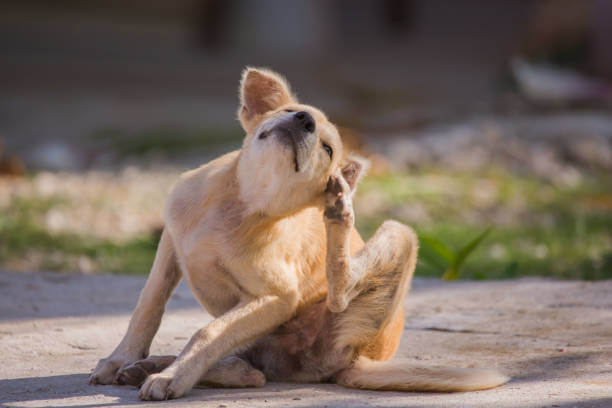
Adopting a proactive mindset is the cornerstone of Coat Protection Products efficacy. Consistency is far more impactful than intensity; small, daily interventions create a cumulative “micro-shield” that prevents environmental trauma from reaching the hair’s core matrix.
Universal Daily Habits for Resilient Coats
☀️ Morning Micro-Shielding
Apply a light mist of leave-in conditioner focusing on high-exposure zones (chest, underbelly, and hocks). This stabilizes the coat against fluctuating daily humidity.
🌙 Post-Walk Recovery
After walks in snow or rain, perform a “rinse and re-seal.” Gently remove environmental debris and reapply a protective balm to neutralize the effects of road salt or moisture stripping.
Frequently Asked Questions
Are coat protection products safe for daily use?
Absolutely, provided they are pH-calibrated for canine skin. Focus on non-toxic, lightweight humectants that do not cause follicular occlusion (buildup). Always avoid human-grade products which are too acidic for a dog’s skin barrier.
Do indoor dogs actually require protective topicals?
Yes. Artificial climate control (HVAC) acts as a systemic dehumidifier. Daily mists keep the coat hydrated and prevent the chronic static electricity that leads to matting.
Can protection products replace my grooming schedule?
No. Coat Protection Products are a symbiotic addition to, not a replacement for, brushing and bathing. They facilitate easier grooming by reducing friction and preventing environmental damage.
Operational Checklist: The Daily Defense
- ✅ Morning: Visual scan for texture shifts + lightweight hydration mist.
- ✅ Post-Walk: Mechanical debris removal + targeted balm re-application on exposed extremities.
- ✅ Nightly: Low-friction brushing to distribute oils evenly across the hair shaft.
The Strategic Coat Protection Checklist
Efficient care is built on a cadence of observation and intervention. Use this tiered checklist to ensure your dog’s coat remains fortified against environmental stressors throughout the year.
| Cadence | Operational Tasks |
|---|---|
| Daily Scan |
|
| Weekly Refresh |
|
| Monthly Review |
|
💡 FOUNDER’S LOGIC: THE PRECISION RULE
In coat protection, consistency outperforms volume. Small, regular micro-doses of hydration facilitate better cuticle alignment than a single heavy saturation which can lead to lipid rancidity and debris attraction.
🛡️ The Professional Selection Standards
Navigating the sea of commercial grooming topicals requires a discerning eye. To protect the Lipid Barrier, you must move beyond marketing claims and analyze the specific molecular safety of each formulation.
The “Ingredient Blacklist”: What to Avoid
Many “instant-shine” products utilize cost-cutting chemicals that lead to Follicular Suffocation over time. Ensure your chosen Coat Protection Products are free from the following:
| Ingredient Type | The Physiological Impact |
|---|---|
| Non-Soluble Silicones | Creates a plastic-like seal that traps bacteria and prevents dermal gas exchange. |
| Phthalates (Fragrances) | Endocrine disruptors that can interfere with the natural seasonal shedding cycle. |
| Sodium Lauryl Sulfate (SLS) | Too aggressive for harsh weather; strips the Acid Mantle instantly. |
Master Selection Matrix: Season vs. Coat Type
Use this matrix as your final decision-making tool before applying any protective routine.
| Coat Type | Summer Priority | Winter Priority |
|---|---|---|
| Short/Smooth | UV-Mist (Water-based) | Lipid Barrier Balm |
| Double/Dense | Debris-repelling Spray | Anti-Static Cream Mist |
| Long/Curly | Lightweight Serum | Heavy Occlusive Wax |
💡 Maya’s Selection Secret
When testing a new product, apply a small amount to your own skin first. If it feels “sticky” or leaves a plastic-like film after 5 minutes, it is likely a low-grade silicone formula that will attract dust and allergens to your dog’s coat. A high-quality protection product should disappear into the hair shaft, leaving only a soft, resilient texture.
Summary: A Resilient Legacy
The strategic use of Coat Protection Products transcends basic grooming—it is a commitment to physiological resilience. By integrating systematic daily habits with vet-informed product selection, you effectively insulate your dog from the harsh variables of weather and indoor environments. A protected coat is not just a sign of health; it is the ultimate shield for the animal beneath it.
✓ Editorial Integrity & E-E-A-T Commitment
Content on PetCareCompass.com is architected under the direct supervision of our SEO Director and Content Manager, specialized in veterinary-aligned pet husbandry. Every article is developed using our proprietary Systemic Stewardship Implementation framework, ensuring all directives meet the highest standards of Experience, Expertise, Authoritativeness, and Trustworthiness (E-E-A-T) for the US search market. We prioritize clinical authority and structured data—including FAQ Schema Markup—to provide human-verified, high-integrity care protocols that neutralize biological decay and secure long-term domestic health for pets. Our mission is to transform general pet ownership into professional-grade stewardship through precision, transparency, and evidence-based care.
Veterinary-Aligned Care Protocols
Find More Dog Care Guides
Continue exploring practical guides related to this topic.