
Summer isn’t just a season of outdoor fun; for your dog, it is a period of significant physiological stress. As temperatures climb, summer grooming shifts from a matter of aesthetics to a vital thermoregulation strategy. Without a proper routine, your dog faces more than just “extra fur”—they risk heatstroke, solar dermatitis (sunburn), and invasive parasite infestations.
Contrary to popular belief, a dog’s coat often acts as a biological insulator. Shaving your dog too close can actually strip away their ability to stay cool and leave their skin vulnerable to harmful UV rays. Effective summer grooming is about managing the undercoat, not removing the protection.
In this guide, we dive into the “Modern Wellness” approach to summer hygiene. We will explore advanced techniques for deep-coat brushing, paw pad protection against scorching asphalt, and pH-balanced hydration for sun-stressed skin. Whether you’re managing a heavy-shedding breed or a short-haired companion, these professional strategies will ensure your dog remains cool, protected, and functionally fit during the peak heat months.
Summer Grooming: The 3 Pillars of Comfort
To help your dog thrive this summer, we focus on three critical biological drivers:
- Undercoat Aeration: Removing “dead” fur to allow air to reach the skin.
- Dermal Hydration: Preventing skin-barrier breakdown caused by sun and salt/chlorine.
- Environmental Shielding: Protecting sensitive areas like paw pads and ear tips from extreme heat.
Brushing Dynamics: The Secret to Summer Cooling
Effective summer grooming is less about shortening the hair and more about aerating the skin. When dead undercoat hair isn’t removed, it forms a dense, felt-like mat that traps body heat and moisture, creating a breeding ground for “hot spots” (acute moist dermatitis). Brushing in summer is a mechanical way to restore your dog’s natural air-conditioning system.
Selecting the Right Tool for Thermal Management
The “Summer Essential” for double-coated breeds (Huskies, Labs). It bypasses the topcoat to pull out dead insulation without cutting the fur.
Perfect for curly or wire coats (Poodles, Terriers). It breaks up micro-tangles that trap humidity against the skin.
Best for smooth, short coats. It redistributes natural oils to protect the skin from sun-induced dryness.
The “Line-Brushing” Technique for Summer
To ensure total aeration, don’t just brush the surface. Use the Line-Brushing method: part the hair until you see the skin, then brush from the root outward. This is critical for summer coat care because it ensures air can reach the epidermis, facilitating evaporative cooling.
- High-Shed Breeds: Daily 15-minute sessions are mandatory in peak heat.
- The “Friction Zone” Check: Pay extra attention to the armpits, groin, and behind the ears—these high-heat areas mat faster in humid weather.
- Post-Adventure Brush: Always brush after a hike to remove “hitchhikers” like ticks or foxtails that hide in the dense summer coat.
Pro-Tip: Mist the coat lightly with a water-based conditioning spray before brushing. This prevents hair breakage and reduces static, making summer grooming much more comfortable for your dog.
Hydrotherapy: Strategic Bathing for Summer Health
In the context of summer grooming, bathing serves a dual purpose: it is a cooling treatment and a decontamination process. High temperatures increase sebum production, which, when mixed with environmental allergens (pollen, dust) and humidity, can lead to bacterial overgrowth and “doggy odor.”
The Science of Canine pH
Did you know? Human skin has a pH of around 5.5 (acidic), while a dog’s skin pH is much more neutral (6.2 to 7.5). Using human shampoo disrupts this “Acid Mantle,” leaving the skin vulnerable to summer infections. Always select a dog-specific, pH-balanced formula.
Ideal for heat-stressed skin. Aloe vera provides instant cooling, while colloidal oatmeal repairs the skin barrier damaged by UV exposure.
For dogs prone to “yeasty” smells in humid weather. Look for ingredients like chlorhexidine or ketoconazole (under vet guidance).
Advanced Bathing Techniques
To maximize the benefits of summer grooming, refine your technique to ensure deep cleaning without irritation:
- The “Double Rinse” Rule: Summer humidity makes shampoo residue extra sticky. Always rinse until the water runs clear, then rinse one more time, particularly in the “friction zones” (armpits and groin).
- Temperature Calibration: Use cool-to-lukewarm water. Hot water can exacerbate heat rash and cause unnecessary cardiac stress in older dogs during summer.
- Post-Swim De-salting: If your dog swims in the ocean or a chlorinated pool, a 5-minute fresh water rinse is mandatory to prevent salt/chlorine from drying out the hair shaft.
Don’t let your dog “air dry” completely in humid weather if they have a thick coat. Trapped moisture near the skin can lead to hot spots. Use a towel to blot (don’t rub) and a blow dryer on the “Cool” setting to ensure the undercoat is dry.
The After-Care Protocol: Securing Summer Health
The grooming process doesn’t end when the water stops. In fact, the post-bath window is when your dog is most vulnerable to Summer-Onset Ear Infections and skin irritation. Strategic drying is the final step in a high-level summer grooming routine.
Warmth + Moisture = Yeast. Use a veterinarian-approved drying agent or a simple cotton ball to gently wipe the visible part of the ear canal. Never use Q-tips, as they can push moisture deeper into the ear.
Apply a pet-safe leave-in conditioner with zinc-free sun protection. This prevents the hair shaft from becoming brittle and bleaching under intense summer UV rays.
Advanced Drying Techniques
Effective summer grooming requires moving away from vigorous towel rubbing, which can cause painful tangles and skin friction.
- The “Blotting” Method: Use a highly absorbent microfiber towel to press and soak up water. This preserves the coat’s natural alignment and prevents the formation of “wet mats.”
- Low-Temp Finishing: If using a blow dryer, stick to the “Cool” or “Room Temp” setting. Forced hot air can dry out the skin’s natural lipid barrier, leading to summer dandruff and itching.
- The Paw-Gap Check: Ensure the fur between the paw pads is 100% dry. Moist paw gaps are prime real estate for interdigital cysts and fungal infections during humid months.
Since summer baths are often cooling, use this time for a Full-Body Tactile Scan. While the coat is wet and flat, it is much easier to spot new lumps, bumps, or skin discolorations that might be hidden by dry, fluffy fur.
Always place a non-slip rubber mat in the tub. A slippery surface causes muscle tension and anxiety, which can turn your summer grooming session into a stressful event for your dog.
The Foundation: Strategic Paw Protection in Peak Heat
In summer grooming, paw care is a functional necessity. While humans wear insulated shoes, a dog’s paw pads are in direct contact with surfaces that can reach temperatures 40°C to 60°C higher than the air. Neglecting this leads to thermal contact burns, which are incredibly painful and slow to heal.
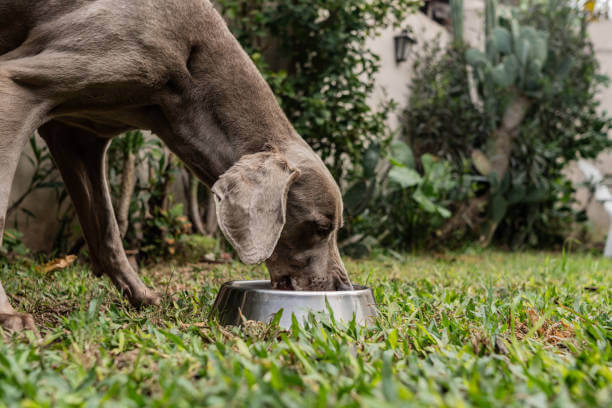
Before walking, place the back of your hand firmly on the asphalt or sand for 7 seconds. If it’s too hot for you to hold comfortably, it will instantly damage your dog’s pads. Asphalt at 52°C (125°F) can cause second-degree burns in just 60 seconds.
Proactive Barrier Management
Musher’s Secret or similar wax-based products create a breathable “shield” against hot sand and salt. Save the healing balms (rich in oils) for post-walk recovery to avoid making the pads too soft and prone to tearing during the walk.
For high-activity dogs, cooling booties with mesh tops and rubber soles are the gold standard. They provide 100% protection from thermal transfer and sharp debris hidden in summer grass.
Anatomy-Based Inspection
Incorporate a “Post-Walk Audit” into your summer grooming routine to catch these common seasonal issues:
- Interdigital Hair Trim: Keep the fur between the pads trimmed level with the pads. Long hair here traps moisture and heat, promoting fungal growth and making the dog more likely to slip on smooth, hot surfaces.
- Fissure Detection: Look for deep cracks (fissures). Unlike minor dryness, fissures require antiseptic cleaning and a protective wrap to prevent deep-tissue infection.
- Nail Mechanics: Hot ground can expand, making long nails even more uncomfortable. Keep nails “silent” (they shouldn’t click on the floor) to ensure the paw pads hit the ground at the correct, safest angle.
If you suspect a minor burn, soak the paws in cool (not ice-cold) water for 10 minutes. Avoid ice as it can cause further tissue damage through vasoconstriction. Apply a pet-safe soothing gel and monitor for blisters.
Post-Walk Decontamination: Beyond Surface Dirt
In summer grooming, washing the paws is not just about keeping your floors clean; it is a critical medical screen. Summer brings an influx of environmental irritants—from lawn fertilizers and pesticides to heat-activated allergens—that can be absorbed through the thin skin between the pads.
Ticks don’t just land on the back; they often “hitchhike” starting from the paws. During your summer grooming check, focus on the deep webbing between each toe. If you find a tick, use fine-tipped tweezers to pull from the head, then disinfect the area with a pet-safe antiseptic.
Advanced Cleansing Protocol
For dogs with high environmental allergies, a quick “paw soak” in cool water with a splash of povidone-iodine (diluted to the color of weak tea) effectively neutralizes bacteria and yeast picked up outdoors.
In dry summer months, foxtail seeds can migrate into the skin. Feel for small, painful lumps or excessive licking, which are early signs of an embedded seed requiring veterinary attention.
Strategic Moisture Control
Effective summer grooming requires a paradoxical approach: we use water to clean, but we must ensure absolute dryness to prevent Pododermatitis (inflammation of the paw skin).
- Microfiber Efficiency: Use a dedicated microfiber “paw mitt” to reach the hidden moisture between the toes. This fabric pulls water away faster than cotton, reducing the window for fungal growth.
- The “Hidden Scent” Check: If your dog’s paws smell like “corn chips,” this is a sign of Proteus or Pseudomonas bacteria overgrowth facilitated by summer humidity. Increase cleaning frequency and consult your vet for an antifungal solution.
- Friction Management: After drying, a light dusting of cornstarch-based (talc-free) powder can help keep the interdigital spaces dry for dogs that suffer from chronic summer paw moisture.
Turn paw maintenance into a bonding ritual. Use a silicone paw plunger—it’s more efficient than a bucket, creates less mess, and the soft bristles provide a gentle massage that can help relax your dog after a long summer adventure.
The Shedding Science: Beyond the Vacuum Cleaner
Seasonal shedding is a biological response to the Photoperiod (longer daylight hours) and rising temperatures. In summer grooming, our goal is to assist the “coat blow” process. When dead hair remains trapped against the skin, it blocks airflow and prevents the dog’s natural cooling mechanisms from functioning, potentially leading to heat exhaustion.
Tools like the Furminator are powerful but should be used with “feather-light” pressure. Over-use in one spot can cause brush burn. Limit sessions to 10-15 minutes to keep the skin barrier intact.
The “Modern Wellness” choice for sensitive or short-haired dogs. The silicone tips use static electricity to lift hair while providing a lymphatic massage that supports skin health.
Strategic “Coat Blow” Techniques
To dominate summer grooming, move beyond surface brushing and implement these professional-grade strategies:
- The “Wet Brushing” Advantage: Apply a deshedding conditioner during the bath and use a wide-tooth comb while the coat is saturated. The water weight helps pull dead undercoat hair away from the skin with minimal friction.
- Forced-Air “Blow-outs”: If you have a high-velocity dryer, use the cool setting to blow air against the grain of the hair. This mechanical force “pops” loose hair out of the follicles far more effectively than any manual brush.
- Nutritional Support: Shedding is an intensive metabolic process. Ensure your dog’s summer diet includes Omega-3 and Omega-6 fatty acids to strengthen the new hair follicles and reduce “excessive” dry shedding caused by sun exposure.
It is tempting to shave a heavy shedder for summer, but for double-coated breeds, this can cause Post-Clipping Alopecia (where hair fails to grow back correctly) and destroys their ability to insulate against heat. Stick to deep-deshedding, not shaving.
Pro-Tip: Always groom your dog before they get wet. Water can “lock” loose hair into tight mats, making summer grooming twice as difficult once the coat dries.
Solar Defense: Advanced Sun Safety & Hydration
In a comprehensive summer grooming strategy, we treat the skin as a functional barrier. Exposure to UV rays doesn’t just cause sunburn; it degrades the hair shaft and can lead to Solar Dermatitis, especially in breeds with white pigment or thin coats. Protection is a two-front war: external shielding and internal hydration.
Never use human sunscreen containing Zinc Oxide or Para-aminobenzoic acid (PABA). Dogs instinctively lick their skin, and ingesting these chemicals can cause severe gastrointestinal upset or systemic toxicity. Only use FDA-compliant, pet-specific formulations.
Strategic Sun Shielding
Apply protection to the bridge of the nose, ear tips, and the underbelly (where sun reflects off hot pavement). For “thin-haired” breeds, consider UV-rated sun shirts as a mechanical barrier.
These work via evaporative heat loss. They must stay wet to function; if a cooling vest dries out while on the dog, it becomes an insulating layer that actually traps body heat. Re-wet frequently.
Metabolic Hydration Maintenance
Effective summer grooming is supported by internal fluid balance. A dehydrated dog has less elastic skin, which is more prone to tearing and environmental irritation.
- The “Skin Turgor” Test: Gently pinch the skin on your dog’s neck. If it doesn’t snap back instantly, your dog is dehydrated. Increase water intake immediately.
- Electrolyte Awareness: After heavy exercise, plain water might not be enough. Consult your vet about pet-safe electrolytes to maintain cellular hydration during heatwaves.
- Strategic Ice: Adding ice to water is great, but for fast-eaters, use large blocks or “ice cakes” (frozen water with dog-safe fruits) to prevent them from gulping ice too quickly, which can lead to stomach upset.
Avoid the “Wet Dog in the Sun” trap. If you wet your dog down to cool them, ensure the water reaches the skin. Wetting only the top layer of a thick coat creates a “sauna effect,” trapping steam and heat against the body. Always saturate to the skin or focus on the belly and paws.
If your dog shows signs of heavy panting, glazed eyes, or rapid pulse, move to shade and use cool (not ice-cold) water on their paws and belly while contacting a vet.
The Parasite Protocol: Grooming as First Defense
In high-heat months, summer grooming is your most effective diagnostic tool. Parasites thrive in the humidity trapped within a thick coat. By the time you see a flea jumping, an infestation is likely already established in your home environment. Early manual detection through grooming can prevent systemic diseases and severe allergic reactions.
During your brushing session, look for tiny black specks that look like black pepper. The Test: Place these specks on a wet white paper towel. If they turn reddish-brown, it is flea dirt (digested blood), confirming an active infestation even if you don’t see the insects themselves.
Strategic Manual Inspection Zones
Ticks are “heat-seekers” and gravitate toward high-vascular areas. Focus your summer grooming attention on these four “hot zones”:
- The Auricular Folds: Inside and behind the ear flaps.
- Interdigital Webbing: Between the toes and near the paw pads.
- Axillary & Inguinal Regions: The “armpits” and groin where skin is thinnest and warmest.
- The Ocular Perimeter: Carefully check around the eyelids.
Integrated Environmental Control
Wash bedding in water at least 60°C (140°F) to kill larvae. Vacuuming isn’t enough; focus on baseboards and dark corners where flea eggs accumulate during humid days.
Ticks require 85% humidity to survive; keeping grass short and removing leaf litter creates a “dry zone” that naturally deters them from your immediate yard.
The Summer Wellness Checklist
- 1. Ocular Maintenance: Use a damp, soft cloth to wipe away “eye crust” daily. Dust and pollen levels are higher in summer, increasing the risk of conjunctivitis.
- 2. Oral Hydration Hygiene: Scrub water bowls daily. Biofilm (the slimy layer) builds up faster in heat, harboring bacteria like Serratia marcescens.
- 3. Mental Cooling: Replace high-exertion outdoor play with “ice-cube puzzles” or scent work indoors during the 10 AM – 4 PM peak heat window.
- 4. Silent Clipping: Keep nails short to prevent them from expanding and “splaying” the paw pads on hot, soft asphalt, which increases the surface area vulnerable to burns.
Dermal Integrity: Safeguarding the Skin Barrier
Beyond aesthetics, summer grooming is a biological necessity to maintain the Stratum Corneum—the outermost layer of skin that prevents dehydration and blocks environmental pathogens. Summer sun, high humidity, and frequent swimming can strip the natural lipids from your dog’s coat, leading to “Summer Dandruff” and chronic itching.
Advanced Hydration Strategies
Look for dog-safe products containing Glycerin or Hyaluronic Acid. These humectants pull moisture into the hair shaft, preventing it from becoming brittle and breaking under intense UV exposure.
Topical Essential Fatty Acids (EFAs) can help repair a sun-damaged skin barrier. If your dog swims often, a weekly leave-in spray with Ceramides acts as an invisible shield against salt and chlorine.
The “Hot Spot” Surveillance
High temperatures combined with moisture (from sweat or baths) create the perfect environment for Pyoderma or Hot Spots. Early detection during your summer grooming sessions is critical:
- Tactile Inspection: Run your hands against the grain of the hair. If you feel a “sticky” or warm patch, it may be the start of an acute moist dermatitis. Clip the hair around the area immediately to allow airflow.
- Allergy Mapping: Summer is peak season for Atopy (environmental allergies). If you notice redness between the toes or around the muzzle, it’s often a reaction to summer pollens rather than the heat itself.
- The “Fragrance-Free” Mandate: Heat opens up skin pores. Avoid grooming products with heavy synthetic perfumes, which are more likely to cause systemic irritation when the skin is warm and permeable.
For light-colored or thin-haired dogs, focus on “Inside-Out” protection. Adding a dash of cold-pressed coconut oil to their summer diet provides medium-chain triglycerides that support a healthy sebum layer, making the coat naturally more water-resistant and sun-hardy.
The 5-Minute Summer Wellness Audit
Consistency is the secret to a stress-free summer grooming experience. By spending just 5 minutes in the morning and evening, you can intercept 90% of common seasonal health issues before they require a veterinary visit.
☀️ Morning: Protection & Hydration
- ✅ Dermal Scan: Inspect ear flaps and nose for UV sensitivity.
- ✅ Hydration Reset: Scrub and refill water bowls (removing bacterial biofilm).
- ✅ Barrier Application: Apply paw wax if early walks involve pavement.
- ✅ Quick Aeration: A 2-minute brush to loosen overnight undercoat hair.
🌙 Evening: Decontamination & Recovery
- ✅ Parasite Sweep: Deep-check “hot zones” (webbing, ears, groin) for ticks.
- ✅ Surface De-salting: Wipe down coat to remove pollen and sweat residues.
- ✅ Interdigital Dry: Ensure spaces between paw pads are 100% moisture-free.
- ✅ Thermal Check: Monitor for lethargy or heavy panting as the body cools down.
The “Golden Rule” of Summer Grooming
Grooming is 90% observation and 10% action. By maintaining this daily checklist, you aren’t just cleaning your dog—bonding and health surveillance become a seamless part of your shared life. A cool dog is a happy dog!
Summer Grooming Intelligence: FAQ
Q1: How often should I bathe my dog in summer?
While active dogs may need weekly baths to remove salt, chlorine, or allergens, over-bathing can strip essential lipids. For most breeds, a full bath every 2–4 weeks is sufficient, supplemented by daily paw rinses and water-only wipe-downs to maintain the skin’s natural pH.
Q2: Are short-haired dogs at less risk of sunburn?
Actually, short-haired and light-colored breeds are at higher risk. Their skin has less mechanical protection from UV rays. Focus sunscreen application on “high-exposure” areas like the bridge of the nose, ear tips, and the underbelly where heat reflects off the ground.
Q3: Is it okay to shave my double-coated dog to keep them cool?
Professional Verdict: No. Shaving a double-coated breed (like a Husky or Lab) removes their natural insulation against heat. It also exposes their skin to direct sun, increasing the risk of heatstroke and permanent coat damage known as Post-Clipping Alopecia. Stick to deep-deshedding instead.
Q4: What is the most overlooked part of summer grooming?
Paw-pad hydration and ear canal drying. Hot pavement leeches moisture from pads causing fissures, while humidity trapped in ears after swimming is the #1 cause of summer yeast infections. Always dry ears thoroughly with a pet-safe solution.
Summer Grooming: The Expert Verdict
“A well-groomed dog is a thermally efficient dog.”
By shifting your perspective from simple aesthetics to functional health, you transform summer grooming into a life-saving routine. Remember the hierarchy of summer care:
- Aeration over Length: Focus on removing dead undercoat, not shortening the topcoat.
- Barrier Protection: Safeguard the skin and paws from UV and thermal burns.
- Decontamination: Neutralize allergens and parasites immediately after outdoor exposure.
Stay consistent, monitor the signs of heat stress, and enjoy a safe, vibrant summer with your companion.
Find More Dog Care Guides
Continue exploring practical guides related to this topic.