

Dog care at home is not about replacing a veterinarian or performing medical treatments on your own. Instead, it refers to the everyday actions, routines, and decisions that help your dog stay safe, comfortable, and emotionally balanced in their home environment. For most dogs in the United States, the home is where they spend the majority of their lives—sleeping, eating, playing, and bonding with their family. Understanding how to care for a dog properly at home is one of the most important responsibilities of dog ownership. If you’re just starting out, our guide on dog care at home for beginners provides practical tips to get started.
At its core, dog care at home includes meeting basic daily needs such as food, water, rest, exercise, and hygiene. It also involves creating a predictable routine that helps dogs feel secure. Dogs are highly routine-oriented animals, and consistency at home plays a major role in their behavior, stress levels, and overall well-being. Even small details—like regular feeding times or a familiar sleeping area—can have a meaningful impact. For help planning daily activities, see our daily dog care routine at home and dog daily schedule at home resources.
Another key part of dog care at home is observation. Responsible owners learn what is normal for their dog’s appetite, energy level, behavior, and bathroom habits. This does not mean diagnosing health conditions, but rather noticing changes early so professional help can be sought when needed. Knowing your dog well is one of the strongest safety tools you have as an owner. For guidance based on your dog’s life stage, check our puppy care at home, adult dog care at home, and senior dog care at home articles.
Dog care at home also extends beyond physical needs. Emotional well-being matters just as much. Dogs need mental stimulation, calm interaction, and a sense of safety within their household. A stable environment helps reduce anxiety, boredom, and unwanted behaviors. Learn more about supporting mental health with mental stimulation for dogs at home and healthy dog habits at home.
It’s important to understand the limits of at-home care. Vaccinations, medical diagnoses, and treatments should always be handled by licensed veterinarians. This guide focuses on education, prevention, and daily care practices that support a healthy lifestyle—not medical advice. When in doubt, professional guidance is always the safest choice.
This pillar guide is designed to help first-time and experienced dog owners build strong foundations at home. Each section connects to more detailed resources, such as guidance on establishing a healthy daily routine for your dog or understanding age-specific care needs at home. Used together, these resources can help you make informed, confident decisions that support your dog’s long-term well-being.
Dog Care Basics Every Owner Should Know

Caring for a dog at home begins with understanding their most basic needs. While every dog is unique, all dogs require a safe environment, consistent care, and attentive supervision to live comfortably in a home setting. These basics form the foundation for responsible dog ownership and help prevent many common problems before they begin. For a complete overview, see our Complete Guide to Dog Care at Home.
One of the first essentials is providing a secure and comfortable living space. Dogs need a designated area where they can rest without being disturbed. This could be a bed, crate, or quiet corner of the home. The space should be clean, dry, and protected from extreme temperatures. A predictable environment helps dogs feel safe and reduces stress, especially for puppies or newly adopted dogs. For step-by-step guidance on creating a safe environment, check our dog safety at home article.
Daily care also includes reliable access to fresh water and regular meals. Feeding should follow a consistent schedule and be appropriate for your dog’s age and size. Sudden changes in feeding routines can cause digestive upset or anxiety. While detailed nutrition tips are covered elsewhere, it’s important for owners to understand that consistency is just as important as food quality. Learn more in Dog Feeding at Home.
Another key basic is supervision and safety awareness. Dogs explore the world with their mouths and noses, which can put them at risk around household hazards. Owners should be mindful of items such as cleaning products, small objects, cords, and trash. Observing potential risks early helps prevent accidents and injuries. For additional guidance on monitoring your home environment for hazards, see dog proofing your home.
Observation is a skill every dog owner should develop. Paying attention to your dog’s normal behavior, energy level, and habits helps you recognize changes early. This does not involve diagnosing problems but helps you decide when professional advice may be needed. Keeping simple notes or mental reminders about what is “normal” for your dog can be very useful over time. For insights into normal dog behaviors and signs to watch, explore our dog behavior at home resource.
Basic dog care also includes daily interaction. Dogs are social animals and need regular, positive contact with their owners. This can be as simple as calm conversation, gentle handling, or short play sessions. These interactions help build trust and strengthen the human–dog bond. For practical daily routines, see our daily dog care routine at home guide.
Finally, responsible dog care means understanding your limits. At-home care supports health and well-being, but it does not replace veterinary care, professional training, or expert guidance when needed. If you are unsure about a situation, seeking reliable information or professional support is always the safest option. As you continue through this guide, see our Complete Guide to Dog Care at Home for a full overview, and explore topics like dog behavior at home to build confidence step by step.
Understanding Your Dog’s Life Stages
Dogs change significantly as they grow, and their needs at home evolve with them. Understanding your dog’s life stages helps you provide care that matches their physical, mental, and emotional development. While exact timelines vary by breed and individual dog, most dogs move through three main stages: puppyhood, adulthood, and senior years. For a full overview of dog care, see our Complete Guide to Dog Care at Home.
Puppyhood generally begins at birth and continues through the first year of life. During this stage, puppies are curious, energetic, and still developing coordination and self-control. They require close supervision, a safe environment, and gentle guidance. Establishing routines early helps prevent confusion and stress as they grow. Puppies also need more frequent meals, bathroom breaks, and rest periods. For detailed tips on nurturing young dogs, check our puppy care at home guide.
Adulthood usually begins around one year of age and can last several years. Adult dogs are generally more physically stable and emotionally predictable than puppies. Consistent routines that match their energy levels and lifestyle are key. While adult dogs may appear independent, they still benefit from daily interaction, mental stimulation, and clear boundaries at home. Gradual adjustments are best when routines or environments change. Learn more about caring for mature dogs in our adult dog care at home article.
Senior years often start around seven years of age, though larger breeds may age sooner. Senior dogs may slow down physically and need more comfort and patience at home. You might notice changes in sleep patterns, energy, or mobility. Monitoring these changes carefully and seeking professional advice when something seems unusual is crucial. Comfort-focused adjustments can greatly improve a senior dog’s quality of life. For practical guidance, see our senior dog care at home resource.
It’s important to remember that life stages are guidelines, not strict rules. Each dog develops at their own pace, influenced by genetics, environment, and care history. Avoid comparing your dog too closely to others, especially across breeds. By understanding these stages, you can make informed decisions that support your dog’s well-being at every phase of life.
Daily Dog Care at Home

Daily dog care at home focuses on meeting your dog’s essential needs in a consistent and predictable way. These everyday routines help dogs feel secure, support healthy behavior, and make it easier for owners to notice changes early. For first-time dog owners, understanding what “daily care” really involves can prevent confusion and reduce stress for both you and your dog. For a full overview of dog care, see our Complete Guide to Dog Care at Home.
One of the most important parts of daily care is routine. Dogs thrive on knowing what to expect. Regular times for meals, bathroom breaks, activity, and rest help create structure in the home. A predictable schedule supports digestion, sleep quality, and emotional balance. While occasional changes are normal, frequent or sudden disruptions can cause anxiety or unwanted behaviors. For detailed guidance on structuring daily routines, check our daily dog care routine at home article.
Providing fresh water throughout the day is a basic but critical responsibility. Water bowls should be clean and easy for your dog to reach at all times. Check water levels regularly, especially in warmer weather or after activity. Dehydration can develop quietly, so daily monitoring is part of responsible care.
Bathroom routines are another key element of daily dog care. Dogs need regular opportunities to relieve themselves in appropriate places. Puppies and senior dogs may need more frequent breaks. Owners should pay attention to timing, consistency, and any noticeable changes in habits. These observations can be helpful if professional advice is ever needed, without attempting to diagnose issues at home.
Daily interaction is just as important as physical care. Dogs are social animals and benefit from calm, positive engagement with their owners. This can include short play sessions, gentle conversation, or quiet companionship. These moments help strengthen trust and reduce feelings of isolation, especially for dogs that spend time alone during the day. Learn more about caring for your dog when you’re away in our Dog Care for Busy Owners guide.
Rest and sleep are often overlooked but are essential parts of daily care. Dogs need a comfortable place to rest where they feel safe and undisturbed. Sleep needs vary by age and individual dog, but a stable resting environment supports recovery and emotional well-being. Avoid disturbing your dog during rest periods unless necessary.
Daily dog care also involves basic observation. Noticing your dog’s energy level, appetite, and general behavior helps you understand what is normal for them. This awareness supports safety and responsible decision-making, including knowing when to seek professional guidance. For tips on recognizing normal behaviors and early warning signs, see dog behavior at home.
As you continue through this guide, you can explore related topics such as establishing a healthy daily routine for your dog and dog care when you’re busy or away, which build on these daily care principles.
Nutrition Basics for Dogs at Home

Proper nutrition is essential for keeping your dog healthy, energetic, and happy at home. While feeding approaches may vary depending on breed, size, and lifestyle, all dogs need a balanced diet that provides the right nutrients for energy, growth, and overall well-being. Understanding the fundamentals of dog nutrition helps owners make safe, consistent decisions without creating confusion or stress. For detailed guidance, see our Dog Feeding at Home resource.
At its core, dog nutrition is about balance and routine. Dogs require a mix of proteins, fats, carbohydrates, vitamins, and minerals to maintain healthy body functions. Meals should be offered at regular times each day to support digestion and metabolism. Sudden changes in food type or feeding schedule can upset your dog’s stomach, so any transition should be gradual and carefully planned. You can also learn general strategies to keep your dog healthy at home through consistent routines and nutrition.
Portion control is another key aspect of feeding dogs at home. Overfeeding can lead to obesity and long-term health problems, while underfeeding may leave your dog lacking energy or nutrients. Follow general feeding guidelines, and observe your dog’s body condition over time. Changes in weight, appetite, or energy levels should be monitored and discussed with a veterinarian rather than adjusted through guesswork.
Water is vital for your dog’s health but is often overlooked. Dogs should always have access to fresh, clean water. Bowls should be washed regularly to prevent bacteria buildup. During warm weather or after exercise, dogs may need more water than usual, so checking water levels daily is an essential part of responsible care.
Owners should also be cautious with human foods. Some foods that seem harmless can be toxic to dogs even in small amounts. Treats and table scraps should be offered sparingly, if at all, and only after confirming safety. For more information, see our guide on foods unsafe for dogs at home—this covers common hazards and safe alternatives.
Safe food handling helps maintain freshness and prevent contamination. Store dog food properly, clean bowls after each meal, and avoid leaving leftovers out for long periods. These simple habits support digestive comfort and reduce the risk of spoilage.
Finally, remember that nutritional needs change with age. Puppies, adult dogs, and senior dogs have different requirements. While these principles focus on general feeding, you can explore age-specific guidance in our puppy, adult, and senior dog care at home resources.
Nutrition at home is a key part of your dog’s health, but professional guidance is always the safest approach when questions arise. Avoid experimenting or making sudden changes without reliable information to ensure your dog thrives at every stage of life.
Exercise and Physical Activity at Home

Regular physical activity is a crucial part of caring for a dog at home. Exercise supports healthy movement, balanced behavior, and emotional well-being. For first-time dog owners, exercise doesn’t need to be complicated or intense. What matters most is consistency, safety, and matching activity levels to your dog’s age and abilities. For a complete overview of daily dog care, see our Complete Guide to Dog Care at Home.
Dogs use physical activity not only to burn energy, but also to reduce stress and stay mentally balanced. Without enough movement, dogs may become restless, bored, or frustrated. Conversely, too much or poorly planned exercise can increase the risk of strain or injury. Finding the right balance is key. For structured daily activity, check our daily dog care routine at home guide.
At-home exercise can take many forms. Short walks, play sessions, or simple movement activities indoors can all contribute to a dog’s daily physical needs. Not every dog requires long outdoor sessions every day. Some dogs are comfortable with moderate activity, especially when supported by calm routines at home. Indoor activities are particularly useful during extreme weather or when outdoor access is limited. Learn more in our dog exercise at home guide.
Safety should always come first. Dogs should exercise on surfaces that reduce the risk of slipping or joint strain. Avoid slippery floors, tight spaces, or cluttered areas that could increase accidents. Owners should also watch for signs of fatigue, such as heavy panting, slowing down, or reluctance to continue. Exercise sessions should end before a dog becomes overtired.
Age plays a vital role in determining appropriate activity. Puppies often have bursts of energy but need frequent rest. Their bodies are still developing, so activity should be gentle and supervised. Adult dogs typically benefit from steady, structured exercise that fits their lifestyle. Senior dogs may still enjoy movement but often need shorter, slower sessions with more recovery time. Adjusting activity based on age supports long-term comfort and mobility. For age-specific care tips, see puppy care at home and senior dog care at home.
Exercise at home also includes everyday movement. Allowing dogs to walk, stretch, and change positions throughout the day supports circulation and joint health. Encouraging natural movement is often safer and more sustainable than forced or repetitive exercise.
Owners should avoid using exercise as a form of punishment or overexertion. Physical activity should be positive, calm, and stress-free. If a dog shows sudden changes in movement, stiffness, or reluctance to exercise, professional advice should be sought.
For ideas on incorporating movement into daily routines, see our daily dog care routine at home guide. By focusing on safe, age-appropriate activity, owners can support their dog’s physical health while maintaining a comfortable home environment.
Mental Stimulation and Enrichment

Mental stimulation is an essential part of dog care at home, even though it is often overlooked by new owners. Dogs are intelligent animals that need opportunities to think, explore, and engage with their environment. Without enough mental activity, dogs may become bored, frustrated, or anxious, which can lead to unwanted behaviors over time.
Enrichment simply means providing safe and appropriate ways for dogs to use their minds. This does not require special tools or complex setups. Everyday activities, when done thoughtfully, can offer meaningful mental engagement. Learning how to include mental stimulation in daily life helps support emotional balance and overall well-being. For more tips on keeping your dog active mentally, see our mental stimulation for dogs at home guide.
One of the simplest forms of mental enrichment is allowing dogs to explore new sights, sounds, and smells in a controlled way. This might include short walks in familiar areas, supervised time in different rooms of the home, or calmly observing activity from a window. Variety within safe limits helps keep a dog’s mind active without causing stress.
Problem-solving activities are another important form of enrichment. Dogs enjoy tasks that challenge them gently, such as searching for hidden items or figuring out simple routines. These activities encourage focus and can help reduce boredom, especially for dogs that spend time alone during the day. For strategies to help dogs stay calm while alone, explore our dog home alone training resource. Mental tasks should always be introduced gradually and kept positive to avoid frustration.
Training also provides mental stimulation when approached calmly. Learning basic cues or practicing familiar behaviors gives dogs a sense of structure and accomplishment. Training sessions do not need to be long. Short, regular practice is often more effective than lengthy sessions and helps maintain attention without overwhelming the dog.
Social interaction plays a role in mental health as well. Calm conversation, gentle handling, and shared quiet time all contribute to emotional stability. Dogs benefit from feeling included in the household in appropriate ways, rather than being left without interaction for long periods. For daily routines that build healthy mental habits, see our healthy dog habits at home guide.
It’s important to balance stimulation with rest. Too much activity or constant change can be just as stressful as too little. Dogs need time to relax and process their environment. Owners should watch for signs of overstimulation, such as restlessness, excessive vocalization, or difficulty settling down, and adjust accordingly.
Mental enrichment should always be safe and supervised. Activities should match the dog’s age and abilities, and anything that causes frustration or stress should be simplified or stopped. If behavior concerns persist, professional guidance may be needed.
For more guidance, explore ideas for keeping dogs mentally engaged at home and strategies for helping dogs stay calm when alone. Thoughtful enrichment supports a balanced, confident dog and strengthens the bond between dogs and their owners.
Training and Behavior Foundations

Training and behavior foundations begin at home and play a major role in how dogs interact with people and their environment. For first-time dog owners, training is not about control or punishment. It is about clear communication, consistency, and helping dogs understand what is expected of them in a safe and supportive way.
Dogs learn through repetition and experience. Establishing simple house rules early helps prevent confusion. These rules should be consistent for everyone in the household. When expectations change from person to person, dogs may struggle to understand which behaviors are acceptable. Clear boundaries create structure, which helps dogs feel more secure in their home environment. For guidance on basic routines and household rules, see our basic dog care rules article.
Positive reinforcement is the most widely recommended training approach. This method focuses on rewarding desired behaviors rather than reacting to mistakes. Rewards can include praise, attention, or calm interaction. When dogs associate good behavior with positive outcomes, they are more likely to repeat it. Harsh corrections or punishment can increase fear or anxiety and may lead to behavior problems over time.
Basic training skills support daily life at home. Simple cues such as coming when called, waiting calmly, or settling in a designated area help create smoother routines. Training sessions should be short and calm, especially for beginners. Dogs learn best in low-stress environments where they can focus without distractions.
Understanding behavior is just as important as teaching commands. Dogs communicate through body language, vocal sounds, and changes in behavior. Learning to recognize signs of stress, excitement, or discomfort helps owners respond appropriately. Many behavior challenges can be prevented by addressing early signs rather than reacting after problems escalate. For more insight, see our dog behavior at home resource.
Behavior issues often develop when a dog’s needs are not fully met or when expectations are unclear. Inconsistent routines, lack of structure, or sudden changes in the home can affect behavior. Addressing these factors is often more effective than trying to correct behavior directly.
Training should always prioritize safety. Dogs should never be forced into situations that cause fear or distress. If a dog shows signs of aggression, extreme anxiety, or sudden behavior changes, professional help should be sought. Attempting to manage serious behavior concerns without guidance can be unsafe.
It’s also important to understand that training is an ongoing process. Dogs continue learning throughout their lives, and reinforcement helps maintain good habits. Patience and realistic expectations are essential, especially for new owners.
For step-by-step support, explore our resource on building positive training habits at home. A strong foundation in training and behavior helps create a calmer household and supports a positive relationship between dogs and their owners.
Socialization and Emotional Well-Being
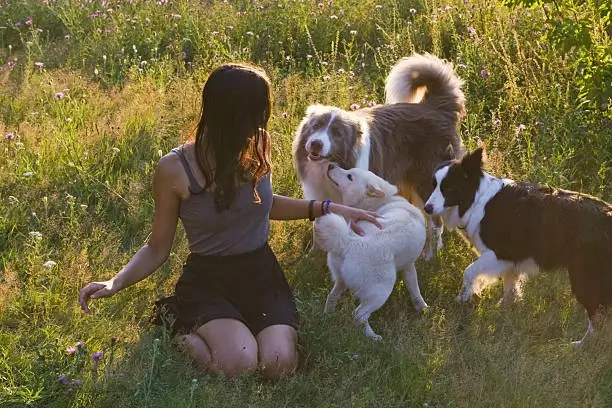
Socialization and emotional well-being are essential parts of caring for a dog at home. Dogs are social animals that rely on positive experiences and a sense of safety to feel emotionally balanced. Proper socialization does not mean constant exposure to new people or situations. Instead, it involves helping dogs feel comfortable and confident in everyday environments.
Socialization begins by allowing dogs to experience normal household sights, sounds, and routines at a pace they can handle. This may include household noises, visitors, or time spent in different areas of the home. Exposure should always be gradual and calm. Forcing a dog into overwhelming situations can increase fear rather than build confidence.
Emotional well-being is closely linked to predictability. Dogs feel more secure when their environment and routines are consistent. Clear daily patterns for meals, rest, and interaction help dogs understand what to expect. When dogs feel safe, they are better able to cope with changes and new experiences. For tips on maintaining a healthy home routine, see our healthy dog habits at home guide.
Positive interactions play a key role in emotional health. Calm conversation, gentle touch, and relaxed time together help strengthen the bond between dogs and their owners. Dogs do not need constant attention, but they do need regular, reassuring contact. Ignoring emotional needs can lead to stress-related behaviors, especially in dogs that spend long periods alone. For strategies on reducing stress and recognizing early warning signs, explore our dog stress signs at home resource.
Helping dogs manage alone time is an important part of emotional care. Some dogs adjust easily, while others may feel anxious when separated from their owners. Teaching independence gradually and creating a calm environment can help reduce stress. Sudden changes in alone time or household schedules should be introduced carefully. Learn more in our dog home alone training guide.
Social experiences should always be safe and age-appropriate. Puppies may need gentle exposure to new situations, while adult and senior dogs may prefer familiar environments. Watching a dog’s body language is essential. Signs of fear or discomfort, such as avoidance or excessive vocalization, mean the situation should be slowed down or stopped.
Emotional well-being also involves recognizing stress. Changes in behavior, sleep patterns, or appetite can sometimes indicate emotional strain. While owners should not attempt to diagnose causes, noticing these changes early allows for timely professional guidance if needed.
It is important to avoid labeling dogs as “bad” or “stubborn.” Many emotional responses are linked to environment and past experiences rather than disobedience. Patience and understanding support healthier behavior over time. For additional guidance on fostering confidence and emotional security, explore our responsible dog ownership at home resource.
Focusing on socialization and emotional well-being helps create a stable, supportive home where dogs can feel confident and safe.
Grooming and Hygiene at Home

Grooming and hygiene are important parts of keeping a dog comfortable and healthy at home. Regular grooming helps maintain a clean coat, supports skin health, and allows owners to notice changes early. For first-time dog owners, grooming does not need to be complicated, but it should be done consistently and with care. For a detailed introduction, see our dog grooming at home basics guide.
Coat care is one of the most visible parts of grooming. Brushing helps remove loose hair, dirt, and debris while reducing tangles. The frequency of brushing depends on coat type, but gentle, regular sessions are usually better than infrequent, long ones. Brushing also provides an opportunity to check for changes in the skin, such as dryness or irritation, without attempting to diagnose any conditions. Learn more in our brushing dog coat at home article.
Bathing should be done only when needed. Bathing too often can dry out the skin and cause discomfort. When bathing at home, use lukewarm water and avoid getting water into the eyes or ears. After bathing, dogs should be dried thoroughly, especially in cooler weather. If a dog becomes stressed during bathing, it may help to keep sessions short and calm. For step-by-step tips, see bathing dogs at home safely.
Nail care is another essential part of hygiene. Nails that grow too long can affect how a dog walks and stands. Regular nail checks help prevent discomfort. Trimming should be done carefully, as cutting too short can cause pain. If owners are unsure, professional assistance is the safest option. For more detailed guidance, see our resource on dog nail care at home.
Ear, eye, and dental hygiene also play important roles. Ears should be checked regularly for dirt or unusual odor. Eyes should appear clear and free of excessive discharge. Dental care helps support comfort and overall health, as the mouth can affect many parts of the body. Simple habits, such as routine checks, help owners become familiar with what is normal for their dog. For guidance on maintaining oral health, explore our dog dental care at home article.
Grooming routines should always match the dog’s age, size, and tolerance. Puppies may need shorter sessions with more breaks, while senior dogs may require extra patience and gentle handling. Grooming should never be rushed or forced, as this can create fear or resistance over time.
Safety is essential during all grooming activities. Use tools designed for dogs, maintain a calm environment, and stop if your dog shows signs of distress. Grooming at home supports well-being, but it does not replace professional grooming or veterinary care when needed.
As your dog’s needs change, grooming routines may need adjustment. You can explore more age-related considerations in our guide to how often to groom dogs at home. Consistent, gentle grooming helps maintain comfort and strengthens trust between dogs and their owners.
Home Health Monitoring and Wellness
Home health monitoring is an important part of caring for a dog responsibly. While medical care should always be provided by a licensed veterinarian, dog owners play a key role in observing daily changes and supporting overall wellness at home. For first-time owners, this means learning what is normal for their dog and paying attention over time. For a full overview, see our keep dog healthy at home guide.
Wellness at home begins with regular observation. Dogs communicate discomfort or stress through changes in behavior, appetite, energy level, and daily habits. Noticing patterns helps owners recognize when something seems different. This does not involve identifying illnesses or making medical decisions, but it does help determine when professional advice may be needed. For tips on recognizing early signs of stress or illness, explore our dog stress signs at home resource.
One useful habit is keeping simple health notes. This might include changes in eating, drinking, sleep, or bathroom routines. Over time, these notes can help identify trends. Consistency is more important than detail. Even basic awareness supports safer decision-making and clearer communication with professionals if concerns arise. Learn more in our dog daily schedule at home guide.
Body condition is another area to monitor at home. Owners can gently observe changes in weight, posture, or movement without performing examinations. Sudden changes, stiffness, or reluctance to move should not be ignored. These signs do not point to specific causes, but they do signal the need for further attention.
Dental health also affects overall wellness. While full dental care requires professional support, owners can watch for changes such as difficulty chewing or unusual mouth odor. Early awareness helps prevent small issues from becoming more serious. For practical tips, see our dog dental care at home article.
Emotional wellness is part of health monitoring as well. Stress, anxiety, or withdrawal can sometimes appear before physical changes. Dogs that become unusually quiet, restless, or irritable may be responding to changes in their environment or routine. Addressing emotional well-being at home supports long-term balance. Related guidance is available in our responsible dog ownership at home resource.
Safety is central to home health monitoring. Owners should avoid attempting treatments, remedies, or adjustments based on assumptions. Internet information can be misleading when applied without context. When something seems unusual or persistent, seeking qualified veterinary guidance is the safest option.
Preventive care also plays a role in wellness. Maintaining clean living areas, providing fresh water, and supporting regular routines help reduce everyday health risks. These habits are simple but effective parts of responsible ownership. For additional tips on daily routines and wellness, see our daily dog care routine at home guide.
Thoughtful monitoring and awareness help owners support their dog’s well-being while respecting the limits of at-home care.
Puppy-Specific Care at Home
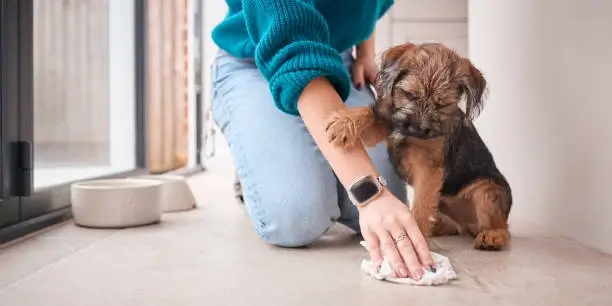
Caring for a puppy at home requires extra attention, patience, and structure. Puppies are still developing physically and emotionally, and their early experiences strongly influence how they adjust to life as adult dogs. For first-time owners, understanding puppy-specific needs helps create a safe and supportive environment during this important stage. For a full overview, see our puppy care at home guide.
One of the most important aspects of puppy care is supervision. Puppies explore the world through chewing and sniffing, which can put them at risk around household hazards. Floors, low shelves, and accessible items should be checked carefully. Creating a puppy-proofed home helps prevent accidents and allows puppies to explore safely within clear limits.
Routine plays a major role in puppy development. Puppies benefit from predictable schedules for meals, bathroom breaks, play, and rest. Because puppies have small bladders and developing digestive systems, they often need more frequent bathroom opportunities than adult dogs. Consistency helps puppies learn faster and reduces confusion. Learn more about daily feeding and routines for puppies.
House training is a common concern for new owners. This process takes time and repetition. Calm guidance, patience, and positive reinforcement support learning. Accidents are normal during this stage and should be expected. Punishment can increase fear and slow progress, so gentle redirection is the safest approach. For step-by-step training tips, see building positive training habits at home.
Puppies also go through a teething phase, which can lead to increased chewing. Chewing is a normal behavior that helps relieve discomfort and supports development. Owners should provide safe, appropriate items and keep valuable or dangerous objects out of reach. Monitoring chewing behavior helps prevent ingestion of unsafe materials.
Rest is just as important as activity for puppies. Puppies sleep more than adult dogs, and rest supports growth and learning. A quiet, comfortable sleeping area helps puppies settle and feel secure. Overstimulation can lead to overtired behavior, so balancing play and rest is essential.
Social exposure during puppyhood should be gentle and controlled. Puppies benefit from calm experiences with everyday household sounds, surfaces, and routines. These experiences should be introduced gradually and without pressure. Watching a puppy’s reactions helps guide the pace of exposure.
Owners should also pay close attention to health and comfort. While medical care is handled by professionals, observing appetite, energy, and behavior at home helps support early wellness. Any ongoing concerns should be discussed with a licensed veterinarian. For guidance on monitoring health and daily wellness, see keep dog healthy at home.
For step-by-step guidance on establishing routines, see our resource on building healthy routines for puppies at home. Thoughtful care during puppyhood lays the foundation for a confident, well-adjusted adult dog.
Adult Dog Care and Maintenance
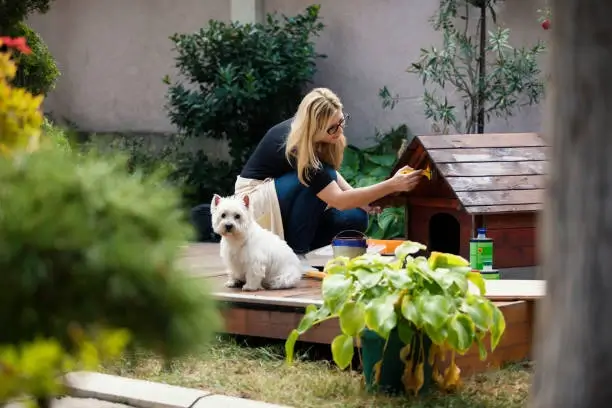
Adult dog care at home focuses on maintaining stability, balance, and long-term well-being. While adult dogs are often more predictable than puppies, they still rely on consistent care and attentive ownership. This stage typically represents the longest period of a dog’s life, making everyday habits especially important. For a full overview, see our adult dog care at home guide.
Consistency is a key part of adult dog care. Regular routines for meals, activity, rest, and interaction help adult dogs feel secure and confident in their environment. Even dogs that appear independent benefit from predictable schedules. Sudden changes in routine, such as new work hours or household adjustments, can affect behavior and emotional balance. When changes are unavoidable, gradual adjustments are usually easier for dogs to manage. Learn more in our dog daily schedule at home guide.
Adult dogs require ongoing mental and physical engagement to stay balanced. Without adequate stimulation, dogs may develop boredom-related behaviors over time. Simple daily activities, structured interaction, and calm engagement help support focus and emotional stability. These activities do not need to be intense or time-consuming, but they should be consistent. For ideas on safe exercise and mental enrichment, see dog exercise at home and mental stimulation for dogs at home.
Behavior maintenance is another important aspect of adult care. Skills learned earlier in life can fade if they are not reinforced. Calm reminders and occasional practice help maintain good habits. This is especially useful when dogs encounter new situations or environments. Addressing small behavior changes early is often more effective than waiting until patterns become established. Explore dog behavior at home for practical guidance.
Home safety remains important throughout adulthood. Adult dogs may be more confident in their surroundings, but they are still vulnerable to household hazards. Regularly reviewing the home environment helps ensure it remains safe as dogs age or as the household changes. This is especially important when introducing new furniture, plants, or household products. See our dog safety at home guide for more tips.
Monitoring wellness is also part of adult dog maintenance. Owners should stay aware of changes in energy, appetite, or behavior. Adult dogs often hide discomfort, so subtle changes may be easy to miss. Observing patterns over time supports early awareness and responsible decision-making without attempting diagnosis. For guidance on supporting long-term health, check keep dog healthy at home.
Emotional well-being should not be overlooked in adult dogs. Life changes such as moving, new family members, or schedule shifts can cause stress. Providing reassurance, routine, and familiar spaces helps dogs adjust more smoothly. You can also explore strategies for helping dogs manage alone time.
As dogs move through adulthood, their needs may shift gradually. Being flexible and observant allows owners to adapt care appropriately. For additional guidance, explore our resource on maintaining healthy routines for adult dogs. Thoughtful maintenance during adulthood helps support comfort, confidence, and long-term quality of life.
Senior Dog Care at Home
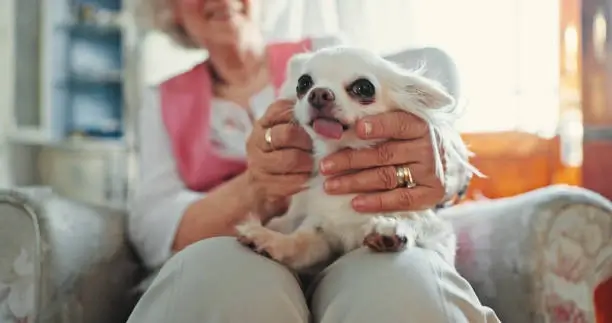
As dogs enter their senior years, their needs at home often change gradually. Senior dog care focuses on comfort, observation, and maintaining quality of life. While aging looks different for every dog, understanding common age-related changes helps owners provide supportive care in a safe and respectful way. For a full overview, see our senior dog care at home guide.
One of the most noticeable changes in senior dogs is a shift in energy levels. Older dogs may move more slowly, rest more often, or prefer shorter activity periods. These changes are often a normal part of aging. At home, owners can support comfort by allowing dogs to set their own pace and by avoiding pressure to maintain previous activity levels. Gentle movement and short, regular sessions help support mobility without strain. Learn more in our dog exercise at home resource.
The home environment plays an important role in senior dog care. Simple adjustments can make daily life easier. Providing soft, supportive resting areas, reducing the need to climb stairs, and keeping commonly used items within easy reach all help reduce physical stress. Floors that are slippery may become more challenging, so improving traction can support confidence and safety. For additional guidance, see our dog safety at home and dog-proofing your home resources.
Observation becomes especially important as dogs age. Subtle changes in appetite, sleep patterns, behavior, or movement may appear gradually. These changes should be noted over time rather than dismissed as “just old age.” While owners should not attempt to identify medical causes, awareness helps guide decisions about when professional advice may be needed. For tips on recognizing early signs, see dog stress signs at home.
Routine continues to matter for senior dogs. Predictable schedules help reduce confusion and anxiety. Sudden changes in routine can be more stressful for older dogs, so maintaining consistency supports emotional well-being. Calm interaction and reassurance also help senior dogs feel secure in their environment. Explore strategies in our daily dog care routine at home guide.
Comfort-focused care includes being attentive to sensory changes. Some senior dogs may experience changes in hearing or vision, which can affect how they respond to their surroundings. Speaking calmly, approaching gently, and keeping familiar layouts can help prevent startle responses and confusion. Nutrition also plays a role; age-appropriate diets support energy and overall health. See Dog Feeding at Home for guidance.
Grooming and hygiene may also require adjustments. Senior dogs may be less tolerant of long grooming sessions, so shorter, gentler routines are often more appropriate. Regular checks help maintain cleanliness and comfort without causing stress. Learn more in dog grooming at home basics and how often to groom your dog at home.
Safety is a priority at this stage. Owners should avoid making assumptions about what an older dog can or cannot handle. Any sudden or ongoing changes should be discussed with a licensed veterinarian. At-home care supports daily comfort but does not replace professional medical care.
For more guidance, explore our resources on supporting comfort and mobility in senior dogs and caring for aging dogs at home. With patience and attention, senior dogs can continue to enjoy a calm, supportive home environment.
Creating a Safe Home for Dogs
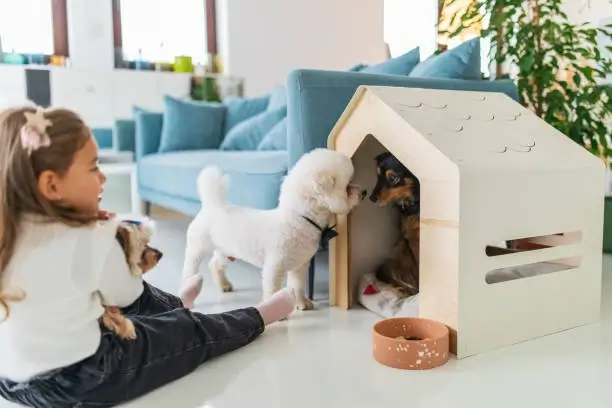
Creating a safe home environment is one of the most important responsibilities of dog ownership. Dogs spend much of their time indoors, and many common household items can pose risks if not managed carefully. A safe home supports physical well-being, reduces stress, and helps prevent avoidable accidents. For a full overview, see our dog safety at home guide.
The first step in home safety is understanding how dogs interact with their surroundings. Dogs explore with their mouths and noses, which can lead them toward unsafe objects. Small items, cords, sharp edges, and breakable objects should be kept out of reach. Trash bins should be secured, as food waste and packaging can be dangerous if ingested. For practical strategies, check our puppy-proofing and dog-proofing your home resource.
Household chemicals and medications are common safety concerns. Cleaning products, pesticides, and human medications should always be stored in closed cabinets. Even products labeled as “natural” may be unsafe for dogs. Owners should avoid leaving these items unattended, especially during cleaning or home projects. See our household hazards for dogs article for tips on secure storage.
Food storage is another key area of safety. Certain foods that are safe for people can be harmful to dogs. Storing food properly and keeping countertops clear reduces the risk of accidental ingestion. Owners should also be mindful of plants inside and outside the home, as some common plants can be unsafe for dogs. Learn more in our foods and plants unsafe for dogs guide.
Electrical safety is often overlooked. Loose cords, power strips, and charging cables can attract curious dogs, particularly puppies. Using cord covers and keeping cables off the floor helps reduce chewing risks. Appliances should be turned off and secured when not in use. For additional tips, see preventing household accidents for dogs.
Physical layout matters as well. Slippery floors can increase the risk of falls, especially for puppies and senior dogs. Providing rugs or non-slip surfaces can improve stability. Stairways may need gates, and balconies or windows should be secured to prevent falls. Creating clear pathways helps dogs move confidently through the home. For more guidance, explore home layout and dog safety tips.
Emergency preparedness is an important part of safety planning. Owners should know where to go and what to do in case of emergencies such as power outages or natural events. Keeping essential supplies accessible supports quick and calm responses. Learn more in our guide on preparing your home for dog emergencies.
Safety needs can change over time. Puppies may require more restrictions, while senior dogs may need additional support. Regularly reviewing the home environment helps ensure it continues to meet your dog’s needs. For step-by-step advice, see puppy-proofing and dog-proofing your home.
Creating a safe home does not require perfection. It involves awareness, thoughtful planning, and ongoing adjustment. By identifying risks early and maintaining a dog-friendly environment, owners can support long-term safety and peace of mind.
Seasonal and Environmental Care
Seasonal and environmental changes can significantly affect a dog’s comfort, behavior, and overall well-being at home. Dogs experience temperature, humidity, and air quality differently than humans, so owners need to adjust care throughout the year. Understanding how seasons and living conditions influence dogs helps reduce stress and supports daily safety. For an overview, see our dog care at home guide.
Warm weather requires special attention. Dogs can overheat more easily than people, especially in hot or humid conditions. At home, provide shade, ventilation, and constant access to fresh water. Rooms should not become overly warm, and dogs should never be left in poorly ventilated spaces. Watch for signs of heat stress, such as heavy panting, restlessness, or drooling, and respond by allowing dogs to cool down calmly. Learn more in our summer care for dogs resource.
Cold weather also presents challenges. While some dogs tolerate cooler temperatures well, others may feel discomfort quickly. Drafty areas, cold floors, and sudden temperature changes can affect comfort. Provide warm resting areas, insulated bedding, and limit exposure to cold indoor spaces. Dogs should always have a dry, cozy place to rest during colder months. See our winter dog care tips for guidance.
Indoor air quality is another important environmental factor. Dust, smoke, and strong household scents can affect dogs, especially those that spend most of their time indoors. Keeping living areas clean, well-ventilated, and free from strong chemical odors supports respiratory comfort. Avoid heavily scented products and ensure dogs are not exposed to irritants. For more, check our healthy home environment for dogs guide.
Seasonal routines may need adjustment. Shorter daylight hours, extreme temperatures, or storms can limit outdoor activity. During these times, adapting schedules and providing calm alternatives at home helps maintain balance. Predictability is especially important when normal routines are disrupted.
Living environment also plays a role. Apartment living, suburban homes, and rural settings each present unique challenges. Noise levels, space limitations, and exposure to outdoor elements can influence stress levels. Dogs benefit from gradual exposure to environmental changes rather than sudden adjustments. Learn more in our guide to adapting dog care for apartment living.
Natural events such as storms, power outages, or loud noises can affect dogs emotionally. Preparing a quiet, secure space helps dogs feel safer during these events. For planning tips, see our resource on helping dogs stay calm during extreme weather.
Seasonal and environmental care is not about strict rules but about awareness and flexibility. By adjusting the home environment and routines as conditions change, owners can support comfort, safety, and emotional stability throughout the year.
Dog Care When You’re Busy or Away
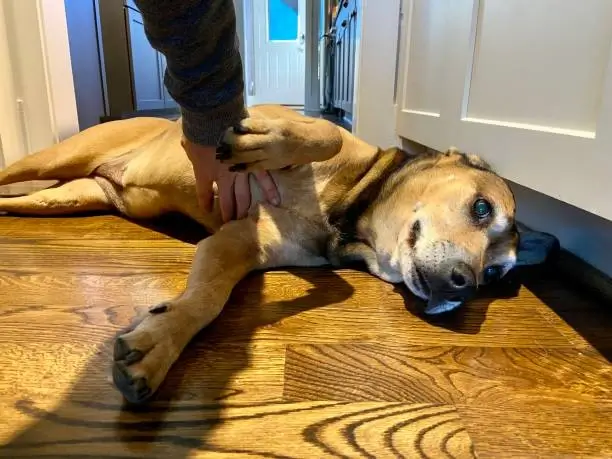
Many dog owners need to balance work, family, and daily responsibilities that take them away from home. Planning for these periods is an important part of responsible dog care. When done thoughtfully, time apart does not have to cause stress or disrupt your dog’s well-being. For an overview, see our daily dog care at home guide.
Routine is key. Dogs rely on predictable patterns to feel secure. Even when you are busy or away, keeping meal times, bathroom breaks, and rest periods consistent helps your dog understand what to expect. If your schedule changes, introducing adjustments gradually is usually easier for dogs than sudden shifts. Learn more about establishing a healthy daily routine for your dog.
A safe, comfortable environment is essential when dogs are left alone. Provide clean water, a cozy resting area, and a space free from hazards. Before leaving, check that doors, windows, cords, and small objects are secure. A calm environment supports both physical safety and emotional comfort. For more guidance, see our dog safety at home resource.
Teaching dogs to be alone is a skill. Some dogs adapt easily, while others need time and patience. Practicing short absences and gradually increasing their length helps build confidence. Calm departures and arrivals reduce anxiety. For step-by-step advice, explore helping dogs adjust to being home alone.
Mental comfort matters too. Dogs benefit from familiar routines and a predictable environment while owners are away. Sudden changes, unfamiliar situations, or overstimulation can increase stress. Simple, consistent strategies often work better than adding new activities.
Consider individual needs. Puppies, senior dogs, and dogs with special care requirements may not tolerate long periods alone. Owners should account for age, energy level, and comfort when planning time away. In some cases, arranging additional supervision or support may be necessary. Learn more in our caring for special needs dogs at home guide.
Observe behavior after absences. Changes in appetite, sleep, or behavior may indicate stress or discomfort. Adjusting routines or seeking professional guidance can help address concerns early.
Plan for unexpected delays. Clear instructions and emergency plans provide peace of mind and protect your dog if schedules change suddenly. For tips, see our planning dog care during unexpected situations.
With thoughtful planning, consistent routines, and realistic expectations, dogs can remain safe, calm, and emotionally secure even when owners are busy or away.
Responsible Dog Ownership at Home
Responsible dog ownership goes beyond meeting daily needs. It involves long-term commitment, thoughtful decision-making, and understanding the impact your choices have on your dog’s well-being. Dogs depend entirely on their caregivers for safety, stability, and care. For an overview of daily care, see our Complete Guide to Dog Care at Home.
Consistency matters. Dogs feel secure when expectations, routines, and rules remain steady over time. Inconsistent care can cause confusion and stress. Maintaining predictable patterns for meals, interaction, rest, and daily activities supports emotional balance and helps dogs adapt smoothly to household life. Learn more in our daily dog care routine at home guide.
Education is key. Owners should seek reliable, evidence-based information when questions arise. Not all advice online is accurate or safe. Understanding the limits of at-home care is essential. While owners can support comfort and monitor changes, medical decisions should always be handled by licensed professionals. Knowing when to seek help is part of responsible care, not a failure. Explore our guidelines for safe dog care at home.
Respect physical and emotional limits. Dogs communicate discomfort through body language and behavior. Ignoring these signals can lead to fear, stress, or injury. Patience, observation, and gentle guidance help owners respond appropriately, ensuring dogs are never forced into situations they cannot handle. For tips, see our mental stimulation and enrichment at home.
Consider community and social responsibilities. Responsible ownership extends beyond the home. Owners should manage interactions with other people, pets, and public spaces. This includes preventing unwanted behaviors, maintaining safe boundaries, and following local pet regulations. For more guidance, check our training and behavior foundations.
Plan for the long term. Dogs’ needs change as they age. Responsible owners anticipate adjustments in care, routines, and the living environment. Preparing for age-related changes, schedule shifts, or unexpected situations supports stability throughout a dog’s life. Learn more in our senior dog care at home resource.
Emotional commitment matters. Dogs form strong bonds with their owners and rely on reassurance and companionship. Providing calm interaction, attention, and a sense of belonging supports emotional health, trust, and confidence. Explore socialization and emotional well-being at home for practical strategies.
Reflect and adjust. Regularly assess whether your routines and home environment continue to meet your dog’s needs. Small, thoughtful adjustments over time can make a significant difference in comfort, safety, and overall well-being.
For guidance on long-term habits, explore our resource on creating a sustainable dog care routine at home. You can also review what responsible dog ownership really involves. Thoughtful, informed ownership ensures a safe, healthy, and happy home for both dogs and their families.
Frequently Asked Questions About Dog Care at Home
Many first-time dog owners share similar questions about caring for their dogs at home. These answers provide general guidance and are intended for education only. They do not replace professional advice. When in doubt, always consult a licensed veterinarian or qualified professional.
1. How much daily attention does a dog need at home?
Dogs need regular interaction, supervision, and care each day. This includes meals, bathroom breaks, rest, play, and calm interaction. Attention needs vary by age, personality, and lifestyle, but all dogs benefit from predictable daily engagement. Learn more in our daily dog care routine at home guide.
2. Is it okay to leave a dog alone during the day?
Many dogs can tolerate short periods alone if they are gradually prepared and have a safe environment. Puppies, senior dogs, or dogs with special needs may require more frequent care. Observing your dog’s reaction and adjusting routines accordingly is key. See our guide on helping dogs stay comfortable when home alone for practical tips.
3. How do I know if something is wrong with my dog?
Focus on noticing changes in appetite, energy, behavior, or bathroom habits rather than trying to diagnose. Any persistent differences may require professional guidance. Keeping simple health notes at home helps identify trends. Explore home health monitoring and wellness for more guidance.
4. Do dogs need strict routines at home?
Dogs generally feel more secure with consistent routines. Regular schedules for meals, rest, play, and interaction help reduce stress. However, routines should be flexible enough to accommodate normal life changes. Gradual adjustments are easier for dogs than sudden shifts. For tips, see our building healthy routines for dogs.
5. Can I handle most dog care without professional help?
At-home care supports daily comfort and well-being, but it does not replace veterinary or professional services. Medical treatment, behavior challenges, and emergency care should always be handled by qualified experts. Responsible ownership includes knowing when to seek help.
6. What should I avoid doing as a new dog owner?
Common mistakes include:
- Changing routines too quickly
- Ignoring signs of stress or discomfort
- Using punishment-based methods
- Relying on unverified advice
Safer approaches include patience, observation, and education. For positive training guidance, see training and behavior foundations at home.
7. How can I keep learning about dog care?
Reliable information comes from trusted sources and ongoing education. Explore topics like building confidence as a first-time dog owner or guides on nutrition, mental enrichment, and senior care to deepen your understanding over time.
Every dog is different. Thoughtful care, careful observation, and professional guidance when needed create a safe, supportive home environment that fosters long-term well-being.
How to Use This Guide and Related Articles
This guide is designed as a clear, reliable reference for dog owners who want to provide thoughtful care at home. It focuses on education, awareness, and long-term responsibility, rather than quick fixes or one-size-fits-all answers.
1. Navigate by your experience level
- New dog owners: Start with early sections to build a strong foundation. These cover core care concepts for all dogs.
- Experienced owners: Jump to sections that match your current needs, such as senior dog care, puppy care, or behavior management.
2. Use related articles for deeper learning
Each section links to more detailed articles for practical guidance:
These links provide context and actionable steps without replacing professional advice.
3. Learn at your own pace
You don’t need to read this guide all at once. Revisit sections as your dog grows or circumstances change. This ensures your care remains safe, effective, and age-appropriate.
4. Focus on safe, evidence-based practices
- Observe your dog carefully.
- Avoid risky shortcuts or unverified advice.
- Seek a veterinarian or qualified professional for medical or emergency concerns.
5. Make this guide a long-term resource
Use it as a living reference. Combine it with professional guidance to make informed decisions, support your dog’s well-being, and maintain a safe, structured home environment.
