

Bathing is one of the most misunderstood parts of dog grooming. Many owners follow fixed schedules without considering how weather, humidity, and seasonal activity levels affect the skin and coat. As a result, dogs may experience dryness, irritation, excess shedding, or persistent odor even though they are bathed “regularly.” This is where Seasonal Bathing Tips become essential rather than optional.
This guide is designed to help dog owners adjust bathing routines throughout the year in a way that protects natural oils, supports healthy skin, and keeps the coat clean without overdoing it. Instead of rigid rules, you’ll learn how each season changes your dog’s bathing needs, which habits cause the most problems, and how to bathe smarter—not more often. These are practical, easy to follow, and suitable for beginner to intermediate dog owners who want healthier results with less stress.
Adjusting your seasonal bathing tips based on weather conditions helps maintain your dog’s skin and coat health throughout the year. During warmer months, more frequent baths can remove sweat and dirt, while in colder seasons, reducing bath frequency prevents dryness and irritation. For more practical advice on grooming routines that adapt to seasonal needs, check out our guide on essential seasonal grooming tips for every dog, which explains how to tailor bath schedules and products to the time of year.
Understanding Why Seasonal Bathing Tips Matter for Dogs
Seasonal changes directly affect how a dog’s skin functions and how the coat protects the body. Temperature, humidity, daylight hours, and outdoor exposure all influence oil production, shedding cycles, and sensitivity levels. Applying the same bathing routine year-round often strips protective oils during cold months or fails to remove buildup during warmer ones. Effective Seasonal Bathing Tips begin with understanding these natural shifts rather than fighting against them.
How weather affects skin and coat
Temperature and oil balance
A dog’s skin produces natural oils that act as a protective barrier. In colder seasons, the body often produces slightly more oil to protect against dryness, while in warmer months, oil production may increase due to heat and activity. Bathing too frequently during either extreme can disrupt this balance.
When hot weather increases oil and sweat, infrequent bathing can lead to odor and bacterial buildup. However, excessive bathing removes oils faster than the body can replace them, triggering dryness and flaking. Smart Seasonal Bathing Tips aim to support oil balance rather than eliminate it.
Key points to remember:
- Oils protect against irritation and moisture loss
- Overbathing weakens the skin barrier
- Temperature shifts change oil needs
Humidity and moisture retention
Humidity plays a major role in how skin retains moisture. In humid seasons, moisture is trapped more easily, which can contribute to fungal growth if coats stay damp too long. In dry seasons, moisture evaporates quickly, leading to itchy, tight skin.
Bathing routines should adjust to these conditions:
- Humid seasons require thorough drying
- Dry seasons require gentle products and fewer baths
- Moisture retention becomes a priority in winter
Understanding humidity is a core principle of effective Seasonal Bathing Tips.
Natural coat cycles throughout the year
Shedding phases and bathing timing
Dogs naturally shed more during seasonal transitions, particularly in spring and fall. Bathing during these times can either help or harm, depending on timing. Baths paired with brushing can release loose hair efficiently, but poorly timed baths may stress the coat and increase shedding.
Helpful practices include:
- Brushing before bathing during heavy shedding
- Avoiding frequent baths during peak coat transitions
- Using bathing as support, not a solution
Season-aware bathing supports natural shedding instead of working against it, which is a major goal of Seasonal Bathing Tips.
Protective oils and seasonal changes
The coat’s protective oils change in thickness and distribution throughout the year. Winter coats rely heavily on these oils for insulation, while summer coats use them to protect against heat and environmental exposure.
Removing these oils too often:
- Reduces natural insulation
- Increases sensitivity to temperature
- Makes the coat dull and brittle
Seasonal awareness helps preserve these protective functions.
Common mistakes dog owners make
Overbathing during hot months
Many owners assume dogs need frequent baths in summer due to heat and odor. While hygiene is important, overbathing often worsens odor by triggering excess oil production as the skin tries to compensate.
Common consequences include:
- Greasy coats returning quickly
- Increased itching
- Stronger odors between baths
Balanced Seasonal Bathing Tips focus on targeted cleaning rather than frequent full baths.
Skipping baths in cold seasons
The opposite mistake happens in winter. Owners often avoid bathing entirely, leading to oil, dirt, and dead skin buildup. While frequency should be reduced, skipping baths altogether can clog pores and worsen dryness.
A better approach:
- Fewer but intentional baths
- Extra focus on moisturizing products
- Proper drying techniques
How Often Should You Bathe Your Dog in Each Season
Bathing frequency is not universal. It depends on coat type, activity level, environment, and seasonal conditions. The most effective Seasonal Bathing Tips avoid strict schedules and instead use flexible guidelines that adapt to real-life changes.
Spring bathing frequency guidelines
Mud, pollen, and allergen exposure
Spring introduces rain, mud, and airborne allergens. Dogs often track debris into the home, and pollen can cling to the coat, triggering itching and sneezing.
Bathing considerations for spring:
- Moderate increase in bathing frequency
- Rinse baths after muddy walks
- Full baths when allergens accumulate
Rather than frequent shampooing, many professionals recommend alternating between water-only rinses and full baths to reduce irritation while maintaining cleanliness.
Managing post-winter buildup
Winter coats may hold months of oil and dead skin. A well-timed spring bath helps reset the coat for shedding season.
Spring bathing tips:
- Brush thoroughly before bathing
- Use gentle, clarifying shampoos
- Avoid multiple baths in short intervals
Spring is a transition period where Seasonal Bathing Tips should prioritize preparation rather than perfection.
Summer bathing schedules
Heat, sweat, and odor control
Dogs do not sweat like humans, but heat increases oil production and bacterial growth. Summer bathing focuses on comfort and hygiene without stripping protection.
Recommended practices:
- Bathe as needed based on odor and activity
- Focus on paws, belly, and undercoat
- Use lukewarm water, not cold
Frequent swimming may also require additional rinsing to remove chlorine or salt.
Avoiding sun-damaged skin
Sun exposure can dry the skin, especially in short-coated or light-colored dogs. Overbathing worsens this damage.
To protect skin:
- Avoid harsh shampoos
- Reduce bath duration
- Rinse after beach or pool exposure
Seasonally adjusted routines are essential Seasonal Bathing Tips during summer.
Fall and winter bathing considerations
Reduced activity and dirt exposure
As activity levels drop, dogs accumulate less dirt. Bathing frequency should decrease accordingly.
Fall and winter bathing guidelines:
- Extend time between full baths
- Spot-clean dirty areas
- Monitor skin condition closely
This approach prevents unnecessary oil loss.
Preventing dry, flaky skin
Cold air and indoor heating strip moisture quickly. Baths during these seasons should support hydration rather than cleanliness alone.
Helpful strategies:
- Shorter baths
- Moisturizing shampoos
- Immediate drying after bathing
Choosing the Right Bathing Products by Season
Using the same shampoo year-round is a common mistake. Product choice is a critical part of Seasonal Bathing Tips because skin needs change with the environment.
Seasonal shampoo formulations
Moisturizing vs clarifying shampoos
Clarifying shampoos help remove heavy buildup during active seasons, while moisturizing formulas protect against dryness during cold months.
General guidance:
- Spring/Summer: mild clarifying formulas
- Fall/Winter: moisturizing, gentle formulas
- Avoid strong fragrances year-round
Rotating products seasonally supports healthier skin balance.
Hypoallergenic options for transitions
Seasonal transitions often increase sensitivity. Hypoallergenic shampoos reduce risk during these periods.
Best practices:
- Use during spring and fall transitions
- Avoid frequent product switching
- Patch-test new products
These choices align with long-term Seasonal Bathing Tips.
Conditioners and coat support
When conditioners are necessary
Conditioners are often overlooked but can be valuable in dry seasons.
They help by:
- Locking in moisture
- Reducing static
- Improving coat texture
Conditioners are especially useful in winter but should be rinsed thoroughly.
Avoiding product buildup
Overuse of conditioners leads to dull coats and residue.
Tips to prevent buildup:
- Use sparingly
- Rinse longer than shampoo
- Skip conditioner during humid seasons
Water temperature and bathing tools
Seasonal water temperature adjustments
Water temperature affects comfort and skin response.
Guidelines:
- Lukewarm water year-round
- Slightly warmer in winter
- Never hot or icy cold
Temperature awareness is a subtle but important part of Seasonal Bathing Tips.
Brushes and drying tools
Tools matter just as much as products.
Seasonal considerations:
- Deshedding tools in spring
- Soft brushes in winter
- Absorbent towels year-round
For a broader overview of how bathing fits into year-round grooming routines, see this pillar guide:
Essential Seasonal Grooming Tips for Every Dog
Spring Bathing Tips for Shedding and Allergens
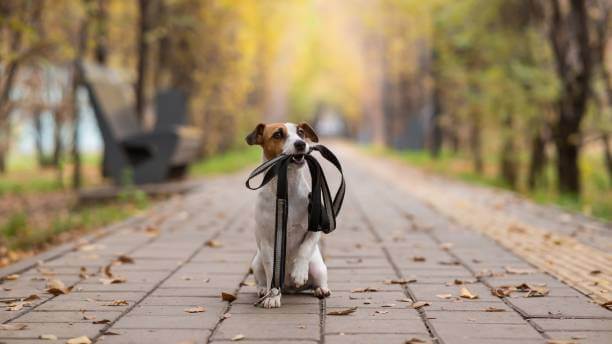
Spring is one of the most challenging seasons for dog bathing. Rising temperatures, increased outdoor activity, pollen, and heavy shedding all collide at once. Without proper adjustments, dogs may experience itchy skin, excessive hair loss, or recurring irritation. Well-planned Seasonal Bathing Tips during spring help reset the coat after winter while minimizing allergen buildup and discomfort.
Managing heavy shedding with bathing
Timing baths with brushing
Spring shedding is driven by natural coat transition, not dirt alone. Bathing without brushing first often clogs drains and leaves loose hair trapped against the skin.
Effective spring routines include:
- Thorough brushing before bathing
- Using baths to release already-loosened hair
- Brushing again after drying
This sequence supports Seasonal Bathing Tips by working with the shedding cycle instead of disrupting it.
Avoiding coat shock
Bathing too frequently during peak shedding can stress the coat and slow healthy regrowth. Many professionals recommend spacing out full baths while increasing brushing frequency.
Helpful guidelines:
- Limit full baths to when buildup is noticeable
- Use lukewarm water to avoid skin shock
- Keep bath sessions short
Gentle handling preserves follicle strength during this transitional period.
Reducing pollen and environmental allergens
Rinse baths vs full baths
Not every spring cleanup needs shampoo. Pollen often sits on the surface of the coat and can be removed with water alone.
Rinse baths are useful when:
- Dogs return from grassy or wooded areas
- Allergies cause mild itching
- Skin is otherwise healthy
Using rinse baths strategically is a smart application of Seasonal Bathing Tips.
Post-walk cleaning habits
Spring allergens accumulate daily. Small habits between baths make a big difference.
Simple practices:
- Wipe paws and belly after walks
- Use damp cloths for facial areas
- Keep bedding clean
These steps reduce the need for frequent full baths while keeping allergens under control.
Summer Seasonal Bathing Tips for Heat and Odor Control
Summer bathing focuses on comfort, odor management, and skin protection. Heat, swimming, and increased activity raise hygiene demands, but overbathing remains a common mistake. Balanced Seasonal Bathing Tips help dogs stay fresh without stripping essential oils.
Cooling baths and skin safety
Safe water temperatures
Cold water may feel refreshing, but it can constrict blood vessels and irritate the skin. Lukewarm water is ideal for summer baths.
Best practices:
- Avoid ice-cold water
- Keep baths calm and gradual
- Monitor signs of stress or overheating
Cooling comes from evaporation after bathing, not water temperature alone.
Avoiding heat stress
Bathing during the hottest part of the day can increase fatigue and discomfort.
Safer timing includes:
- Early morning
- Late evening
- After activity, once breathing normalizes
These timing adjustments are often overlooked but are essential Seasonal Bathing Tips for summer.
Controlling odor without overbathing
Spot cleaning techniques
Summer odors often originate from specific areas rather than the entire coat.
Focus spot cleaning on:
- Paws
- Ears (external only)
- Belly and groin
Spot cleaning reduces odor while preserving skin balance.
Natural oil preservation
Frequent shampooing causes rebound oil production, making coats smell worse over time.
To preserve oils:
- Extend time between full baths
- Use mild shampoos only when needed
- Rinse thoroughly
This approach aligns with long-term Seasonal Bathing Tips rather than quick fixes.
For general guidance on summer grooming safety and hygiene, many dog owners reference advice from the American Kennel Club (AKC), which emphasizes moderation and coat protection during hot weather.
Fall Bathing Tips to Prepare for Cooler Weather
Fall is a preparation season. Bathing routines should focus on removing summer residue while supporting coat thickening for winter. Strategic Seasonal Bathing Tips in fall help prevent dryness and matting later.
Removing summer residue
Chlorine, salt, and dirt buildup
Summer activities leave behind residues that can weaken the coat if ignored.
Fall baths help remove:
- Pool chemicals
- Salt from beaches or sidewalks
- Embedded dirt
A well-timed deep-clean bath clears the slate for seasonal coat changes.
Deep-clean timing
Fall baths should not be rushed or repeated frequently.
Recommended approach:
- One or two thorough baths early in fall
- Follow with extended intervals
- Focus on brushing between baths
This timing supports healthy coat transition.
Supporting coat thickening
Conditioner use in fall
Fall is an ideal time to introduce or reintroduce conditioners.
Benefits include:
- Improved moisture retention
- Reduced breakage
- Smoother undercoat growth
Conditioners support the coat as it prepares for colder temperatures.
Drying techniques
Improper drying can undo the benefits of fall bathing.
Best practices:
- Towel-dry thoroughly
- Avoid prolonged dampness
- Use low-heat drying if needed
Drying is a critical but often underestimated part of Seasonal Bathing Tips.
Takeaway
Spring, summer, and fall each demand different bathing priorities. Effective Seasonal Bathing Tips focus on timing, moderation, and environmental awareness rather than strict schedules. When bathing routines align with seasonal needs, dogs stay cleaner, more comfortable, and better prepared for the changes ahead.
Winter Seasonal Bathing Tips for Dry Skin Prevention
Winter is the season when bathing mistakes cause the most long-term skin and coat problems. Cold outdoor air combined with indoor heating significantly reduces moisture in the environment, making dogs more prone to dry skin, flaking, itching, and dull coats. Effective Seasonal Bathing Tips for winter focus on protection, moisture retention, and minimizing unnecessary disruption to the skin barrier.
Reducing bath frequency safely
When to skip full baths
During winter, most dogs simply do not get as dirty as they do in warmer months. Reduced outdoor activity and drier ground mean less grime on the coat. Bathing too often during this season strips away oils that are already harder for the skin to replace.
Situations where skipping a full bath is appropriate:
- The coat has no strong odor
- Dirt is limited to paws or lower legs
- Skin already feels dry or tight
Skipping unnecessary baths is not neglect—it is a core principle of smart Seasonal Bathing Tips.
Using dry or waterless options
Dry shampoos and waterless cleaning products can be useful tools in winter when used correctly. They help freshen the coat without soaking the skin or removing essential oils.
Best practices for dry options:
- Use sparingly, not as daily replacements
- Brush thoroughly after application
- Avoid products with heavy fragrance
These alternatives support hygiene while protecting moisture balance.
Moisture-focused bathing routines
Short baths and gentle products
When winter baths are necessary, they should be shorter and more intentional than in other seasons. Long exposure to water increases moisture loss after bathing.
Winter bathing guidelines:
- Keep baths brief
- Use moisturizing, low-lather shampoos
- Avoid multiple product layers
This approach aligns with protective Seasonal Bathing Tips designed to support skin health.
Proper drying to prevent chills
Drying is especially important in winter. Damp coats lower body temperature and increase discomfort, which can lead to stress-related shedding.
Effective drying steps:
- Towel-dry immediately after bathing
- Use warm, draft-free rooms
- Ensure the undercoat is fully dry
Proper drying preserves warmth and prevents skin irritation.
Year-Round Seasonal Bathing Tips, FAQs, and Daily Checklist

While seasonal adjustments are important, some Seasonal Bathing Tips apply throughout the year. These universal practices create consistency and prevent small issues from turning into chronic problems. This section brings everything together with clear guidance, common questions, and an easy daily checklist.
Universal bathing best practices
Pre-bath brushing routines
Brushing before bathing is one of the most effective ways to improve results in every season. It removes loose hair, spreads natural oils, and prevents mats from tightening when wet.
Benefits of pre-bath brushing:
- Reduces shedding during baths
- Improves shampoo distribution
- Shortens drying time
This simple step enhances all Seasonal Bathing Tips regardless of climate.
Post-bath coat care
What happens after the bath matters just as much as the bath itself. Improper post-bath care often causes dryness, tangling, or lingering odor.
Post-bath essentials:
- Gentle towel drying
- Light brushing once dry
- Avoid immediate outdoor exposure
Consistent post-bath care supports coat health year-round.
FAQs About Seasonal Bathing Tips
Can I bathe my dog more often in summer?
You can bathe more often in summer if activity levels and dirt exposure increase, but frequency should still be guided by skin condition rather than the calendar. Overbathing can cause rebound oil production and worsen odor. Balanced Seasonal Bathing Tips prioritize targeted cleaning and proper timing.
Is winter bathing harmful for dogs?
Winter bathing is not harmful when done correctly. Problems arise when baths are too frequent, too long, or followed by poor drying. Using moisturizing products and reducing frequency allows winter bathing to remain safe and effective.
Do indoor dogs still need seasonal bathing adjustments?
Yes. Indoor environments often have artificial heating, air conditioning, and low humidity, which affect skin and coat health year-round. Even indoor dogs benefit from Seasonal Bathing Tips that account for these changes.
Should bathing frequency change during shedding seasons?
Yes. During heavy shedding, bathing should support brushing rather than replace it. Fewer full baths paired with more frequent brushing usually produce better results.
Does bathing affect natural coat protection?
Bathing removes some oils, but when done appropriately, the skin replenishes them naturally. Problems occur when bathing frequency ignores seasonal needs, which is why Seasonal Bathing Tips are so important.
For additional general guidance on maintaining healthy skin and coats, many professionals reference educational resources from the ASPCA, which emphasize moderation, proper drying, and skin awareness.
Daily & Weekly Bathing Support Checklist
This checklist helps maintain cleanliness and coat health without overbathing. Small, consistent actions reduce the need for frequent full baths and make seasonal adjustments easier.
Daily
- Check coat and skin with hands
- Remove visible debris
- Wipe paws and belly if needed
- Observe for dryness or irritation
Weekly
- Brush thoroughly based on coat type
- Clean bedding and resting areas
- Inspect ears and skin folds
- Evaluate whether a bath is truly needed
Monthly
- Review bathing frequency
- Adjust products if skin condition changes
- Check indoor humidity levels
- Reassess seasonal routines
Following this checklist reinforces long-term Seasonal Bathing Tips and prevents reactive grooming decisions.
Conclusion
Bathing a dog correctly is less about routine and more about awareness. When owners understand how temperature, humidity, activity level, and coat changes affect the skin, bathing becomes a supportive habit rather than a source of irritation. Well-applied Seasonal Bathing Tips help maintain natural oils, reduce unnecessary dryness, control odor, and support the coat’s protective role throughout the year.
By adjusting frequency, products, and techniques based on seasonal conditions, dog owners can prevent many common skin and coat issues before they start. Small decisions—such as brushing before bathing, choosing the right shampoo, or skipping unnecessary winter baths—create long-term benefits that are easy to maintain. With consistent observation and thoughtful adjustments, bathing becomes a simple, stress-free part of responsible dog care that supports comfort, cleanliness, and overall well-being in every season.
