

A dog’s coat plays a critical role far beyond appearance. It acts as a natural shield against sun exposure, cold winds, rain, snow, and dry indoor air. When this protective barrier is weakened, dogs are more likely to experience dryness, breakage, irritation, and seasonal coat damage. Many coat problems are mistakenly blamed on poor grooming habits, when the real issue is a lack of proper protection.
This guide focuses on that help defend your dog’s coat in harsh and changing weather conditions. Instead of overbathing or trimming too often, you’ll learn how the right protective products support natural oils, lock in moisture, and reduce environmental stress. These strategies are designed for beginner to intermediate dog owners who want practical, stress-free solutions to maintain a healthy, resilient coat all year round.
Why Dogs Need Coat Protection Products in Harsh Weather
Harsh weather conditions gradually weaken a dog’s coat, even when grooming routines remain consistent. Heat, cold, wind, and low humidity all disrupt the coat’s natural balance. Understanding why Coat Protection Products are necessary allows dog owners to prevent damage before it becomes visible or uncomfortable.
How weather damages the coat
Sun exposure and UV stress
Prolonged sun exposure can dry out the coat and fade natural color. UV rays break down proteins in the hair shaft, making the coat brittle and more prone to breakage. Dogs with short coats, light-colored fur, or thinning hair are especially vulnerable.
Over time, sun damage can:
- Reduce coat elasticity
- Increase split ends
- Expose sensitive skin underneath
Using Coat Protection Products with lightweight protective properties helps minimize UV-related stress without weighing the coat down.
Cold air and moisture evaporation
Cold weather removes moisture from both the air and the skin. As humidity drops, moisture evaporates faster from the coat, leading to dryness and static. Indoor heating further accelerates this process.
Common cold-weather coat issues include:
- Flaky skin
- Dull appearance
- Increased breakage
Protective products help slow moisture loss and preserve the coat’s flexibility during colder months.
The coat as a protective barrier
Natural oils and insulation role
A healthy coat relies on natural oils produced by the skin. These oils provide insulation, repel moisture, and protect against irritants. When oils are stripped too often through bathing or environmental exposure, the coat loses its defensive abilities.
Key functions of natural oils:
- Lock in moisture
- Reduce friction and breakage
- Support temperature regulation
Effective Coat Protection Products are designed to reinforce this natural barrier rather than remove it.
Signs the barrier is compromised
Early signs of coat barrier damage are often subtle. Recognizing them early helps prevent more serious issues.
Watch for:
- Increased shedding outside normal seasons
- Rough or brittle texture
- Static buildup or matting
When these signs appear, adding protective products is often more effective than increasing grooming frequency.
Common misconceptions about coat protection
Overbathing instead of protecting
Many dog owners respond to coat issues by bathing more frequently. While cleanliness matters, excessive bathing removes essential oils and worsens dryness.
Common outcomes of overbathing:
- Temporary softness followed by dryness
- Increased oil production as the skin compensates
- Reduced effectiveness of grooming routines
Balanced care focuses on protection, not constant cleansing.
Assuming indoor dogs are unaffected
Indoor dogs are often exposed to artificial heating and air conditioning, which significantly lower humidity levels. These conditions stress the coat just as much as outdoor weather extremes.
Even indoor dogs benefit from Coat Protection Products, especially during seasonal transitions.
Types of Coat Protection Products and How They Work
Not all grooming products are designed to protect. True Coat Protection Products focus on strengthening the coat barrier, preserving moisture, and reducing environmental damage rather than simply cleaning the coat.
Leave-in sprays and coat mists
Moisture sealing without heaviness
Leave-in sprays are lightweight products designed for regular use. They coat the hair shaft lightly, sealing in moisture without creating buildup.
Benefits include:
- Improved softness
- Reduced dryness
- Easier brushing
These sprays are ideal for dogs exposed to dry air or mild weather stress.
Static control and daily defense
Static electricity is a common sign of moisture imbalance. Coat mists help neutralize static and reduce friction between hair strands.
Daily use supports:
- Smoother coat texture
- Less tangling
- Reduced breakage
This makes leave-in sprays one of the most versatile Coat Protection Products.
Balms, waxes, and creams
Targeted protection for exposed areas
Balms and waxes are thicker products designed for specific areas rather than full-coat application. They are commonly used on areas most exposed to harsh conditions.
Typical application areas:
- Chest and underbelly
- Leg edges and feathering
- Coat ends prone to breakage
These products create a temporary barrier against wind, snow, and debris.
Wind, snow, and salt resistance
In cold climates, snow, ice, and road salt can cling to the coat and irritate the skin. Protective waxes help prevent buildup and make post-walk cleanup easier.
This targeted protection is especially useful during winter outings.
Protective shampoos and conditioners
Barrier-support ingredients
Some shampoos and conditioners are formulated to support the coat barrier rather than strip it. These products focus on gentle cleansing combined with hydration.
Look for features such as:
- Low-lather formulas
- Moisture-supporting ingredients
- Minimal fragrance
Used correctly, these products complement other Coat Protection Products.
When seasonal rotation matters
A shampoo suitable for summer may be too drying for winter. Rotating products seasonally helps match the coat’s changing needs.
Seasonal rotation prevents:
- Product overload
- Dryness during cold months
- Excess residue during humid seasons
Choosing the Right Coat Protection Products by Season
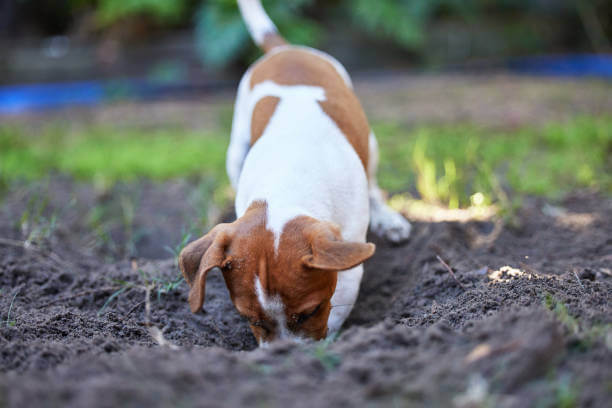
Seasonal conditions determine which Coat Protection Products provide the most benefit. Using the wrong product at the wrong time can reduce effectiveness or cause unnecessary buildup.
Warm-weather protection
UV exposure and heat stress
During warmer months, dogs are exposed to increased sunlight and higher temperatures. Protection should focus on shielding the coat without trapping heat.
Warm-weather product priorities:
- Lightweight texture
- Non-greasy finish
- Breathable formulations
These products help reduce sun-related coat damage while keeping dogs comfortable.
Lightweight, breathable formulas
Heavy creams or waxes can trap heat and dirt in summer. Instead, sprays and mists provide subtle protection without affecting airflow.
This approach keeps the coat functional while supporting daily activities.
Cold-weather coat defense
Dry air and insulation support
Cold air reduces moisture levels, making the coat more brittle. Protective products in winter should focus on moisture retention and insulation support.
Effective winter protection includes:
- Thicker balms for exposed areas
- Moisturizing leave-ins
- Reduced product removal
These strategies help the coat retain its insulating properties.
Heavier moisture barriers
Winter is the season where heavier Coat Protection Products become useful. Used sparingly, they shield vulnerable areas from wind and snow without overwhelming the coat.
Transitional seasons and sensitivity
Spring and fall coat adjustments
Spring and fall are periods of coat transition. During these times, the skin may be more sensitive, and shedding increases.
Protective strategies include:
- Gentle, lightweight products
- Reduced layering
- Close monitoring of coat response
Avoiding product overload
Using too many products at once can weigh down the coat and block airflow. Transitional seasons benefit from simplicity.
A minimal approach ensures that Coat Protection Products support the coat without interfering with natural changes.
For a broader understanding of how coat protection fits into a complete seasonal grooming routine, see this pillar guide:
Essential Seasonal Grooming Tips for Every Dog
Summary
Harsh weather affects every dog, regardless of coat type or lifestyle. By understanding how environmental conditions damage the coat, recognizing the role of natural oils, and selecting the right Coat Protection Products by season, dog owners can prevent many common grooming issues before they start. Protection-focused care creates a stronger, more resilient coat that performs its natural role effectively in any climate.
Coat Protection Products for Different Coat Types
Not all dog coats respond the same way to harsh weather. Choosing the right Coat Protection Products depends heavily on coat structure, density, and natural insulation. Using products that do not match your dog’s coat type can lead to buildup, trapped moisture, or reduced protection.
Short coats and thin fur breeds
Dogs with short or thin coats lack natural insulation and oil retention. Their skin and fur are more exposed to cold air, wind, and dry seasonal conditions.
Common challenges
- Rapid moisture loss
- Dry, flaky skin
- Increased sensitivity to cold and wind
Recommended product types
- Lightweight leave-in sprays
- Moisture-balancing coat mists
- Non-greasy protective formulas
These Coat Protection Products create a breathable barrier that reduces moisture loss without weighing the coat down.
Double coats and dense fur
Double-coated breeds have built-in insulation, but harsh weather can still disrupt coat balance. Dry air increases static, while moisture can become trapped close to the skin.
Potential risks
- Matted undercoat
- Excess moisture retention
- Reduced temperature regulation
Best protective solutions
- Anti-static conditioning sprays
- Light leave-in conditioners
- Products designed to maintain coat airflow
The goal of Coat Protection Products for double coats is to preserve natural insulation while preventing dryness and tangling.
Long coats and curly coats
Long and curly coats are especially vulnerable to friction, wind exposure, and dehydration. Without protection, strands can break, knot, or lose elasticity.
Typical issues
- Split ends
- Frequent tangling
- Reduced shine and softness
Helpful product options
- Lightweight coat serums
- Protective balms for coat ends
- Slip-enhancing conditioners
Proper Coat Protection Products reduce friction during movement and brushing, helping long coats maintain structure and strength.
How to Apply Coat Protection Products Correctly

Even high-quality products can fail if applied incorrectly. Many coat problems stem from poor timing, overuse, or uneven application.
Timing matters more than quantity
Applying Coat Protection Products at the right moment improves absorption and effectiveness.
Ideal application moments
- After bathing when the coat is 70–80% dry
- Before outdoor exposure to wind, cold, or strong sun
- After evening brushing in very dry environments
Slightly damp fur helps seal moisture more effectively than fully dry coats.
Targeted application vs full-coat coverage
Not every situation requires full-body application.
Targeted application works best when
- Temperatures are extremely cold
- The chest, legs, or belly face heavy exposure
- Only coat ends feel dry or brittle
Full-coat application is better when
- Indoor air is very dry
- Static affects the entire coat
- After routine baths during harsh seasons
Using Coat Protection Products strategically prevents buildup while maximizing protection.
Common application mistakes to avoid
Overapplication is one of the most common grooming errors.
Mistakes that reduce effectiveness
- Using too much product
- Layering multiple products at once
- Skipping post-application brushing
After applying Coat Protection Products, gently brush with a wide-tooth comb or soft brush to distribute evenly.
Ingredient Awareness in Coat Protection Products
Understanding ingredients is essential for long-term coat health. Not all formulations are suitable for repeated use during extreme weather conditions.
Ingredients that support coat resilience
Effective Coat Protection Products often include components that strengthen and hydrate fur fibers.
Beneficial ingredient traits
- Lightweight moisture-binding agents
- Elasticity-supporting compounds
- Gentle plant-based extracts
These ingredients help coats retain hydration while remaining flexible and breathable.
Ingredients to avoid during harsh seasons
Some ingredients create instant shine but compromise coat health over time.
Limit or avoid
- Heavy artificial fragrances
- Thick coating agents that trap residue
- Ingredients known to cause buildup
In cold or dry weather, such ingredients may worsen dehydration or irritation.
Why pet-safe formulations matter
Dogs have thinner skin and a more sensitive barrier than humans. Using non-pet-specific products can disrupt natural defenses.
Many professionals recommend choosing grooming products developed specifically for dogs to reduce irritation risks and maintain coat balance. According to guidance from the American Kennel Club, proper grooming formulations play a key role in coat and skin protection:
Key Takeaways
- Different coat types require different Coat Protection Products
- Correct timing improves product performance
- Strategic application prevents buildup
- Ingredient awareness supports long-term coat health
- Pet-safe formulations are essential for harsh weather care
Long-Term Benefits of Using Coat Protection Products
Using Coat Protection Products consistently offers far more than temporary shine or softness. These products strengthen the coat barrier, improve hair resilience, and support overall skin health. Many dog owners notice that a protected coat is easier to maintain, healthier during seasonal transitions, and less prone to breakage.
Regular application of protective products provides cumulative benefits that increase over time. Dogs with properly maintained coats experience fewer grooming challenges, lower risk of irritation, and better tolerance to weather extremes.
Improved Coat Resilience
A strong coat is less likely to suffer from damage caused by friction, weather, or environmental stress. Protective formulations reinforce hair fibers and minimize breakage.
Less breakage and tangling
- Daily use of leave-in sprays or lightweight serums reduces friction between hairs.
- Areas prone to tangling, such as under the legs and tail, remain smoother.
- Less breakage means fewer split ends and longer-lasting fur integrity.
Natural shine retention
- Protective products help lock in moisture.
- Hair cuticles remain smooth, reflecting light naturally.
- Maintains coat appearance without relying on heavy silicones or waxes.
Better Skin Comfort
A coat is only as healthy as the skin beneath. Many Coat Protection Products include gentle ingredients that soothe skin and prevent dryness.
Reduced dryness
- Moisturizing sprays help prevent moisture loss, especially in dry climates.
- Dry or flaky skin is less common when the coat barrier is reinforced.
- Dogs are less likely to scratch, reducing hair damage.
Fewer seasonal flare-ups
- Seasonal coat changes can irritate sensitive dogs.
- Protective products minimize stress on skin and fur during shedding periods.
- Supports a smooth transition between seasonal coats.
Quick tip: Apply protective sprays on slightly damp fur for maximum absorption.
Year-Round Coat Protection Products, FAQs, and Daily Checklist
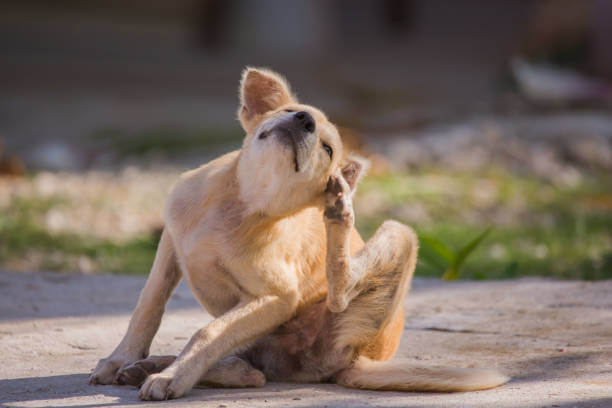
Choosing the right products and routines ensures your dog’s coat stays healthy all year. Coat Protection Products are effective when used consistently and strategically, not as a one-time solution.
Universal Coat Protection Habits
Daily light protection
- Spray a small amount of leave-in conditioner or mist on exposed areas each morning.
- Focus on the chest, underbelly, and legs during cold or windy days.
- Helps maintain moisture balance and coat flexibility.
Post-exposure coat care
- After walks in snow, rain, or mud, lightly wipe or rinse the coat.
- Reapply a protective product to shield hair from environmental stress.
- Reduces tangling and prevents debris from causing damage.
Frequently Asked Questions (FAQs)
Are coat protection products safe for daily use?
Yes, when formulated for dogs, most leave-in sprays and balms can be used daily. Look for lightweight, non-toxic ingredients that won’t build up on the hair or irritate the skin. Avoid human products, which may contain harmful chemicals.
Do indoor dogs still need them?
Even indoor dogs benefit, especially in homes with heating or air conditioning. Dry air can remove natural oils, making hair brittle. A small amount of daily or weekly protective product keeps the coat hydrated and manageable.
Can protection replace grooming?
No. Coat Protection Products complement regular grooming, but do not replace it. Brushing, bathing, and seasonal care remain essential to remove loose hair, prevent matting, and maintain coat health.
How do I choose the right product for my dog’s coat type?
- Short hair: lightweight leave-in sprays
- Double coats: anti-static sprays and light conditioners
- Long/curly coats: serums and end balms
Monitor how your dog’s coat reacts and adjust products seasonally.
Are there ingredients to avoid in coat protection products?
Avoid heavy waxes, silicone overload, strong fragrances, or human hair products. Always choose pet-safe, veterinarian-approved formulations.
Daily & Weekly Coat Protection Checklist
Daily Coat Check
- Run fingers through fur to feel for dryness or tangles.
- Check exposed areas like belly, legs, and tail.
- Apply a light protective spray if necessary.
- Observe for unusual shedding or skin irritation.
Weekly Product Refresh
- Reapply balm or serum on coat ends if hair feels brittle.
- Brush the coat thoroughly to distribute oils and product evenly.
- Spot-check winter coats for snow, salt, or debris buildup.
Monthly Routine Review
- Rotate shampoos and conditioners based on seasonal needs.
- Assess coat for elasticity, shine, and moisture balance.
- Adjust Coat Protection Products quantity or type according to weather or coat condition.
Quick tip: Consistency matters more than quantity—small, regular applications outperform heavy one-time doses.
Summary
Using Coat Protection Products correctly ensures long-term benefits: improved coat resilience, better skin comfort, and smooth seasonal transitions. Strategic daily, weekly, and monthly routines, combined with careful product selection, reduce grooming stress and support a shiny, healthy, and weather-resistant coat. By following the checklist and FAQs, dog owners can protect their dog’s coat proactively and efficiently.
