
Keeping your home safe for pets is crucial to their wellbeing and your peace of mind. Implementing effective Pet Proofing Tips helps prevent accidents, reduce hazards, and create a secure environment for dogs, cats, and other household pets. With the right strategies, you can minimize risks from everyday household items, furniture, and even outdoor spaces, ensuring your furry companions stay safe while enjoying their surroundings. This guide provides actionable steps, practical tips, and professional insights to help pet-proof every area of your home. Whether you’re a first-time pet owner or experienced, following these smart strategies simplifies safety and enhances your pet’s quality of life.
Identify Common Household Hazards
The first step in pet proofing is recognizing potential dangers in every area of your home. Awareness allows you to take preventative action before accidents occur, keeping your pets safe and your household stress-free.
- Secure loose cords: Use covers or tubing to prevent chewing.
- Outlet protection: Install covers to reduce shock risk.
- Unplug devices: Disconnect small appliances when not in use.
- Store chemicals: Keep sprays and detergents locked up.
- Secure medications: Pills and supplements must be inaccessible.
- Avoid toxic plants: Remove lilies, poinsettias, and philodendrons.
- Pick up small items: Prevent swallowing coins or small toys.
- Avoid non-pet items: Secure hair ties, buttons, and decorations.
- Check loose objects: Sweep regularly for fallen pins or nails.
Pro Tip: Regularly inspect cords for damage or fraying, and sweep floors frequently to eliminate hidden ingestion risks.
Secure Furniture and High Places
Pets often explore furniture or elevated areas, which can lead to falls or injuries. Ensuring stability and limiting access reduces risk and supports safe exploration.
- Anchoring Heavy Furniture: Use wall anchors or straps for bookshelves, dressers, and cabinets to prevent tipping hazards.
- Restricting Counter Access: Use baby gates or barriers, remove tempting food, and train pets to avoid jumping onto tables.
- Pet-Safe Furniture Choices: Choose items with rounded edges, low designs, washable covers, and non-slip mats.
Kitchen and Food Safety
Kitchens are hotspots for potential hazards, from food toxicity to burns and sharp objects. Applying Pet Proofing Tips in this area protects pets from accidents while maintaining a functional home.
- Store toxic foods (chocolate, onions, grapes) out of reach.
- Keep trash containers sealed and inaccessible.
- Use pet-proof containers for all leftovers.
- Protect stove knobs with covers or barriers.
- Unplug small devices to prevent chew hazards.
- Keep appliance cords tidy and out of reach.
- Use non-toxic, pet-safe cleaning products.
- Lock away harmful chemicals and solvents.
- Clean spills immediately to avoid paw contact.
For detailed advice on safe cleaning products and general hygiene, see Dog Safety at Home.
Bathroom and Laundry Area Safety

Bathrooms and laundry rooms contain multiple hazards for pets, including slippery surfaces, toxic cleaning products, and small items that can be swallowed. Applying Pet Proofing Tips in these areas helps reduce accidents and keeps your pets safe.
- Toilet & Water: Keep toilet lids closed, block access to tubs or buckets of standing water, and wipe wet tiles immediately.
- Laundry Products: Store detergents, bleach, and softeners in locked cabinets, and keep soiled laundry piles away from pets.
- Slippery Surfaces: Place non-slip mats near sinks and tubs, and supervise older or small pets prone to slipping.
Outdoor and Yard Safety

Pets need outdoor time, but yards and patios pose unique hazards. Proper fencing, secure landscaping, and hazard awareness are essential elements of Pet Proofing Tips.
- Ensure fences are tall and escape-proof.
- Inspect latches and check for ground gaps.
- Supervise pets in non-enclosed areas.
- Remove toxic plants (lilies, azaleas).
- Keep fertilizers and pesticides locked away.
- Provide adequate shaded cooling zones.
- Install pool fencing or rigid safety covers.
- Never leave pets unattended near water.
- Offer shallow wading pools for heat relief.
Emergency Preparedness and First Aid
Even with preventive measures, accidents can still happen. Preparing for emergencies and knowing basic pet first aid is a crucial part of Pet Proofing Tips.
- First Aid Kit: Stock bandages, gauze, antiseptic wipes, tweezers, styptic powder, and vet/poison control contact info.
- Emergency Planning: Identify evacuation routes, keep carriers and leashes readily accessible, and arrange backup pet care.
- Training & Awareness: Learn basic pet CPR, recognize early signs of distress/poisoning, and educate all family members.
Seasonal and Specialized Pet Proofing Tips
Pets’ needs and risks can change with the seasons or specific circumstances. Incorporating seasonal and specialized adjustments into your Pet Proofing Tips ensures a safer environment year-round.
- Prevent frostbite and hypothermia indoors.
- Wipe paws to remove toxic salt/antifreeze.
- Clear pathway ice to prevent slips.
- Provide shade and constant fresh water.
- Avoid hot asphalt that burns paw pads.
- Walk during cooler morning/evening hours.
- Seniors: Non-slip rugs, ramps, easy beds.
- Toy breeds: Secure furniture and window ledges.
- High-energy: Safe play areas with no jump hazards.
Travel and On-the-Go Safety
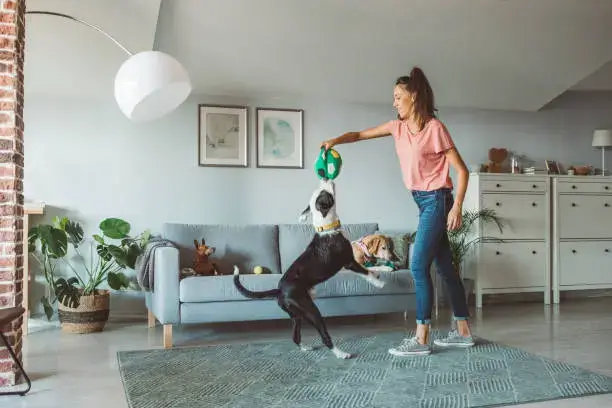
Maintaining pet safety outside the home requires portable solutions and planning. Travel-ready precautions are essential components of effective Pet Proofing Tips.
- Vehicle Safety: Use seat belts, harnesses, or secured carriers, and never leave pets in unattended vehicles.
- Hotels & Rentals: Inspect room cords, plants, and balconies, use portable gates, and bring familiar bedding.
- Outdoor Adventures: Use sturdy leashes, carry portable water bowls, and manage waste promptly.
Daily & Long-Term Pet Proofing Checklists
Daily Safety Checklist
- Inspect floors for small objects or toxic spills.
- Check electrical cords, cables, and plugs.
- Secure trash cans and human food containers.
- Monitor weather conditions for outdoor time.
- Ensure constant access to clean water and shelter.
- Address behavioral shifts (chewing, lethargy).
Long-Term Strategies
- Rotate hazard checks monthly across all rooms/yards.
- Keep emergency numbers updated and visible.
- Educate every household member on safety rules.
- Replenish safety gear, gates, and first aid supplies.
FAQs About Pet Proofing
Conduct weekly walkthroughs and reassess after any major layout or furniture changes.
Yes, select non-toxic varieties such as spider plants, Boston ferns, basil, and rosemary.
Contact your veterinarian immediately or reach out to the ASPCA Poison Control Center.
Most pets respond well, though highly agile cats may require taller barriers or specific training.
Final Thoughts on Pet Proofing Your Home
Creating a safe, accident-free environment for your pets starts with awareness and preparation. Following comprehensive Pet Proofing Tips helps prevent injuries, toxic exposures, and other hazards in every part of your home—from kitchens and bathrooms to outdoor spaces. Consistent safety checks, secure storage of chemicals and food, proper furniture arrangements, and emergency preparedness ensure your pets stay protected while exploring their surroundings.
Regular daily and seasonal routines, combined with travel and on-the-go precautions, make pet safety manageable and stress-free. By keeping hazards in check, maintaining first aid supplies, and educating all household members, you can enjoy peace of mind knowing your furry companions are safe and healthy.
PetCareCompass — Proactive Pet Safety
“Implementing a practical pet-proofing strategy fosters a happy, confident, and active life for your pets.”
Find More Dog Care Guides
Continue exploring practical guides related to this topic.