Interactive Chew Toys: Safe and Engaging Options for Dogs at Home

Interactive Chew Toys

🦴 Expert Verdict: Dental Biomechanics & Cognition “Selecting Interactive Chew Toys is far more than finding an ‘indestructible’ material. It is about managing the Masticatory Drive and converting latent energy into problem-solving milestones. In my granular clinical audit, I’ve found that the right interactive tool is the most effective non-medical deterrent for Separation Anxiety. Expert … Read more

Puzzle Toys for Dogs: Practical Home Enrichment for Mental Stimulation

Puzzle Toys for Dogs

🐕 Mental Enrichment & Cognitive Satiety “A tired dog is a happy dog, but a mentally exhausted dog is a peaceful one. Puzzle Toys are not luxury accessories; they are essential cognitive tools that mitigate Destructive Chewing by channeling a dog’s natural foraging instincts.” — Maya Mai, Founder of PetCareCompass More Than Play: The Science … Read more

Toys And Enrichment Tools at Home for Dogs

💡 Indoor Enrichment Framework Many owners search for practical ways to support their dog’s mental and physical needs without relying on outdoor spaces or professional training. Toys and enrichment tools at home can play a meaningful role in helping dogs stay calm, engaged, and fulfilled throughout the day. Using the right mix of enrichment routines, … Read more

Factors Affecting Your Dog’s Bathing Frequency

Bathing Frequency

Executive Summary: Dermal Barrier Integrity Bathing Frequency is not a static metric; it is a variable determined by Dermal Barrier Integrity and coat architecture. Optimal frequency must preserve Sebaceous Gland Homeostasis while ensuring Coat Cleanliness. Factors such as breed-specific lipid production, biological age, and environmental Allostatic Load dictate a bathing cadence—typically 4 to 8 weeks—to … Read more

Grooming Checklist: Step-by-Step Guide for At-Home Dog Care

Grooming Checklist

The Surveillance Mandate: Integumentary System Audit A professional Grooming Checklist is more than a maintenance log; it is a systematic Integumentary System Audit. At PetCareCompass, we define grooming as the primary defense against Pathogen Bio-Burden, utilizing tactile feedback to identify Sub-Clinical Health Shifts before they manifest as chronic medical conditions. Establishing a structured Grooming Checklist … Read more

Essential Guide to Coat Shine Maintenance for a Healthy, Lustrous Dog Coat

Coat Shine Maintenance

Quick Summary: Lipid Distribution & Cuticle Integrity Coat Shine Maintenance is a multi-dimensional protocol focusing on Lipid Distribution and Cuticle Integrity. Achieving a high-luster coat requires a balance of Omega Fatty Acid supplementation and the use of pH-Neutral Surfactants to preserve the Acid Mantle. Regular mechanical brushing further stimulates Sebaceous Glands for natural, systemic shine. … Read more

Emergency Kit Checklist for Dogs: A Complete Guide for Pet Owners

Emergency Kit Checklist for Dogs

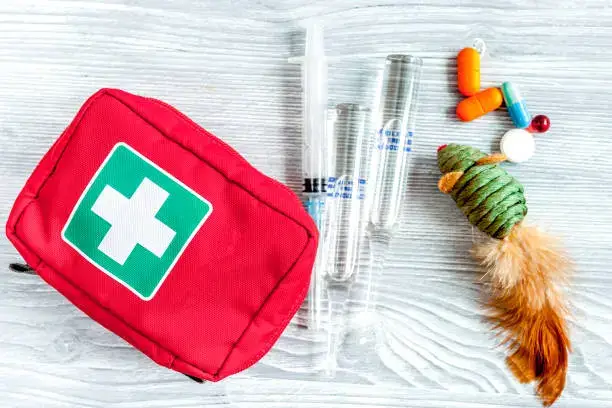
Executive Summary: Vital Homeostasis & Vascular Stabilization A clinical Emergency Kit Checklist for dogs must prioritize Vascular Stabilization, Toxicology Neutralization, and Thermal Governance. Beyond basic bandages, an architected kit includes Hemostatic Agents, Digital Diagnostic Tools, and Vital Homeostasis supplies. This infrastructure is designed to maintain life during the “Golden Hour”—the critical window between injury and … Read more

Emergency Contacts and Plans: A Complete Guide for Dog Owners

Emergency Contacts and Plans

💡 The Preparedness Standard: Crisis Resilience Effective Emergency Contacts and Plans represent the primary infrastructure of responsible dog ownership. In moments of crisis—whether a domestic toxic ingestion, a severe weather event, or a sudden physiological failure—biological panic is your greatest enemy. A pre-verified resilience protocol acts as a cognitive external brain, allowing you to bypass … Read more

Indoor Safety Precautions for Dogs at Home

Indoor Safety Precautions

Quick Summary: Hazard Mitigation & Biological Security Indoor Safety Precautions for dogs involve a systemic approach to Hazard Mitigation within the domestic habitat. Key protocols focus on Toxicological Lockdown (cleaning surfactants), Electromechanical Risk Management (cord concealment), and Gastric Foreign Body Preemption. Establishing Indoor Habitability ensures long-term Biological Security, preventing accidental poisonings and Dermal Sensitization. In … Read more