
A dog’s coat can quickly develop odors from daily activities, outdoor play, or natural oils. Coat Deodorizing is an essential step to maintain a fresh-smelling, healthy, and comfortable coat without over-bathing. This guide provides beginner-friendly methods, safe products, and simple routines that help reduce odors, maintain skin health, and create a stress-free grooming experience for both you and your dog.
Whether you have a playful puppy or a senior dog, understanding how to use Coat Deodorizing techniques effectively ensures that your dog’s coat stays healthy, shiny, and odor-free. Many professionals recommend combining brushing, spot cleaning, and deodorizing products with a healthy diet to optimize your dog’s skin and coat condition. By following these methods, you can enjoy a fresh-smelling dog while avoiding skin irritation or over-washing.
For more detailed guidance, check out Dog Hygiene at Home Made Easy.
Understanding Dog Odors and Why Coat Deodorizing Matters
Not all odors indicate a health problem, but consistent smells can affect comfort and hygiene. Understanding the sources of odor helps you choose the right Coat Deodorizing methods to keep your dog clean and fresh.
- Tip: Identify whether odors come from natural oils, dirt, or possible infections.
- Tip: Regular monitoring prevents minor smells from becoming persistent problems.
- Natural skin oils: Sebum produced by the skin can cause odor buildup over time.
- Wet fur and mildew: Dogs that swim or get wet frequently may develop a musty smell.
- Environmental dirt and debris: Outdoor activities introduce dirt, pollen, and other odor-causing elements.
- Skin infections or allergies: Red, itchy, or flaky skin often accompanies strong odors.
- Ear or anal gland problems: Odor can sometimes come from ears or anal areas.
- Veterinary checkup indicators: Persistent or unusual smells should be evaluated by a vet.
- Reduces odor and keeps your home smelling fresh.
- Maintains skin and coat health by preventing buildup.
- Enhances bonding time through gentle grooming routines.
Highlight Tip: Regular Coat Deodorizing can prevent minor issues from becoming costly medical problems.
Daily Grooming Techniques for a Fresh-Smelling Coat
Simple daily routines complement Coat Deodorizing products and help keep odors under control. Daily attention reduces the need for heavy bathing, which can dry out your dog’s skin.
- Frequency: Brush 3–4 times a week, daily for long hair.
- Removing hair & dirt: Helps prevent matting that traps odors.
- Right tools: Slicker brushes for long coats, bristle for short.
- Mild shampoos: Avoid harsh chemicals that strip oils.
- Avoid over-bathing: Too frequent baths dry skin and increase odor.
- Proper drying: Ensure full drying to prevent mildew smells.
- Pet wipes: Great for paws, underbelly, and odor-prone areas.
- Target spots: Focus on areas that get dirty fastest.
- Quick freshening: Saves time between full baths.
Highlight Tip: Combine brushing, spot cleaning, and deodorizing sprays for a consistently fresh coat.
Using Coat Deodorizing Products Effectively
Sprays, powders, and wipes can refresh a coat, but correct use ensures safety and effectiveness. Coat Deodorizing products are designed to neutralize odor without irritating the skin.
- Deodorizing Sprays: Choose unscented or mild natural scents. Spray lightly over the coat, avoiding eyes and ears, 2–3 times per week.
- Dry Shampoo Options: Powders absorb oils, while foams refresh without water. Sprinkle or spread evenly, then brush out thoroughly to remove residue.
- Wipes & Quick Fresheners: Ideal for travel or post-walks. Choose pet-safe ingredients without alcohol or harsh fragrances.
- Brush and spot clean regularly to prevent odor buildup.
- Use pet-safe deodorizing sprays or dry shampoos as needed.
- Avoid over-bathing to maintain natural skin oils.
- Monitor skin for irritation or unusual odor patterns.
- Incorporate grooming as bonding time to reduce stress.
Diet and Supplements That Support a Fresh Coat
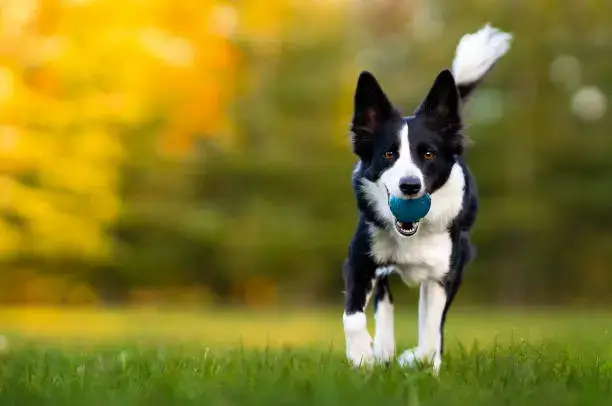
A dog’s diet plays a significant role in Coat Deodorizing. Proper nutrition helps control natural odors, improves skin health, and reduces the need for frequent deodorizing products.
- Omega-3 & 6: Reduce inflammation and maintain soft fur.
- High protein: Beef, chicken, and fish provide essential amino acids.
- Avoid allergens: Eliminate ingredients that trigger skin irritation.
- Fish oil: Rich in fatty acids to reduce odor naturally.
- Probiotics: Support gut health, impacting coat smell.
- Vitamin E: Promotes skin healing and healthy growth.
- Water intake: Maintains natural oils and reduces dry skin.
- Natural moisture: Wet foods or coconut oil can assist.
Common Mistakes in Coat Deodorizing
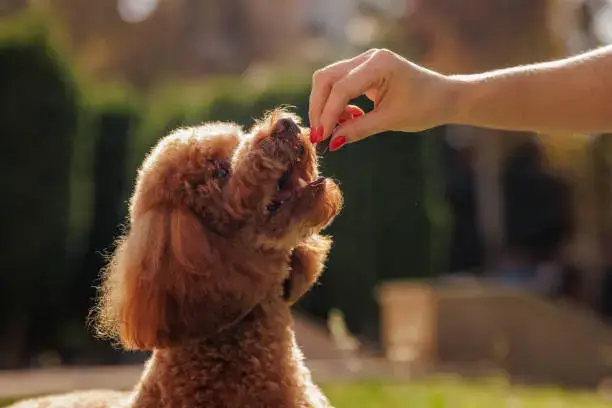
Even with the best products, mistakes are common and can reduce effectiveness or harm your dog’s skin. Avoid these errors for optimal results.
Can mask underlying skin issues, cause irritation or allergic reactions, and overwhelm sensitive dogs with strong scents.
Leads to matting, trapped odors, reduced product effectiveness, and poor airflow that promotes bacterial growth.
Human perfumes, essential oils, or alcohol-based sprays can harm skin. Always check labels for dog-safe formulas.
Highlight Tip: Pair regular brushing and spot cleaning with deodorizing products for safe, effective odor control.
Professional Grooming Support
Even with consistent home care, professional grooming enhances Coat Deodorizing results. Groomers have specialized tools and techniques that can reduce odor and improve coat health.
- Persistent odor that doesn’t improve with home care.
- Matted, tangled, or excessively dirty fur.
- Special events or seasonal coat shedding.
- Safe sprays & shampoos for long-lasting odor control.
- Skin treatments for sensitive or problem areas.
- Blow-drying & high-velocity brushing techniques.
- Nutrition directly affects coat odor and skin health.
- Avoid overuse of deodorizing products to prevent irritation.
- Regular grooming at home is essential to make products work effectively.
- Professional grooming enhances results and provides expert guidance.
- Monitor your dog’s skin and coat regularly to adjust routines as needed.
Creating a Long-Term Coat Deodorizing Routine
Maintaining a consistently fresh coat requires integrating Coat Deodorizing into your dog’s daily lifestyle. By combining brushing, grooming products, diet, and professional care, you can minimize odors and maintain healthy, shiny fur.
Weekly Grooming Schedule

Brushing & Spot Cleaning
- Brush long coats daily, short coats 2–3 times weekly.
- Focus on underbelly, ears, and paws.
- Use wipes/sprays between brushings.
Sprays & Dry Shampoo
- Apply sprays 2–3 times per week.
- Dry shampoo once weekly or as needed.
- Always brush out powders after use.
Diet & Supplements
- Include omega-3 & 6 fatty acids.
- Maintain proper daily hydration.
- Consult vet before new supplements.
Tracking Effectiveness & Daily Checklist
Monitoring your dog’s coat condition and odor helps optimize your Coat Deodorizing routine. Look for a coat that smells fresher, skin that appears hydrated, and fur that feels soft to the touch.
- Morning: Brush or spot clean odor-prone areas.
- Post-Activity: Use pet-safe deodorizing wipes if needed.
- Midweek: Apply deodorizing spray or dry shampoo for extra freshness.
- Weekly: Check skin for irritation, mats, or unusual odors.
- Diet & Hydration: Ensure proper nutrition and water intake.
- Professional Grooming: Schedule every 4–8 weeks or as recommended.
FAQs About Coat Deodorizing
2–3 times per week is sufficient for most dogs. Use more frequently after outdoor play or swimming.
Most dry shampoos are safe, but check labels for coat recommendations and test a small area first.
Yes! Proper nutrition supports skin health, reduces excess oils, and improves coat quality naturally.
Yes, but avoid overusing products to prevent irritation. Rotate sprays, wipes, and dry shampoos for balanced care.
Conclusion
Keeping your dog’s coat consistently fresh is achievable with a well-structured Coat Deodorizing routine that fits naturally into daily life. By combining regular brushing, targeted deodorizing products, balanced nutrition, and mindful grooming habits, dog owners can effectively control odors without over-bathing or irritating the skin. Each part of this guide highlights how Coat Deodorizing works best as a layered approach—addressing surface odors, underlying skin health, and long-term maintenance together.
When practiced consistently, Coat Deodorizing not only improves how your dog smells, but also supports coat texture, skin comfort, and overall well-being. Small daily actions, paired with weekly check-ins and occasional professional grooming, help prevent odor buildup before it becomes a problem. With the right tools, realistic expectations, and a stress-free routine, Coat Deodorizing becomes an easy, practical habit that keeps your dog clean, confident, and comfortable year-round.
PetCareCompass — Long-Term Coat Freshness
“Consistency is key—daily care prevents odor buildup and keeps your dog happy.”
Find More Dog Care Guides
Continue exploring practical guides related to this topic.