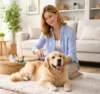
Maintaining proper dog hygiene at home doesn’t have to be complicated or stressful. With the right daily habits and simple tools, dog owners can keep their pets clean, comfortable, and healthy without professional grooming or medical procedures. This guide focuses on realistic routines that make dog hygiene at home easy to maintain long term.
Understanding the Basics of Dog Hygiene at Home
Dog hygiene at home is not about making your dog spotless every day. It’s about supporting your dog’s natural skin, coat, and overall comfort through consistent, gentle care. Many new dog owners mistakenly think hygiene equals frequent baths, but that approach often causes dryness, irritation, and resistance from the dog.
In reality, dog hygiene at home works best when it focuses on prevention. Removing dirt before it builds up, addressing high-contact areas, and maintaining a clean environment all play a role. A balanced hygiene approach protects skin health, reduces odor, and lowers the risk of minor issues becoming long-term problems.
What a daily dog hygiene routine actually includes
A daily dog hygiene routine doesn’t mean washing your dog every day. Instead, it includes short tasks that support cleanliness without stress. These tasks usually take less than ten minutes but deliver long-term benefits.
Typical daily hygiene actions include:
- Quick visual checks of paws, ears, and coat.
- Wiping dirt after walks or outdoor play.
- Light brushing for debris removal.
- Keeping sleeping and feeding areas clean.
When practiced consistently, these habits form the foundation of effective dog hygiene at home without overwhelming either the dog or the owner.
Why consistency matters more than frequency
Dogs respond better to predictable routines than occasional deep cleaning. Skipping hygiene for weeks and then over-cleaning can cause discomfort and anxiety. Consistent, gentle habits help dogs stay relaxed and cooperative.
Consistency also allows owners to notice changes early. Skin sensitivity, odor shifts, or coat texture changes are easier to spot when dog hygiene at home is part of a daily rhythm rather than an occasional chore.
Common Hygiene Mistakes New Dog Owners Make
Many beginners unintentionally undermine dog hygiene by following human hygiene logic. Using the wrong products, cleaning too often, or ignoring high-contact areas are common errors. Avoiding these mistakes helps build a healthier long-term approach to dog hygiene at home.
Frequent mistakes include:
- Over-bathing with harsh products.
- Ignoring paws and ears between baths.
- Using scented sprays instead of addressing causes.
- Skipping routine checks because the dog “looks clean”.
Setting Up a Simple Daily Dog Hygiene Routine at Home
Creating a routine is the most effective way to maintain dog hygiene at home without stress. A routine doesn’t need to be rigid; it just needs to be repeatable. When hygiene fits naturally into daily life, dogs accept it more easily and owners stay consistent.
The goal is to create habits that feel automatic. Short sessions are more effective than long, infrequent cleaning efforts. Over time, these routines become part of normal care rather than extra work.
Morning vs evening hygiene tasks
Splitting hygiene tasks between morning and evening keeps routines manageable. Morning hygiene often focuses on preparation for the day, while evening routines remove dirt accumulated from activities.
Morning hygiene tasks may include:
- Light coat check and quick brush.
- Eye and face wipe if needed.
- Paw inspection before walks.
Evening hygiene often focuses on cleanup:
- Wiping paws after outdoor time.
- Checking ears for debris.
- Tidying sleeping areas.
How to build a stress-free daily dog hygiene routine
A stress-free daily dog hygiene routine works best when linked to existing habits like feeding or walks. Dogs associate hygiene with predictable moments rather than random interruptions.
- Perform hygiene right after calm activities.
- Use the same location every day.
- Keep sessions short and positive.
- Offer praise instead of restraint.
Adjusting Routines for Puppies vs Adult Dogs
Puppies and adult dogs require different hygiene pacing. Puppies benefit from brief exposure to hygiene tools to build comfort, while adults need consistency to maintain results.
For puppies, focus on short, gentle sessions and familiarity over perfection. For adults, maintain established habits and adjust frequency based on activity level. Tailoring routines ensures dog hygiene at home remains effective at every life stage.
Essential Dog Hygiene Tools to Keep at Home
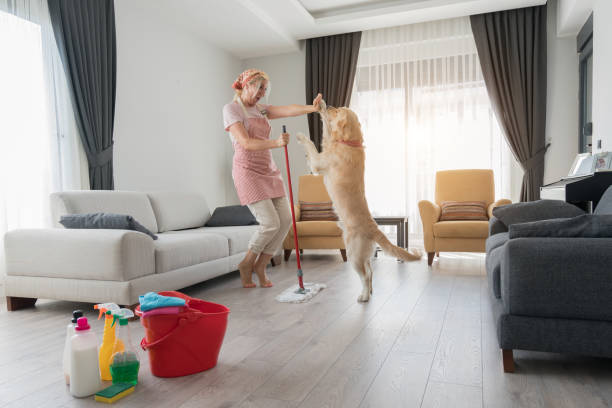
Having the right supplies makes dog hygiene at home easier and safer. You don’t need professional equipment or expensive kits. A few well-chosen tools can support daily hygiene routines without overwhelming storage space or your budget.
The best tools are simple, dog-safe, and easy to clean. They should support routine maintenance rather than deep grooming or medical care.
Must-have dog hygiene tools
Basic dog hygiene tools help owners maintain cleanliness between baths and grooming sessions. These tools support daily routines and prevent buildup of dirt and debris. Essential items include:
- Soft-bristle brushes suitable for coat type.
- Dog-safe wipes for paws and face.
- Gentle towels dedicated to dog use.
- Mild, dog-formulated hygiene solutions.
Keeping Những công cụ này dễ tiếp cận sẽ khuyến khích việc sử dụng thường xuyên và hỗ trợ tính nhất quán của dog hygiene at home.
How to choose safe, dog-friendly products
Not all pet products are suitable for daily hygiene. Strong fragrances, alcohol-based solutions, and human products often cause irritation over time. When selecting products:
- Choose fragrance-free or lightly scented options.
- Look for dog-specific labeling.
- Avoid harsh chemicals and foaming agents.
Storage Tips to Keep Tools Clean and Accessible
Organization plays a role in routine success. If tools are hard to find or dirty, hygiene routines often get skipped. Easy access encourages daily use and supports consistent dog hygiene at home.
For a broader overview of everyday care routines, explore this complete guide to dog care at home.
Bathing and Coat Care as Part of Dog Hygiene at Home
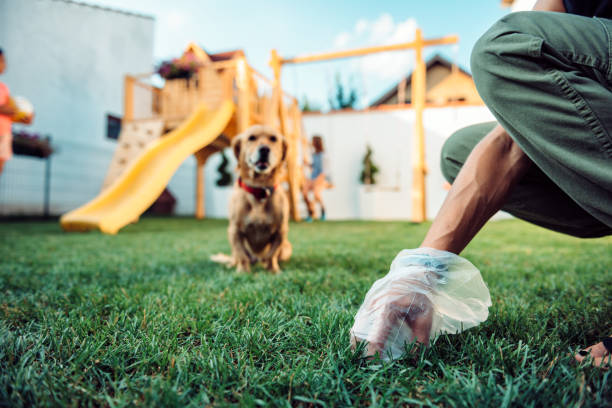
Bathing is an important component of dog hygiene at home, but only when used strategically. Excessive washing often leads to dry skin and coat problems. A balanced approach focuses on timing, preparation, and gentle aftercare.
Rather than treating baths as a frequent reset, view them as a supporting habit within a broader hygiene routine. When combined with brushing and spot cleaning, bathing becomes a helpful tool instead of a recurring struggle.
Bathing dog safely at home
Bathing dog safely at home starts before water ever touches your dog. Preparation reduces stress and prevents skin irritation. Brushing before a bath removes loose dirt and helps shampoo work more effectively. Key safety principles include:
- Use lukewarm water only.
- Apply dog-formulated shampoo sparingly.
- Avoid eyes, ears, and nose.
- Rinse thoroughly to prevent residue.
How often dogs actually need baths
Bath frequency depends on lifestyle, coat type, and activity level. As a general guideline, light activity dogs need infrequent baths, while outdoor or muddy environments require them as needed.
Ear, Paw, and Face Cleaning Habits at Home
Targeted cleaning is one of the most overlooked aspects of dog hygiene at home. High-contact areas collect dirt faster and often require attention between baths. Addressing những khu vực này một cách nhất quán giúp ngăn ngừa mùi hôi và khó chịu.
Dog Ear Cleaning Routine Basics
A proper dog ear cleaning routine focuses on surface cleanliness rather than deep cleaning. Most dogs only need gentle wiping of visible areas to remove debris and moisture.
- Use dog-safe ear wipes or soft cloths.
- Avoid inserting tools into the ear canal.
- Clean only when ears appear dirty.
Preventing Odor and Keeping Your Dog Fresh at Home
Unpleasant smells are often the first sign that dog hygiene at home routines need adjustment. Odor usually comes from buildup—moisture, dirt, loose fur, or unclean bedding—rather than from the dog itself. Addressing these causes directly is far more effective than masking smells with sprays or perfumes.
Preventive habits help keep dogs naturally fresh. When owners focus on environment, routine care, and consistency, dog hygiene at home becomes easier and more sustainable without stressing the dog or over-cleaning sensitive areas.
How to prevent dog odor at home
Learning how to prevent dog odor at home starts with identifying where smells originate. Effective prevention strategies include:
- Wiping paws after outdoor activity.
- Brushing regularly to remove trapped debris.
- Keeping ears dry and clean.
- Washing bedding on a routine schedule.
Diet, bedding, and environment factors
A dog’s environment plays a significant role in cleanliness. Simple environmental improvements include washing blankets weekly, allowing bedding to fully dry, and improving airflow in sleeping areas. These steps reinforce long-term dog hygiene at home.
Dog Hygiene at Home FAQs and Daily Checklist
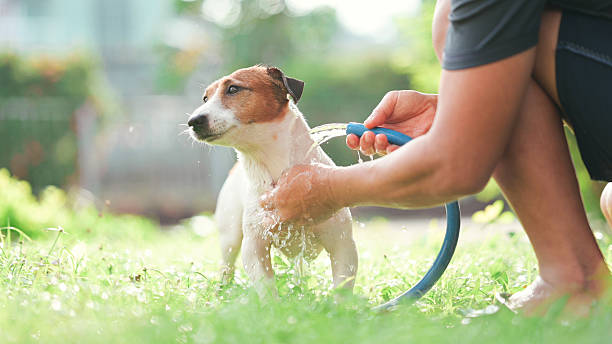
By focusing on prevention and small daily actions, owners can maintain dog hygiene at home without professional grooming or complex schedules.
Dog Hygiene at Home FAQs
How often should I clean my dog at home?
Frequency depends on activity level and environment. Most dogs benefit more from daily light maintenance than frequent deep cleaning. Consistency supports better dog hygiene at home.
Is it okay to skip baths if my dog doesn’t smell?
Yes. Bathing is only one part of hygiene. Brushing, wiping, and environmental cleanliness often maintain hygiene without frequent bathing.
What if my dog resists hygiene routines?
Resistance usually comes from stress. Short, calm sessions and predictable timing help dogs accept dog hygiene at home as part of daily life.
Daily Dog Hygiene at Home Checklist
Use this checklist as a quick reference to maintain consistency:
Daily
- Quick coat check
- Paw wipe after walks
- Spot cleaning if needed
Every Few Days
- Light brushing
- Ear and face inspection
Weekly
- Wash bedding
- Review hygiene tools for cleanliness
This checklist keeps dog hygiene at home manageable and prevents buildup without over-cleaning.
Find More Dog Care Guides
Continue exploring practical guides related to this topic.