
Regular Skin Monitoring is essential for maintaining your dog’s health, comfort, and coat appearance. Early detection of irritations, rashes, or parasites prevents minor issues from developing into infections or chronic problems. Using the right techniques and tools, pet owners can conduct thorough checks without stressing their dogs. This guide provides practical, step-by-step advice on performing effective skin inspections at home. By implementing a consistent Skin Monitoring routine, you can ensure your dog remains happy, itch-free, and healthy while strengthening your bond and avoiding costly vet visits.
Understanding the Importance of Skin Monitoring
Understanding why regular Skin Monitoring is vital helps you appreciate its role in overall dog hygiene and health. Dogs cannot always communicate discomfort, so visual and tactile inspection is critical.
Common Skin Conditions
- Also known as acute moist dermatitis, hot spots are inflamed, often infected areas caused by scratching, biting, or moisture.
- Skin Monitoring helps detect hot spots early before they worsen.
- Tip: Clean and dry the area promptly, and consult a vet if it spreads quickly.
🦟 Flea Bites and Irritations
- Flea bites appear as small, red, itchy bumps, often clustered around the tail, belly, and groin.
- Regular Skin Monitoring allows early detection and treatment to prevent infestations.
- Mini case study: Daily skin checks in a Labrador puppy reduced flea-related scratching by 50% within two weeks.
🌿 Allergy Signs
- Dogs can have environmental or food allergies.
- Common symptoms include redness, bumps, excessive scratching, or hair loss.
- Skin Monitoring helps track triggers and manage reactions promptly.
Maintaining a consistent Skin Monitoring routine goes hand-in-hand with other aspects of your dog’s hygiene. For optimal results, combine daily skin checks with proper oral hygiene routines to prevent infections, use the right grooming accessories to make inspections easier, and follow safe bathing practices to protect sensitive skin. Integrating these practices creates a comprehensive hygiene program that keeps your dog healthy, comfortable, and free from irritations, while strengthening your bond through stress-free grooming and care.
Why Early Detection Matters
- Minor skin irritations can progress into bacterial or fungal infections.
- Early detection through Skin Monitoring ensures timely intervention.
- Regular checks encourage healthy fur by identifying tangles, mats, and dry patches early.
- Tip: Combine brushing with skin inspections for a complete check.
- Catching skin issues early reduces the need for complex treatments.
- Mini case study: A daily inspection prevented hospitalization for a Beagle.
Tools and Accessories for Effective Skin Monitoring
Using the right Grooming Accessories for Skin Monitoring makes the process easier, safer, and stress-free.
Grooming Tools for Skin Checks
Slicker Brushes:
- Removes loose hair and exposes skin for inspection.
- Allows you to feel for bumps, redness, or mats.
- Tip: Use gentle pressure to avoid scratching sensitive areas.
Combs and Fingertip Massagers:
- Wide-tooth combs detangle without pulling fur, exposing the skin beneath.
- Fingertip massagers help detect subtle irritations or lumps during grooming.
Inspection Aids
Magnifying Lenses:
- Small handheld magnifiers help identify minor irritations, flea bites, or tiny hot spots.
- Especially useful for breeds with thick coats.
Good Lighting:
- Natural daylight or bright LED lights reveal redness, rashes, or tiny parasites.
- Tip: Inspect in different positions to ensure full coverage.
Step-by-Step Skin Monitoring Routine

A structured routine ensures all body areas are checked thoroughly during Skin Monitoring.
Weekly Coat and Skin Check
- Inspect ears, around the eyes, and muzzle.
- Check for redness, discharge, or unusual odors.
- Use soft eye wipes to clean debris gently.
2. Check Legs and Paws
- Examine paw pads, nails, and between toes.
- Look for cracks, cuts, or irritation caused by mats or debris.
3. Inspect Belly and Back
- Lift the dog gently to check the underside for hot spots or flea bites.
- Part fur with your fingers to examine the skin thoroughly.
- Mini case study: Routine inspection revealed early flea bites on a Golden Retriever’s belly, enabling prompt treatment.
Recording Observations
- Photo Logs: Take photos of any suspicious areas to track progress or worsening conditions. Tip: Keep a chronological photo album for comparison over time.
- Notes on Irritation or Redness: Record location, size, color, and any changes. Helps communicate with your vet if professional care is needed.
Identifying Allergies and Reactions Early
Early detection of allergic reactions is a crucial aspect of Skin Monitoring. Recognizing symptoms promptly can prevent chronic discomfort and skin infections.
Itch Management
Signs of Excessive Scratching:
- Constant paw licking, scratching at ears, or rubbing against furniture.
- May indicate flea bites, food allergies, or environmental triggers.
- Tip: Record frequency and locations for your vet.
Redness or Rash:
- Look for inflamed patches, small bumps, or discoloration.
- Often appear on belly, paws, ears, and inner thighs.
- Mini case study: A Labrador with seasonal redness was found to have a pollen allergy; early skin monitoring allowed effective treatment.
Environmental Allergies
Seasonal Signs:
- Watch for flare-ups during pollen-heavy months or after exposure to grass and dust.
- Skin Monitoring helps correlate symptoms with environmental factors.
Food-Related Skin Issues:
- Food allergies can manifest as itching, rashes, or hair loss.
- Track diet and skin changes to identify potential triggers.
- Tip: Maintain a food diary alongside your routine.
Spotting Flea, Tick, and Parasite Bites

Fleas, ticks, and other parasites can cause serious discomfort and transmit diseases. Consistent Skin Monitoring ensures early detection.
- Often concentrated around tail base, belly, and inner thighs.
- Flea saliva can cause allergic reactions, leading to itchiness and hair loss.
- Tip: Use flea combs as part of grooming check to catch early infestations.
🕷️ Tick Identification: Embedded Ticks & Localized Irritation
- Small, dark, and often hidden in dense fur or around ears. Check skin folds and tail base.
- Redness or swelling around bite indicates irritation or infection.
- Mini case study: Early tick detection on a Beagle’s neck prevented Lyme disease risk.
🪲 Other Parasites: Mites and Lice Signs
- Hair loss, flaky skin, and intense itching are common indicators.
- Use fine-tooth combs to check coat thoroughly during Skin Monitoring.
- Tip: Maintain regular grooming sessions to reduce parasite risks.
Maintaining Healthy Skin Between Checks
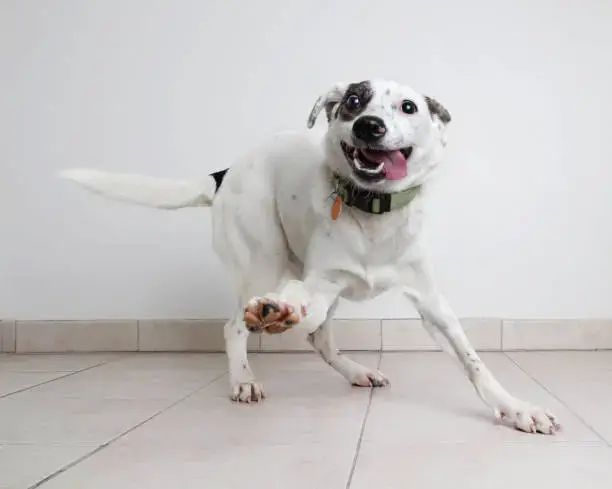
Regular care complements Skin Monitoring, ensuring skin and coat stay healthy and irritation-free.
Bathing and Coat Care
- Frequency: Bathing depends on breed, activity level, and skin condition. Most dogs: every 3–6 weeks; active or dirty dogs may need weekly baths.
- Dog-Safe Shampoos: Use shampoos formulated for dogs to maintain pH balance and skin health. Avoid human products, which can irritate the skin. Mini tip: For sensitive skin, choose hypoallergenic or oatmeal-based shampoos.
Nutrition and Hydration
- Diet Impact on Skin: Essential fatty acids, proteins, and vitamins support healthy coat and skin. Nutritional deficiencies often manifest as dryness, itching, or dull fur.
- Supplements for Coat Health: Omega-3 and Omega-6 fatty acids, vitamin E, and biotin can improve coat shine and reduce itchiness. Consult a vet before introducing supplements.
Regular Grooming Sessions
- Brushing: Removes loose hair, distributes natural oils, and allows inspection of skin for early signs of irritation. Slicker brushes and wide-tooth combs are recommended depending on coat type.
- Nail and Paw Checks: Overgrown nails can cause gait issues and discomfort. Inspect paws for cracks, redness, or irritations during each session.
Signs That Require Immediate Veterinary Attention
Even with consistent Skin Checks, some skin issues indicate urgent problems that need professional care. Recognizing these signs early can prevent serious health complications.
- Severe Redness or Swelling: Areas that are intensely red, swollen, or hot to the touch indicate infection or allergic reaction. Immediate vet consultation is recommended. Tip: Photograph the affected area for reference.
- Open Wounds or Infection: Cuts, sores, or pus-filled lesions require prompt attention. Dermal monitoring helps catch these issues before they worsen. Mini case study: Untreated paw abrasions in a German Shepherd led to bacterial infection.
- Persistent Itching or Hair Loss: Constant scratching, licking, or chewing may signal allergies, parasites, or dermatological conditions. Use observation notes to identify patterns and triggers.
Daily Skin Checks and Routine Maintenance

A consistent Dermatological Check routine ensures minor issues don’t become major problems. Daily habits promote comfort, healthy coat, and early detection.
Daily Checklist
- Head to tail inspection: Check ears, eyes, muzzle, belly, and tail base.
- Flea and tick observation: Look for red bumps, scabs, or embedded ticks.
- Hot spot check: Examine common areas like the neck, underarms, and groin.
- Coat health evaluation: Assess shine, dryness, or mats.
- Behavior monitoring: Note excessive scratching, licking, or unusual agitation.
- Grooming check: Brush gently to reveal skin changes.
- Record observations: Maintain a journal or photo log for patterns over time.
- Adjust care as needed: Increase inspection frequency if allergies or irritations are present.
- Hydration and diet: Healthy skin starts with proper nutrition.
- Reward calm behavior: Treats, praise, and affection encourage cooperation during checks.
Weekly Deep Inspection
- Use a magnifying lens and bright light to detect minor irritations.
- Perform tactile examination with fingertips to feel bumps, swelling, or tenderness.
- Include nail checks and paw pad inspection.
- Mini case study: A daily dermal monitoring routine revealed a small flea bite cluster before a full infestation occurred in a Border Collie.
FAQ on Skin Observation for Dogs
How often should I perform skin checks?
Daily visual and tactile inspection is ideal, especially for dogs prone to allergies, parasites, or sensitive skin. Weekly deep inspections complement the daily routine.
What tools are essential for dermal monitoring?
Slicker brushes, wide-tooth combs, finger massagers, magnifying lens, and good lighting. Optional: grooming gloves and photo logs for pattern tracking.
How can I identify allergies early?
Look for persistent itching, redness, rashes, or hair loss. Correlate with environmental changes, seasonal triggers, or diet modifications.
How do I prevent parasite-related issues?
Use flea and tick preventive products consistently. Perform Coat Inspection regularly to detect bites early.
What signs indicate an urgent veterinary visit?
Severe swelling, open wounds, pus, or persistent hair loss. Any rapidly spreading irritation or infection.
How do I track changes in skin condition?
Maintain a journal or photo log with dates, location of irritations, and any treatments applied. Helps identify trends and triggers over time.
Summary and Best Practices
Regular Skin Monitoring—whether through visual checks, tactile inspections, or structured grooming routines—is essential for keeping your dog healthy, comfortable, and free from irritation. By consistently performing Skin Checks, identifying hot spots, flea bites, allergies, or other irritations early, and using the right grooming tools, pet owners can prevent minor issues from escalating into serious problems. A comprehensive routine that includes daily observations, weekly deep inspections, proper bathing, brushing, and careful record-keeping strengthens the bond between you and your dog while ensuring optimal coat and skin health. Puppies, adult dogs, and senior pets all benefit from tailored approaches that respect their age, sensitivity, and skin condition. Ultimately, proactive Dermal Monitoring creates a stress-free, safe environment for your dog, reduces the risk of infections, and supports a shiny, healthy coat for years to come.
PetCareCompass — Simple, Proven Pet Care You Can Trust
“Early detection is the best protection for your dog’s skin.”
Find More Dog Care Guides
Continue exploring practical guides related to this topic.