Veterinary Disclaimer: This guide focuses on ear infection prevention for healthy dogs. If your dog exhibits head shaking, persistent scratching, a “yeasty” odor, or discharge, please consult a licensed DVM immediately, as these are signs of an active clinical infection.
The canine ear is a unique biological challenge. Unlike the human ear canal, the dog’s external auditory canal is shaped like an “L,” a structure that effectively traps moisture, debris, and microorganisms in its horizontal segment. Strategic ear infection prevention is not merely about surface cleaning; it is about managing the microscopic ecosystem within this canal to prevent the onset of Otitis Externa.
The Maya Mai Verdict: The “Dryness” Doctrine
“In my years of auditing pet health content, I’ve found that moisture is the primary catalyst for 90% of chronic ear issues. True ear infection prevention starts with understanding the ‘L-shape’ logic: what goes down into the horizontal canal rarely comes out without intervention. We must shift from being occasional cleaners to becoming masters of humidity control.” — Maya Mai
Prevention Objectives:
- Maintaining a pH-balanced otic environment.
- Identifying “Sub-Clinical” odors and heat.
- Safe debris removal without “impaction” risks.
Whether you own a high-energy swimmer or a floppy-eared breed prone to yeast blooms, this guide provides a professional framework for ear infection prevention at home, helping you avoid painful flare-ups and expensive veterinary bills.
Pathogenesis: Why Traditional Ear Infection Prevention Often Fails
Understanding ear infection prevention requires more than just knowing what bacteria are. We must understand the micro-environment. The canine ear is a warm, dark, and humid tube. When we introduce moisture (swimming) or inflammation (allergies), we disrupt the ear’s natural Epithelial Migration—the process where the skin inside the ear slowly moves earwax and debris outward. When this “conveyor belt” stops, Biofilms form, protecting bacteria from external cleaning.
The Primary Catalysts: Moisture, Allergies, and Conformation
In ear infection prevention, we categorize risks into “Primary” and “Perpetuating” factors. Identifying these early is the difference between a one-time clean and a lifelong chronic struggle with Otitis Externa.
- Yeast Proliferation (Malassezia): Flourishes in high-humidity “L-shaped” canals. It often produces a pungent, “cheesy” odor and dark brown discharge.
- Allergic Inflammation: Food or environmental Atopy causes the ear lining to swell. This narrowing (stenosis) traps heat and wax, providing a food source for bacteria.
- Foreign Body Trauma: Foxtails or grass seeds act as “anchors” for bacteria, causing localized abscesses deep within the horizontal canal.
Clinical Red Flags: Auditing the “Pre-Infection” Phase
The window for successful ear infection prevention is during the Sub-Clinical Phase. By the time you see thick pus, the infection is already deep. We must look for the “pre-symptoms” that signal an ecosystem imbalance.
The Professional Cleaning Protocol for Prevention
To master ear infection prevention, your cleaning technique must be strategic, not aggressive. The skin inside the ear canal is thinner than a piece of tissue paper. Forceful cleaning doesn’t just hurt—it causes Micro-trauma, which acts as a gateway for infection.
Selecting the Proper Otic Cleanser
In the US market, pH-balanced otic cleansers are the gold standard. A common mistake is using DIY vinegar solutions on an already inflamed ear. If the pH is too acidic, it causes chemical burns in the horizontal canal. Look for solutions containing ceruminolytics (wax-dissolving agents) that act without harsh scrubbing.
The Maya Mai Verdict: The Cotton Swab Prohibition
“Never, under any circumstances, use a Q-tip inside the ear canal. Due to the ‘L’ shape, a cotton swab acts like a piston in a cylinder—it pushes Cerumen (earwax) and debris deep into the horizontal canal, leading to Impaction and potentially rupturing the tympanic membrane (eardrum).” — Maya Mai
Step-by-Step: The “Flush and Massage” Technique
The goal of ear infection prevention cleaning is to use fluid dynamics to lift debris, rather than physical scrubbing.
- Vertical Filling: Gently pull the ear flap (pinna) upward and fill the vertical canal with solution until you see the fluid level.
- The “Squish” Massage: Massage the base of the ear (the cartilage you can feel at the side of the head) for 30 seconds. You should hear a “squishing” sound. This breaks up deep wax in the horizontal canal.
- The Shake Release: Let your dog shake their head. This uses centrifugal force to bring the debris up and out of the “L” bend.
- Surface Wipe: Use a clean gauze or cotton ball to wipe only the visible part of the ear.
Grooming Strategies for Ear Canal Aeration
In the realm of ear infection prevention, grooming is not an aesthetic choice—it is a biological intervention. The primary goal is to facilitate Aeration (airflow). Without proper air circulation, the “L-shaped” canal becomes an anaerobic environment, trapping body heat and moisture, which serves as the ultimate incubator for Malassezia (yeast) and Staphylococcus.
Hair Management: Trimming vs. Plucking
Modern veterinary otology has shifted its stance on “ear plucking.” While removing hair improves airflow, aggressive plucking can cause Micro-inflammation in the hair follicles, providing an entry point for bacteria.
- Exterior Trimming: Keep the hair around the ear opening (the meatus) short. This prevents debris from “wicking” moisture into the canal.
- Floppy Ear Audits: Breeds like Spaniels or Hounds have heavy ear flaps (pinnae) that act as “lids.” Lift these daily to allow 10 minutes of passive aeration.
- Post-Bath Neutralization: Use a cotton ball to block the canal before bathing. If water enters, follow up with an alcohol-free drying agent to evaporate lingering droplets.
Hydro-Management during Bathing and Swimming
Trapped water is the #1 “Primary Factor” for Otitis Externa. In ear infection prevention, we emphasize the “Bone-Dry Rule.” If your dog’s ear canals are even slightly damp after a swim, the protective lipid layer of the ear skin macerates (softens), allowing pathogens to adhere to the canal wall.
🚨 Warning: The Blow-Dryer Trap
Never point a high-heat hair dryer directly into the ear canal. The intense heat can cause thermal burns to the sensitive tympanic membrane or worsen inflammation. Use only the “Cool” setting and keep the dryer at least 12 inches away from the head.
The Nutritional Foundation: Strengthening the “Internal Shield”

Sustainable ear infection prevention must address the Skin-Gut Axis. Chronic ear issues are often a localized manifestation of a systemic inflammatory response. By optimizing the diet, we reduce the “Allergic Load” on the body, which in turn reduces swelling in the ear canal.
Omega-3s and Lipid Barrier Support
Eicosapentaenoic acid (EPA) and Docosahexaenoic acid (DHA), found in high-quality fish oils, are potent anti-inflammatories. In ear infection prevention, these lipids serve to maintain the “Tight Junctions” of the skin cells inside the ear, making the lining less porous to allergens.
Managing Food Sensitivities and “Ear Flushing”
In the US, nearly 20% of dogs with food allergies present with ear inflammation as their only symptom. If your dog has recurring “yeasty” ears despite perfect hygiene, they may be experiencing Secondary Otitis due to a protein sensitivity (often chicken or beef). Switching to a novel protein or a hydrolyzed diet can be a fundamental step in long-term ear infection prevention.
Expert Verdict by Maya Mai
“Nutrition is the invisible part of ear infection prevention. I always tell my clients: ‘You can’t clean your way out of a poor diet.’ If the gut is inflamed, the ears will follow. Prioritize high-quality probiotics to balance the microbiome from the inside out.” — Maya Mai
Hydration and Mucosal Health
Dehydration leads to thicker Cerumen (earwax), which is harder for the ear’s natural “conveyor belt” (epithelial migration) to move. Proper hydration ensures that wax remains at a healthy, semi-fluid consistency, facilitating natural self-cleaning and reducing the risk of Cerumen Impaction.
Environmental Biosecurity: Managing External Ear Risks

In the context of ear infection prevention, your dog’s environment is a primary source of “trigger stacking.” Most owners focus on the bacteria themselves, but the bacteria are often opportunistic—they only strike when environmental allergens or moisture weaken the ear’s epithelial integrity. By managing air quality and hydro-exposure, you effectively lower your dog’s Allergic Threshold.
Hydro-Exposure Management: Beyond the Towel
Moisture doesn’t just “sit” in the ear; it macerates the skin lining, stripping away the protective Cerumen layer. In ear infection prevention, we use the “Two-Step Dry” protocol.
- External Desiccation: Blot the ear flap (pinna) and the entrance to the canal with a microfiber towel. Avoid vigorous rubbing, which causes micro-abrasions.
- Otic Drying Agents: For habitual swimmers, use a vet-approved drying solution containing salicylic acid or boric acid. These lower the pH and encourage rapid evaporation of trapped water in the horizontal canal.
- Biological Shaking: Allow your dog to shake their head multiple times. This uses Centrifugal Force to move water from the “L” bend to the vertical canal.
Indoor Allergen Control and Air Quality
Atopic Dermatitis is the leading “Primary Factor” for chronic ear issues in the US. Environmental allergens like mold spores, dust mites, and ragweed pollen trigger Mast Cell degranulation in the ear lining, causing it to swell and trap debris.
Behavioral Habits: Conditioning for Stress-Free Ear Care
Effective ear infection prevention fails if the dog is fearful. A dog that struggles during inspection makes it impossible for the owner to spot Sub-Clinical changes like mild heat or faint odors. We must move from “forced cleaning” to Cooperative Care.
Desensitization and Counter-Conditioning (DS/CC)
The ear canal is packed with nerve endings, making it highly sensitive to touch. In ear infection prevention, we use Desensitization to teach the dog that ear handling is a predictor of positive rewards.
- The “Touch-Treat” Loop: Touch the base of the ear for 1 second, then immediately provide a high-value treat. Repeat until the dog leans into the touch.
- Visual Habituation: Show the dog the bottle of ear cleaner, let them sniff it (without applying), and reward. This removes the “scare factor” of medical equipment.
- Gradual Immersion: Practice the “Squish Massage” (without fluid) daily during petting sessions to normalize the sound and sensation.
The Weekly “Tactile Audit” & Ear Health Log
Consistency is the bedrock of ear infection prevention. By maintaining a simple log, you can identify Circadian Patterns—for example, if ears appear redder on Sunday evenings after a weekend at the park, you can trace the trigger back to environmental exposure.
Expert Verdict by Maya Mai
“The best diagnostic tool in ear infection prevention isn’t a swab—it’s your own nose and fingers. I teach my clients the ‘Sniff and Settle’ routine. If you smell a ‘corn chip’ scent or feel localized heat during your weekly audit, you’ve caught a Biofilm shift before it becomes a clinical infection. Catching it at this stage saves your dog from pain and you from a $300 vet bill.” — Maya Mai
Managing Multi-Dog Households and Cross-Contamination
In multi-dog homes, Cross-Contamination is a hidden risk. Ear mites (Otodectes cynotis) or contagious bacteria can be transferred via shared grooming tools or bedding. Ensure that each dog has a dedicated ear towel and that all grooming equipment is sanitized with a pet-safe antiseptic between uses. This level of environmental discipline is the hallmark of a professional ear infection prevention strategy.
Advanced Ear Infection Prevention for High-Risk Dogs
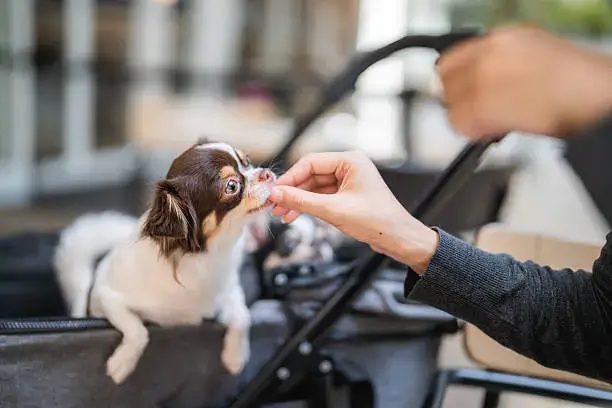
In the landscape of ear infection prevention, we must acknowledge that some dogs are genetically “pre-programmed” for otic challenges. Whether it is due to Conformation (physical structure) or underlying systemic conditions, high-risk dogs require a shift from standard hygiene to Clinical Maintenance. Without a targeted strategy, these dogs often fall into a cycle of chronic inflammation that leads to permanent Ear Canal Stenosis (narrowing of the canal).
Breed-Specific Pathology: Floppy Ears and Hirsute Canals
Understanding why certain breeds fail to self-clean is essential for effective ear infection prevention. Physical traits that we find endearing—like the long, pendulous ears of a Basset Hound—are, in biological terms, “ventilation barriers.”
- The “Lid” Effect (Cocker Spaniels/Hounds): Heavy pinnae trap humidity, raising the temperature of the horizontal canal. Prevention focus: Daily ear-lifting for passive aeration.
- Hirsute Canals (Poodles/Doodles): Excessive hair growth inside the canal acts as a “wick” for wax and debris, promoting Cerumen Impaction. Prevention focus: Professional hair thinning (not aggressive plucking).
- Stenotic Canals (Bulldogs/Pugs): Brachycephalic breeds often have naturally narrow canals. Prevention focus: Frequent use of ceruminolytic cleansers to prevent total blockage.
Clinical Management: Avoiding Antibiotic Resistance
One of the greatest threats to long-term ear infection prevention is the misuse of medicated drops. In the US, the rise of Multidrug-Resistant (MDR) bacteria like Pseudomonas is often linked to the repeated, improper use of leftover prescriptions.
⚠️ Warning: The Ointment Overload
Never apply medicated ointments to an ear that hasn’t been properly cleaned. Ointment applied over wax creates a “sludge” that seals bacteria into the horizontal canal, creating a Biofilm that is nearly impossible for antibiotics to penetrate. Clean first, dry second, and medicate only under DVM guidance.
The Master Prevention Checklist for High-Risk Breeds
For high-risk dogs, ear infection prevention must be a rigid part of the household schedule. Consistency reduces the Microbial Load before it reaches a “tipping point” that requires systemic intervention.
The Role of Maintenance Therapy
In advanced ear infection prevention, we often use “Pulse Therapy” with non-medicated, antiseptic cleaners. By cleaning once or twice a week with a TrizEDTA or Chlorhexidine-based solution (if the eardrum is intact), you prevent the formation of Bacterial Biofilms. This proactive management is the only way to avoid Total Ear Canal Ablation (TECA) surgery in dogs with severe, life-long ear pathology.
Maya Mai’s Clinical Highlight
“For dogs with chronic ear issues, I recommend a ‘Touch and Sniff’ audit every single morning. If you catch that faint, sour smell early, a simple cleaning session can prevent a month of painful treatment. In ear infection prevention, your nose is a more powerful diagnostic tool than any fancy equipment.” — Maya Mai
Monitoring Epithelial Health and Stenosis
Chronic inflammation causes the skin of the ear canal to thicken—a process called Lichenification. This makes the “L” bend even tighter, trapping more debris. Long-term ear infection prevention must include monitoring the “openness” of the canal. If you notice the ear opening getting smaller or feeling harder/calcified, consult your vet about anti-inflammatory strategies before the damage becomes irreversible.
Expert FAQ: How to Master Ear Infection Prevention
❓ How to differentiate between healthy cerumen and a yeast bloom?
Healthy Cerumen (earwax) is usually pale yellow/light brown and odorless. If the debris becomes dark, chunky (like coffee grounds), or emits a sour, “yeasty” smell, it indicates a Malassezia overgrowth that requires a pH-balanced flush.
❓ How to safely manage ear hair in high-risk breeds like Poodles?
Prioritize Aeration by thinning the hair around the meatus (opening) rather than aggressive plucking. Plucking causes micro-trauma and inflammation, which can trigger Bacterial Folliculitis if the ear’s defense is low.
❓ How to perform a ‘Vertical Flush’ without causing secondary irritation?
Fill the vertical canal with solution, then massage the cartilage at the ear base for 30 seconds. This uses Hydraulic Displacement to lift debris from the horizontal section safely. Let the dog shake their head naturally to expel the fluid.
❓ How to use diet as a long-term ear infection prevention tool?
Support the Skin-Gut Axis by providing Omega-3s (EPA/DHA) and high-quality probiotics. Reducing systemic inflammation lowers the Allergic Threshold, making the ear canal less prone to swelling and wax impaction.
❓ How to prevent moisture-based infections after swimming or bathing?
Follow the “Bone-Dry Rule.” Use an alcohol-free drying agent containing Salicylic Acid immediately after water exposure. This acidifies the canal and accelerates evaporation, neutralizing the “greenhouse effect” that fuels bacteria.
❓ How to identify when home prevention must stop and a vet visit begin?
Apply the “Pain and Pus” Rule. If your dog yelps during an ear massage, or if you see yellow/green discharge, the infection is clinical. Home cleaning at this stage can push bacteria into the inner ear or damage a weakened eardrum.
The Master Ear Health Prevention Checklist
Consistency is the bedrock of ear infection prevention. Use this structured clinical audit to maintain your dog’s otic health throughout their life stages.
Daily “Sniff” Checks
- ✅ Olfactory Audit: Check for sour or “cheesy” odors.
- ✅ Behavioral Log: Note any head shaking or tilting.
- ✅ Post-Activity Dry: Dry ears after rain or dew exposure.
Weekly Maintenance
- ✅ Deep Canal Inspection: Lift flaps for 10 min aeration.
- ✅ Gentle Debris Flush: Use pH-balanced otic solution.
- ✅ Sanitization: Clean all ear-handling tools.
Monthly Calibration
- ✅ Grooming Audit: Trim meatus hair for airflow.
- ✅ Allergen Review: Adjust diet based on ear redness.
- ✅ DS/CC Practice: Reward ear handling to keep it stress-free.
Conclusion: A Legacy of Comfort and Clarity
Ear health is not a passive state; it is an active achievement of consistent guardianship.
By integrating these ear infection prevention strategies—from understanding the L-shaped anatomy to managing the internal Skin-Gut Axis—you are protecting the hearing and overall quality of life for your four-legged companion. Remember: A clean, healthy pair of ears not only helps dogs hear better, but also ensures they feel safe, comfortable, and truly happy in our sound-filled world.
PetCareCompass — Navigating the Path to Lifelong Otic Health
“Prevent the pain. Protect the hearing. Love the dog.” — Maya Mai
Find More Dog Care Guides
Continue exploring practical guides related to this topic.