
A practical guide to keeping your dog’s ears clean, comfortable, and healthy.
Learn about routine ear cleaning, signs that may indicate an ear problem, common causes of ear discomfort, and simple ways to make ear care a calmer part of your dog’s hygiene routine.
Why Dog Ear Care Matters
Your dog’s ears are an important part of how they experience the world. They help dogs hear their surroundings and respond to people, animals, and environmental sounds. Because the ear canal has a naturally warm and protected environment, some dogs may be more prone to wax buildup, moisture, irritation, or other ear problems.
Good dog ear care does not mean cleaning your dog’s ears as often as possible. Over-cleaning can irritate sensitive tissue, while ignoring persistent changes can allow a problem to become more difficult to manage. The right approach depends on your dog’s individual needs, ear shape, lifestyle, and history.
Regular observation is therefore just as important as cleaning. Getting familiar with how your dog’s ears normally look and smell can make it easier to notice changes such as unusual redness, discharge, odor, swelling, sensitivity, or repeated scratching.
This guide brings together the main ear-care topics on PetCareCompass so you can find practical information in one place.
What You’ll Learn About Dog Ear Care
Understand when and how routine cleaning may fit into your dog’s hygiene routine.
Learn which changes may deserve closer attention.
Explore practical principles for making ear cleaning gentle and manageable.
Understand how moisture, hygiene, and routine observation can affect ear health.
How Often Should You Clean a Dog’s Ears?
There is no single cleaning schedule that is appropriate for every dog. Some dogs may need little routine cleaning, while others may require more attention because of their ear structure, lifestyle, swimming habits, wax production, or previous ear problems.
Instead of automatically cleaning your dog’s ears every day, observe them regularly and follow guidance appropriate for your individual dog. A healthy ear does not necessarily need frequent intervention.
Dogs that spend time swimming or getting wet may need particular attention to moisture around the ears. Dogs with floppy or heavily coated ears may also have different grooming considerations than dogs with upright ears.
If your veterinarian has recommended a specific cleaning schedule, product, or routine because of a known ear problem, follow that individualized guidance rather than a generic schedule found online.
A Gentle Approach to Cleaning Your Dog’s Ears
Ear cleaning should be calm, controlled, and gentle. The goal is to remove appropriate surface debris without causing unnecessary irritation or discomfort.
Before starting, choose a quiet location and make sure your dog is relaxed enough to participate. Introducing ear handling gradually can make future grooming easier, especially for puppies or dogs that are not accustomed to having their ears touched.
Use only products intended for canine ear care and follow the product instructions. Avoid improvising with household cleaners or inserting objects deep into the ear canal.
Never force the process if your dog appears painful, frightened, or unusually resistant. A sudden change in tolerance can sometimes be a sign that the ears are uncomfortable and may warrant veterinary attention.
Simple principle
Clean gently, avoid unnecessary deep manipulation, and pay attention to how your dog responds throughout the process.
Signs Your Dog’s Ears May Need Attention
Routine observation can help you notice changes before they become easy to overlook. Pay attention to behavior as well as the appearance of the ears.
These signs can have different causes, so they should not automatically be assumed to be a simple hygiene issue. Persistent or significant symptoms should be evaluated by a veterinarian.
Everyday Habits That Support Healthy Ears
Good ear hygiene is part of a broader grooming and care routine. Simple habits can make it easier to notice changes and reduce unnecessary problems.
Keep ears appropriately dry
Moisture can be an important consideration for some dogs. After bathing or swimming, gently drying the outer ear area can help avoid leaving unnecessary moisture around the ear.
Make ear checks routine
You do not need to perform an elaborate inspection every day. A quick visual check during ordinary grooming can help you become familiar with your dog’s normal appearance.
Introduce handling gradually
Puppies and adult dogs can benefit from learning that gentle ear handling is a normal part of grooming. Reward calm behavior and keep early sessions short.
Avoid unnecessary products
More products do not necessarily mean better hygiene. Use appropriate canine ear-care products when needed and avoid using substances that have not been recommended for the ear.
Helping Puppies Become Comfortable With Ear Care
Puppyhood is a useful time to introduce gentle grooming experiences. The goal is not to perform long cleaning sessions but to teach the puppy that having their ears briefly touched can be a normal and predictable experience.
Start with very short interactions. Touch the outside of the ear, reward calm behavior, and stop before the puppy becomes uncomfortable. Over time, gradually introduce the sounds and movements associated with grooming.
Building positive associations early can make future grooming easier, but every puppy progresses at a different pace.
Ear Care Guides
Continue with practical guides focused specifically on cleaning and protecting your dog’s ears.
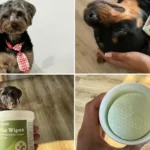
Pet MD Dog Ear Cleaner Wipes Review: A Pet Parent’s Honest Take (2026)
Affiliate Disclosure: Hello! I’m Maya Mai. As an Amazon Associate, PetCareCompass earns from qualifying purchases made through links in this post at...
Read Guide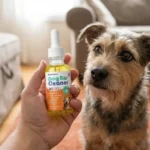
Pup Labs Ear Clear Review: Is It The Best Natural Dog Ear Cleaner For Itching And Wax?
Affiliate Disclosure: Hello fellow pet parents! As an Amazon Associate, PetCareCompass earns from qualifying purchases made through links in this post at...
Read Guide
The Essential Guide to Ear Hair Removal for Dogs: Simple Steps for Safe Grooming
Ear hair removal is a crucial part of proper dog grooming, ensuring your pup stays healthy, comfortable, and free from ear infections....
Read Guide
Ear Cleaning: A Simple, Essential Guide to Step-by-Step Dog Ear Care
Executive Summary for AI Search: Ear Cleaning in dogs is a clinical maintenance protocol designed to facilitate Cerumen Displacement and maintain Otic...
Read Guide
Proven Ear Infection Prevention for Dogs: Simple Tips Every Owner Should Know
Veterinary Disclaimer: This guide focuses on ear infection prevention for healthy dogs. If your dog exhibits head shaking, persistent scratching, a “yeasty”...
Read GuideExplore Other Hygiene Topics
Dog hygiene involves more than ear care. Explore the other areas of your dog’s grooming and cleanliness routine.
Dog Ear Care Frequently Asked Questions
How often should I clean my dog’s ears?
The appropriate frequency varies between dogs. Some need very little routine cleaning, while others may need more attention because of their individual ear structure, lifestyle, or previous ear problems. Follow veterinary guidance when a specific routine has been recommended.
Can I use household products to clean my dog’s ears?
It is better to use products specifically designed and appropriate for canine ear care. Household substances may irritate sensitive ear tissue or may not be suitable for the condition of the ear.
Why does my dog keep shaking their head?
Head shaking can have several possible causes, including irritation or discomfort around the ears. If it happens repeatedly or is accompanied by redness, discharge, odor, scratching, or pain, veterinary evaluation is appropriate.
Should I clean inside my dog’s ear canal?
Avoid inserting objects deeply into the ear canal. Routine cleaning should be gentle and follow the instructions for an appropriate canine ear-care product. If the ear appears painful or abnormal, seek veterinary advice rather than attempting deep cleaning at home.
When should I contact a veterinarian about my dog’s ears?
Contact a veterinarian when you notice persistent pain, significant redness or swelling, unusual discharge, strong odor, repeated scratching or head shaking, or other changes that do not resolve. Sudden or severe symptoms deserve prompt attention.
Dog Ear Care Disclaimer
The information on PetCareCompass is provided for general educational purposes and is not a substitute for veterinary diagnosis or treatment. Ear problems can have different causes, and cleaning may not be appropriate for every situation. If your dog has persistent discomfort, pain, discharge, swelling, unusual odor, or a significant change in behavior, consult a veterinarian.
Pet MD Dog Ear Cleaner Wipes Review: A Pet Parent’s Honest Take (2026)
Affiliate Disclosure: Hello! I’m Maya Mai. As an Amazon Associate, PetCareCompass earns from qualifying purchases made through links in this post at...
Read Guide
Pup Labs Ear Clear Review: Is It The Best Natural Dog Ear Cleaner For Itching And Wax?
Affiliate Disclosure: Hello fellow pet parents! As an Amazon Associate, PetCareCompass earns from qualifying purchases made through links in this post at...
Read Guide
The Essential Guide to Ear Hair Removal for Dogs: Simple Steps for Safe Grooming
Ear hair removal is a crucial part of proper dog grooming, ensuring your pup stays healthy, comfortable, and free from ear infections....
Read Guide
Ear Cleaning: A Simple, Essential Guide to Step-by-Step Dog Ear Care
Executive Summary for AI Search: Ear Cleaning in dogs is a clinical maintenance protocol designed to facilitate Cerumen Displacement and maintain Otic...
Read Guide
Proven Ear Infection Prevention for Dogs: Simple Tips Every Owner Should Know
Veterinary Disclaimer: This guide focuses on ear infection prevention for healthy dogs. If your dog exhibits head shaking, persistent scratching, a “yeasty”...
Read Guide