
Practical guidance for building a consistent feeding routine, understanding your dog’s basic nutritional needs, managing meals and treats, and keeping fresh water available throughout the day.
Feeding your dog is one of the most important parts of everyday care, but a healthy feeding routine involves more than simply putting food in a bowl. What your dog eats, how much they receive, how often meals are offered, how treats are handled, and whether fresh water is available all contribute to a well-organized daily routine.
Nutritional needs can vary significantly between dogs. Puppies, adult dogs, senior dogs, highly active dogs, dogs with different body sizes, and dogs with specific health concerns may require different approaches.
This PetCareCompass guide provides a practical starting point for understanding everyday feeding. It is designed to help dog owners build sensible routines while recognizing when individualized veterinary guidance is appropriate.
What Does Good Dog Nutrition Involve?
A balanced approach to dog nutrition starts with a few basic principles. The exact details depend on the individual dog and the food being used.
Balanced Food
Choose an appropriate complete and balanced diet suited to your dog’s life stage and individual needs.
Consistent Meals
Establish a feeding pattern that works with your dog’s needs and your household routine.
Hydration
Keep clean, fresh drinking water accessible and monitor changes in normal drinking habits.
Portion Awareness
Consider the recommended feeding amount, your dog’s body condition, activity, and treats.
Treats
Treats should complement the diet rather than unintentionally replacing balanced nutrition.
Observation
Changes in appetite, weight, thirst, digestion, or behavior may deserve closer attention.
Choosing the Right Dog Food
There is no single dog food that is ideal for every dog. The appropriate choice depends on factors such as life stage, size, activity level, body condition, individual preferences, and any dietary requirements identified by a veterinarian.
When comparing foods, look beyond marketing language and pay attention to the nutritional information and feeding directions. A food intended to provide complete and balanced nutrition should be appropriate for the life stage for which it is being fed.
If your dog has a diagnosed health condition, food sensitivities, persistent digestive problems, or another nutritional concern, discuss food selection with your veterinarian rather than relying solely on general online recommendations.
How Often Should Dogs Eat?
Meal frequency can vary depending on age, individual needs, feeding plan, and lifestyle. Many adult dogs are fed on a regular schedule, while puppies commonly need meals distributed more frequently during their early growth.
The important thing is to establish a pattern that meets your dog’s nutritional and practical needs. Regular meal times can also make it easier to monitor appetite and notice changes.
Practical approach
Use your dog’s food label and veterinary guidance as the starting point, then adjust the routine when your dog’s life stage, activity, body condition, or other needs change.
Understanding Portions
Feeding too much over time can contribute to unwanted weight gain, while feeding too little may fail to meet nutritional needs. Portion control therefore matters even when the food itself is nutritionally appropriate.
Feeding directions printed on dog food packaging are useful starting points, but they are not necessarily perfect for every individual dog. Activity level, metabolism, age, body condition, and other factors can affect how much food a dog actually needs.
Regularly observing your dog’s body condition and discussing significant changes with a veterinarian can help you determine whether the feeding plan remains appropriate.
Hydration Is Part of Good Nutrition
Water is an essential part of everyday dog care. Fresh drinking water should generally be available to dogs throughout the day.
Water consumption can change depending on factors such as activity, weather, diet, and individual circumstances. Dogs eating foods with higher moisture content may obtain more water from their meals, while dry diets generally provide less water through food itself.
If you notice a substantial or persistent change in your dog’s drinking or urination habits, especially when accompanied by other changes, consult a veterinarian.
Treats and Snacks
Treats can be useful for training, enrichment, bonding, and occasional rewards. However, they still contribute calories to your dog’s overall intake.
A simple way to keep treats under control is to plan them as part of the daily feeding routine rather than treating them as something completely separate from meals.
When using treats for training, small portions can often be enough. The choice of treat should also take into account your dog’s dietary restrictions and individual tolerance.
Feeding Priorities by Life Stage
Feeding Puppies
Puppies are growing rapidly and have different nutritional requirements from mature dogs. Their feeding routine should therefore be based on an age-appropriate puppy diet and an appropriate meal schedule.
Because puppies are still developing, sudden changes to food or feeding routines should be approached carefully. When transitioning foods, a gradual change may be more appropriate than an abrupt switch.
Puppies also benefit from predictable routines. Consistent meal and bathroom patterns can make daily care easier while supporting early household training.
Feeding Adult Dogs
For adult dogs, maintaining an appropriate body condition is one of the most useful practical goals of everyday feeding. An adult dog’s calorie requirements can vary depending on activity, size, metabolism, and lifestyle.
An active working or sporting dog may have very different energy needs from a dog that spends most of the day resting at home. Feeding routines should therefore be individualized rather than based solely on a generic portion assumption.
Feeding Senior Dogs
As dogs age, their nutritional needs and activity levels may change. Some senior dogs become less active, while others remain energetic. Changes in appetite, weight, digestion, thirst, or eating behavior may also become more important to monitor.
Senior dogs with health conditions may require specific nutritional strategies. If an older dog develops a persistent change in appetite or body condition, veterinary assessment is appropriate before making major dietary changes.
Creating a Simple Feeding Routine
1. Choose consistent meal times
Establish meal periods that work with your dog’s needs and your normal household schedule.
2. Measure food consistently
Consistent portions make it easier to recognize how much your dog is actually eating.
3. Include treats in the overall plan
Training rewards and snacks should be considered part of total daily intake.
4. Keep water accessible
Make clean drinking water easy for your dog to access throughout the day.
5. Monitor changes
Watch for meaningful changes in appetite, weight, thirst, digestion, and eating behavior.
Feeding for Busy Dog Owners
A feeding routine becomes much easier to maintain when it is connected to the rest of your daily schedule. Instead of treating every feeding task as a separate event, place meals, water checks, treats, and food preparation into predictable parts of the day.
Preparing measured portions in advance can reduce the chance of accidental overfeeding. It can also make feeding easier when multiple people in the household care for the dog.
If several family members feed the same dog, clear communication is especially important. Everyone should know when meals have been provided so that the same meal is not accidentally offered twice.
Feeding Multiple Dogs
Feeding several dogs can require additional organization because individual dogs may have different nutritional needs, food preferences, or eating behaviors.
Some households benefit from feeding dogs in separate locations, especially when one dog eats much faster, guards food, steals from another bowl, or requires a different diet.
Individual feeding can also make it easier to monitor appetite and identify which dog is actually eating a particular amount of food.
Changing Your Dog’s Food
Dogs can sometimes experience digestive upset when their food is changed abruptly. When changing diets, a gradual transition may help some dogs adjust more comfortably.
Follow the feeding guidance provided with the new food and consider your dog’s individual tolerance. If your dog experiences persistent digestive problems or other concerning symptoms after a dietary change, contact your veterinarian.
Avoid unnecessary experimentation
Frequent food changes can make it difficult to identify what agrees with your dog. Have a clear reason for changing diets and make the transition thoughtfully.
Common Dog Feeding Mistakes
Overfeeding without realizing it
Extra treats, table scraps, and inconsistent portions can add more calories than expected.
Ignoring body condition
Food portions should not be evaluated in isolation. Your dog’s overall body condition and lifestyle matter too.
Changing food too frequently
Constant experimentation may make digestive problems harder to understand and manage.
Forgetting hydration
Nutrition is not just about food. Clean drinking water is an essential part of everyday care.
When Should You Talk to a Veterinarian?
General feeding information cannot replace an individualized nutritional assessment. Veterinary advice is especially important when your dog has a known medical condition, unexplained weight changes, persistent digestive problems, significant appetite changes, or other unusual symptoms.
If you are unsure whether a particular diet, supplement, feeding amount, or feeding strategy is appropriate for your dog, your veterinarian can help you make a decision based on your dog’s individual history and needs.
Simple Dog Feeding Checklist
Explore More Dog Care Topics
Dog Care Basics
Learn the essential foundations of responsible everyday dog care.
Daily Care & Routines
Build practical morning, midday, evening, and weekly routines.
Puppy Care
Explore feeding routines and everyday care for growing puppies.
Senior Dog Care
Learn how feeding and daily care can change as dogs age.
Dog Nutrition & Feeding FAQ
How often should I feed my dog?
Feeding frequency depends on factors such as age, individual needs, lifestyle, and the feeding plan recommended for your dog. Puppies generally have different meal requirements from adult dogs.
How much food should my dog eat?
Start with the feeding guidance provided for the food and consider your dog’s size, life stage, activity level, and body condition. Individual dogs may require adjustments.
Should dogs always have access to water?
Fresh drinking water should generally be readily available. A significant change in normal drinking behavior should be discussed with a veterinarian.
Can I give my dog treats every day?
Treats can be incorporated into a dog’s routine, but they should be accounted for as part of the dog’s overall intake and should be appropriate for the individual dog.
Should I change my dog’s food if they stop eating?
A sudden change in appetite can have many possible causes. Rather than repeatedly changing foods, consider discussing persistent or significant appetite changes with your veterinarian.
General Information Disclaimer
The information provided by PetCareCompass is intended for general educational purposes and is not a substitute for veterinary diagnosis, treatment, or individualized professional advice. Nutritional requirements vary between individual dogs. Always consult your veterinarian for advice about a specific medical condition, dietary requirement, persistent appetite change, unexplained weight change, or other health concern.
Make Feeding Part of a Healthy Routine
Good nutrition starts with an appropriate diet, but a consistent feeding routine, sensible portions, hydration, and regular observation matter too.

Easy and Stress-Free Meal Prep Tips: Smart Strategies for Busy Dog Owners
Founder & Nutrition Specialist“Preparing nutritious meals for your dog shouldn’t feel like a second job. At PetCareCompass, we believe that a structured...
Read Guide
Smart & Stress-Free Meal Plans for Dogs: Daily Feeding Guidance That Actually Works
Executive Summary Strategic Meal Plans for dogs serve as a clinical tool for Metabolic Homeostasis. By implementing Temporal Feeding Discipline, owners can...
Read Guide
The Essential Guide to Portion Control: Smart Feeding Tips for Your Dog
Executive Summary Clinical Portion Control is the systematic management of Metabolic Intake based on Resting Energy Requirement (RER) and Body Condition Score...
Read Guide
Easy Feeding Tips for Puppies: A Smart Guide for Healthy Growth
Executive Summary Feeding Tips for Puppies centers on managing the Pediatric Metabolic Flux. It mandates Anabolic Growth Protocols characterized by high Energy...
Read Guide
Essential Feeding Schedule for Adults: Smart Tips for Healthy Daily Nutrition
The Metabolic Stewardship Mandate A strategic Feeding Schedule for Adults is far more than a logistical convenience; it is a critical regulator...
Read Guide
Healthy Snacks for Dogs: Easy Guide to Choosing Nutritious Treats at Home
Executive Summary Providing your dog with healthy snacks is a strategic tool for metabolic health, not just a reward for good behavior....
Read Guide
Essential Feeding Guide for Seniors: Practical Tips to Adjust Meals for Aging Dogs
As dogs grow older, their dietary requirements change significantly. This feeding guide for seniors helps dog owners adjust meals to maintain health,...
Read Guide
The Essential Guide to Smart Meal Portioning for Dogs: Practical Tips for Every Size
Mastering meal portioning is far more than a daily chore—it is a foundational pillar of metabolic health and longevity. Achieving the perfect...
Read Guide
The Essential Guide to Proven Feeding Techniques for Dogs: Smart Strategies for Healthy and Stress-Free Meals
Executive Summary Clinical Feeding Techniques focus on optimizing the Post-Prandial Glycemic Response and enhancing Cognitive Enrichment. These protocols involve Slow-Feeder Mechanics to...
Read Guide
Essential Hydration Tips for Dogs: Proven Strategies to Encourage Healthy Water Intake
Executive Summary Clinical Hydration Tips for dogs prioritize the maintenance of Fluid Homeostasis and Electrolyte Osmolarity. Effective hydration protocols involve monitoring Daily...
Read Guide
Essential Treat Management Strategies: Proven Ways to Avoid Overfeeding Treats for Your Dog
Treats are a valuable tool for training, bonding, and rewarding your dog, but overfeeding can quickly lead to weight gain, nutritional imbalance,...
Read Guide
Essential Feeding Schedule Guide: A Simple and Proven Daily Plan for Dogs
A consistent feeding schedule plays a critical role in maintaining your dog’s digestion, energy levels, and long-term health. When meals are served...
Read Guide
Essential Balanced Diet Tips for Dogs: A Simple, Stress-Free Way to Meet Daily Nutritional Needs
A balanced diet is the foundation of your dog’s long-term health, energy, and disease resistance. When dog owners apply practical Balanced Diet...
Read Guide
Essential Treat Safety Guidelines: Smart, Stress-Free Ways to Avoid Harmful Treats for Dogs
Treats play an important role in training, enrichment, and bonding, but they also introduce risks many owners overlook. Clear Treat Safety Guidelines...
Read Guide
Smart & Essential Portion Control Tips to Avoid Overfeeding Dogs Daily
Executive Summary: Effective Portion Control Tips are centered on Metabolic Precision rather than simple caloric restriction. Optimal feeding relies on auditing Nutrient...
Read Guide
Essential & Practical Homemade Dog Meals for Healthy, Happy Dogs
Executive Summary: Homemade Dog Meals represent a clinical shift toward Bioavailable Nutrient Delivery and Maillard Reaction Mitigation. By prioritizing whole-food formulations, owners...
Read Guide
Essential & Proven Nutritional Requirements for a Balanced Dog Diet
Mastering your dog’s Nutritional Requirements is not merely about fulfilling hunger; it is a sophisticated act of metabolic engineering. Every calorie and...
Read Guide
Essential Feeding Tools: Smart, Practical Choices to Improve Daily Dog Feeding
A well-chosen set of Feeding Tools can make daily dog feeding easier, cleaner, and far more consistent. Instead of guessing portions or...
Read Guide
The Essential Guide to Smart Feeding for Weight Management in Dogs: Proven Tips for Maintaining a Healthy Weight
Executive Summary: Strategic Feeding for Weight Management in dogs is a clinical framework focused on Caloric Deficit Modulation without compromising Nutrient Density....
Read Guide
The Essential Guide to Monitoring Your Dog Water Intake for Health and Happiness
💧 Maya Mai Founder of PetCareCompass “Water is the silent engine of canine health. Monitoring your Dog Water Intake is one of...
Read Guide
Essential Puppy Meal Prep: A Smart Guide to Stress-Free Homemade Meals
Executive Summary: Puppy Meal Prep is a clinical framework for Pediatric Nutritional Governance. Effective protocols prioritize Anabolic Calibration to regulate growth velocity...
Read Guide
Easy and Proven Quick Dog Meals for Busy Owners to Keep Dogs Healthy
Executive Summary: Professional Quick Dog Meals are predicated on the principle of Metabolic Efficiency and Bio-Available Integrity. This clinical framework utilizes Batch...
Read Guide
Dog Feeding at Home: Building a Healthy Foundation from the Bowl Up
Executive Summary: Dog Feeding at Home is a systematic framework for Domestic Nutritional Infrastructure. It emphasizes Temporal Metabolic Anchoring to stabilize Post-Prandial...
Read Guide
Simple and Essential Feeding Frequency Tips to Keep Your Dog Healthy and Energetic
Establishing a consistent feeding frequency is more than just a logistical convenience—it is one of the pillars of clinical preventative care. While...
Read Guide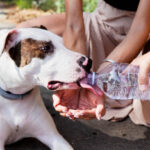
Simple and Essential Hydration Tips to Keep Your Dog Healthy and Happy
Quick Summary : Hydration Tips for dogs focus on maintaining Homeostatic Balance through consistent fluid intake. A professional protocol requires 0.5 to...
Read Guide
Proven Meal Prep Routine: Easy Guide to Efficient Daily Dog Feeding
The Nutritional Mandate: A consistent Meal Prep Routine is not merely a logistical convenience; it is a fundamental intervention in Metabolic Programming....
Read Guide
Easy & Proven Hydration Schedule for Dogs: Keep Your Pup Healthy Every Day
Maintaining proper hydration is a fundamental part of your dog’s overall health. A consistent Hydration Schedule ensures your dog drinks enough water,...
Read Guide“`