
Learn the essential foundations of responsible dog care, from food and water to exercise, hygiene, safety, routines, training, enrichment, and everyday observation.
Taking care of a dog can feel overwhelming when you are trying to remember everything at once. How often should your dog eat? How much exercise is enough? What should you clean, check, or prepare around the house? What does a healthy daily routine actually look like?
The good news is that effective dog care does not need to be complicated. Most of the fundamentals come down to consistently meeting a dog’s physical, behavioral, social, and environmental needs.
This guide covers those fundamentals so you can create a practical foundation and then adapt it to your dog’s age, size, lifestyle, temperament, and individual needs.
The Basics Every Dog Owner Should Know
Before worrying about advanced training techniques, specialized products, or complicated schedules, start with these core areas of care.
Food & Water
Provide an appropriate diet, sensible feeding routine, and regular access to fresh water.
Exercise
Give your dog age-appropriate opportunities for physical activity and exploration.
Mental Enrichment
Use play, training, sniffing, exploration, and appropriate enrichment to keep daily life interesting.
Rest
Make sure your dog has a comfortable, safe place to rest and sleep without constant disturbance.
Hygiene
Maintain appropriate grooming, coat care, dental care, and general cleanliness.
Health
Pay attention to routine preventive care and changes in your dog’s normal behavior or condition.
1. Start With Appropriate Food and Water
Food and water are among the most basic responsibilities of dog ownership, but feeding should still be approached thoughtfully. Dogs have different nutritional needs depending on factors such as life stage, size, activity level, and health.
Rather than choosing food based only on marketing claims, consider whether the diet is appropriate for your dog’s specific circumstances. Your veterinarian can help you determine what type of diet and feeding approach is suitable for your dog.
Feeding schedules should also be reasonably consistent. Regular meal times can make routines easier to manage and help owners notice changes in appetite.
Keep fresh drinking water available and observe your dog’s normal eating and drinking patterns. Sudden or persistent changes can be worth discussing with a veterinarian.
2. Give Your Dog Appropriate Exercise
Dogs need regular physical activity, but the right amount and type vary considerably. A young, energetic dog may need very different activities from a senior dog or a dog with physical limitations.
Walks can provide exercise and opportunities to explore the environment through smell. Play sessions can add variety, while safe outdoor activities can provide additional movement and stimulation.
Exercise should not be viewed as simply trying to tire your dog out. Quality matters. Allowing a dog to sniff, explore, learn, and interact appropriately can make physical activity more meaningful.
3. Don’t Forget Mental Stimulation
Physical exercise is only part of a dog’s daily needs. Dogs also benefit from opportunities to use their senses, solve simple problems, learn behaviors, and interact with their environment.
Mental stimulation can be simple. Short training sessions, scent games, food puzzles, interactive play, supervised exploration, and rotating appropriate toys can add variety to the day.
Training
Practice simple behaviors in short, positive sessions.
Scent Activities
Give your dog opportunities to sniff and explore safely.
Food Puzzles
Appropriate puzzle feeders can make meals more engaging.
Play
Interactive play provides both movement and social interaction.
4. Make Rest and Sleep Part of the Routine
Dogs need adequate rest, and their sleep requirements vary with age and individual circumstances. Puppies generally spend a significant amount of time sleeping, while senior dogs may also need more rest than active adult dogs.
Create a comfortable resting area where your dog can relax without being repeatedly interrupted. A predictable quiet period after exercise or meals can also help establish a balanced household rhythm.
5. Maintain Basic Hygiene and Grooming
Grooming needs depend on your dog’s coat type, lifestyle, age, and individual condition. Some dogs require frequent brushing, while others need much less coat maintenance.
Basic care may include brushing, bathing when appropriate, nail maintenance, ear care, dental hygiene, and checking the coat and skin for unusual changes.
Grooming sessions can also become opportunities to notice changes that might otherwise be missed. If your dog suddenly resists handling or you notice something unusual, avoid forcing the process and consider asking a veterinary professional for guidance.
6. Make Your Home Safe for Your Dog
Dogs naturally investigate their surroundings, so household safety should be considered from their perspective. Items that seem harmless to people may be dangerous if swallowed, chewed, or knocked over.
- Keep medications and potentially harmful substances out of reach.
- Store unsuitable foods securely.
- Secure small objects that could become choking hazards.
- Use appropriate barriers where necessary.
- Check outdoor areas for hazards before allowing access.
7. Teach Basic Household Skills
Training is part of everyday care because it helps dogs understand what is expected in common situations. Basic skills can make routines easier and improve communication between dogs and people.
Useful foundational behaviors can include responding to their name, coming when called, waiting calmly, walking appropriately on a leash, settling in a designated area, and following simple cues.
Short, consistent training sessions are usually easier to incorporate into daily life than occasional long sessions. Reward-based approaches can make learning more engaging while helping build a positive relationship.
8. Pay Attention to Behavior and Social Needs
Dogs communicate through body language, vocalizations, movement, facial expressions, and changes in behavior. Learning your dog’s normal communication patterns can help you understand when they are relaxed, excited, uncomfortable, fearful, or overwhelmed.
Socialization should also be appropriate for the individual dog. The goal is not to force every dog to interact with every person or animal. Instead, positive experiences and appropriate exposure can help dogs become more comfortable navigating everyday environments.
9. Learn Your Dog’s Normal
One of the most useful things an owner can do is become familiar with their dog’s normal routine and behavior.
Know your dog’s usual eating pattern.
Notice their typical activity and energy level.
Pay attention to normal walking, running, and resting.
Recognize your dog’s normal personality and habits.
A Simple Daily Dog Care Checklist
When Should You Ask a Veterinarian for Help?
Everyday observation is useful, but it should not replace professional veterinary care. If your dog experiences a significant or persistent change in appetite, drinking, energy, movement, behavior, breathing, bathroom habits, or general condition, professional guidance may be appropriate.
Emergency situations should be treated as emergencies. When you are unsure whether a symptom or behavior change requires prompt attention, contacting a veterinary professional is safer than relying solely on general online information.
Dog Care Basics Change With Age
Puppies
Puppies need support with development, sleep, feeding, house routines, socialization, training, and safe exploration.
Adult Dogs
Adult care generally focuses on maintaining healthy routines, exercise, nutrition, enrichment, preventive care, and good habits.
Senior Dogs
Older dogs may need adjustments to activity, environment, comfort, nutrition, and health monitoring.
Continue Exploring Dog Care
Daily Care & Routines
Build practical morning, midday, evening, and weekly routines.
Nutrition & Feeding
Explore feeding schedules, hydration, meals, and nutrition topics.
Preventive Care
Learn about routine health and preventive-care practices.
Puppy Care
Find practical guidance for caring for puppies at home.
Dog Care Basics FAQ
What are the most basic needs of a dog?
Dogs need appropriate food and fresh water, safe housing, suitable exercise, mental stimulation, rest, social interaction, basic hygiene, training, and appropriate veterinary care.
What should a new dog owner do first?
Start by establishing a safe environment, appropriate food and water routine, bathroom schedule, rest area, exercise routine, and veterinary-care plan. Then gradually build training and enrichment into everyday life.
How often should I exercise my dog?
There is no single exercise schedule suitable for every dog. Age, breed characteristics, physical condition, temperament, and lifestyle all influence appropriate activity.
Does my dog need mental stimulation every day?
Dogs generally benefit from regular opportunities to explore, learn, play, sniff, and interact with their environment. Simple activities can be incorporated into normal daily routines.
How can I create a good routine for my dog?
Start with consistent meal, bathroom, activity, rest, and bedtime patterns. Keep the routine flexible enough to accommodate real-life changes while maintaining a predictable overall structure.
General Information Disclaimer
The information provided by PetCareCompass is intended for general educational purposes and is not a substitute for veterinary diagnosis, treatment, or individualized professional advice. Every dog is different, and appropriate care may vary according to age, health, lifestyle, environment, and other factors. Consult your veterinarian when you have concerns about your dog’s health, behavior, nutrition, or general condition.
Start With the Basics
Good dog care starts with a few consistent habits. Once those foundations are in place, you can build a routine that fits your dog’s individual needs and your everyday life.

Essential Quick Grooming Tips: Smart Strategies for Busy Dog Owners
Quick Summary: Efficient Home Grooming Strategies Grooming is a vital aspect of a dog’s health and well-being, but busy owners often struggle...
Read Guide
Essential Quick Playtime Strategies: Smart Tips for Busy Dog Owners
Quick Summary: High-Intensity Interval Engagement Protocol Quick Playtime is a high-intensity Interval Engagement protocol designed to optimize canine health within 5-10 minute...
Read Guide
Smart Travel Preparation: Essential Tips for Stress-Free Trips with Your Dog
Executive Summary Clinical Travel Preparation involves Micro-Environment Stabilization and the management of a dog’s Allostatic Load. Key protocols include USDA Health Certification,...
Read Guide
Smart and Easy Short Training Sessions for Busy Dog Owners to Boost Obedience and Behavior
Executive Summary Short Training Sessions are a micro-learning framework designed to optimize Synaptic Consolidation in dogs. By utilizing 5–10 minute high-intensity intervals,...
Read Guide
Essential Exercise Quick Tips for Busy Dog Owners: Maximize Short Play Sessions
Short play sessions are a lifeline for busy dog owners looking to provide their pets with sufficient physical activity, mental stimulation, and...
Read Guide
Easy & Essential Dog Care at Home for Beginners: A Practical, Stress-Free Starting Guide
Dog Care at Home for Beginners often feels confusing at first, especially when new owners are unsure what truly matters day to...
Read Guide
Basic Dog Care Rules: A Beginner’s Guide to At-Home Pet Care
Executive Summary: High-authority Basic Dog Care Rules are predicated on Somatic Equilibrium and Circadian Syncing. This framework utilizes Metabolic Governance and Environmental...
Read Guide
Responsible Dog Ownership at Home: Complete Guide for Beginners
Welcome to the complete guide on responsible dog ownership at home! Owning a dog isn’t just about feeding and walking them. To...
Read Guide
Dog Exercise at Home: Fun and Effective Ways to Keep Your Dog Active
✨ “Physical activity within a confined environment is not merely a substitute for outdoor walks; it is a critical component of Biomechanical...
Read Guide
Dog Proofing Your Home: A Complete Safety Guide for New Dog Owners
Dog proofing your home is one of the most important steps you can take to protect your dog’s health and safety—especially if...
Read Guide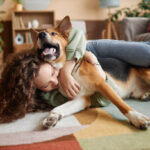
Practical Tips for Effective Dog Care in Apartment
Caring for a dog in an apartment presents a unique set of physiological and psychological challenges. Beyond simple space limitations, high-density urban...
Read Guide
The Essential Guide on How to Care for a Dog at Home: Practical Tips for Beginners
Executive Summary: Professional protocols for How to Care for a Dog at Home are predicated on Systemic Stewardship Implementation and Biological Operations....
Read Guide
Dog Care for Beginners: Essential Tips for First-Time Dog Owners
Executive Summary: Professional Dog Care for Beginners focuses on the maintenance of Somatic Equilibrium through Circadian Syncing and Metabolic Governance. This protocol...
Read Guide
How to Care for a Dog at Home: Complete Guide for Beginners
Executive Summary: Professional protocols for How to Care for a Dog at Home are predicated on Systemic Stewardship Implementation and Biological Operations....
Read Guide“`