Sensory Games Stimulate Your Dog’s Senses

Sensory Games

Dogs experience the world through their senses, and keeping them mentally stimulated is essential for their well-being. Sensory games are interactive activities designed to engage your dog’s smell, sight, touch, and hearing, helping them explore, learn, and stay active at home. Unlike regular play, these games focus on enrichment and problem-solving, providing both mental and emotional benefits. Whether it’s a simple scent trail, a tactile puzzle, or a sound-based challenge, sensory games offer safe, beginner-friendly ways to keep dogs entertained and confident. By incorporating these activities into daily routines, you can support your dog’s cognitive development and strengthen the bond you share.

What Are Sensory Games for Dogs?

Sensory games are activities designed to engage a dog’s senses and stimulate their mind. Unlike standard play, these games focus on touch, smell, sight, and hearing, helping dogs learn about their environment while keeping them mentally active. For dogs of all ages, sensory games can improve focus, attention, and overall well-being.

Definition and Purpose

Sensory games allow dogs to explore the world using their natural senses. These activities often involve:

  • Smelling: Encouraging dogs to follow scents or sniff hidden treats.
  • Touching: Exploring different textures, surfaces, or toys.
  • Seeing: Tracking moving objects or visually interesting items.
  • Hearing: Responding to sounds, such as bells, music, or rattles.

The primary goal is mental enrichment. When dogs use their senses, their brains remain active, reducing boredom and preventing destructive behaviors. Sensory games also strengthen the bond between dogs and their owners through shared, interactive play.

Benefits of Sensory Games

Incorporating sensory games into your dog’s daily routine can provide several advantages:

  • Cognitive stimulation: Helps develop problem-solving skills and memory.
  • Emotional well-being: Reduces anxiety and promotes calm behavior.
  • Physical activity: Some games involve movement, balancing mental and physical exercise.
  • Confidence building: Especially helpful for puppies or shy dogs to explore safely.

Regular sensory play supports overall health, keeping dogs engaged, happy, and mentally agile.

Types of Sensory Stimulation

Different games target specific senses. Some examples include:

  • Scent-based games: Hide treats for your dog to find.
  • Visual tracking games: Use toys that move or change position.
  • Tactile play: Introduce new textures, mats, or soft objects.
  • Auditory stimulation: Gentle music or sound toys to encourage listening skills.

By combining multiple senses in one activity, you can create rich, engaging experiences for your dog. Over time, this leads to better focus, improved problem-solving skills, and a deeper bond with you.

Engaging Your Dog’s Nose: Scent-Based Games

Dog sniffing hidden treats during a scent-based sensory game at home

Dogs experience the world largely through their noses. Scent-based games take advantage of this natural ability, allowing dogs to explore, problem-solve, and stay mentally stimulated. These activities can be done at home using simple objects, making them safe, inexpensive, and highly effective. Engaging a dog’s sense of smell is not only fun, it also supports cognitive development and provides a constructive way to release energy.

How Scent-Based Games Work

Scent games are designed to challenge your dog’s sense of smell and encourage problem-solving. The basic idea is to hide an item, such as a treat, and let your dog locate it using their nose. Some key principles include:

  • Start simple: Use a single treat in an easy-to-find spot.
  • Increase difficulty gradually: Hide treats in more complex locations or under containers.
  • Observe your dog: Each dog has a unique approach to sniffing and searching, so pay attention to their preferences.

These games engage canine cognition because dogs must track, analyze, and decide how to reach the target scent. By practicing scent-based activities regularly, dogs improve focus and attention, and become more confident in their problem-solving abilities.

DIY Scent Games at Home

You don’t need professional tools to create effective scent games. Many items around the house can be used safely:

  • Muffin tin game: Place treats in some cups and cover all cups with tennis balls. Your dog will use their nose to find the hidden treats.
  • Cup shuffle: Hide a treat under one of three cups and shuffle them. Encourage your dog to find the correct cup.
  • Towel roll: Wrap a treat in a towel or small blanket. Your dog will unroll it, engaging their nose and paws.
  • Scent trail: Place small treats along a path in your home. Guide your dog to follow the trail from start to finish.

These DIY games allow for mental stimulation for dogs and can be adapted to your dog’s skill level. For puppies, start with very easy games and short sessions, gradually introducing more complexity as they gain confidence.

Safety Tips for Nose Work

While scent games are generally safe, there are a few precautions to keep in mind:

  • Choose safe treats: Avoid anything toxic or too small that could be a choking hazard.
  • Supervise play: Especially for puppies or dogs new to scent games.
  • Limit session length: Short sessions (5–10 minutes) are often enough to keep your dog engaged without fatigue.
  • Use non-slip surfaces: Prevent accidents when dogs get excited and move quickly.

By following these guidelines, you can ensure your dog benefits fully from scent-based enrichment activities while staying safe.

Benefits of Scent-Based Games

Engaging a dog’s nose has multiple advantages beyond simple entertainment:

  • Reduces boredom: Keeps dogs occupied, preventing destructive behavior.
  • Strengthens the bond: Shared scent games improve communication and understanding between dog and owner.
  • Supports mental health: Helps anxious or energetic dogs channel energy in a productive way.
  • Improves confidence: Dogs learn to rely on their senses and problem-solving skills.

Over time, dogs become more adept at following scent trails, improving their problem-solving activities and increasing overall mental agility. Incorporating these games into daily routines establishes an engagement routine that can positively affect behavior and well-being.

Tips for Making Scent Games Fun

  • Rotate games: Introduce different scents and hiding methods to keep games interesting.
  • Combine senses: Occasionally combine scent games with tactile or visual elements for richer experiences.
  • Reward consistently: Use positive reinforcement when your dog succeeds.
  • Observe preferences: Some dogs enjoy more challenging trails, while others prefer simpler scent detection.

By keeping sessions varied and enjoyable, scent-based games remain a reliable method of canine enrichment and a way to strengthen your bond with your dog.

Visual and Auditory Stimulation Games

Dog tracking a moving toy for a visual sensory game

Sensory games are not limited to a dog’s sense of smell. Their eyes and ears are equally important for understanding the world, and incorporating visual and auditory elements into play can significantly enhance mental stimulation. Visual and auditory sensory games help dogs improve focus, coordination, and problem-solving abilities while keeping them engaged at home. These activities are safe, simple to set up, and suitable for dogs of all ages.

Tracking Toys for Visual Engagement

Visual sensory games encourage dogs to follow moving objects, improving concentration and coordination. Simple ways to practice visual engagement include:

  • Chase toys: Roll or toss soft balls for your dog to track with their eyes.
  • Moving targets: Use fluttering ribbons or lightweight toys to create unpredictable movement.
  • Interactive objects: Shine a flashlight or gently move a toy across the floor to stimulate visual tracking.

These games enhance canine cognition and help dogs focus on tasks, making them an essential part of a balanced sensory games routine.

Sounds and Music for Dogs

Auditory stimulation adds another layer to sensory games. Dogs are highly responsive to sounds, and incorporating hearing into play can improve attention, recognition, and engagement. Examples of auditory sensory games include:

  • Noise recognition: Ring bells or shake containers of treats to signal play or reward.
  • Music sessions: Play calming music during indoor play to maintain interest while reducing stress.
  • Sound puzzles: Use toys that make noise when moved, encouraging dogs to listen carefully and locate treats.

These games support focus and attention while providing mental stimulation for dogs, making auditory sensory games a fun and valuable addition to daily routines.

Combining Sight and Sound

The most effective sensory games often combine visual and auditory elements, engaging multiple senses at once. Multi-sensory games challenge dogs to process information from different channels, enhancing mental agility and problem-solving skills. Ideas include:

  • Treat hunt with sound: Shake a treat container while hiding treats to engage both sight and hearing.
  • Obstacle courses with cues: Use gentle sounds to guide dogs through tunnels or soft obstacles.
  • Multi-sensory toys: Toys that light up or squeak when moved provide combined visual and auditory stimulation.

Combining senses in play maximizes the benefits of sensory games, keeping dogs alert, motivated, and confident in exploring their environment.

Benefits of Visual and Auditory Sensory Games

Regular visual and auditory sensory games offer several advantages:

  • Cognitive development: Dogs learn to process multiple signals and respond effectively.
  • Behavioral improvements: Stimulating games reduce boredom and stress-related behaviors such as chewing or excessive barking.
  • Confidence building: Dogs gain independence and curiosity through engaging their senses.
  • Bonding with owners: Shared sensory activities strengthen communication and trust.

By practicing a variety of visual and auditory sensory games, owners can create a well-rounded engagement routine that benefits both the dog’s mind and body.

Tips for Successful Visual and Auditory Sensory Games

  • Introduce gradually: Start with one sense before combining sight and sound.
  • Observe reactions: Adjust intensity if your dog is sensitive to loud noises or fast movements.
  • Rotate activities: Change toys and methods to maintain interest.
  • Short sessions: Limit play to five to ten minutes for maximum engagement without fatigue.

Incorporating these strategies into regular play ensures that visual and auditory sensory games remain stimulating, safe, and enjoyable, helping dogs stay active, focused, and mentally sharp.

Tactile Play and Touch Games

Dog exploring textured mat for tactile sensory enrichment at home

Tactile sensory games focus on a dog’s sense of touch, providing hands-on exploration and mental stimulation. Dogs interact with different textures, surfaces, and objects, which enhances their confidence, coordination, and overall engagement. Tactile play is especially valuable for puppies and shy dogs, helping them become more comfortable with new experiences while promoting calm and focus. These games are simple to implement at home using safe household items or specially designed tactile toys.

Toys for Tactile Exploration

Engaging your dog in tactile sensory games begins with objects they can touch, manipulate, or investigate. Some examples include:

  • Textured mats or rugs: Allow dogs to explore different surfaces under their paws.
  • Soft plush toys: Encourage gentle chewing, pawing, and grabbing.
  • Crinkle or squeaky toys: Combine sound and texture to increase engagement.

These items help stimulate canine cognition by encouraging problem-solving and exploration, making tactile sensory games an effective mental exercise.

DIY Textured Games

You can create tactile games at home using everyday items safely:

  • Towel or blanket roll: Hide treats inside towels for your dog to unroll using paws and nose.
  • Box exploration: Place toys or treats in boxes of different sizes for your dog to open or investigate.
  • Bottle challenge: Empty plastic bottles with treats inside can be rolled and pawed for rewards.

These DIY tactile sensory games are inexpensive and customizable, allowing dogs to learn through safe hands-on interaction while staying mentally stimulated.

Benefits of Tactile Sensory Games

Regular tactile play offers several benefits for dogs:

  • Mental stimulation: Encourages problem-solving and focus.
  • Stress relief: Provides a calming activity, especially for anxious dogs.
  • Confidence building: Helps puppies and shy dogs explore safely.
  • Physical coordination: Manipulating objects strengthens paw control and body awareness.

Incorporating tactile sensory games into daily routines supports a well-rounded engagement routine, keeping dogs active, alert, and confident.

Combining Tactile Play with Other Senses

Tactile games can be combined with smell, sight, or sound to enhance the overall sensory experience:

  • Treat hunt in textured areas: Hide treats under rugs or textured mats.
  • Interactive toys with sound: Crinkle or squeak toys add auditory stimulation to tactile play.
  • Obstacle courses: Incorporate soft surfaces, tunnels, and ramps to engage touch alongside movement.

By combining tactile elements with other senses, these sensory games provide a more immersive experience, helping dogs develop better focus and attention while making playtime more enjoyable.

Tips for Safe and Effective Tactile Play

  • Choose safe materials: Avoid items with sharp edges or small parts that could be swallowed.
  • Supervise play: Especially for puppies or dogs new to tactile exploration.
  • Short, frequent sessions: Five to ten minutes is usually enough to maintain interest.
  • Observe preferences: Some dogs enjoy more challenging textures, while others prefer soft or familiar surfaces.

Through regular tactile sensory games, dogs gain mental stimulation, confidence, and physical coordination, all while strengthening their bond with their owner. These hands-on activities are an essential part of a complete sensory enrichment routine.

Mental Exercise Through Problem-Solving Games

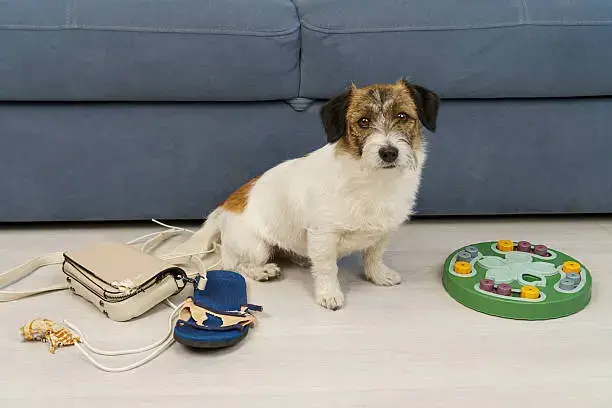
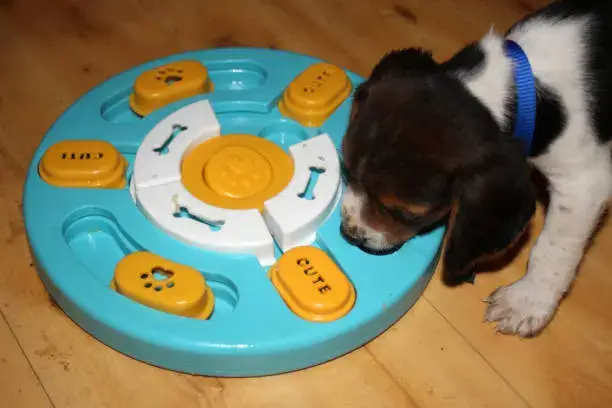
Dog solving a puzzle feeder during a sensory enrichment game

Problem-solving activities are a key component of sensory games. These exercises engage a dog’s mind, challenge their cognitive abilities, and encourage independent thinking. Dogs of all ages benefit from mental stimulation, which helps reduce boredom, anxiety, and destructive behaviors. Problem-solving sensory games can be done at home using simple toys or household items, making them accessible and safe for everyday practice.

Puzzle Feeders and Brain Games

One of the most effective ways to provide mental stimulation is through puzzle feeders and brain games. These activities require dogs to think critically to access a reward. Examples include:

  • Puzzle feeders: Dogs must figure out how to move pieces or open compartments to reach hidden treats.
  • Treat-dispensing toys: Rolling or manipulating toys that release food when solved.
  • Hide-and-seek with treats: Hiding treats around a room encourages problem-solving and exploration.

Puzzle-based sensory games not only provide mental exercise but also reinforce patience and focus, helping dogs develop stronger canine cognition.

Training-Based Problem Solving

Another approach to mental exercise is using basic training commands as part of sensory games. Combining obedience with problem-solving engages the dog’s brain and strengthens your bond:

  • Command sequences: Teach dogs to complete multiple commands in a row before receiving a treat.
  • Interactive play with cues: Encourage dogs to navigate small obstacle courses using verbal or visual instructions.
  • Object identification: Train dogs to identify specific toys or items by name and retrieve them.

These training-based problem-solving games integrate focus and attention into everyday play, making mental stimulation a natural part of a dog’s routine.

Benefits of Mental Problem-Solving

Regular mental exercise through sensory games provides several advantages:

  • Cognitive development: Enhances problem-solving skills, memory, and reasoning.
  • Behavioral improvement: Reduces destructive habits caused by boredom or under-stimulation.
  • Emotional well-being: Encourages positive behaviors and builds confidence in puppies and shy dogs.
  • Engagement and focus: Keeps dogs alert, motivated, and mentally active during playtime.

By including problem-solving activities in a dog’s daily routine, owners create a balanced engagement routine that combines physical and mental stimulation.

Combining Mental Games with Other Senses

To maximize the benefits of problem-solving sensory games, consider integrating multiple senses:

  • Scent-based puzzles: Hide treats that dogs must sniff out before solving the puzzle.
  • Tactile problem-solving: Use textured mats or objects that require manipulation to access a reward.
  • Visual challenges: Use cups or containers that dogs must choose based on observation cues.

Combining senses encourages comprehensive cognitive development while keeping dogs engaged for longer periods.

Tips for Effective Problem-Solving Games

  • Start simple: Introduce basic puzzles before moving to complex challenges.
  • Observe your dog: Adapt the game to their skill level and pace.
  • Short, consistent sessions: Five to ten minutes per session keeps dogs motivated without fatigue.
  • Reward and praise: Positive reinforcement encourages continued interest and effort.

By practicing problem-solving sensory games regularly, dogs enhance their cognitive skills, improve focus, and gain confidence in a safe and stimulating environment. These games are a cornerstone of a complete at-home sensory enrichment routine.

Creating a Daily Sensory Routine

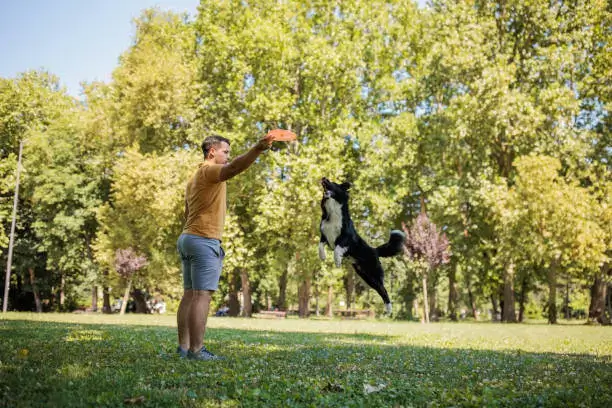
Owner playing multiple sensory games with dog as part of a daily routine

Establishing a consistent routine for sensory games is essential for keeping dogs mentally stimulated and engaged. Regular practice helps dogs anticipate activities, reinforces learning, and provides a structured outlet for their energy. A daily sensory routine can include a combination of smell, sight, touch, and problem-solving exercises, all adapted to your dog’s preferences and skill level. By integrating sensory games into daily life, owners can promote both mental and emotional well-being.

Scheduling Short Play Sessions

Short, frequent sessions are often more effective than longer, infrequent ones. Aim for multiple five to ten-minute sessions throughout the day. Ideas include:

  • Morning session: A quick scent-based game to wake up the mind.
  • Afternoon session: A tactile or visual activity to break up the day.
  • Evening session: A problem-solving or puzzle game to wind down before bedtime.

By maintaining consistent timing, dogs learn to expect and enjoy their sensory games, which enhances focus and engagement. This structured approach also contributes to a calm and predictable routine.

Mixing Different Sensory Games

Variety is key to preventing boredom. Rotate different types of sensory games to engage multiple senses and keep your dog interested:

  • Scent games: Hide treats around the house for sniffing challenges.
  • Visual games: Use moving toys or flashlights for tracking exercises.
  • Tactile games: Introduce textured mats or soft objects to explore.
  • Problem-solving games: Puzzle feeders or interactive training activities.

Rotating activities encourages canine cognition and keeps your dog mentally agile. Combining sensory challenges also helps build confidence and strengthens the bond between dog and owner.

Observing Your Dog’s Preferences

Each dog responds differently to various sensory activities. Some may prefer tactile games, while others excel in scent-based challenges. Pay attention to signs of engagement, frustration, or fatigue:

  • Engaged: Tail wagging, focused attention, active participation.
  • Frustrated: Pawing at objects without success, whining, or avoidance.
  • Fatigued: Slower movements or disinterest.

Adjust the intensity, duration, or type of sensory games based on your dog’s reactions. Observing and adapting ensures that sessions remain enjoyable and effective.

Combining Sensory Games with Daily Life

Incorporating sensory games into everyday routines maximizes their benefits. Simple ideas include:

  • Adding a short scent-based game before mealtime.
  • Encouraging tactile play during breaks in work-from-home sessions.
  • Using problem-solving activities as part of crate or downtime.

By making sensory games part of daily life rather than isolated events, dogs experience continuous mental stimulation, helping prevent boredom and supporting emotional well-being.

Tips for a Successful Daily Routine

  • Keep sessions short and consistent: Multiple brief sessions are more effective than long, infrequent play.
  • Balance senses: Include games targeting smell, touch, sight, and problem-solving.
  • Reward success: Positive reinforcement strengthens learning and motivation.
  • Observe progress: Track your dog’s improvement and adjust difficulty accordingly.

Creating a daily routine of sensory games ensures dogs receive consistent mental stimulation, promotes healthy behavior, and provides a structured way to incorporate enrichment into daily life. Regular practice enhances engagement routines, cognitive abilities, and the overall bond between dog and owner.

Frequently Asked Questions (FAQs)

Sensory games often raise practical questions for dog owners, especially beginners. Here are 8–10 common FAQs with clear answers:

How often should I play sensory games with my dog?

Short sessions 2–3 times a day are usually sufficient. Five to ten minutes per session keeps your dog engaged without fatigue.

Can puppies do sensory games safely?

Yes. Start with simple, low-risk activities like scent games or soft tactile play. Avoid small objects that could be swallowed.

What household items can I use for sensory games?

Common items like towels, boxes, soft toys, and balls work well. You can also repurpose containers for puzzle or tactile games.

Do sensory games replace walks and physical exercise?

No. Sensory games complement physical exercise. Combine mental and physical activities for a balanced routine.

How do I know if my dog enjoys a sensory game?

Signs of engagement include tail wagging, focused attention, and active participation. If your dog seems frustrated or bored, adjust the activity.

Can sensory games reduce destructive behavior?

Yes. Mental stimulation from sensory games can help prevent boredom-related behaviors such as chewing, barking, or digging.

How do I combine multiple senses in one game?

For example, hide treats (smell) in textured mats (touch) or moving cups (sight). This multi-sensory approach enhances engagement and mental development.

How do I progress difficulty in sensory games?

Gradually increase challenges. Use more complex hiding spots, puzzle toys, or combine multiple senses in one activity.

Is supervision necessary during sensory games?

Supervision is recommended, especially for puppies or when introducing new toys or DIY setups.

Conclusion & Resources

Sensory games provide a safe, effective, and engaging way to stimulate your dog’s mind at home. They combine touch, sight, smell, and hearing, supporting canine cognition, confidence, and emotional well-being. Regular practice of sensory games can reduce boredom, improve problem-solving skills, and strengthen the bond between dog and owner.

For more tools, ideas, and detailed instructions, check out this comprehensive guide on Toys and Enrichment Tools at Home for Dogs. It includes safe, beginner-friendly activities that complement sensory games and help create a well-rounded enrichment routine.

Remember: the key to effective sensory games is variety, consistency, and observing your dog’s preferences. By integrating these activities into daily life, you provide mental stimulation, build confidence, and create enjoyable play experiences that support your dog’s overall health and happiness.

For additional guidance on dog enrichment and safe play activities, the American Kennel Club (AKC) provides expert advice on mental stimulation and interactive games for dogs. You can explore their resources here: AKC: Mental Stimulation Games for Dogs.


Leave a Reply

Your email address will not be published. Required fields are marked *