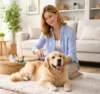
Strategic grooming tools selection is more than a cosmetic choice—nurturing the coat is a primary form of preventative healthcare. By choosing tools tailored to your dog’s unique biological needs, you stimulate dermal circulation, manage thermal regulation through shedding control, and catch potential skin anomalies early.
This guide provides a professional framework to help you navigate the vast market of brushes, combs, and specialized accessories, ensuring a stress-free experience for both you and your companion.
Essential Seasonal Grooming Tips for Every Dog →
The Science of Coat-Specific Selection
Effective grooming begins with a dermatological understanding of your dog’s hair follicle structure and skin sensitivity.
1. High-Maintenance: Long-Haired Coats
Longer fibers are prone to mechanical breakage and painful matting. The selection focus here is on “Glide and Separation.”
- Slicker Brushes: Choose ergonomic handles to prevent wrist fatigue during long sessions.
- Pin Brushes: Look for rounded, polished tips to protect the delicate epidermis.
- Fine-Toothed Combs: Essential for “High-Friction” zones (ears, armpits, tail).
2. Low-Profile: Short-Haired Coats
Short coats require “Stimulation and Polish.” Since the skin is more exposed, tools must be exceptionally gentle.
- Bristle Brushes: Ideal for distributing natural sebum (oils) to create a natural shine.
- Rubber Grooming Gloves: Excellent for anxious dogs; it mimics the sensation of petting while capturing loose dander.
3. Complex: Double-Coated Breeds
Double coats require a multi-layered tool kit to manage the dense insulation layer (undercoat) without damaging the protective topcoat.
- Undercoat Rakes: Designed to bypass the guard hairs and extract loose undercoat fibers.
- De-matting Splitters: Use these specifically for stubborn tangles to avoid full-coat clipping.
Strategic Warning: Never shave a double-coated breed unless medically necessary, as it permanently disrupts their natural thermal regulation.
Advanced Tool Breakdown
Slicker Efficiency
The “workhorse” of grooming. Best for removing debris and surface tangles across most medium-to-long breeds.
Mat Splitter Precision
A surgical approach to tangles. These tools cut through the knot without pulling on the sensitive skin base.
Curry Brush Massage
Rubber-based tools that excel in the bath, lifting dirt and loose hair while massaging the muscle tissue.
Precision Trimming & Hygiene Tools
Beyond surface brushing, grooming tools selection must account for structural maintenance. For breeds requiring consistent haircuts, the choice of clippers impacts both the finish quality and the dog’s psychological comfort.
1. Clippers: Performance vs. Comfort
The modern market offers “Smart” clippers with advanced cooling technology to prevent blade-burn, a common issue in long grooming sessions.
- Professional Electric Clippers: Best for thick, double-coated, or matted fur. Look for Variable Speed settings to handle different body zones.
- Ultra-Quiet Cordless Trimmers: Essential for noise-sensitive dogs or trimming delicate areas like paws and faces. Low-vibration motors reduce “grooming anxiety.”
- Thermal-Monitoring Blades: Professional-grade blades that stay cool longer, protecting the sensitive epidermis from heat irritation.
Nail Care: Safety & Orthopedic Impact
Overgrown nails shift a dog’s weight backward, causing compensatory joint strain. Proper selection of nail tools is an investment in your dog’s mobility.
Guillotine & Scissor Trimmers
Classic mechanical tools. Use Guillotine-style for powerful leverage on thick nails, and Scissor-style for precision on small breeds or dewclaws.
Electric Nail Grinders
The “Safety First” choice. Grinders allow for gradual shortening, significantly reducing the risk of cutting the Quick (nerve and blood vessel).
Supplementary Hygiene Essentials
A complete grooming kit includes chemical and mechanical accessories that enhance the efficiency of your hardware tools.
- 🧼 Detangling Sprays: Acts as a “lubricant” for brushes, reducing friction and preventing hair breakage during deep grooming.
- 👂 Aural Health Solutions: Specialized ear cleaners with drying agents to prevent moisture buildup and subsequent yeast infections.
- 🌬️ High-Velocity Dryers: Essential for double-coated breeds to ensure the undercoat is 100% dry, preventing “Hot Spots” and skin dampness.
The Compatibility Guide: Matching Tools to Coat Types
Strategic grooming tools selection is not one-size-fits-all. Using an aggressive undercoat rake on a single-coated breed can lead to skin irritation, while a soft bristle brush will fail to penetrate a thick Husky coat.
| Coat Type | Key Strategy | Must-Have Tool |
|---|---|---|
| Long & Silky | Sectional detangling | Pin Brush + Steel Comb |
| Short & Smooth | Sebum distribution | Rubber Curry Glove |
| Double Coated | Undercoat extraction | Undercoat Rake (Blunted) |
Long Hair Best Practices
- Brush from head to tail in small, manageable sections.
- Use a detangling spray to minimize “pull” stress on follicles.
- Always finish with a fine comb to check for hidden mats behind ears.
Short Hair Maintenance
- Focus on “polishing” the coat to enhance natural shine.
- Grooming gloves provide tactile bonding and desensitization.
- Weekly sessions are sufficient to control indoor dander levels.
Tool Longevity & Clinical Hygiene
The efficacy of your grooming tools selection lasts only as long as the tools are maintained. Bacteria and skin oils can accumulate on bristles, leading to localized dermatitis if not addressed.
Hardware Disinfection
Wash brushes with pet-safe antiseptic soap monthly. Ensure they are 100% dry before storage to prevent rust and fungal growth on wooden handles.
Blade Integrity
Monitor clippers for heat. If blades feel hot to the touch, stop immediately. Use cooling sprays and oil blades every 15 minutes of continuous use.
Mastered the Tools?
Now that you have the right gear, apply it to a consistent schedule.
Curating Your Seasonal Grooming Kit
Strategic grooming tools selection requires flexibility. A kit that works in the humid summer may need specialized additions to combat the dry, static-prone air of winter.
❄️ Winter Essentials
Focus on hydration. Add oatmeal-based conditioners and anti-static sprays to your kit to prevent brittle hair breakage and soothe dry, itchy skin.
☀️ Summer Essentials
Focus on cooling and allergens. Include hypoallergenic wipes for pollen removal and cooling dermal sprays to protect against high-heat irritation.
The “Golden Standard” Daily Routine

Consistency is the secret to professional-grade results. A structured routine reduces the time spent on “emergency” detangling and keeps the coat in a constant state of health.
🌅 AM: Surface Maintenance
- Rapid Bristle Pass: Remove loose overnight hair and dander.
- Sensory Spot Check: Quickly feel for new tangles or skin hot-spots.
- Reinforcement: Use a grooming glove to bond and desensitize before the day starts.
🌙 PM: Deep Recovery
- Targeted Combing: Focus on high-friction areas (armpits, collar line).
- Nail & Paw Inspection: Check for outdoor debris wedged between pads.
- Final Polish: A thorough session to stimulate blood flow and relaxation before sleep.
Expert Troubleshooting & FAQ
Even with a premium grooming tools selection, practical challenges can arise. Below are the most common queries from pet parents regarding tool efficiency and maintenance.
Q1: How do I definitively choose the best brush for my dog?
The rule of thumb is texture over appearance. Long-haired breeds require the penetration of Slicker or Pin brushes to reach the skin, while short-haired breeds need the surface-polishing capabilities of Bristle brushes or Rubber gloves.
Q2: How often should clipper blades realistically be replaced?
For home use, blades should be sharpened or replaced every 6–12 months, depending on usage frequency. However, if you feel any “tugging” or if the blade heats up within minutes, it is a clinical sign that the metal is dull and needs immediate attention.
Q3: When is it time to put down the tools and call a professional?
If you encounter Pelting (mats that are tight against the skin), severe skin redness, or if your dog shows signs of extreme distress/aggression. In these cases, professional equipment and sedation-free techniques are required to ensure safety.
Ultimate Daily Grooming Checklist
Maintain peak coat health with this 3-step daily hardware check.
☀️ Morning (5 min)
- Light bristle pass for dander.
- Inspect “friction zones” for mats.
- Quick glove massage for bonding.
🌤️ Post-Walk
- Wipe paws to remove allergens.
- Spot-brush outdoor debris.
- Check ears for hitchhiking seeds.
🌙 Evening (10 min)
- Deep combing on undercoat.
- Nail length inspection.
- Tool cleaning & oiling.
“Smart grooming tools selection is the bridge between basic care and elite pet wellness.”
Strategic Pillars for Effective Tool Selection
- ★ Invest in Quality over Quantity: High-grade stainless steel pins and ergonomic grips prevent micro-tears in the skin and reduce “Groomer’s Cramp” for the owner.
- ★ Desensitization Protocol: Introduce vibration-heavy tools (clippers/grinders) gradually using high-value treats to build a positive psychological association.
- ★ Environmental Management: During heavy shedding seasons, grooming outdoors or on a dedicated non-slip mat makes cleanup efficient and safer for the pet.
Mastering Your Grooming Toolkit: Recap
Match tools to the biological density and length of the coat.
Include clippers, nail grinders, and ear health tools in your kit.
Disinfect and oil hardware to ensure mechanical safety.
Final Verdict: The Path to Professional Home Care
Effective grooming tools selection is the cornerstone of preventative pet healthcare. By moving beyond generic brushes and investing in a specialized, coat-aligned toolkit, you mitigate the risk of dermatological issues, joint strain from overgrown nails, and the psychological stress often associated with maintenance.
Remember, your grooming routine is a dynamic process. As seasons shift and your dog ages, your tools must adapt. Through consistent maintenance of your equipment and a focus on positive reinforcement, you don’t just maintain a shiny coat—you foster a deeper, more trustful bond with your companion.
Find More Dog Care Guides
Continue exploring practical guides related to this topic.