

Maintaining a healthy, shiny coat is not just about aesthetics—it’s crucial for your dog’s overall well-being. Regular Coat Maintenance ensures your pet stays comfortable, reduces shedding, and prevents tangles, mats, and skin issues. Weekly care routines are particularly important, helping dog owners stay on top of grooming without feeling overwhelmed. Whether your dog has short, medium, or long hair, adopting structured strategies makes coat care stress-free and effective.
Many pet owners struggle with keeping up with shedding, tangles, and hair accumulation at home. Without a consistent routine, mats can form, hair spreads across floors and furniture, and grooming becomes a tedious chore. Implementing essential Coat Maintenance practices not only keeps your pet’s fur healthy but also simplifies cleaning and enhances comfort for both you and your dog.
For a deeper understanding of shedding and how it affects home cleaning, check Dog Shedding at Home Basics.
Understanding Your Dog’s Coat Type
Not all dogs have the same grooming needs. Knowing your dog’s coat type is essential to selecting the right tools and developing an effective weekly Coat Maintenance routine.
Short-Haired Breeds
Short-haired dogs generally require less intensive grooming, but regular care is still necessary to maintain a healthy coat.
- Benefits of Weekly Brushing:
- Removes loose surface hair before it spreads.
- Stimulates natural oils for a shiny coat.
- Minimizes allergens in the home.
- Reducing Surface Hair Accumulation:
- Use a soft-bristle brush or grooming mitt.
- Brush in the direction of hair growth to prevent irritation.
- Focus on areas prone to shedding, such as the back, chest, and tail.
Tip Highlight: Even short-haired dogs benefit from 5–10 minutes of brushing per session to prevent hair build-up.
Medium-Haired Breeds
Medium-haired breeds need more frequent grooming to prevent tangles and maintain skin health.
- Managing Tangles and Knots:
- Brush 2–3 times per week, paying attention to undercoat areas.
- Use a comb or slicker brush for stubborn tangles.
- Seasonal Adjustments:
- Increase grooming during shedding season to prevent hair accumulation indoors.
- Focus on high-friction areas like behind the ears and under the legs.
Mini Case Study: Bella, a Cocker Spaniel, saw reduced tangling and healthier skin after adopting a twice-weekly brushing schedule combined with monthly baths.
Long-Haired Breeds
Long-haired breeds require the most intensive weekly care to prevent mats, split ends, and tangles.
- Preventing Mats and Splits:
- Brush daily during peak shedding or long coat growth periods.
- Use detangling sprays if necessary for stubborn knots.
- Tools for Detangling:
- Slicker brushes and wide-tooth combs work best.
- Focus on areas prone to matting such as the ears, tail, and underbelly.
Tip Highlight: Start grooming from the pet’s head and work your way down the body, section by section, to ensure full coverage.
Essential Tools for Weekly Coat Care

The right tools are crucial for efficient Coat Maintenance. Using proper brushes, combs, and grooming accessories reduces effort and stress for both pet and owner.
Brushes and Combs
- Slicker Brushes: Remove loose hair, dirt, and debris effectively.
- Undercoat Rakes: Ideal for dogs with dense double coats to remove dead hair without damaging the topcoat.
- Pin Brushes: Gentle for long-haired dogs and help smooth the coat.
Tip Highlight: Clean brushes after each session to maintain effectiveness and hygiene.
Grooming Gloves and Mitts
- Collect loose hair while providing a gentle massage.
- Reduce stress for pets who dislike traditional brushing.
- Effective for short-haired breeds and sensitive areas.
Mini Example: Max, a Labrador Retriever, tolerated grooming better when his owner switched from a traditional brush to a grooming glove, making weekly maintenance faster and easier.
Bathing Supplies
- Dog-Specific Shampoos: Maintain natural oils and coat shine.
- Conditioners: Particularly useful for long-haired dogs to prevent tangling.
- Bathing Accessories: Non-slip mats, rinse cups, and towels streamline the process.
Tip Highlight: Never over-bathe; weekly brushing combined with monthly or bi-monthly baths is usually sufficient unless your pet gets very dirty.
Weekly Coat Maintenance Routine
A structured weekly routine ensures Coat Maintenance is manageable and effective.
Step-by-Step Brushing Routine
- Start with high-shed areas: tail, back, and underbelly.
- Move from head to tail in sections to ensure full coverage.
- Use appropriate brushes for coat type, and be gentle around sensitive areas.
Tip Highlight: Consistent weekly brushing reduces mat formation and helps identify skin problems early.
Bathing and Drying Tips
- Frequency: Short-haired dogs often need less frequent baths than long-haired breeds.
- Water Temperature: Lukewarm water prevents discomfort.
- Drying: Use towels first, then a pet-friendly blow dryer if needed.
Mini Case Study: Lucy, a Golden Retriever, had significantly fewer tangles and a shinier coat after adopting a weekly brushing and bathing schedule with careful drying.
Checking Skin Health
Weekly grooming is the perfect opportunity to inspect your dog’s skin for issues:
- Irritations: Redness, bumps, or rashes.
- Parasites: Fleas, ticks, or mites.
- Dryness or Hot Spots: Moisturize or consult a vet if necessary.
Tip Highlight: Early detection of skin problems prevents more serious health issues and ensures your dog’s comfort.
Managing Shedding and Hair Accumulation
Weekly Coat Maintenance reduces shedding and hair accumulation, keeping your home cleaner.
Seasonal Shedding Tips
- Increase grooming frequency during spring and fall for double-coated breeds.
- Use undercoat rakes to remove dead hair before it spreads indoors.
Hair Removal from Furniture and Clothes
- Lint rollers and pet hair brushes efficiently remove hair from upholstery.
- Vacuum attachments for pet hair help maintain carpets and rugs.
Home Hygiene Practices
- Wash bedding and blankets weekly.
- Use HEPA air purifiers to capture airborne hair and dander.
Specialized Care for Sensitive or Problem Coats
Some dogs need extra attention to maintain coat health.
- Sensitive Skin: Hypoallergenic shampoos and gentle brushing reduce irritation.
- Prone to Matting: Detangling sprays and daily spot brushing prevent stubborn mats.
- Older Dogs or Health Issues: Monitor for thinning or patchy fur and consult a veterinarian if needed.
Tip Highlight: Adapting your routine to your dog’s specific needs ensures effective coat maintenance without causing stress.
Incorporating Coat Maintenance into Daily Life
Even weekly routines benefit from daily touch-ups.
- Quick Daily Brushing: 5–10 minutes per session, focusing on areas prone to tangles or shedding.
- Spot Cleaning: Use grooming mitts or lint rollers on clothing, furniture, and bedding.
- Monitoring Health Indicators: Look for redness, irritation, or signs of parasites.
Mini Example: Sam, owner of a Beagle, reduced hair accumulation by combining a 10-minute daily brushing with a thorough weekly grooming session.
Seasonal Adjustments to Coat Care
Adjusting Coat Maintenance routines according to the season keeps your dog comfortable and fur under control.
- Spring and Fall: Heavy shedding requires more frequent brushing and undercoat removal.
- Summer: Light brushing prevents overheating; protect skin from sun exposure.
- Winter: Moisturize skin to prevent dryness; maintain warmth without overheating.
Tip Highlight: Seasonal adjustments make weekly grooming more effective and prevent long-term coat issues.
Tools and Tips for a Stress-Free Grooming Session
- Preparing Your Pet: Create a calm environment and offer treats to encourage positive associations.
- Efficient Brushing Techniques: Work in sections, avoid pulling, and use appropriate brushes for coat type.
- Bathing Without Stress: Use lukewarm water and gentle dog-specific products.
- Quick Daily Maintenance: Spot brushing and surface wipe-downs prevent tangles and hair spread.
Tip Highlight: Making grooming a positive and predictable routine reduces stress for both pet and owner.
Advanced Coat Maintenance Techniques for a Healthy Dog

Maintaining your dog’s coat is more than just a weekly brushing session—it requires understanding advanced Coat Maintenance strategies that keep fur healthy, prevent mats, and reduce shedding. With the right techniques and tools, owners can manage even high-maintenance coats efficiently.
Advanced coat care combines proper brushing, conditioning, seasonal adjustments, and targeted interventions for problem areas. These methods make grooming more effective while keeping your dog comfortable and stress-free.
Brushing Beyond the Basics
Targeting Undercoat and Dense Fur
- Use undercoat rakes for double-coated breeds to remove loose hair hidden beneath the topcoat.
- Focus on areas where hair tends to accumulate: under the neck, behind the ears, and around the tail.
- Brushing slowly and methodically ensures every section of the coat is addressed.
Mini Tip: Even a short weekly session focusing on high-density areas significantly reduces indoor hair accumulation.
Specialized Tools
- Deshedding Tools: Help remove dead hair without damaging the topcoat.
- Slicker Brushes: Reach deep layers of hair for medium and long-haired dogs.
- Combination Combs: Effective for detangling and smoothing the coat simultaneously.
Conditioning and Coat Health
Regular grooming should include coat conditioning to maintain shine, softness, and elasticity.
Shampoos and Conditioners
- Use dog-specific products that maintain natural oils.
- Conditioners are particularly useful for long-haired or curly-coated breeds.
- Avoid harsh human shampoos that strip oils and cause dryness.
Drying Techniques
- Towel dry first to remove excess water.
- Use a pet-friendly blow dryer at low heat to prevent burning or stress.
- Brush gently while drying to prevent tangles.
Tip Highlight: Conditioners not only soften the coat but also reduce static, making weekly brushing more efficient.
Spot Grooming for Problem Areas
Some areas require more attention during Coat Maintenance.
Ears, Paws, and Tail
- Trim excess fur around paw pads to prevent mats.
- Regularly check ears for tangles and debris.
- Tail fur may require extra brushing to prevent knotting.
Mini Case Study: Daisy, a Shih Tzu, avoided painful matting and skin irritation after her owner focused on weekly spot grooming in high-risk areas.
Managing Seasonal Shedding
Shedding intensity varies with the seasons, making Coat Maintenance dynamic rather than static.
Spring and Fall
- Heavy shedding requires more frequent brushing.
- Use undercoat rakes and de-shedding tools to remove excess fur.
Summer
- Brushing frequency can be slightly reduced for short-haired breeds.
- Ensure pets stay cool, and avoid stressing the coat with over-bathing.
Winter
- Use moisturizing conditioners to prevent dry skin and brittle fur.
- Focus on brushing areas prone to static, such as back and sides.
Tip Highlight: Monitoring seasonal changes allows proactive adjustments, reducing hair accumulation indoors.
Grooming Tools Maintenance
Proper care of grooming tools is essential for effective Coat Maintenance.
Cleaning Brushes and Combs
- Remove accumulated hair after every session.
- Wash or disinfect tools monthly to prevent bacteria build-up.
- Check for broken bristles or damaged comb teeth and replace as needed.
Storing Tools Properly
- Keep brushes and combs in a dedicated grooming kit.
- Avoid storing in damp or dusty areas.
Mini Tip: Well-maintained tools work more efficiently, reduce grooming time, and prevent discomfort for your dog.
Advanced Bathing Techniques
Bathing is a crucial part of weekly coat care, especially for medium and long-haired breeds.
Step-by-Step Bathing Routine
- Brush your dog thoroughly before the bath to remove loose fur and tangles.
- Wet the coat with lukewarm water.
- Apply dog-specific shampoo and massage gently.
- Rinse thoroughly to prevent residue.
- Apply conditioner if needed, focusing on long or curly fur.
- Towel dry, followed by gentle blow drying.
Mini Case Study: Leo, a Golden Retriever, had softer, shinier fur and fewer mats after integrating a pre-bath brushing routine combined with a conditioner for long hair.
Skin Health Monitoring
Grooming sessions are an opportunity to check your dog’s skin. Regular Coat Maintenance prevents minor issues from escalating.
- Check for Irritation: Redness, bumps, or rashes.
- Monitor for Parasites: Fleas, ticks, or mites.
- Identify Dryness: Apply moisturizing sprays or oils if needed.
Tip Highlight: Early detection ensures timely interventions, preventing hair loss and discomfort.
Incorporating Technology into Coat Maintenance
Modern tools can streamline weekly grooming routines.
High-Efficiency Vacuums
- Remove shed hair from floors, furniture, and rugs.
- Use attachments to reach corners, stairs, and upholstery.
Robotic Vacuums
- Ideal for daily maintenance to keep hair under control between weekly grooming.
- Works best in combination with brushing and spot cleaning.
Air Filtration
- HEPA purifiers trap airborne hair and dander.
- Helps allergy-prone households maintain a healthier environment.
Mini Tip: Combining manual grooming with technology reduces time spent cleaning while keeping the home fur-free.
Grooming Multiple Pets
Homes with multiple dogs need strategic Coat Maintenance planning.
- Separate Grooming Kits: Avoid cross-contamination of hair and allergens.
- Stagger Grooming Sessions: Prevent pets from getting stressed during simultaneous grooming.
- Dedicated Zones: Restrict messy areas to make cleaning easier.
Mini Case Study: Sarah, owner of three dogs, implemented a staggered grooming schedule with color-coded brushes, significantly reducing indoor hair spread.
Hair Management for Furniture and Bedding
Weekly coat care should include hair removal from living spaces.
- Upholstery: Lint rollers, rubber squeegees, and vacuum attachments.
- Carpets: Brush or vacuum slowly, multiple angles, occasional steam cleaning.
- Bedding and Blankets: Wash weekly, use covers, and shake out outdoors.
Tip Highlight: Regular attention prevents hair from embedding deeply, making cleaning quicker and more efficient.
Clothing and Travel Space Care
Maintaining fur-free clothing and travel areas is part of advanced Coat Maintenance.
- Clothing: Lint rollers and dryer sheets reduce hair on everyday wear.
- Car Seats and Mats: Use washable covers and hand-held vacuums.
- Pre-Travel Grooming: Brushing before trips prevents hair accumulation in vehicles.
Mini Example: Tom, a Labrador owner, kept his car nearly hair-free by combining pre-trip grooming with seat covers and a portable vacuum.
DIY and Budget-Friendly Techniques
- Rubber Brooms: Excellent for hardwood or tile floors.
- Damp Microfiber Cloths: Quick hair removal from furniture.
- Sock Hack: Slightly dampened sock over the hand removes loose hair from couches and beds.
Tip Highlight: Combining DIY methods with professional tools maximizes efficiency while keeping costs low.
Key Takeaways
- Advanced Coat Maintenance strategies extend beyond weekly brushing, incorporating conditioning, seasonal adjustments, and targeted grooming.
- Maintaining grooming tools and monitoring skin health ensures your dog’s comfort and a healthy coat.
- Technology, multi-pet strategies, and home hair management reduce cleaning effort while keeping the environment comfortable.
- Combining manual grooming with vacuums, air purifiers, and DIY solutions ensures a stress-free weekly routine.
Daily and Stress-Free Coat Maintenance for Dogs
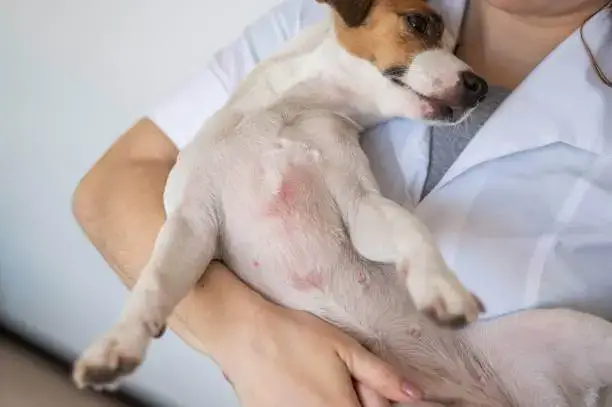
Maintaining your dog’s coat on a daily basis complements weekly grooming routines and ensures long-term health and comfort. Regular daily attention minimizes shedding, prevents tangles, and keeps your home clean. Effective Coat Maintenance combines daily touch-ups, stress-free grooming practices, and proactive monitoring of coat and skin health.
Even short daily grooming sessions of 5–10 minutes help maintain a shiny coat, reduce allergens, and reinforce a positive relationship between pet and owner. By integrating these practices into everyday life, managing a dog’s coat becomes manageable, stress-free, and efficient.
Quick Daily Brushing
Daily brushing is not always extensive but plays a critical role in overall Coat Maintenance.
- Target High-Shed Areas: Tail, back, under the neck, and belly.
- Short Sessions: 5–10 minutes per session is sufficient for most breeds.
- Appropriate Tools: Grooming mitts, soft-bristle brushes, or slicker brushes depending on coat type.
Tip Highlight: Even brief daily brushing sessions reduce the workload for weekly grooming and improve coat shine.
Spot Grooming for Tangles
Focusing on problem areas prevents mats from forming:
- Behind Ears: Brush gently to prevent knots.
- Under Legs: Remove trapped debris and loose hair.
- Around Collar: Check for matting caused by friction.
Mini Example: Bella, a Pomeranian, had fewer knots and less pain during grooming after her owner implemented a 5-minute daily spot grooming routine.
Stress-Free Bathing Techniques
Bathing can be stressful for some dogs, but integrating Coat Maintenance practices reduces anxiety.
- Preparation: Gather all tools before starting.
- Calm Environment: Speak softly and use treats to reinforce positive behavior.
- Water Temperature: Lukewarm water prevents discomfort.
- Gentle Products: Use dog-specific shampoos and conditioners.
Tip Highlight: Consistent routines and positive reinforcement make bath time more enjoyable and less stressful for pets.
Skin Health Monitoring Daily
Daily grooming sessions provide the opportunity to monitor your dog’s skin for early signs of issues:
- Check for Redness or Irritation: Especially in areas prone to friction or mats.
- Detect Parasites Early: Fleas, ticks, and mites can be spotted before infestations worsen.
- Moisturize Dry Areas: Use vet-approved sprays or oils if necessary.
Mini Tip: Early detection of problems ensures timely intervention, keeping coats healthy and reducing discomfort.
Home Hair Control
Daily Coat Maintenance extends to managing hair around your home:
- Furniture: Use lint rollers or pet hair brushes to remove loose fur.
- Clothing: Keep a small lint brush handy for quick touch-ups.
- Floors and Rugs: Sweep or vacuum high-traffic areas regularly.
Tip Highlight: Consistency is key—short daily sessions prevent hair from accumulating and becoming overwhelming.
Multi-Pet Household Strategies
Managing coats in homes with multiple dogs requires extra organization:
- Dedicated Grooming Kits: Prevents cross-contamination of hair and allergens.
- Staggered Grooming Sessions: Reduces stress on pets.
- Clean Zones: Limit hair spread to certain areas for easier cleaning.
Mini Case Study: Lisa, owner of three dogs, reduced household hair by establishing daily short grooming sessions for each dog and assigning cleaning zones in the house.
Seasonal Adjustments to Daily Maintenance
Daily grooming should adapt to seasonal changes for optimal Coat Maintenance:
- Spring/Fall: Increase brushing frequency due to heavy shedding.
- Summer: Light brushing to prevent overheating and maintain comfort.
- Winter: Moisturize dry skin, and focus on static-prone areas.
Tip Highlight: Seasonal adjustments reduce matting, maintain coat health, and make weekly grooming less demanding.
Travel and Vehicle Coat Management
Fur can accumulate quickly in cars and other travel spaces. Daily coat care helps maintain cleanliness during travel:
- Pre-Trip Brushing: Removes loose hair before entering the vehicle.
- Seat Covers: Machine-washable covers protect car interiors.
- Handheld Vacuum: Quick cleanups after trips prevent buildup.
Mini Example: Tom, owner of a Border Collie, reduced car fur significantly by brushing his dog before trips and using washable seat covers.
Budget-Friendly Daily Maintenance Hacks
- Rubber Gloves: Rub over upholstery or rugs to collect loose hair.
- Damp Microfiber Cloth: Quickly pick up surface fur.
- Slightly Damp Sock Hack: Use over your hand to swipe hair from couches or beds.
Tip Highlight: DIY methods combined with proper grooming tools maintain cleanliness without additional expense.
Nutrition and Coat Health
Proper nutrition enhances the effectiveness of Coat Maintenance:
- High-Quality Proteins: Support strong hair growth and reduce shedding.
- Omega Fatty Acids: Improve coat shine and skin hydration.
- Hydration: Adequate water intake keeps skin soft and fur healthy.
Mini Case Study: Rocky, a Labrador, had noticeably shinier fur and reduced shedding after switching to a diet rich in omega-3s and protein.
Daily Coat Care Checklist
Creating a daily checklist simplifies routine maintenance:
Morning:
- Quick brushing of high-shed areas.
- Spot check for tangles or mats.
- Remove loose hair from furniture.
Afternoon/Evening:
- Brief brushing session, especially for long-haired breeds.
- Check bedding for loose fur.
- Clean grooming tools and store properly.
Weekly:
- Deep brushing session and undercoat removal.
- Wash pet bedding and blankets.
- Evaluate skin health and coat condition.
Tip Highlight: Following a checklist ensures consistency and reduces time spent on intensive cleaning.
Frequently Asked Questions (FAQ)
- How often should I brush my dog’s coat?
- Varies by breed and coat type. Short-haired dogs: 2–3 times per week. Long-haired or double-coated dogs: daily brushing is recommended.
- Can I use human shampoos on my dog?
- No, human shampoos can strip natural oils, leading to dry skin and dull fur. Always use dog-specific products.
- What is the best way to remove tangles?
- Use a slicker brush or wide-tooth comb. Apply detangling sprays for stubborn knots and work gently from tips to roots.
- How do I prevent shedding indoors?
- Combine regular brushing, spot cleaning, washing pet bedding, and using vacuums or lint rollers.
- Are daily short sessions effective?
- Yes, even 5–10 minutes daily prevents hair buildup and keeps the coat manageable for weekly grooming.
Tip Highlight: Consistency matters more than session length; short daily touch-ups save time and effort overall.
Stress-Free Grooming Practices
Creating a positive grooming experience is essential for effective Coat Maintenance:
- Environment: Quiet, calm, and comfortable area.
- Positive Reinforcement: Treats, praise, and gentle handling encourage cooperation.
- Short Sessions: Avoid overwhelming your dog with long grooming periods.
- Routine: Establish predictable schedules to reduce anxiety.
Mini Example: Max, a Poodle, grew to enjoy grooming after his owner introduced short, treat-filled daily sessions, making weekly coat maintenance effortless.
Key Takeaways
- Daily touch-ups complement weekly Coat Maintenance, reducing shedding and preventing tangles.
- Stress-free grooming techniques improve pet cooperation and make sessions efficient.
- Seasonal and multi-pet adjustments enhance effectiveness.
- Combining grooming with nutrition, home care, and technology keeps dogs healthy and homes clean.
- Checklists and consistent routines streamline maintenance, saving time and effort.
Conclusion
Consistent and thoughtful Coat Maintenance is key to keeping your dog healthy, comfortable, and looking their best. By combining weekly grooming routines, daily touch-ups, proper nutrition, and the right tools, pet owners can significantly reduce shedding, prevent tangles and mats, and maintain a shiny, healthy coat.
Understanding your dog’s coat type, adapting techniques to seasonal changes, and using stress-free grooming practices ensures that each session is efficient and enjoyable for both pet and owner. Regular monitoring of skin health, combined with proactive hair management around the home, keeps environments clean and reduces allergens.
Integrating these practices into everyday life transforms coat care from a chore into a simple, manageable routine. Dogs benefit from healthier skin, reduced discomfort, and improved appearance, while owners enjoy a cleaner home and less time spent dealing with hair. With consistent Coat Maintenance, maintaining a beautiful, healthy coat becomes a stress-free and rewarding part of pet ownership.
