
Managing dog shedding at home can feel overwhelming, but it doesn’t have to be stressful. With the right strategies, you can keep your home clean and maintain your dog’s health. This guide provides practical tips for minimizing hair, handling seasonal changes, and making shedding management an easy, routine part of daily life.
Understanding Dog Shedding at Home and Why It Happens
Shedding is a natural process, but excessive hair around your home can be frustrating. Understanding the causes of dog shedding at home helps owners implement practical solutions and keep living spaces tidy.
How Breed and Coat Type Influence Dog Shedding at Home
Different dog breeds shed at varying rates. Short-haired breeds like Beagles tend to shed moderately, whereas long-haired breeds such as Huskies or Golden Retrievers shed heavily, especially during seasonal coat changes. Single, double, curly, or wiry coats influence how much hair ends up on furniture and floors.
Seasonal Patterns of Dog Shedding at Home
Dogs typically shed more in spring and fall to adjust their coats for temperature changes. During these periods, extra brushing and grooming are essential to reduce loose hair around the home. Recognizing seasonal shedding patterns helps owners plan effective grooming routines.
Health Considerations for Dog Shedding at Home
Excessive shedding can indicate underlying health issues like allergies, hormonal imbalances, or skin infections. Monitoring changes in hair loss patterns ensures early detection of health concerns. If shedding seems abnormal, consult a veterinarian to rule out medical problems.
Grooming Techniques to Reduce Dog Shedding at Home
Proper grooming is key to managing dog shedding at home effectively. A consistent routine reduces loose hair in your home and supports your dog’s skin and coat health.
Choosing the Right Brush for Dog Shedding at Home
The right brush depends on coat type. Slicker brushes are excellent for long-haired dogs, while bristle or rubber brushes work well for short-haired breeds. Double-coated dogs benefit from undercoat rakes to remove loose hair efficiently.
Bathing Tips to Control Dog Shedding at Home
Bathing helps remove loose hair and dirt. Use dog-specific shampoos and follow with a de-shedding tool while the coat is damp. Over-bathing can dry the skin and worsen shedding, so most dogs do well with baths every four to six weeks.
Professional Grooming for Dog Shedding at Home
Professional grooming sessions help control shedding by removing mats and dead hair that regular brushing may miss. Quarterly appointments for long-haired breeds maintain coat health and reduce hair accumulation in the home.
Learn more in our complete guide to dog care at home.
Nutrition and Supplements to Support Dog Shedding at Home
Diet plays a significant role in dog shedding at home. Proper nutrients support hair growth and strengthen follicles, making shedding more manageable.
Essential Nutrients to Reduce Dog Shedding at Home
Proteins, vitamins A, E, and biotin, and minerals like zinc and copper are essential for healthy hair. Nutritional deficiencies can lead to increased shedding and brittle hair.
Omega Fatty Acids and Dog Shedding at Home
Omega-3 and Omega-6 fatty acids improve skin hydration and reduce inflammation, which can minimize shedding. Fish oil and flaxseed supplements are popular choices to promote a healthy, shiny coat.
Supplements and Veterinary Guidance
Consult a veterinarian before introducing supplements. In some cases, recommended vitamins or oils help control excessive shedding, but they work best in combination with regular grooming and proper diet.
The PetCareCompass Network
Good hygiene at home covers more than just bathing — it includes teeth, nails, and coat care. If you’re building a routine, Dog Hygiene at Home Made Easy gives a helpful overview of essential daily and weekly habits. You can also focus on specific areas such as Dog Dental Care at Home, Dog Nail Care at Home, and Dog Shedding at Home to keep your dog comfortable and healthy year-round.
Cleaning Strategies to Manage Dog Shedding at Home

Even with regular grooming, hair can accumulate quickly. Understanding effective cleaning methods is essential for controlling dog shedding at home and keeping your living spaces comfortable.
Vacuuming Techniques for Dog Shedding at Home
High-powered vacuums with HEPA filters remove hair and dander from carpets and upholstery. For homes with multiple dogs, lightweight, versatile vacuums simplify daily cleaning. Vacuuming 2–3 times per week during heavy shedding periods helps maintain a tidy home.
Using Lint Rollers and Furniture Covers
Lint rollers and sticky tape remove hair from clothing and furniture quickly. Protective covers on couches or beds prevent hair from embedding into fabric. Washable throws or blankets make managing dog shedding at home much simpler.
Air Filtration and Ventilation
Airborne hair and dander can worsen indoor hair accumulation. HEPA air purifiers capture particles, while proper ventilation reduces hair buildup in corners and under furniture. Combining filtration with regular cleaning provides comprehensive shedding control.
Seasonal Grooming Adjustments for Dog Shedding at Home
Seasonal changes influence how much dogs shed. Tailoring care routines to these cycles helps reduce dog shedding at home.
Winter vs. Summer Shedding
Dogs grow thick coats in winter and shed heavily in spring to transition to lighter fur. Summer shedding is affected by heat regulation, with dogs losing hair to stay cool. Recognizing seasonal patterns allows owners to anticipate hair buildup.
Brushing and Bathing During Shedding Seasons
Increase brushing frequency during heavy shedding months. Use de-shedding tools to remove undercoat hair efficiently. Bathing schedules should balance hair removal and skin hydration to prevent excessive shedding.
Nutrition and Hydration
Proper hydration and diet support healthy skin and coat growth. Supplements rich in Omega-3 fatty acids help maintain hair quality and reduce excessive shedding during seasonal changes.
Managing Dog Shedding at Home in Multi-Dog Households
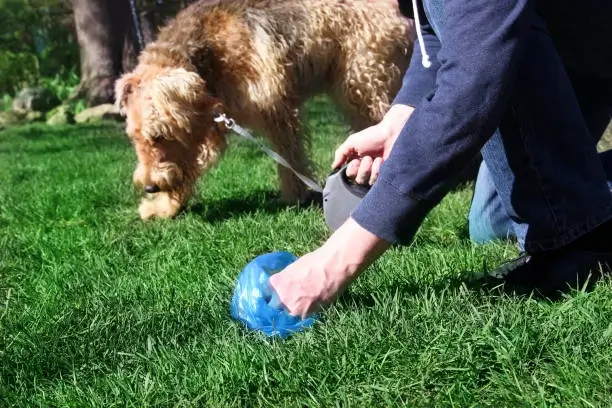
Households with multiple pets face unique challenges. Each dog’s coat type and shedding pattern affects overall hair accumulation.
Coordinating Grooming Schedules
Plan brushing, bathing, and trimming according to each dog’s shedding pattern. Stagger grooming sessions to reduce hair buildup in the home efficiently.
Cleaning Strategies in Multi-Dog Homes
Frequent vacuuming, lint rolling, and washable furniture covers are essential. Robotic vacuums or portable hair removers simplify cleanup. Daily maintenance of high-traffic areas and weekly deep cleaning keeps hair under control.
Understanding Individual Shedding Patterns and Behavior
Monitoring each dog helps identify who sheds the most. Targeted grooming and dietary adjustments can significantly reduce overall hair in the home.
Stress can also increase shedding. Providing mental stimulation, exercise, and calm environments reduces stress-induced hair loss. Multi-dog households should ensure each dog has personal space and adequate attention.
Advanced Tips for Reducing Dog Shedding at Home
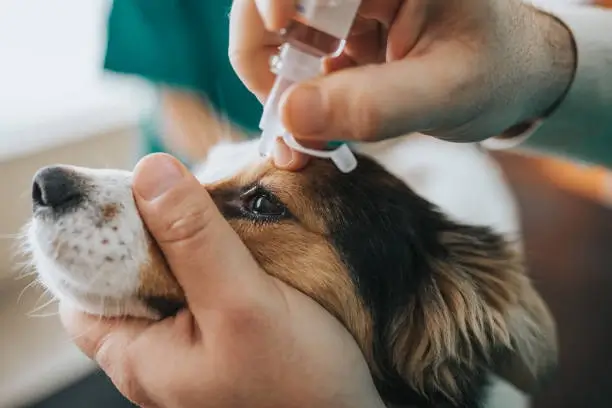
For many pet owners, controlling dog shedding at home requires more than basic grooming and cleaning. Advanced techniques can make hair management easier while keeping your dog healthy.
Professional Tools to Combat Dog Shedding at Home
High-quality de-shedding tools, grooming gloves, and specialized brushes remove loose undercoat hair effectively. Investing in professional-grade equipment can significantly reduce hair accumulation in homes with multiple dogs.
Regular Coat Trimming and Maintenance
Trimming excess fur in long-haired breeds helps minimize shedding. Seasonal trims, combined with routine brushing, support healthy hair growth and reduce the volume of hair that ends up on floors and furniture.
Skin and Coat Health Monitoring
Regularly inspect your dog’s skin for dryness, irritation, or bald patches. Proper hydration, nutrition, and occasional supplements help maintain skin elasticity and coat strength, which in turn reduces excessive shedding.
Creating a Dog-Friendly Home to Manage Shedding
A well-organized environment supports the reduction of dog shedding at home while keeping living spaces clean and comfortable.
Furniture and Surface Management
Use washable covers on couches and beds. Keep high-traffic areas free of clutter to make vacuuming easier. Consider pet-friendly furniture materials that resist hair adhesion.
Flooring Choices for Shedding Control
Hard floors like tile, laminate, or hardwood are easier to clean than carpet. Rugs should be washable to allow quick hair removal. Strategic placement of mats near dog resting areas reduces hair spread throughout the home.
Air Filtration and Cleaning
HEPA air purifiers capture airborne hair and dander. Ventilation and regular dusting minimize hair accumulation in hidden areas. Combining these practices with daily cleaning habits improves overall control of dog shedding at home.
FAQ and Daily Checklist for Dog Shedding at Home
Frequently Asked Questions
How often should I brush my dog to reduce shedding at home?
For heavy-shedding breeds, daily brushing is ideal. Short-haired dogs may require 2–3 sessions per week. Consistent brushing removes loose hair before it spreads.
Can diet really affect dog shedding at home?
Yes. A balanced diet rich in proteins, vitamins, and Omega fatty acids supports hair growth and reduces excessive shedding. Supplements can help when recommended by a veterinarian.
Are there any household products that help control dog shedding at home?
Lint rollers, sticky tape, washable covers, and HEPA vacuums are very effective. Regular cleaning and air filtration complement grooming routines.
Daily Checklist to Manage Dog Shedding at Home
- Brush your dog according to breed and coat type.
- Spot-clean hair from furniture and floors.
- Use a lint roller or sticky tape on clothing.
- Monitor your dog’s skin and coat for health issues.
- Maintain proper hydration and nutrition.
- Empty vacuum or clean filters if used.
- Rotate and wash furniture covers or throws.
- Observe seasonal shedding patterns and adjust grooming frequency.
Find More Dog Care Guides
Continue exploring practical guides related to this topic.