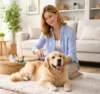
Executive Summary: Clinical Cleaning After Walks protocols prioritize Pathogen Exclusion and the prevention of Pododermatitis. This process involves a systematic Interdigital Debris Audit, neutralization of environmental allergens (pollen, toxins), and maintaining the paw pad’s Lipid Barrier. Establishing a Bio-Security Buffer at the home entrance is critical for preventing the ingress of microbes and protecting the canine’s immune system.
In the PetCareCompass framework, we define Cleaning After Walks as the establishment of an Environmental Guardrail. Every excursion introduces your dog to microscopic Environmental Toxins, allergens, and pathogens that can compromise their Somatic Health. Implementing a strategic post-walk routine is not merely about home aesthetics; it is a clinical necessity to preserve Dermatological Integrity and ensure your living space remains a sterile sanctuary.
The Maya Mai Perspective
Bio-Security Architect
“At PetCareCompass, my rule is definitive: ‘Pathogens stop at the door.’ Wiping a paw is basic; auditing the Interdigital Spaces is architecture. Cleaning After Walks is your primary defense against Pododermatitis and household allergen buildup. A lazy cleaning routine is an open invitation for environmental contaminants. Precision cleanses.”
Pathogen Identification: The Mechanics of Post-Walk Contamination
In the PetCareCompass framework, Cleaning After Walks is categorized as Contaminant Triage. Every outdoor excursion exposes your dog’s paws to Environmental Pathogens, industrial toxins (like asphalt runoff or de-icing salts), and Hydroscopic Debris that can trap moisture against the skin. Failing to neutralize these agents triggers Somatic Stress and compromises the skin’s natural defense mechanisms.
1. Bio-Hazard Categorization and Weather Dynamics
Contaminants vary by Environmental Load. In high-humidity or rainy conditions, mud acts as a delivery vehicle for anaerobic bacteria, increasing the risk of Pododermatitis. Conversely, dry conditions facilitate the accumulation of Particulate Allergens like pollen and dust within the coat. At PetCareCompass, we mandate weather-specific triage: moisture management for wet excursions and allergen neutralization for dry, high-pollen cycles.
2. Clinical Implications: Preventing Systemic Ingress
Neglecting Cleaning After Walks allows Microbial Biofilms to establish on the paw pads and within Interdigital Spaces. Chronic exposure to salt residues or chemical fertilizers leads to Lipid Barrier Degradation, resulting in painful cracking and secondary fungal infections. Establishing a strict cleaning protocol is the primary guardrail against these dermatological breach points, ensuring Long-Term Mobility and comfort.
Tactical Paw Governance: Mechanical and Chemical Neutralization
Effective Cleaning After Walks requires a dual-phase approach: Mechanical Removal of macroscopic debris and Chemical Neutralization of microscopic irritants. This governance ensures the paw remains a functional, healthy interface with the environment.
1. Interdigital Debris Audits and Fungal Prevention
At PetCareCompass, we mandate the Interdigital Debris Audit. This involves checking the webbing between each toe for small stones, thorns, or moisture pockets. For long-haired phenotypes, we recommend Sanitary Trimming of the “paw furniture” to reduce debris retention. Proper drying following irrigation is critical; moisture trapped in these spaces is the leading cause of fungal yeast infections, which compromise the paw’s Structural Equilibrium.
2. Barrier Preservation: Balm and Bootie Protocols
To minimize Cleaning After Walks, implement Barrier Protocols. Utilizing breathable booties in extreme muddy or chemical-heavy environments provides a physical Pathogen Guard. For dogs requiring high tactile sensitivity, we prioritize Lipid-Replenishing Balms (containing shea butter or beeswax). Applying these pre-walk creates a sacrificial layer against irritants, while post-walk application restores the pad’s moisture balance, preventing Hyperkeratosis and cracking.
The Maya Mai Perspective
Bio-Security Architect
“At PetCareCompass, I view every paw as a Metabolic Interface. My rule: If the interdigital space is damp, the Bio-Security is compromised. We don’t ‘wipe and go’; we Audit for Irritants. By maintaining the Lipid Barrier through tactical balms and ensuring total dryness, you are architecting a state of Dermatological Security. Prevention is always cleaner than cure.”
Follicular Governance: Mechanical Debris Extraction
In the PetCareCompass framework, the coat acts as a Biological Filter, trapping environmental particulates before they reach the skin. Cleaning After Walks must prioritize Mechanical Extraction to remove allergens and toxins without stripping the Natural Lipid Film. Failure to manage the coat leads to Microbial Fermentation (the “wet dog” odor) and secondary dermatological distress.
1. Brushing Protocols and Particulate Neutralization
Effective Cleaning After Walks mandates phenotype-specific brushing. For long-haired breeds (like the Golden Retriever in our case study), daily brushing using a slicker brush is required to extract Particulate Load from the undercoat. For short-haired breeds, a bristle brush facilitates Sebum Distribution while removing surface dust. This mechanical action prevents the formation of Micro-Matts, which otherwise trap bacteria against the epidermis, compromising Dermatological Integrity.
2. Bathing Dynamics: Spot Cleaning vs. Lipid Preservation
At PetCareCompass, we mandate Lipid-Focused Bathing. Over-washing destroys the skin’s acid mantle, leading to chronic dryness. We prioritize Spot Cleaning for localized contamination on the legs and ventrum (belly). Utilizing waterless shampoos or DIY diluted solutions ensures Allergen Neutralization without systemic moisture exposure. A full bath is reserved for Major Bio-Security Breaches, such as exposure to road salt or stagnant water, requiring a complete Microbial Reset.
Seasonal Pathogen Triage: Adaptive Hygiene Protocols
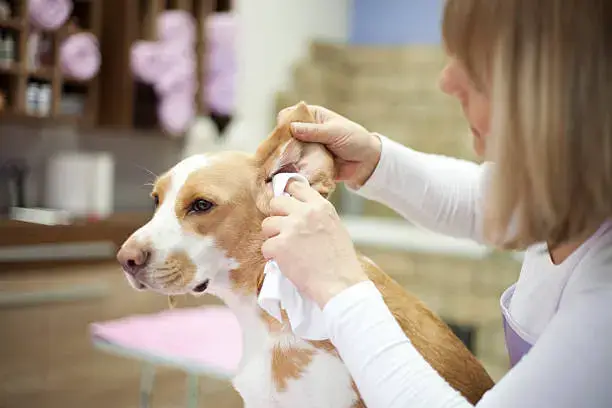
Cleaning After Walks is not a static routine; it must adapt to Seasonal Environmental Loads. From industrial de-icers in winter to high-pollen counts in summer, your Pathogen Exclusion strategy must evolve to protect the dog’s Thermal Regulation and immune response.
1. Moisture Management and Fungal Exclusion
During the rainy season, trapped moisture is the primary catalyst for Secondary Skin Infections. We mandate the use of waterproof barriers (dog coats) during excursions to minimize Moisture Ingress. Post-walk, focus on total desiccation using thermal towels. If fur remains damp, it creates a Hyper-Microbial Environment that triggers hot spots. For detailed protocols on maintaining a dry coat, refer to our Dog Hygiene at Home Made Easy guide.
2. Chemical Defense and Pad Resilience
Winter walks introduce Industrial Toxins like rock salt, which are highly caustic to paw pads. Cleaning After Walks in winter is a Sanitary Triage—you must rinse paws in lukewarm water to dissolve chemical residues before the dog can ingest them through licking. Applying a protective balm pre-walk architects a Sacrificial Lipid Layer, ensuring the pad remains resilient against ice-cracking and chemical burns. This proactive Pad Governance is critical for senior dogs with slower healing rates.
The Maya Mai Perspective
Bio-Security Architect
“At PetCareCompass, I view the coat as a Dynamic Filter. My rule: If the coat is gritty, the filter is clogged. Cleaning After Walks is not about ‘looking good’; it’s about Mechanical Neutralization of pathogens. Whether it’s winter salt or summer pollen, your Sanitary Triage must be adaptive. We don’t ‘wash’ problems away; we Architect a Clean Surface. Precision is protection.”
Sanitary Delivery Systems: Auditing the Cleaning Infrastructure
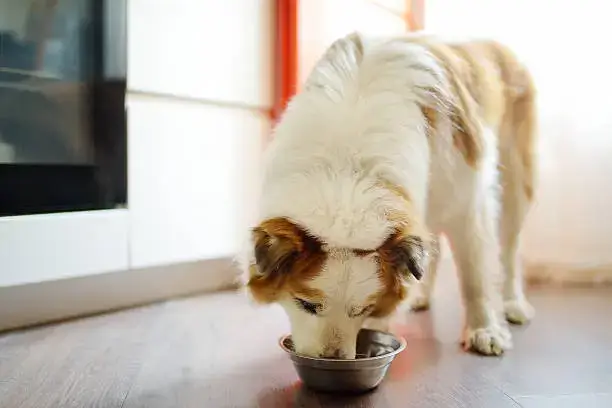
In the PetCareCompass framework, Cleaning After Walks relies on a structured Sanitary Delivery System. The efficacy of your routine is dictated by the tools positioned at your Bio-Security Buffer. By architecting a dedicated cleaning station, you ensure that Somatic Irritants and environmental pollutants are neutralized before they penetrate the internal living environment, preserving both canine health and household hygiene.
1. Mechanical Extraction: Specialized Paw Infrastructure
We mandate a tool-based approach for Macroscopic Debris Removal. Portable silicon washers allow for deep irrigation of the Interdigital Spaces, while microfiber paw mitts provide a high-surface-area solution for drying and capturing fine silt. Choosing tools based on Morphological Suitability—matching the device size to the paw diameter—is critical to ensure complete Pathogen Exclusion without causing abrasive trauma to the pads.
2. Chemical Governance: Surfactant Safety and pH Balance
Effective Cleaning After Walks utilizes Bio-Safe Surfactants. Waterless shampoos and grooming sprays must be pH-balanced specifically for canine epidermis (approx. 7.0–7.5). At PetCareCompass, we strictly prohibit the use of human-grade detergents, which trigger Acid Mantle Disruption. Utilizing sprays with aloe or chamomile facilitates Allergen Sequestration—binding to pollen and dust for easy mechanical removal—while maintaining the skin’s Natural Lipid Barriers.
Microbial Exclusion: Managing Allergens and Germ Ingress
Establishing a Microbial Exclusion Zone is the primary defense against the silent ingress of Environmental Toxins. Systematic neutralization of seasonal allergens protects the dog’s respiratory system and prevents the household from becoming a Pathogen Reservoir.
1. Allergen Sequestration and Bedding Governance
Effective Cleaning After Walks extends to the Post-Excursion Environment. Trapped allergens on the fur are easily transferred to bedding, creating a cycle of constant irritation. We mandate Bedding Governance: washing dog fabrics in hypoallergenic detergents every 7 days. By brushing fur outdoors, you facilitate Allergen Extraction before the particulates can settle into home upholstery, neutralizing the “Rocky” case study scenario of indoor allergen buildup.
2. Sanitary Triage and Cross-Contamination Defense
To maintain Microbial Exclusion, grooming tools themselves must be sanitized. We mandate the use of Dog-Safe Disinfectants for all paw washers and brushes post-use. Never utilize human towels for canine hygiene, as they act as Cross-Contamination Vehicles for bacteria. Establishing a dedicated kit at the entrance ensures that Sanitary Triage is immediate, consistent, and clinically effective in preventing the spread of environmental germs.
The Maya Mai Perspective
Bio-Security Architect
“At PetCareCompass, I view ‘tools’ as Sanitary Defense Assets. My rule: If the cleaning kit is disorganized, the Bio-Security Buffer is broken. We don’t ‘wipe down’ for looks; we Architect Pathogen Exclusion. By utilizing pH-balanced surfactants and maintaining Bedding Governance, you are ensuring your home remains a Pathogen-Free Sanctuary. Clean tools equal clinical results.”
Somatic Vigilance: The Daily Post-Excursion Protocol
In the PetCareCompass framework, Cleaning After Walks is a foundational Somatic Vigilance Protocol. Consistency is the primary variable that dictates the efficacy of your Bio-Security Buffer. By integrating these habits into your daily cadence, you minimize Particulate Accumulation and ensure that early markers of dermatological distress or parasitic ingress are detected before they compromise the dog’s Systemic Equilibrium.
1. Daily Somatic Audit and Tactile Desensitization
Every walk requires a Somatic Audit: a manual inspection of the paw pads, nail beds, and interdigital webbing. This habit not only identifies Hydroscopic Debris or embedded thorns but also facilitates Tactile Desensitization. Utilizing high-value rewards during this process architects a cooperative behavioral state, ensuring that more intensive Sanitary Triage—such as winter salt rinses—remains stress-free for both the handler and the canine.
2. Weekly Bio-Security Deep-Cleaning Cycles
While daily cleaning manages the surface load, Weekly Governance focuses on a complete Microbial Reset. This includes the mechanical sanitization of all paw-washing devices and the laundering of Bio-Security Mats. At PetCareCompass, we define the weekly cycle as the primary defense against Allergen Saturation within the home. Deep-cleaning the dog’s primary resting areas ensures that particulates captured during walks do not establish a permanent Pathogen Reservoir in your living space.
Lipid Resilience: Seasonal Adaptations and Protective Barriers
Long-term Cleaning After Walks success requires Protective Barrier Governance. Adapting your strategy to seasonal variables ensures that the dog’s Lipid Barrier Resilience is never compromised by the cumulative effects of moisture, cold, or chemical irritants.
1. Adaptive Seasonality and Thermal Protection
At PetCareCompass, we mandate Adaptive Seasonality. During the spring/summer cycle, focus on Allergen Sequestration using moist wipes to capture high-volume pollen loads. In the fall/winter transition, the protocol shifts to Toxin Neutralization. The ingress of de-icing chemicals requires immediate lukewarm irrigation. By architecting Protective Measures—such as balms that create a sacrificial lipid layer—you ensure the dog’s paws remain resilient against the harsh Thermal Gradients of modern urban environments.
2. Habitual Consistency and Behavioral Conditioning
The long-term success of Cleaning After Walks depends on Behavioral Conditioning. We treat the entrance of the house as a Sanitary Buffer Zone. By consistently requiring the dog to wait for a Paw Audit before entry, you establish a clear boundary between the outdoor environment and the clean home sanctuary. This ritualized approach reduces the dog’s anxiety and ensures that Sanitary Triage is never skipped, preserving the health of the entire household through disciplined consistency.
The Maya Mai Perspective
Bio-Security Architect
“At PetCareCompass, I view ‘habits’ as Biological Guardrails. My rule: If you skip the audit, you accept the infection. Cleaning After Walks is a lifelong commitment to Somatic Integrity. We don’t ‘clean up’ once in a while; we Architect Daily Triage. By maintaining Lipid Barrier Resilience and establishing a Sanitary Buffer Zone, you are ensuring your dog’s long-term health. Consistency is the only path to a clean home.”
Strategic How-To: Bio-Security and Pathogen Exclusion
1. How to determine cleaning frequency post-walk?
At PetCareCompass, we mandate a Somatic Audit after every excursion. While a full bath is only required for a Major Bio-Security Breach, localized spot cleaning of the paws and ventrum (belly) is necessary to neutralize Particulate Accumulation and prevent the ingress of allergens into the home.
2. How to manage Muddy Paws and Interdigital Debris?
Wipes are insufficient for heavy mud. Implement Interdigital Irrigation using a silicon washer or lukewarm water rinse. This ensures the removal of Hydroscopic Debris trapped between the toes. Total desiccation (drying) is mandatory following irrigation to prevent the Hyper-Microbial Environment that triggers yeast infections.
3. How to prevent infections through proper cleaning?
Infections like Pododermatitis occur when bacteria from soil or stagnant water settle into skin cracks. By performing a Post-Walk Audit and neutralizing toxins with pH-balanced surfactants, you preserve the Dermatological Integrity of the paw, architecting a barrier against opportunistic pathogens.
4. How to manage hygiene after short urban walks?
Short walks still involve exposure to Environmental Toxins like asphalt runoff. We recommend a Particulate Wipe-Down of the pads and nail beds. This prevents the dog from ingesting industrial chemicals during self-grooming and ensures that Microbial Biofilms do not establish on the paw’s surface.
5. How do Booties influence the cleaning protocol?
Booties act as a Sacrificial Barrier for the paws, significantly reducing the mechanical cleaning load. However, the coat and underbelly still require an Allergen Sequestration wipe-down. Booties should be sanitized post-walk to prevent them from becoming a Pathogen Reservoir in your entrance kit.
6. How to architect a Stress-Free Cleaning Routine?
Utilize Tactile Desensitization by rewarding the dog during paw handling. Position your Bio-Security Kit at the door to eliminate delays. By ritualizing the Sanitary Buffer Zone experience, you neutralize the dog’s Aversion Reflex, turning cleaning into a positive behavioral anchor.
Master Post-Walk Bio-Security Checklist
| Audit Level | Governance Action | Biological Objective |
|---|---|---|
| Immediate Buffer | Interdigital Debris Audit | Mechanical Extraction |
| Somatic Audit | Check ears, belly, and pads | Pathogen Identification |
| Chemical Triage | Wipe coat for Allergen Sequestration | Systemic Neutralization |
| Weekly Governance | Sanitize tools and wash bedding | Microbial Reset |
Conclusion: Architecting a Pathogen-Free Sanctuary
Consistent Cleaning After Walks is the primary safeguard for both canine health and household hygiene. By transitioning from simple wiping to a Metric-Driven Bio-Security Protocol, owners ensure that Environmental Toxins and pathogens are neutralized before they penetrate the living environment. The integration of Interdigital Audits, Adaptive Seasonality, and Lipid Barrier Resilience ensures your dog’s Somatic Integrity remains uncompromised through every excursion.
The Maya Mai Bio-Security Manifesto
“At PetCareCompass, we define a clean home as an Architected Buffer Zone. My final rule: If the paws aren’t audited, the sanctuary is breached. We don’t ‘tidy up’; we Execute Pathogen Exclusion. By ensuring Dermatological Integrity and maintaining a Sanitary Buffer at the door, you are giving your dog a baseline of Biological Security. Precision is the ultimate hygiene.”
Find More Dog Care Guides
Continue exploring practical guides related to this topic.