

Walking your dog is one of life’s simple pleasures, but it can also bring dirt, debris, and allergens into your home. Proper Cleaning After Walks ensures your dog remains clean, your home stays hygienic, and potential health issues are minimized.
This guide provides practical, step-by-step strategies for paw cleaning, coat maintenance, and home hygiene. You’ll also find tips for different weather conditions, protective gear, and grooming routines that make post-walk cleaning simple, stress-free, and effective. By implementing these techniques, you’ll prevent infections, reduce indoor mess, and keep your furry friend comfortable.
Understanding Post-Walk Mess
Knowing what your dog picks up during walks helps you plan effective Cleaning After Walks routines.
Common Sources of Dirt
- Mud, soil, and grass stains: Especially after rainy walks or park play.
- Pollen and dust: Can trigger allergies in sensitive dogs.
- Leaves, twigs, and small debris: Often cling to fur, paws, and tail.
- Sand or gravel: From beach or trail walks, easily transported indoors.
Weather-Related Dirt Variations
- Rainy days: Muddy paws, wet fur, and slippery floors.
- Snowy conditions: Snow balls, ice accumulation, and salt residues.
- Dry, windy days: Dust and pollen cling to fur, particularly on long-haired breeds.
Why Cleaning Matters
- Prevents dirt and allergens from spreading indoors.
- Reduces risk of skin infections from bacteria in mud or debris.
- Keeps your home clean and hygienic, minimizing extra cleaning tasks.
Health Implications of Neglect
- Chronic exposure to dirt can cause paw pad cracking or irritation.
- Fur dirt can trap bacteria, leading to hot spots or fungal infections.
- Allergens may exacerbate dog allergies or respiratory issues.
Signs Your Dog Needs Cleaning
- Muddy or dirty paws after outdoor activity.
- Visible debris stuck in coat or between toes.
- Foul odors from wet or dirty fur.
- Pawing at face or licking paws excessively, indicating irritation.
Behavioral Cues
- Reluctance to enter the house after walks.
- Shaking or rubbing against furniture to remove debris.
- Sneezing or watery eyes due to pollen or dust.
Quick Paw Cleaning Techniques
Paws are the dirtiest part after a walk. Efficient Cleaning After Walks begins here.
Basic Paw Wiping
- Use moist dog wipes or a damp cloth for easy cleaning.
- Focus on pads, nails, and between toes.
- Wipe thoroughly but gently to avoid irritation.
Tools for Paw Cleaning
- Paw wipes: Convenient for short walks or minor dirt.
- Paw mitts: Fit over your hand to wipe paws thoroughly.
- Portable paw washers: Ideal for muddy or sandy conditions.
Rinsing and Drying
- Rinse muddy paws with lukewarm water.
- Pat dry with a towel to prevent fungal growth.
- Ensure toes and paw pads are completely dry, especially for long-haired breeds.
Extra Tips for Long-Haired Dogs
- Trim hair around paws to minimize dirt retention.
- Check for hidden debris like small stones or twigs.
- Comb fur gently after drying to prevent matting.
Protective Measures
- Consider booties for wet or muddy walks.
- Apply paw balms to keep pads healthy and moisturized.
- Protective measures prevent cracks, burns, and dirt buildup.
Choosing the Right Paw Balm
- Look for natural ingredients like shea butter or coconut oil.
- Avoid human lotions, which may irritate your dog’s skin.
- Apply before and after walks for maximum protection.
Coat and Fur Maintenance
Dirt often clings to your dog’s coat, requiring attention as part of Cleaning After Walks.
Brushing Techniques
- Remove loose dirt and debris from fur.
- Use brushes suitable for your dog’s coat type:
- Slicker brushes for long or curly fur
- Bristle brushes for short coats
Brushing Frequency
- Long-haired dogs: daily brushing after walks.
- Short-haired dogs: 2–3 times per week to remove dust and loose hair.
Bathing Guidelines
- Bathe only when necessary to avoid drying the skin.
- Use dog-friendly shampoos for sensitive skin.
- Focus on dirty areas like legs, belly, and paws.
Spot vs. Full Bath
- Spot cleaning: For light dirt after short walks.
- Full bath: After muddy adventures, beach trips, or prolonged rain exposure.
Quick Spot Cleaning
- Use waterless shampoos or grooming wipes for minor dirt.
- Target dirty areas like legs, belly, and tail.
DIY Cleaning Solutions
- Diluted dog-safe shampoo spray for on-the-go cleaning.
- Wet wipes infused with aloe vera or chamomile for sensitive skin.
- Always rinse or wipe off residues to prevent skin irritation.
Mini Case Study
Bella, a Golden Retriever, often returned from walks with muddy paws and grass stuck in her fur. Her owner implemented a post-walk routine: paw wiping with moist wipes, spot cleaning the coat, and brushing afterward. Within two weeks, Bella’s coat remained clean, odor-free, and her paws were healthy—reducing extra cleaning around the home.
For more comprehensive dog hygiene strategies, visit Dog Hygiene at Home Made Easy.
Seasonal Cleaning Challenges
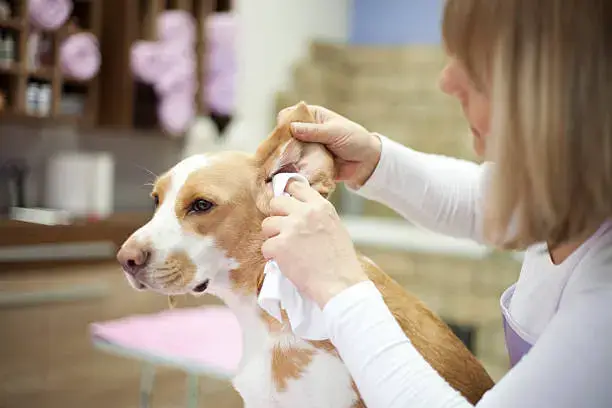
Different weather conditions affect post-walk dirt and debris, so adjusting Cleaning After Walks routines is essential for keeping your dog and home clean.
Rainy Season
- Muddy paws, legs, and underbelly.
- Wet fur can promote fungal growth or skin irritation.
- Slippery floors increase risk of slipping indoors.
Tips for Rainy Walks
- Use waterproof dog coats to reduce wet fur.
- Carry a towel or portable paw cloth for immediate drying.
- Rinse paws with lukewarm water before entering the house.
Winter and Snow
- Snowballs form in long fur, especially on paws and legs.
- Salt or de-icing chemicals may irritate skin or damage paw pads.
- Dry indoor heat can make fur brittle and skin dry.
Winter Cleaning Strategies
- Brush snow and ice out immediately after walks.
- Wash paws to remove salt, then apply paw balm.
- Use booties or socks for protection in icy conditions.
Summer Heat
- Dry dirt and dust cling to fur more easily.
- Outdoor allergens like pollen increase shedding and irritation.
- Sweat or natural oils may trap debris, causing odors.
Summer Cleaning Tips
- Wipe paws and coat after walks with moist wipes.
- Brush daily to remove loose dirt and allergens.
- Limit walks during peak heat hours to prevent heat stress.
Tools and Products for Efficient Cleaning
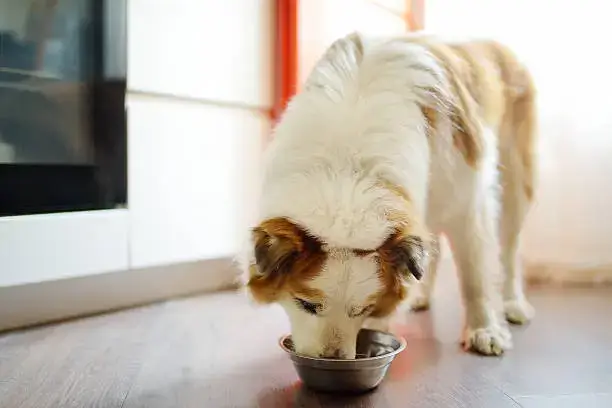
Using the right tools simplifies Cleaning After Walks and ensures a stress-free routine.
Paw Cleaning Tools
- Paw wipes: Quick and convenient for short walks.
- Paw mitts: Fit over your hand to clean thoroughly.
- Portable paw washers: Perfect for muddy or sandy adventures.
Choosing the Best Paw Tool
- Consider size and fur type of your dog.
- Look for soft, non-irritating materials.
- Easy to clean and refill for repeated use.
Coat Cleaning Products
- Waterless shampoos: Ideal for spot cleaning.
- Grooming sprays: Remove dirt and neutralize odors.
- Brushes and combs: Keep fur tangle-free and debris-free.
Product Safety Tips
- Always choose dog-safe ingredients.
- Avoid human shampoos or chemical cleaners.
- Test small areas first if your dog has sensitive skin.
Household Cleaning Aids
- Floor mats: Place at entrances to catch dirt.
- Lint rollers: Remove hair and dust from furniture.
- Washing machine covers: Protect bedding and blankets.
Home Organization Tips
- Keep cleaning supplies near entryways for easy access.
- Store paw wipes, towels, and brushes in a dedicated kit.
- Establish a consistent post-walk routine to minimize mess.
Handling Allergens and Germs
Effective Cleaning After Walks reduces allergens, prevents minor infections, and keeps your home safe.
Allergen Removal
- Wipe paws and coat after walks to remove pollen and dust.
- Wash dog bedding regularly to minimize allergens.
- Brush fur outdoors to prevent dust accumulation inside.
Seasonal Allergen Tips
- Spring: Rinse fur after walks in grassy areas.
- Summer: Focus on pollen-heavy environments.
- Fall: Remove leaves, twigs, and mold spores promptly.
Germ Prevention
- Avoid using human towels or fabrics to clean dogs.
- Wash hands after grooming.
- Clean food and water bowls daily.
Safe Cleaning Practices
- Use dog-safe disinfectants on paw cleaning stations.
- Keep grooming tools clean and dry.
- Inspect for skin irritation after cleaning and treat accordingly.
Mini Case Study
Rocky, a Beagle, often brought pollen and mud into the house after daily walks. His owner created a post-walk cleaning station: paw rinse bucket, grooming wipes, towel, and booties for winter walks. Within a month, indoor dirt decreased dramatically, Rocky’s fur remained healthier, and seasonal allergies were better managed.
Long-Term Cleaning Habits
Establishing consistent Cleaning After Walks habits protects your dog and home, reducing dirt, allergens, and minor infections.
Daily Routine
- Inspect paws for dirt, debris, or injury after every walk.
- Wipe paws and coat with moist wipes or damp cloth.
- Brush fur to remove loose hair and particles.
- Check ears and underbelly for hidden dirt or ticks.
Extra Daily Tips
- Keep a towel or paw cloth at the door for immediate cleaning.
- Reward your dog with treats for cooperating with post-walk cleaning.
- Inspect nails and pads for cuts or cracks.
Weekly Maintenance
- Bathe your dog as needed based on activity level and coat type.
- Deep clean bedding, blankets, and toys to remove dirt and allergens.
- Clean or replace paw cleaning tools to maintain hygiene.
Seasonal Adjustments
- Spring/Summer: Focus on pollen removal.
- Fall/Winter: Pay attention to mud, snow, and salt residues.
- Adjust bathing frequency according to outdoor activity and weather.
Protective Measures
- Use booties for wet, icy, or muddy walks.
- Apply paw balms to prevent cracking and maintain healthy pads.
- Use grooming sprays for quick fur cleaning before entering the house.
FAQ and Daily Cleaning Checklist
Even experienced dog owners have questions about Cleaning After Walks. A simple FAQ and daily routine make post-walk cleaning easier and more effective.
FAQ
Q: How often should I clean my dog after walks?
- Daily inspection and spot cleaning are recommended, with full baths as needed.
Q: Are paw wipes enough for muddy days?
- Wipes are great for minor dirt, but muddy paws may require rinsing or a small bath.
Q: Can improper cleaning cause infections?
- Yes, dirt, pollen, and debris left on paws or fur can lead to skin irritation or fungal infections.
Q: Should I clean my dog even after short walks?
- Light wiping is helpful, especially if your dog steps in grass, dirt, or mud.
Q: Can booties replace post-walk cleaning?
- Booties protect paws but do not clean fur or remove allergens entirely, so follow-up cleaning is still recommended.
Daily Cleaning Checklist
- Inspect paws, pads, and nails.
- Wipe or rinse paws as needed.
- Brush fur to remove loose dirt and hair.
- Spot-clean dirty areas with waterless shampoos or wipes.
- Check and clean ears and underbelly after walks.
- Wash bedding and mats regularly to remove allergens.
- Use booties and paw balms during extreme weather or muddy conditions.
- Store cleaning supplies in a dedicated kit near the door.
Pro Tips for Stress-Free Routine
- Keep wipes, towels, and grooming tools ready to avoid delays.
- Make cleaning a fun experience with treats and praise.
- Schedule walks to avoid peak mud, pollen, or dust times.
- Rotate grooming tools to keep them fresh and sanitary.
Mini Case Study
Luna, a Labrador, brought mud, leaves, and pollen inside after daily walks. Her owner implemented a long-term cleaning routine: paw rinsing station, spot-cleaning wipes, weekly baths, and bedding maintenance. Within a month, indoor dirt decreased, Luna’s fur remained healthy, and allergic reactions were reduced. Consistent cleaning also made walk preparation and post-walk maintenance stress-free.
Conclusion: Stress-Free Cleaning After Walks for a Healthy Dog and Home
Maintaining a clean dog and home after walks is essential for hygiene, comfort, and overall health. Cleaning After Walks helps remove dirt, mud, allergens, and debris that accumulate on paws, fur, and underbelly, reducing the risk of infections and indoor mess.
By establishing daily routines—such as paw wiping, fur brushing, spot cleaning, and protective measures like booties and paw balms—you can make post-walk cleaning easy, practical, and stress-free. Seasonal adjustments, proper grooming tools, and long-term habits further enhance cleanliness and keep your dog comfortable. Combined with regular inspection, gentle care, and attention to environmental factors, these strategies ensure your dog enjoys walks while your home remains clean and safe. Consistency, simple preventive steps, and effective tools make Cleaning After Walks a smart, manageable part of everyday dog care.
