

Your dog’s coat is more than just fur—it’s a protective barrier, a temperature regulator, and a reflection of their overall health. Adapting your grooming routine according to the season is essential for maintaining a shiny, healthy coat and preventing skin problems. Seasonal coat adjustments help manage shedding, support hair growth, and ensure your dog is comfortable in every climate.
Dogs experience natural changes in their coats depending on temperature, humidity, and daylight. For instance, double-coated breeds shed heavily in spring to prepare for warmer months and again in fall to grow their winter undercoat. Short-haired dogs may require extra moisturizing in winter to prevent dryness. By understanding seasonal patterns, dog owners can implement practical, stress-free grooming routines that keep their pets healthy and happy year-round.
This guide breaks down effective seasonal coat adjustments, from brushing and bathing to nutrition, supplements, and grooming tools. Whether your dog has a long, short, or double coat, these tips provide actionable steps for maintaining coat health while minimizing hair loss, tangles, and irritation.
For more comprehensive seasonal grooming strategies, see Essential Seasonal Grooming Tips for Every Dog
Understanding Seasonal Coat Changes
Adapting to your dog’s changing coat requires understanding why and how their fur responds to seasonal shifts. Effective seasonal coat adjustments begin with recognizing natural shedding cycles, common coat issues, and the role of grooming in maintaining coat health.
Natural Shedding Cycles
- Spring Shedding: Dogs lose their winter undercoat to prepare for warmer weather. This process can produce large amounts of loose fur and may increase indoor hair accumulation.
- Fall Shedding: In preparation for colder months, dogs grow thicker coats and shed any remaining summer fur. Double-coated breeds experience significant undercoat growth during this period.
- Hormonal or Age-Related Shedding: Factors such as spaying/neutering, thyroid issues, or age can influence shedding intensity and timing.
Highlight Tips:
- Observe seasonal patterns for your dog’s breed to anticipate heavy shedding periods.
- Use grooming logs to track changes and identify unusual hair loss.
- Consult a veterinarian if shedding appears sudden or excessive.
Common Coat Issues Per Season
Each season presents unique challenges for your dog’s coat:
- Winter: Dry, flaky skin from low humidity and indoor heating.
- Spring: Heavy shedding may cause matting and tangles.
- Summer: Sun exposure can bleach fur and cause dryness.
- Fall: Rapid undercoat growth can trap dirt and loose hair, increasing shedding indoors.
Highlight Tips:
- Adjust brushing and bathing frequency according to seasonal needs.
- Moisturize the skin in dry months to maintain softness and reduce flaking.
- Protect sensitive areas from sun damage with dog-safe sunscreen if necessary.
How Seasonal Grooming Helps
Proper grooming supports coat health and minimizes seasonal shedding problems:
- Maintains Coat Thickness and Shine: Brushing stimulates natural oils, creating a glossy, healthy appearance.
- Reduces Matting and Hair Loss: Regular grooming prevents tangles that can trap hair and worsen shedding.
- Supports Healthy Skin and Hair Follicles: Removing dead hair and debris ensures follicles remain unclogged, promoting new growth.
Brushing and Combing for Seasonal Coat Adjustments
Brushing is the foundation of effective seasonal coat adjustments. Proper technique, frequency, and tool selection help remove loose fur, stimulate oil production, and prevent hair matting.
Choosing the Right Brush for the Season
- Slicker Brushes: Ideal for long-haired dogs, detangling fur and removing loose hair efficiently.
- Undercoat Rakes: Essential for double-coated breeds to remove heavy undercoat hair in spring and fall.
- Soft Bristle Brushes: Perfect for short-haired dogs or sensitive skin, distributing oils evenly.
Highlight Tips:
- Match brush type to your dog’s coat length and texture for maximum efficiency.
- Use grooming gloves for anxious dogs to make brushing feel like playtime.
- Clean brushes after each session to remove trapped fur and allergens.
Brushing Frequency and Technique
- Daily Brushing: Recommended for long-haired and double-coated breeds during peak shedding seasons.
- 2–3 Times per Week: Sufficient for short-haired breeds or off-season grooming.
- Technique: Brush in the direction of hair growth, covering the neck, back, underbelly, and tail. Pay attention to problem areas like behind the ears, armpits, and hind legs.
Highlight Tips:
- Brush outdoors during heavy shedding to reduce indoor hair accumulation.
- Use slow, gentle strokes to prevent discomfort and stress.
- Combine brushing with treats or praise to reinforce positive behavior.
Seasonal Hair Control Tips
- Maintain a consistent brushing schedule throughout the year.
- Rotate grooming tools seasonally for optimal shedding management.
- Use lint rollers, vacuuming, and washable bedding to complement daily brushing.
- Monitor the coat for dryness, tangles, or signs of irritation.
Bathing and Skin Care for Seasonal Coat Health
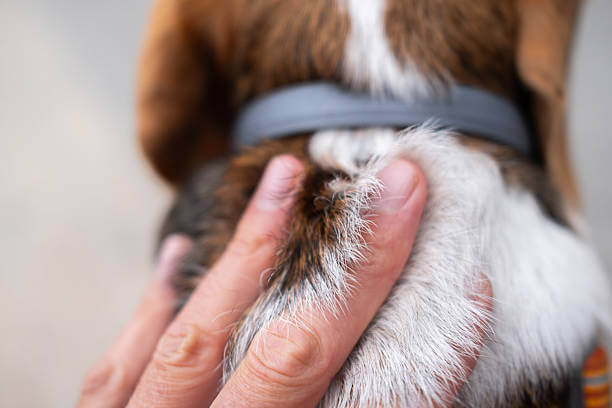
Bathing and skin care are critical to seasonal coat adjustments. The type, frequency, and products used should vary with the season to maintain a healthy coat and skin.
Bath Frequency Per Season
- Weekly Baths: Recommended for dogs with long hair or heavy shedding during spring/fall.
- Bi-weekly or Spot Cleaning: Ideal for short-haired breeds or dogs with minimal shedding.
- Adjust According to Climate: Dogs exposed to dirt, allergens, or outdoor activity may need more frequent baths in summer.
Highlight Tips:
- Use lukewarm water to prevent skin irritation.
- Keep baths short and stress-free, rewarding your dog afterward.
- Avoid over-bathing, which can strip natural oils and exacerbate dryness.
Choosing Seasonal Shampoos and Conditioners
- Deshedding Shampoos: Loosen dead hair and reduce shedding during spring/fall.
- Hydrating Shampoos: Protect winter coats from dryness and flaking.
- Mild, Hypoallergenic Formulas: Best for summer to prevent irritation from heat or allergens.
Highlight Tips:
- Massage shampoo gently into the coat, reaching the skin for maximum benefit.
- Rinse thoroughly to prevent residue and irritation.
- Use a conditioner on long-haired dogs to prevent tangling and matting.
Post-Bath Care for Coat Protection
- Towel dry or use a low-heat pet dryer to remove moisture.
- Brush gently after drying to remove loosened hair and prevent tangles.
- Inspect the coat for dryness, sun damage, or irritation, applying moisturizers if recommended.
Highlight Tips:
- Reward calm behavior to encourage positive grooming habits.
- Maintain brushing between baths to remove new loose hair.
- Check ears, eyes, and paws during post-bath grooming to catch issues early.
Nutrition and Supplements for Seasonal Coat Adjustments
A healthy coat begins from the inside. Proper nutrition and targeted supplements play a crucial role in effective seasonal coat adjustments, supporting hair growth, skin hydration, and overall coat shine. Seasonal dietary changes can help your dog adapt to temperature shifts, shedding cycles, and coat density changes.
Seasonal Diet Adjustments
- Winter: Increase fatty acids like Omega-3 and Omega-6 to combat dry skin and maintain coat softness.
- Spring/Fall: Boost protein intake to support shedding cycles and new undercoat growth.
- Summer: Ensure proper hydration and consider antioxidant-rich foods to combat sun-related skin damage.
Highlight Tips:
- Incorporate fish, flaxseed, or high-quality dog foods rich in essential fatty acids.
- Avoid cheap fillers that provide calories but little nutritional benefit.
- Monitor your dog’s weight, as obesity can impact coat quality and shedding.
Supplements for Coat Protection
- Fish Oil or Omega-3 Capsules: Enhance shine, reduce dryness, and minimize shedding.
- Vitamin E: Supports skin elasticity and protects hair follicles from oxidative stress.
- Biotin & Keratin Supplements: Strengthen hair and reduce breakage, especially during shedding seasons.
Highlight Tips:
- Introduce supplements gradually to prevent digestive upset.
- Track coat improvements over several weeks to evaluate effectiveness.
- Consult your veterinarian before starting any new supplements.
Seasonal Grooming Adjustments
Every season presents unique challenges for a dog’s coat. Tailoring grooming practices to the weather and shedding cycles is essential for seasonal coat adjustments.
Spring and Summer Care
- Increase Brushing Frequency: Daily brushing helps manage heavy spring shedding and summer loose hair.
- Cooling Shampoos or Wipes: Prevent overheating and soothe irritated skin during hot months.
- Monitor for Allergies: Pollen, dust, and insects can cause scratching, worsening shedding.
Highlight Tips:
- Groom outdoors to minimize hair indoors.
- Focus on high-shedding areas like the underbelly and tail.
- Check for sunburn on thin or light-colored coats.
Fall and Winter Care
- Reduce Bathing Frequency: Over-bathing in winter can dry the coat and skin.
- Moisturize Coat: Use vet-approved oils or conditioners to combat dryness.
- Maintain Brushing: Regular brushing prevents matting and helps remove loose undercoat.
Highlight Tips:
- Rotate grooming tools seasonally for maximum efficiency.
- Inspect skin for irritation caused by dry indoor heating.
- Brush gently to avoid breaking winter hairs.
Tools and Accessories for Seasonal Coat Care
Using proper tools and accessories is essential for effective seasonal coat adjustments. Choosing the right brushes, combs, and home management tools ensures efficient grooming and reduces stress for both dog and owner.
Essential Grooming Tools
- Slicker Brushes: Detangle long hair and remove loose fur efficiently.
- Undercoat Rakes: Ideal for double-coated breeds, especially during spring/fall.
- Grooming Gloves: Perfect for anxious or sensitive dogs; removes loose hair while petting.
- Deshedding Tools: Target deep undercoat hair to minimize shedding indoors.
Highlight Tips:
- Match tools to coat type and length.
- Clean tools after each session to prevent allergen buildup.
- Reward dogs for cooperation to build positive grooming habits.
Home Management Accessories
- Lint Rollers and Sticky Sheets: Remove stray hairs from furniture and clothing.
- Vacuum with Pet Hair Attachments: Essential for carpets, floors, and upholstery.
- Washable Bedding and Blankets: Simplifies indoor hair management and keeps your home clean.
Highlight Tips:
- Keep grooming tools in one location for quick access.
- Rotate tools seasonally to manage different shedding cycles.
- Use grooming gloves as a fun interactive session with your dog.
Additional Seasonal Coat Care Tips
- Monitor your dog’s coat for dryness, redness, or matting throughout the year.
- Maintain a consistent grooming schedule tailored to seasonal needs.
- Combine brushing with positive reinforcement and short grooming sessions.
- Use deshedding shampoos and conditioners during peak shedding periods.
- Protect sensitive areas from environmental damage, like sun, snow, or allergens.
Highlight Tips:
- Groom outdoors when possible to prevent indoor hair buildup.
- Reward calm behavior to make grooming stress-free.
- Adjust diet, supplements, and hydration seasonally to support coat health.
Daily Seasonal Coat Care Routine
Maintaining a consistent grooming routine is essential for effective seasonal coat adjustments. Daily care minimizes loose hair, prevents matting, and keeps your dog’s coat healthy and comfortable throughout the year.
Morning Tasks
- Brush Coat Lightly: Remove overnight loose hairs to reduce indoor shedding.
- Inspect Skin: Check for dryness, redness, or irritation, especially during winter or hot summer months.
- Clean Paws: Wipe away dirt, pollen, or allergens collected from morning walks.
- Check Food and Water Areas: Hair tends to stick to feeding spots; keeping them clean reduces overall hair spread.
Highlight Tips:
- Brush in the direction of hair growth to avoid skin irritation.
- Keep sessions short for anxious or young dogs.
- Reward your dog with praise or treats to create positive grooming associations.
Evening Tasks
- Spot Brush Problem Areas: Focus on the underbelly, tail, and behind the ears where mats often form.
- Check Coat for Shedding or Dirt: Remove any accumulated debris from outdoor activities.
- Inspect Skin Again: Look for signs of irritation, dryness, or hot spots.
- Positive Reinforcement: Reward calm behavior to maintain stress-free grooming routines.
Secondary Keyword Placement: coat maintenance
FAQ – Seasonal Coat Questions
Q1: How often should I adjust brushing per season?
- Long-haired and double-coated dogs benefit from daily brushing during shedding seasons, while short-haired breeds may need 2–3 times per week.
Q2: Can supplements reduce seasonal coat problems?
- Omega-3 fatty acids, vitamin E, biotin, and keratin support healthy skin and hair. Always consult your vet before starting supplements.
Q3: How do I prevent winter coat dryness?
- Use hydrating shampoos and conditioners, maintain indoor humidity, and brush regularly to distribute natural oils.
Q4: How can I manage heavy shedding in spring and fall?
- Increase brushing frequency, use undercoat rakes or deshedding tools, and maintain proper nutrition with supplements for coat health.
Q5: When should I consult a veterinarian for coat issues?
- Sudden hair loss, bald patches, or excessive scratching may indicate underlying health problems. Professional assessment ensures prompt treatment.
Highlight Tips:
- Keep a grooming log to track seasonal changes.
- Observe environmental triggers like temperature shifts, pollen, or diet changes.
Secondary Keyword Placement: hair protection
Tools and Accessories for Daily Seasonal Coat Care
Proper tools and home accessories maximize the effectiveness of seasonal coat adjustments. Using the right equipment ensures efficient grooming, reduces indoor hair, and keeps your dog comfortable.
Essential Grooming Tools
- Slicker Brushes: Detangle long hair and remove loose undercoat.
- Undercoat Rakes: Perfect for heavy shedding breeds, especially during spring and fall.
- Grooming Gloves: Remove loose hair gently for anxious dogs.
- Deshedding Tools: Reach deep undercoats to minimize shedding indoors.
Highlight Tips:
- Choose tools suitable for your dog’s coat type.
- Clean brushes and tools after each session to prevent allergens.
- Reward your dog for calm behavior during grooming.
Home Management Accessories
- Lint Rollers and Sticky Sheets: Quickly remove stray hairs from furniture and clothing.
- Vacuum with Pet Hair Attachments: Essential for carpets, floors, and upholstery.
- Washable Bedding and Blankets: Keeps your home clean while reducing indoor hair accumulation.
Highlight Tips:
- Keep grooming tools organized for quick access.
- Rotate tools seasonally for optimal shedding management.
- Grooming gloves can double as a bonding session with your dog.
Daily Seasonal Coat Checklist
Morning:
- Brush coat lightly.
- Inspect skin and paws.
- Clean food/water areas.
- Apply leave-in conditioner if recommended for the season.
Afternoon (Optional):
- Spot brush after outdoor activity.
- Wipe paws and underbelly to remove dirt or allergens.
Evening:
- Brush sensitive or mat-prone areas.
- Check coat for dryness or irritation.
- Clean bedding to reduce indoor hair.
- Reward calm behavior during grooming.
Highlight Tips:
- Keep sessions short, positive, and consistent.
- Combine brushing with petting to strengthen your bond.
- Track seasonal changes to adjust routines as needed.
Additional Seasonal Coat Care Tips
- Monitor coat health year-round for dryness, tangles, or shedding changes.
- Adjust diet, supplements, and hydration seasonally.
- Use deshedding shampoos or conditioners during peak shedding months.
- Rotate grooming tools to match seasonal needs.
- Make grooming sessions calm, positive, and stress-free.
Highlight Tips:
- Groom outdoors during shedding-heavy seasons to reduce indoor hair.
- Always reward calm, cooperative behavior.
- Limit exposure to environmental irritants like pollen or dust.
Summary of Key Seasonal Coat Adjustments
- Brush regularly based on coat type and season.
- Adjust bathing and shampoo frequency per seasonal needs.
- Maintain proper nutrition and supplements for coat and skin health.
- Monitor coat and skin for dryness, matting, or irritation.
- Use appropriate grooming tools and accessories.
- Keep bedding, furniture, and floors clean to reduce indoor hair.
- Track seasonal coat patterns to adjust grooming routines.
- Make grooming sessions stress-free and rewarding for your dog.
By following these steps, dog owners can effectively manage seasonal coat changes, reduce indoor shedding, and ensure a healthy, comfortable coat year-round. Consistent attention to brushing, bathing, nutrition, and tools makes seasonal coat care practical, easy, and beneficial for both dog and owner.
Conclusion
Maintaining a healthy coat throughout the year requires understanding the natural seasonal changes your dog experiences. By implementing consistent seasonal coat adjustments, you can minimize shedding, prevent matting, and support healthy hair growth while keeping your dog comfortable and happy.
Proper brushing, bathing, and skin care tailored to each season help maintain coat shine, protect against dryness, and reduce irritations. Coupled with a balanced diet and targeted supplements, these practices strengthen hair follicles, promote new growth, and enhance overall coat health.
Using the right grooming tools, such as undercoat rakes, slicker brushes, and grooming gloves, along with home management accessories like lint rollers and washable bedding, makes daily care simple and effective. Regular observation of your dog’s coat and skin allows early detection of problems and ensures proactive care.
A well-structured, seasonal grooming routine not only keeps your dog looking and feeling their best but also strengthens the bond between pet and owner. With consistent attention, patience, and proper techniques, you can ensure that your dog enjoys a healthy, vibrant coat all year long, no matter the season.
