

Puzzle feeder ideas are practical ways to make daily meals more engaging for dogs. Many dogs eat too fast, get bored indoors, or lack mental stimulation. Puzzle feeding turns mealtime into a slow, problem-solving activity that uses a dog’s natural foraging instinct.
Most puzzle feeder ideas require no special tools and can be done with simple household items. Owners can adjust difficulty levels, feeding duration, and food types based on the dog’s age and skills. This approach supports calmer behavior, improves focus, and offers structured enrichment throughout the day—especially when outdoor walks are limited.
The goal of this guide is to give clear, beginner-friendly examples that are safe, low-cost, and easy to apply at home without training experience.
Understanding Puzzle Feeder Ideas and Their Benefits
Puzzle feeder ideas are simple ways to make mealtime slower, calmer, and more engaging for dogs. Many dogs eat fast and get bored easily during the day. Using structured Puzzle Feeder Ideas adds a light mental challenge without special tools. Below are the core benefits in a quick, easy-to-scan format.
Why dogs benefit from food puzzles
Using Puzzle Feeder Ideas turns eating into a short enrichment session. Instead of swallowing food instantly, dogs must sniff, push, or paw to access pieces.
Key benefits:
- Slower eating
- Mental stimulation
- Boredom prevention
- Gentle problem-solving
With Puzzle Feeder Ideas, dogs use natural behaviors (sniffing, foraging, exploring). These small challenges support calmer behavior, especially in indoor environments. No advanced training is required, and most setups are beginner-friendly.
How puzzle feeders affect feeding duration
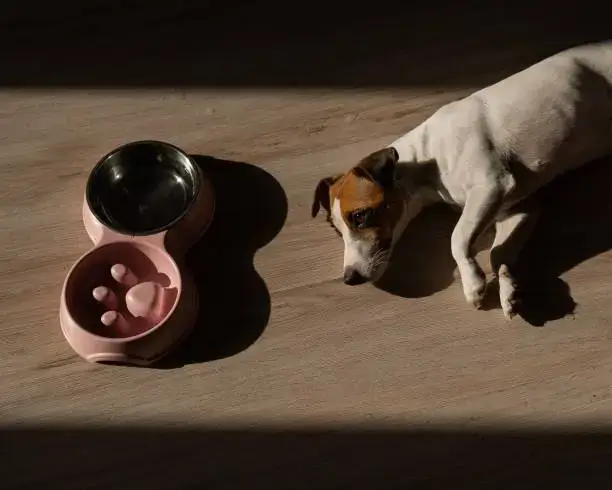
Many dogs finish meals in seconds. Applying Puzzle Feeder Ideas increases feeding duration by forcing small actions like nudging, rolling, or exploring.
Owners often notice:
- Less gulping
- More focus at meals
- Smoother pacing
- Better use of food motivation
Different Puzzle Feeder Ideas also introduce light task complexity. For example, food must pass through openings, around texture, or under objects. This naturally slows intake. Longer feeding duration leads to mild mental fatigue, which supports calmer post-meal rest.
Mental stimulation through problem-solving
Dogs benefit from small thinking tasks. With Puzzle Feeder Ideas, dogs are not just eating; they are solving a simple puzzle.
Common micro-tasks include:
- Sniff to locate food
- Paw objects aside
- Push containers to release kibble
- Adjust approach after failure
This type of problem-solving behavior gives structure to indoor time. Regular Puzzle Feeder Ideas allow easy enrichment rotation, keeping activities fresh without changing the dog’s diet or schedule.
When used consistently, Puzzle Feeder Ideas provide a safe, practical way to combine feeding duration, mild cognitive challenge, and boredom prevention into everyday routines.
Choosing the Right Puzzle Feeder Based on Your Dog’s Needs
Choosing the right puzzle feeder depends on your dog’s size, motivation, habits, and indoor routine. There are many Puzzle Feeder Ideas, but not all are suitable for every dog. Some dogs need easy access to food to stay encouraged, while others enjoy higher difficulty and longer feeding duration. Understanding your dog’s needs helps you select the safest and most effective approach at home.
Size and breed considerations
Body size affects how dogs interact with enrichment tools. Larger dogs may paw or push with force, while smaller dogs may nudge gently or rely on their nose. When applying Puzzle Feeder Ideas, start with simple equipment that matches physical ability.
Quick guidelines:
- Small breeds: lightweight objects, shallow openings, small portions
- Large breeds: durable items, thicker textures, wider openings
- Flat-faced breeds: raised surfaces, shallow puzzles, easy access points
Breeds with strong foraging instincts often enjoy Puzzle Feeder Ideas that allow pushing or flipping, such as bottles or rolling toys. In contrast, calmer breeds may prefer stationary setups like muffin trays or silicone mats.
Temperament also matters. A cautious dog may need low-difficulty Puzzle Feeder Ideas to build confidence. An energetic dog may need moving objects to release energy in a controlled way. Matching physical traits to design prevents frustration and keeps feeding sessions productive.
Behavior patterns and food motivation

Behavior patterns reveal how willing a dog is to work for meals. Highly motivated dogs will engage deeply with Puzzle Feeder Ideas, even when difficulty increases. Less motivated dogs need quick wins to stay interested.
Below are common profiles:
High motivation
- Enjoys tasks
- Pushes and paws objects
- Accepts trial-and-error
Best match: rolling toys, containers with holes, bottle feeders
Moderate motivation
- Plays briefly
- Needs small successes
- Enjoys treats more than kibble
Best match: snuffle fabric, muffin trays, silicone molds
Low motivation
- Eats slowly already
- Shows minimal curiosity
- Prefers comfort over challenge
Best match: licking surfaces, shallow puzzles, stationary feeders
With any profile, Puzzle Feeder Ideas should allow progress without constant owner intervention. If a dog becomes frustrated or walks away, difficulty may be too high. Adjust by widening openings, reducing food quantity per slot, or adding stronger scents to encourage engagement.
Food motivation also shifts across the day. Many dogs are more motivated in the morning or before walks. Scheduling Puzzle Feeder Ideas at these times increases success and reduces boredom during quiet hours indoors.
Texture variety and difficulty levels
Texture and difficulty affect how long dogs stay engaged. Smooth surfaces encourage licking, while textured patterns encourage pawing or nose work. For beginners, smooth surfaces provide predictable access to food. For experienced dogs, textured options increase task complexity.
Difficulty also scales easily within Puzzle Feeder Ideas. Here are simple ways to adjust without buying new tools:
Decrease difficulty
- Use fewer obstacles
- Use stronger-smelling treats
- Leave openings wide
- Place food on visible surfaces
Increase difficulty
- Add removable barriers
- Use smaller kibble pieces
- Add objects to move aside
- Reduce scent strength
Rotating textures prevents routine fatigue. Soft fabrics support scent-based exploration. Silicone surfaces extend licking duration. Containers and tubes support pushing and rolling behaviors. Using texture rotation within Puzzle Feeder Ideas keeps dogs stimulated without making tasks overwhelming.
Choosing the right approach means thinking about size, temperament, and motivation. When matched correctly, Puzzle Feeder Ideas create balanced feeding routines that extend duration, support food motivation, and offer task complexity suitable for everyday indoor use.
DIY Puzzle Feeder Ideas Using Common Household Items
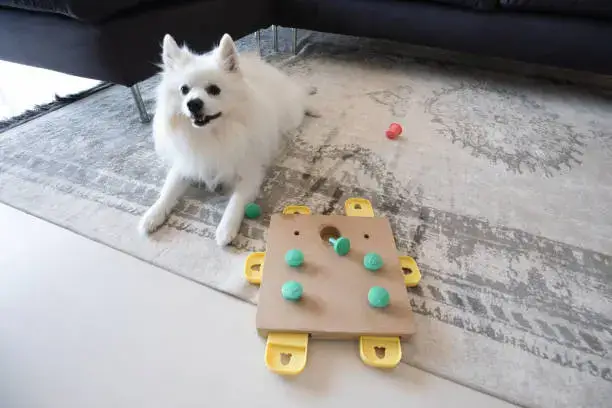
Many owners assume that enrichment requires expensive toys, but that is not true. There are practical Puzzle Feeder Ideas that use everyday items found in most homes. These setups support slower eating, mild problem-solving, and calmer indoor behavior. They also help express the dog’s foraging instinct without creating a mess or requiring advanced training. Below are three categories of DIY approaches that are easy to set up, low-cost, and beginner-friendly.
Using cardboard rolls and boxes
Cardboard is one of the most flexible materials for Puzzle Feeder Ideas. Paper towel rolls, toilet rolls, and shipping boxes can turn into simple DIY dog puzzle feeders with very little effort. These tools work well because dogs can nudge, sniff, and manipulate the object while working toward food access.
Examples of cardboard-based Puzzle Feeder Ideas include:
- Stuffing kibble into a paper roll and folding both ends
- Cutting small holes into a roll so kibble drops out when pushed
- Hiding dry food under layers of cardboard flaps in a shallow box
These options promote scent-based exploration and light problem-solving. Dogs sniff through the openings and learn how movement releases food. Because cardboard has texture variety, it offers tactile feedback but remains safe when used under supervised activity. If a dog tends to shred cardboard, owners can shorten session length and remove pieces once empty to keep it controlled.
Difficulty can be adjusted easily:
- Make it easier by leaving openings large and food visible
- Make it harder by folding the ends or adding light barriers inside
Most dogs enjoy these DIY dog puzzle feeders because they combine the smell of food with the sound of kibble moving through cardboard. This connects directly to the dog’s natural foraging instinct, creating realistic indoor enrichment without buying new equipment.
Muffin tray as a puzzle feeder
A muffin tray is a steady surface that helps dogs slow down during meals. It is one of the simplest Puzzle Feeder Ideas for owners new to enrichment. The concept is straightforward: place a portion of kibble or treats into each cup and optionally cover some cups with tennis balls, fabric scraps, or small containers.
This creates a homemade dog food puzzle that encourages the dog to investigate each cup individually. Benefits include:
- Slower food intake
- More sniffing and cognitive engagement
- Easy portion control
- Minimal cleanup after use
To make sessions more interesting, owners can rotate difficulty:
- No covering objects for beginners
- Tennis balls on several cups for intermediate dogs
- Balls + fabric + containers for experienced dogs
This design encourages trial-and-error learning. Dogs lift or nudge objects to reveal food, supporting motor skills and patience. Because everything remains in one tray, indoor mess is reduced and feeding routines stay controlled. For dogs sensitive to noise, owners can place a towel under the tray for a quieter experience.
Towel wrap slow-feeding method
Soft fabrics are overlooked but effective materials for Puzzle Feeder Ideas. A towel wrap puzzle is simple: scatter kibble across an open towel, roll it loosely, and allow the dog to unroll or nose through the layers. This format focuses more on scent-based exploration and gentle manipulation than pushing or pawing.
Owners can adjust the roll to change difficulty:
- Loose roll for beginners
- Tighter roll for intermediate dogs
- Multiple folds for dogs who enjoy challenges
Because the towel provides texture variety and predictable resistance, most dogs engage without frustration. It is also suitable for older dogs that are less inclined to chase moving objects. Adding a towel puzzle a few days per week helps maintain mental stimulation while avoiding repetition fatigue.
These simple household Puzzle Feeder Ideas are accessible, flexible, and safe when used with supervised activity. By reusing common items, owners can create meaningful enrichment without cost barriers. When combined with other homemade dog food puzzle setups, these tools form a well-rounded indoor routine that supports slower eating, foraging instinct, and daily mental exercise.
Low-Cost Puzzle Feeder Ideas for Budget-Friendly Enrichment
Not every household owns specialty dog feeders, and that is fine. There are many low-cost Puzzle Feeder Ideas that rely on simple materials, safe textures, and basic problem-solving. These setups help slow down meals, keep dogs occupied indoors, and reduce boredom without requiring new purchases. Below are three practical categories that dog owners can set up with minimal effort.
Bottle-style food dispensers
Plastic bottles are one of the most affordable Puzzle Feeder Ideas, especially for high-energy dogs that enjoy movement. The concept is simple: place kibble inside a clean, dry plastic bottle and cut or drill one or two small openings. When the dog pushes or rolls the bottle, kibble falls out slowly.
Why bottle-based Puzzle Feeder Ideas work:
- Rolling adds gentle physical activity
- Sound of kibble increases engagement
- Openings slow down feeding
- Difficulty can be customized
If a dog becomes frustrated or loses interest, owners can widen the openings so food releases more easily. If a dog finishes too quickly, owners can reduce hole size or use smaller kibble pieces. This flexibility makes bottle-based Puzzle Feeder Ideas beginner-friendly and adaptable across breeds.
For safety, dogs should always be supervised to prevent chewing on bottle caps or sharp edges. Selecting thicker plastic helps maintain durability. Some owners wrap bottles in fabric or tape to soften noise for anxious dogs who dislike rattling sounds.
Plastic container maze
Another budget-friendly design involves using shallow plastic containers or food storage bins. Owners can scatter kibble across the bottom and create a miniature maze by placing smaller containers, empty cups, silicone molds, or ball-shaped objects inside. This creates a set of Puzzle Feeder Ideas that promote sniffing and maneuvering around obstacles.
Advantages of container-maze Puzzle Feeder Ideas include:
- Slower intake through scent-based exploration
- Adjustability by adding or removing obstacles
- Reduced risk of gulping large quantities at once
- Easy cleanup after feeding sessions
Dogs that enjoy problem-solving will navigate cups and molds with their nose, while cautious dogs may start slowly and gain confidence. To increase difficulty, owners can partially cover kibble with small containers or place fabric pieces between layers.
Container mazes are also quieter than rolling feeders, making them good for apartments or sensitive dogs. With consistency, maze-style Puzzle Feeder Ideas encourage controlled feeding, patience, and focused indoor activity.
Silicone molds as slow feeders
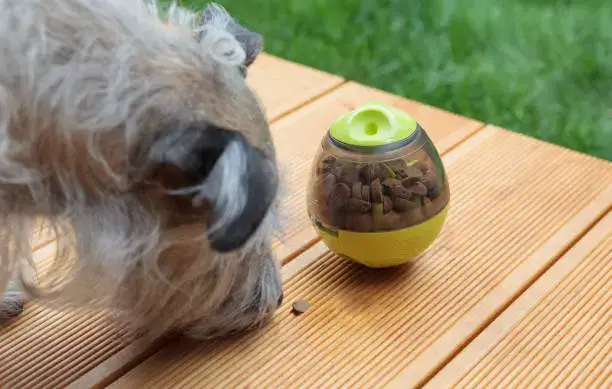
Silicone baking molds or ice cube trays create natural compartments for food. This makes them a low-cost version of structured Puzzle Feeder Ideas. Spread kibble or soft food into each section and allow the dog to lick or pick pieces out one by one. This texture variety engages licking instincts and supports slower feeding.
Silicone mold Puzzle Feeder Ideas offer:
- Extended feeding duration
- Easy portion control
- Quiet indoor use
- Dishwasher-safe cleanup
To increase complexity, owners can freeze part of the meal, layer food, or add small blockers like carrot sticks or apple slices. Because silicone provides resistance, dogs must work patiently without high frustration.
These budget-friendly Puzzle Feeder Ideas prove that enrichment does not depend on specialized gear. With basic items like bottles, containers, and molds, owners can rotate setups, adjust difficulty, and maintain mental stimulation without adding cost barriers.
Indoor Puzzle Feeder Ideas for Rainy Days and Calm Evenings
Indoor routines matter on days when outdoor walks or play sessions are limited. Structured Puzzle Feeder Ideas are useful during rainy days, hot weather, or quiet evenings when dogs need something productive to do. Indoor enrichment does not replace exercise, but it reduces boredom and supports calmer behavior in shared spaces. Below are three categories well suited for indoor settings.
Snuffle-based foraging setups
Snuffle-style Puzzle Feeder Ideas rely on scent-based exploration. Owners can scatter kibble in fabric folds, under blankets, inside snuffle mats, or between sofa cushions if supervised. Dogs follow scent trails, push their nose into layers, and locate food at a slower pace.
Benefits of snuffle-focused Puzzle Feeder Ideas:
- Encourages natural foraging instincts
- Suitable for dogs of all ages
- Low noise and minimal mess
- Works well with small kibble or dry treats
Difficulty adjustments:
- Easier: scatter food loosely on surface
- Moderate: hide under soft layers
- Harder: create folds or pockets
Because snuffle-based Puzzle Feeder Ideas rely on mental effort rather than speed, many dogs finish calmer than they started.
Lick-based calming feeders
Licking behaviors can reduce arousal and support relaxation. Lick-based Puzzle Feeder Ideas use silicone mats, baking sheets, or food-safe containers where soft food can be spread thinly. Dogs must work gradually, licking food off textured surfaces.
Benefits of lick-focused Puzzle Feeder Ideas include:
- Extended feeding duration
- Reduced gulping behaviors
- Mild mental fatigue
- Quieter indoor engagement
Soft food options such as yogurt (plain, unsweetened), pumpkin puree, or soaked kibble can extend session time. For more challenge, owners can freeze the meal beforehand. This slows progress and increases texture resistance without increasing frustration.
Scavenger-feeding game

A scavenger-style approach turns the home into a safe search area. This category of Puzzle Feeder Ideas involves hiding food in predictable spots around a room. Dogs use their nose to locate pieces, move around furniture, and navigate controlled pathways.
Scavenger-style Puzzle Feeder Ideas work well for:
- Low-energy days
- Small living spaces
- Dogs that enjoy scent work
- Owners who want quiet enrichment
Difficulty scaling:
- Easy: visible pieces on floor
- Medium: behind furniture legs
- Hard: under objects or inside containers
This style of enrichment also pairs well with meal rotation. Instead of feeding everything in a bowl, owners distribute part of the meal through a scavenger pattern. Because these Puzzle Feeder Ideas promote gentle movement and mental stimulation, dogs tend to relax afterward.
Indoor Puzzle Feeder Ideas support scent-based exploration, licking behaviors, and quiet problem-solving. They are suitable for limited outdoor days and promote calmer indoor routines without overexciting the dog.
Outdoor Puzzle Feeder Ideas for High-Energy Dogs
Outdoor environments allow more movement, more scent trails, and longer sessions. These Puzzle Feeder Ideas work well for energetic dogs that need structured activities to stay regulated. With space to roll, forage, or search, dogs can engage in light exercise and mental tasks at the same time. The setups below require minimal equipment but must always remain supervised.
Rolling-based outdoor dispensers
Rolling toys amplify physical activity while adding feeding duration. Outdoor rolling Puzzle Feeder Ideas can be made from plastic jugs, sturdy bottles, or treat balls with adjustable openings. When the dog pushes or chases the object, food drops gradually.
Why rolling works outdoors:
- Allows trial-and-error learning
- Supports food motivation
- Reduces pacing and boredom
- Encourages problem-solving behavior
For beginners, owners can widen the openings so kibble dispenses easily. For experienced dogs, openings can be smaller to extend feeding duration. These Puzzle Feeder Ideas promote mild mental fatigue and calmer transitions into indoor routines.
Scatter-and-seek foraging
Scatter-based Puzzle Feeder Ideas tap into natural foraging instincts. Owners distribute kibble in grass, under leaves, or along a small section of yard. Dogs must follow scent trails, sniff carefully, and explore small areas.
Benefits include:
- Lower arousal than fetch play
- Strong scent-based exploration
- Controlled movement without sprinting
- Predictable boundaries when fenced
To keep things structured, owners should start in small sections of lawn rather than the entire yard. As dogs improve, the area can be expanded. These Puzzle Feeder Ideas are ideal for dogs that enjoy sniffing activities more than chasing toys.
Obstacle-based food placement
Simple outdoor obstacles can create more complex Puzzle Feeder Ideas. Common examples include placing kibble:
- Under shallow flowerpots
- Between patio furniture
- Inside cardboard boxes
- Behind short barriers
Dogs must navigate objects or reposition items to access food. This builds patience and awareness of the environment. Rotating obstacles prevents predictability and supports enrichment rotation.
For safety, obstacles should be lightweight and easy to move. Sharp edges or heavy items should be avoided. When done well, obstacle-style Puzzle Feeder Ideas extend mealtime, develop confidence, and allow owners to manage energy outdoors without overstimulation.
Outdoor Puzzle Feeder Ideas give energetic dogs a productive outlet while reinforcing calmer post-activity behavior. They also help balance physical and cognitive needs on days when structured walks are not enough.
Frequently Asked Questions (FAQs)
Below are common owner questions that appear when people search for Puzzle Feeder Ideas. These answers are short, practical, and based on safe enrichment principles.
Q1: Are puzzle feeders safe for all dogs?
Most Puzzle Feeder Ideas are safe when supervised. Size, durability, and difficulty should match the dog’s behavior and physical ability.
Q2: Can puppies use puzzle feeders?
Yes. Many Puzzle Feeder Ideas help puppies slow down eating and encourage gentle problem-solving as long as difficulty remains low.
Q3: How often should I rotate puzzle feeders?
Rotation prevents boredom. Many owners rotate Puzzle Feeder Ideas every 2–3 days to keep activities fresh and predictable.
Q4: What if my dog gets frustrated?
Reduce difficulty. For many Puzzle Feeder Ideas, widening openings or reducing barriers allows faster success and keeps motivation stable.
Q5: Can puzzle feeders replace walks?
No. Puzzle Feeder Ideas support mental stimulation but do not replace structured outdoor exercise when appropriate.
Q6: What foods work best for puzzle feeders?
Dry kibble is easiest for most Puzzle Feeder Ideas, but soaked kibble or soft foods can work in lick-based setups.
Q7: How long should a session last?
Many Puzzle Feeder Ideas last 5–20 minutes depending on difficulty, feeding method, and dog motivation.
Q8: Can puzzle feeding help picky eaters?
Sometimes. Certain Puzzle Feeder Ideas increase food motivation through scent and novelty, but picky eating can have many causes.
Q9: Do puzzle feeders make dogs tired?
Yes. Problem-solving tasks within Puzzle Feeder Ideas can create light mental fatigue, supporting calmer post-meal behavior.
Conclusion
Puzzle Feeder Ideas offer an accessible way to enrich mealtime, extend feeding duration, and support calmer indoor routines without specialized tools. From cardboard rolls to snuffle-based setups, owners can choose approaches that fit their dog’s size, motivation, and temperament. The most effective Puzzle Feeder Ideas are supervised, adjustable, and rotated regularly to maintain engagement and prevent boredom. For additional enrichment strategies beyond feeding, visit the PetCareCompass pillar page:
https://petcarecompass.com/toys-and-enrichment-tools-at-home-for-dogs
Further reading on behavior-focused enrichment (veterinary-authored):
American Veterinary Medical Association — Enrichment Overview
