

Keeping your dog’s ears healthy is essential for their overall wellbeing. Ear infections are common, especially in dogs with floppy ears or active lifestyles, and they can lead to discomfort, behavioral changes, and even hearing loss if untreated. This guide provides proven ear infection prevention techniques you can implement easily at home. From gentle cleaning routines to grooming practices and recognizing early warning signs, you’ll learn practical, stress-free strategies to help your dog maintain healthy ears. Many professionals recommend consistent care and early intervention, and if issues persist, consulting a licensed veterinarian is always the safest option.
Understanding Ear Infections in Dogs
Before preventing ear infections, it’s important to understand what causes them. Ear infections occur due to bacteria, yeast, allergies, or foreign objects. Some breeds are more susceptible, making early recognition of symptoms crucial for effective ear infection prevention.
Common Causes of Ear Infections
Bacterial and Yeast Overgrowth
Moisture in the ears, whether from swimming, bathing, or humid environments, creates an ideal environment for bacteria and yeast. Regular checks help catch early signs before infections take hold.
Allergies
Food allergies or environmental allergens like pollen and dust mites can inflame the ear canal, making infections more likely.
Foreign Objects
Grass seeds, dirt, and small debris can irritate the ear canal, triggering inflammation and infection. Always check ears after outdoor activities.
Signs Your Dog May Have an Infection
Scratching and Head Shaking
Frequent scratching or shaking the head often indicates discomfort in the ear.
Odor and Discharge
A foul smell or unusual discharge is a strong signal that an infection may be present.
Redness and Swelling
Inflammation or swelling inside the ear canal or around the ear flap can indicate early-stage infection.
Essential Ear Cleaning Routine for Prevention
A consistent ear cleaning routine is one of the most effective ways to support ear infection prevention. Regular care removes debris and moisture, reducing bacterial and yeast growth.
Choosing the Right Cleaning Solution
Vet-Approved Ear Cleaners
Use solutions recommended by your veterinarian to ensure safety and effectiveness.
DIY Solutions: Pros and Cons
Homemade solutions like diluted apple cider vinegar may help, but improper concentrations can harm your dog’s ears.
Avoiding Harmful Products
Never use alcohol, hydrogen peroxide, or harsh soaps, as these can damage the sensitive ear canal.
Step-by-Step Cleaning Process
Inspect the Ear First
Look for redness, swelling, or discharge. If you notice severe symptoms, consult your vet before cleaning.
Apply Cleaner Safely
Gently apply a few drops of ear cleaner into the ear canal, avoiding forceful insertion.
Wipe Gently Without Damaging the Ear Canal
Use a soft cotton ball or gauze to remove debris. Never use cotton swabs inside the canal, as this can push dirt further in.
Grooming Practices That Support Ear Health
Proper grooming is key to ear infection prevention. Keeping hair around the ears trimmed and drying ears after baths minimizes moisture and reduces infection risk.
Hair and Fur Management Around Ears
Trimming Excess Hair
For dogs with hairy ear canals, trimming excess hair improves airflow and reduces trapped debris.
Handling Floppy Ears
Gently lift and inspect floppy ears regularly. Keeping them clean and dry is crucial to preventing infections.
Seasonal Grooming Considerations
Adjust grooming frequency in humid seasons to prevent excessive moisture buildup.
Bathing and Drying Techniques
Avoid Water in Ear Canal
Prevent water from entering the ear during baths. Tilting the head slightly can help protect the canal.
Use of Absorbent Towels and Drying Aids
Pat the ears dry gently after baths or outdoor activities. Some owners use vet-approved ear drying solutions if recommended.
Frequency of Baths for Sensitive Ears
Bath dogs only as needed. Over-bathing can strip natural oils and increase sensitivity.
Internal Link:
For more comprehensive hygiene tips, visit Dog Hygiene at Home Made Easy.
Tips for Quick Reference:
- Inspect ears weekly, especially for floppy-eared dogs.
- Clean gently using vet-approved solutions.
- Keep hair trimmed around the ear canal.
- Dry ears thoroughly after baths or swimming.
- Watch for early signs like odor, redness, or scratching.
Diet and Nutrition Tips for Healthy Ears

Nutrition plays a key role in your dog’s overall health, including ear health. A well-balanced diet can support immune function, reduce inflammation, and contribute to ear infection prevention. Certain nutrients and foods strengthen the body’s natural defenses, helping to keep ears clean and healthy without over-relying on medications.
Essential Nutrients for Ear Health
Omega-3 Fatty Acids
Omega-3 fatty acids, found in fish oil or flaxseed, can reduce inflammation in the ear canal and improve skin health. Many vets recommend adding a small dose of omega-3 supplements to your dog’s diet for ear and coat benefits.
Vitamins and Minerals
Vitamins A, E, and zinc support skin integrity and immune function. A deficiency can make dogs more susceptible to infections. Incorporate nutrient-rich foods like sweet potatoes, carrots, and lean meats to maintain healthy ears naturally.
Foods to Support Ear Resistance
Anti-Inflammatory Ingredients
Ingredients like turmeric, salmon, and pumpkin can help reduce systemic inflammation, lowering the risk of ear canal irritation.
Probiotic Benefits
Probiotics support gut health, which can indirectly impact immune response and skin health. Yogurt, kefir, or vet-approved probiotic supplements may help strengthen your dog’s resistance to infections.
Environmental Strategies to Reduce Infection Risk

Your dog’s surroundings can greatly affect ear health. Simple environmental adjustments make ear infection prevention easier and more effective.
Keep Ears Dry After Outdoor Activities
Swimming Safety
Rinse and dry your dog’s ears after swimming. Using a vet-approved drying solution can help prevent bacteria and yeast growth.
Rain and Wet Conditions
After rain or walks in puddles, gently towel-dry your dog’s ears. Moisture left in the ear canal creates a perfect environment for infections.
Reduce Allergen Exposure
Indoor Air Quality Tips
Keep your home clean from dust, pollen, and mold. HEPA filters and regular vacuuming can reduce airborne allergens that trigger ear inflammation.
Seasonal Allergen Management
During high pollen seasons, limit outdoor exposure or wipe your dog’s ears with a damp cloth after walks to remove allergens.
Behavioral Habits That Protect Ear Health
Daily habits and routines can significantly reduce the risk of ear infections. Teaching your dog to tolerate handling and monitoring ears regularly makes ear infection prevention practical and stress-free.
Encouraging Gentle Ear Handling
Desensitization Exercises
Introduce gentle ear touching during play or petting sessions. Gradually increase contact so your dog associates ear care with positive experiences.
Reward-Based Training
Use treats and praise to reward calm behavior during inspections and cleaning. This reduces stress for both you and your dog.
Monitoring and Early Detection
Weekly Ear Checks
Set aside time weekly to visually inspect your dog’s ears. Look for redness, odor, swelling, or discharge to catch potential infections early.
Using Logs for Symptoms
Maintain a simple ear health log noting any unusual signs or changes. Tracking symptoms helps your vet make informed recommendations if issues arise.
Quick Tips for Easy Reference:
- Include omega-3 rich foods or supplements in your dog’s diet.
- Keep ears dry after swimming or rain exposure.
- Reduce indoor allergens with regular cleaning and HEPA filters.
- Train your dog to tolerate ear handling using positive reinforcement.
- Inspect ears weekly and track any unusual signs.
Advanced Tips for High-Risk Dogs
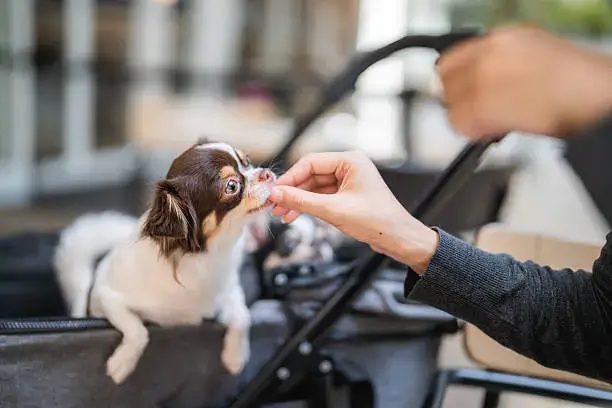
Certain dogs are more prone to ear infections due to breed, genetics, or chronic conditions. Implementing targeted strategies improves ear infection prevention for these high-risk pets and reduces discomfort.
Breeds Prone to Ear Infections
Floppy-Eared Dogs
Breeds like Cocker Spaniels, Basset Hounds, and Labrador Retrievers have ears that trap moisture and debris, creating an ideal environment for infections. Regular inspections and cleaning are essential.
Dogs with Hairy Ear Canals
Dogs with dense ear hair, such as Poodles or Shih Tzus, benefit from careful trimming to improve airflow and reduce trapped debris that can lead to infections.
Medical and Preventive Care
Routine Vet Checkups
Regular veterinary visits help detect early signs of ear issues. Your vet can recommend preventive treatments or specialized cleaning regimens for high-risk dogs.
Medicated Drops and Ointments
For dogs with chronic issues, vet-prescribed ear drops or ointments may be necessary. Follow your veterinarian’s instructions carefully to prevent overuse and resistance.
Creating a Daily Ear Health Checklist
A structured daily routine makes ear infection prevention practical and consistent, keeping your dog comfortable and reducing long-term problems.
Morning and Evening Ear Care
Quick Visual Inspection
Check for redness, swelling, or discharge. Early detection prevents minor issues from becoming serious infections.
Gentle Cleaning if Needed
Use vet-approved ear solutions and soft cotton to remove any debris. Avoid inserting cotton swabs into the ear canal.
Weekly and Monthly Tasks
Detailed Ear Checks
Lift the ear flap and examine the canal thoroughly. Look for odor or buildup that may indicate infection.
Grooming and Hair Maintenance
Trim excess hair around the ear canal, especially for breeds with long or dense hair. Regular grooming supports airflow and reduces moisture.
FAQ on Ear Infection Prevention
Q: What are the most common causes of ear infections in dogs?
A: Bacteria, yeast, allergies, moisture, and foreign objects are the primary causes. Some breeds are more susceptible due to ear shape or hair density.
Q: How often should I clean my dog’s ears?
A: Weekly inspections are recommended. Cleaning frequency depends on breed, activity level, and veterinary advice. Over-cleaning can irritate the ear canal.
Q: Can diet really influence ear health?
A: Yes, omega-3 fatty acids, vitamins, and probiotics support immune function and skin health, indirectly helping prevent ear infections.
Q: When should I see a vet for ear issues?
A: If you notice persistent odor, discharge, redness, swelling, or your dog shows discomfort, consult a licensed veterinarian immediately.
Quick Daily Checklist for Ear Health:
- Morning: Quick visual check for odor, redness, or debris.
- Evening: Gentle wipe or cleaning if necessary.
- Weekly: Lift ear flaps, inspect canals thoroughly.
- Monthly: Groom hair around ears and trim if needed.
- Keep a log of any unusual symptoms or behavior changes.
- Reward your dog during checks to maintain a stress-free routine.
Final Thoughts on Ear Infection Prevention for Dogs
Maintaining healthy ears is essential for your dog’s comfort, behavior, and overall wellbeing. By understanding the causes of ear infections, implementing a consistent cleaning and grooming routine, providing proper nutrition, and monitoring environmental and behavioral factors, you can dramatically reduce the risk of infections. High-risk breeds and dogs with chronic ear issues benefit even more from targeted preventive care and regular veterinary checkups.
Remember, early detection and consistent daily care are key. Simple steps like weekly inspections, gentle cleaning, proper drying after baths or outdoor activities, and rewarding your dog for calm ear handling can make ear health stress-free and manageable. Combining these practical strategies ensures your dog stays happy, healthy, and free from the discomfort of ear infections. Many professionals recommend integrating these habits into your routine to create a long-term, proven system for ear infection prevention.
