Essential Hot Weather Gear for Dogs: Protection and Comfort
Summer heat affects dogs faster than people, especially during outdoor activities. Using the right hot weather gear for dogs helps reduce heat stress, protect paws, and keep dogs comfortable during walks, play, and travel. This guide shares safe, beginner-friendly tips you can apply at home without special tools.
Understanding Hot Weather Gear for Dogs
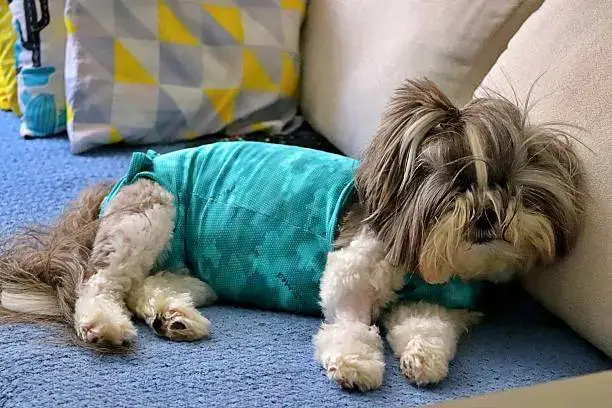
Essential hot weather kit including cooling vest, bandana, and portable hydration tools.
Dog owners often think heat only affects exercise time, but hot weather gear for dogs plays a role in passive overheating as well. This section explains why heat protection matters, what types of gear exist, and how dogs naturally cool themselves.
Why Heat Protection Matters
Dogs don’t sweat like humans—they rely on panting and limited paw sweating to cool down. When temperatures rise, dog hot weather gear offers simple barriers against heat buildup, sun exposure, and hot surfaces.
Real-life example: A short evening walk on warm pavement can raise body temperature quickly, especially in short-nosed breeds.
Types of Protective Summer Gear
There are different categories of summer hot weather gear for dogs, each serving a specific function. Owners can mix and match based on climate, breed, and outdoor habits.
❄️ Cooling Gear
Cooling vests, cooling bandanas, evaporative shirts. Helps pull heat away from the body during active and rest periods.
🛡️ Protective Gear
Dog shoes, UV shirts, reflective capes. Shields sensitive skin and paw pads from surface heat and direct radiation.
🌬️ Comfort Gear
Breathable harnesses, ventilated carriers, shade tents. Maintains natural airflow and prevents trapped body heat.
Owners choose summer weather gear for dogs based on three factors: temperature, ground surface, and sun exposure. For example, a cooling vest is useful during shaded walks, while dog boots are essential on hot pavement. Having a small set of gear for hot weather makes planning walks much easier.
How Dogs Handle Heat & Cool Down
Unlike humans, dogs regulate heat through dog hot weather gear + natural cooling methods such as panting and lying on cool surfaces. Gear doesn’t replace biology, but it reduces environmental heat load so the dog doesn’t work as hard to stay cool.
Natural Cooling Mechanisms:
- Panting to move warm air out
- Vasodilation (blood vessels widen) near ears, face, and paws
- Limited sweating through paw pads
- Seeking shade or tile floors
Choosing Cooling Vests and Functional Clothing
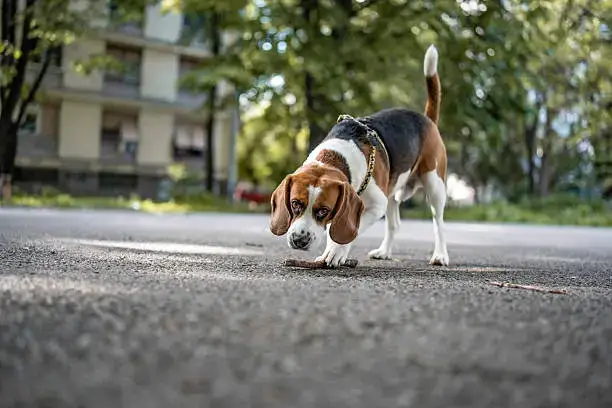
Shaded walks combined with cooling gear offer optimal protection during warm hours.
Many dog owners assume fur is enough insulation, but summer hot weather gear gives dogs an added layer of heat control during walks and car travel. This section explains how cooling vests work, which materials are safer for summer, and how to size gear correctly for movement and comfort.
How Cooling Vests Work
Cooling vests are a type of hot weather gear for dogs designed to lower surface temperature through evaporative cooling. When water evaporates from the vest, it pulls heat away from the body, helping prevent rapid heat buildup during light activity. A cooling vest soaked in water can stay effective for 20–40 minutes depending on humidity.
Breathable & Reflective Materials (What to Look For)
Materials matter when choosing protective hot weather gear because poor airflow traps heat instead of releasing it. Summer clothing should allow sweat evaporation, reduce UV absorption, and reflect sunlight.
Key Material Characteristics:
- Breathable mesh: Releases warm air
- Moisture-wicking fabric: Supports rapid evaporation
- Reflective outer layer: Reduces radiant heat absorption
- Quick-dry lining: Prevents dampness and discomfort
Fit, Sizing, and Movement (Beginner Tips)
Fit affects how well gear for hot weather works, because tight clothing restricts airflow while loose clothing reduces contact needed for cooling.
Basic Sizing Protocols:
- Measure the chest girth (most critical for vest fit)
- Check the neck opening for unhindered panting comfort
- Ensure the vest does not cover or pinch armpits
- Verify straps allow full range of motion
Protecting Paws from Hot Pavement

Hydration breaks prevent rapid thermal distress during summer outings.
Pavement absorbs radiant heat and stays hot long after sunset, so protective hot weather gear for paws becomes essential in many climates. Pavement can exceed air temperature by 15–25°C, meaning 32°C weather can produce 50–60°C pavement.
Dog Shoes & Paw Protection Tools
Paw Protection Options:
- Dog boots / shoes: Complete physical heat barrier
- Paw wax / balms: Hydrophobic thermal protection
- Disposable booties: Lightweight, temporary shields
- Rubberized soles: High-traction heat resistance
Choosing Safe Walking Surfaces
Surface choice matters as much as summer hot weather gear for dogs, because even the best shoes won’t compensate for extreme conditions.
Safer Summer Walking Surfaces:
- Grass patches and open parks
- Dirt trails with natural canopy cover
- Shaded sidewalks away from direct sun
- Indoor turf or cool tile corridors
Cooling Mats, Crate Setups, and Rest Areas
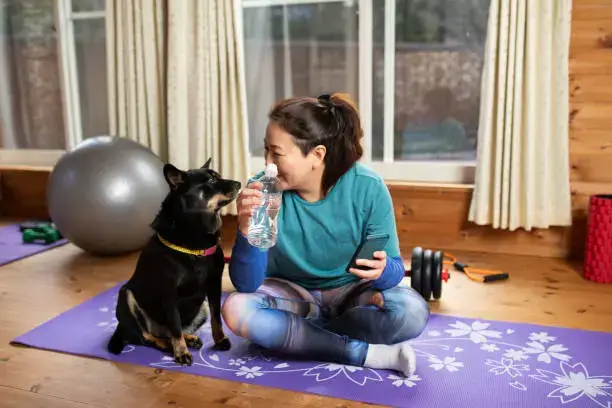
Cooling mats provide contact cooling for effective thermal regulation indoors.
Dogs need breaks during summer, and hot weather gear for dogs can support them during these rest periods.
Types of Cooling Mats
- Gel-based cooling mats: Lightweight and highly portable for travel.
- Water-filled cooling pads: Sustained low temperature, ideal for crates.
- Memory foam cooling beds: Pressure relief with integrated heat-dissipating gel.
- Phase-change cooling pads: Advanced thermal regulation for long-term comfort.
Shaded Rest Zones & Airflow
Indoor & Outdoor Setup Tips:
- Position shade canopies or umbrellas in open yards
- Use mesh crate covers to encourage maximum airflow
- Place rest zones near indoor fans (avoiding direct eye exposure)
- Utilize elevated beds to promote under-body convection
Hydration Strategies & Outdoor Activity Timing
Water supports heat regulation, and dog hot weather gear works better when dogs stay hydrated. Offer water every 20–30 minutes during walks and use portable bowls during travel.
Optimal Walking Windows:
- Early Morning: Before 9 AM (lowest surface temps)
- Late Evening: After 6–7 PM (reduced radiant heat)
- Midday: Limit strictly to short, shaded potty breaks
Monitoring Comfort & Heat Stress Signs
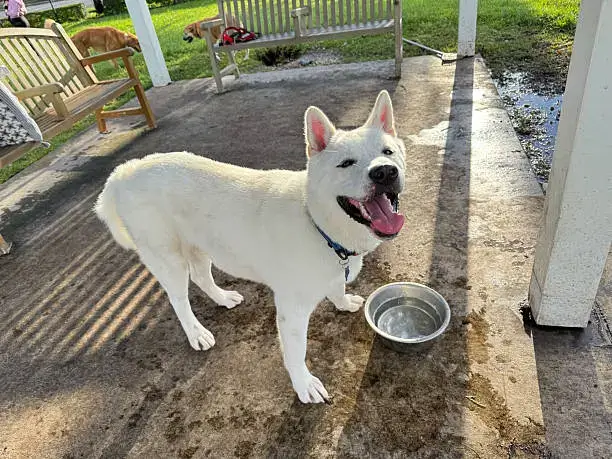
Recognizing panting and shade-seeking behavior allows for quick intervention.
Physical Warning Signals That Need Attention:
- Rapid, heavy panting or thick saliva
- Dark red or dry gums
- Warm ears, belly, or visible muscle trembling
- Reluctance to move or seeking cool floors repeatedly
Action Protocol: Pause activities immediately, offer small amounts of water, and move to a shaded or air-conditioned indoor space.
Frequently Asked Questions (FAQs)
Q1: Do small dogs handle heat better or worse?
Small dogs often have less efficient temperature regulation due to smaller body mass. Tolerance varies by breed, so behavioral observation remains essential.
Q2: Are cooling vests safe for senior dogs?
Cooling vests are generally safe for senior dogs when lightweight and breathable. Monitor the dog during the first 10–15 minutes to ensure comfort.
Q3: How long can a dog stay outside in high heat?
It depends on breed, age, and activity level. A simple rule: higher temperatures mean shorter outdoor time. Fresh water and shade should always be accessible.
Q4: Should I wet my dog’s fur on hot days?
Yes, but cooling is more effective when wetting the belly, paws, and neck rather than the entire coat. Full soaking may trap moisture in thick double coats.
Q5: Do thick-coated dogs overheat faster?
Not always. The outer coat can act as insulation against direct sunlight, but mats or unbrushed fur retain heat and increase risk.
Q6: Can dogs walk on hot pavement?
Use the 5–7 second hand test. If you cannot hold your hand on the pavement, your dog should not walk on it. Protective boots can help when necessary.
Q7: Is panting always a sign of overheating?
No. Panting is a normal cooling mechanism. Key indicators are speed, sound, and recovery time. If panting does not slow after rest, it may signal heat stress.
Q8: Do brachycephalic breeds need extra care?
Yes. Breeds like Pugs, Bulldogs, and Frenchies have narrower airways and less efficient cooling. Cool environments, short activities, and careful monitoring are required.
Conclusion
Managing dogs in hot conditions is straightforward when you know how to support natural cooling, adjust activities, observe behavior, and choose appropriate equipment. Building safe daily habits ensures long-term comfort for your dog.
Find More Dog Care Guides
Continue exploring practical guides related to this topic.