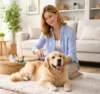
Introducing your new companion to Grooming for Puppies is about much more than aesthetic appeal. It is a critical component of their developmental socialization, teaching them to be comfortable with being handled, touched, and exposed to new sensory experiences. During the first few months of life, puppies are incredibly impressionable. A positive start prevents lifelong phobias of water, nail clippers, or professional grooming environments. This guide is designed to help you navigate the early stages of Hygiene Management with patience and precision. By utilizing Positive Reinforcement and gradual desensitization, you can ensure your puppy remains calm and cooperative, turning every bath and brush session into an opportunity for trust-building.
- Tactile Desensitization: Getting them used to their paws, ears, and mouth being touched.
- Sensory Adaptation: Gradual exposure to the sounds of clippers and the feel of running water.
- Health Monitoring: Using grooming as a time to check for skin issues, parasites, or abnormalities.
Beyond Aesthetics: Why Early Grooming is Essential
Grooming for Puppies is often misinterpreted as purely cosmetic. In reality, it serves as one of the most vital forms of Developmental Handling. During the “Critical Socialization Window” (typically up to 16 weeks), puppies are forming permanent neurological associations with touch and sensory input.
🧠 Handling Tolerance
By introducing gentle touch to paws, ears, and tails early, you build Predictable Safety. This prevents “handling sensitivity” that often leads to reactive behavior in adult dogs.
🛡️ Emotional Resilience
Puppies exposed to calm, Incremental Grooming learn that new sensations aren’t threats. This confidence transfers to vet visits and public social environments.
The “Touch Before Tools” Philosophy
A fundamental mistake in Grooming for Puppies is rushing toward clippers or brushes. Success is rooted in Cooperative Care—teaching the puppy to opt-in to the process. Before introducing a tool, ensure the puppy is relaxed with your hand movement near the area.
“Always end a grooming session while your puppy is still calm. Stopping before they become restless teaches them that the session concludes through cooperation, not through struggle or panic.”
Early Health Surveillance & Detection
Grooming provides an unparalleled opportunity for Preventative Health Monitoring. Because puppies grow at an accelerated rate, subtle physical changes can be easily overlooked without a hands-on hygiene routine.
- Dermatological Check: Identifying early signs of puppy pyoderma, irritation, or dryness.
- Parasite Defense: Detecting ticks or “flea dirt” before an infestation takes hold.
- Growth Monitoring: Noticing unusual bumps, wounds, or changes in coat texture that may require a Veterinary Consultation.
📊 The Long-Term Impact: Studies in canine behavior show that dogs introduced to professional-level handling before 12 weeks of age are 40% more cooperative during medical examinations throughout their lifespan.
Developmental Grooming: Adapting to Growth Stages
Puppies are not merely miniature adults; their Cognitive Development and Sensory Thresholds evolve rapidly during the first six months. A “one-size-fits-all” approach often leads to overstimulation. Successful Grooming for Puppies requires a stage-based strategy that respects their emotional and physical maturity.
🌱 Phase 1: 8–12 Weeks (Trust & Exposure)
Focus exclusively on Positive Association. At this age, puppies are adjusting to their new environment.
- Objectives: Brief hand contact, soft brush introduction, and calm verbal cues.
- Avoid: High-pressure water, loud hair dryers, or prolonged restraint.
🚀 Phase 2: 3–6 Months (Routine & Consistency)
Attention spans increase, and the Puppy Coat Transition may begin. Focus on establishing a predictable rhythm.
- Objectives: Longer brushing sessions, introduction to nail trimming, and recognizing “grooming cues.”
- Focus: Reliability and cooperative behavior over novelty.
Understanding Coat Dynamics & Genetics
The grooming requirements for a puppy are largely dictated by their genetic coat type. Early intervention prevents painful matting and skin irritation during the transition from puppy down to adult fur.
| Coat Type | Grooming Focus |
|---|---|
| Short/Smooth | Removing loose dander and proactive skin inspection. |
| Long/Silky | Daily detangling and prevention of early-stage matting. |
| Double Coat | Undercoat management during seasonal transitions. |
⚖️ A Note on Flexibility: Behavioral progress is rarely linear. If your puppy is teething or going through a “fear period,” temporarily reduce grooming intensity. Adapting to their Emotional Capacity is far more important than adhering to a rigid schedule.
Architecting a Low-Arousal Grooming Environment
A successful Grooming for Puppies routine is 70% environment and 30% technique. Puppies process sensory information at a much higher intensity than adult dogs; therefore, the space you choose acts as the foundation for their emotional regulation during the process.
🏡 The Ideal Home Salon Setup
- Surface Stability: Always use a rubber mat or a non-slip towel. Slipping causes immediate cortisol spikes in puppies, leading to a “fear of falling” association.
- Acoustic Control: Choose a room away from high-traffic areas or loud appliances to maintain Sensory Focus.
- Strategic Timing: Aim for “Post-Nap Clarity”—the period after a puppy has exercised and rested, but before they reach peak play energy.
Sensory Acclimatization to Tools
Introduction to tools should be an exploratory, elective process. Never force a brush or clipper into a puppy’s personal space. Instead, utilize Systematic Desensitization:
- Olfactory Introduction: Let them sniff the tool while it is stationary.
- Neutral Touch: Use the handle or back of the brush to touch a non-sensitive area (like the shoulder).
- Reward Association: Deliver a high-value treat as the tool makes contact, creating a “Tool = Reward” neurological pathway.
If you observe these Displacement Behaviors, pause immediately to preserve trust:
- Excessive lip licking or yawning.
- Pawing at your hand or attempting to hide the head.
- Whale eye (showing the whites of the eyes).
- Sudden “zoomies” or frantic movement (signaling sensory overload).
Consistency: The Engine of Confidence
Predictability is the ultimate antidote to anxiety. When Grooming for Puppies follows a consistent structure, the brain moves from a state of “High Alert” to “Expected Routine.” This transition is what professionals call Behavioral Generalization—where the puppy accepts grooming as a normal life event.
🔗 Deep Dive: For a comprehensive look at maintaining total body wellness, explore our full guide on
Dog Hygiene at Home Made Easy.
Precision Brushing: Building Tactile Trust
Brushing is more than hair maintenance; it is a Sensory Integration exercise. Because a puppy’s epidermis is significantly thinner and more sensitive than an adult dog’s, the choice of tools and technique determines whether they view grooming as a massage or a threat.
🛠️ The Puppy-Safe Tool Kit
- Soft Bristle Brushes: Best for introductory sessions to stimulate natural oils without irritating the skin.
- Rubber Curry Brushes: Ideal for short-coated breeds to remove dander while providing a calming massage effect.
- Wide-Toothed Combs: Necessary for long-haired breeds to detect early matting without the “tug” of a metal slicker.
The “Low-Pressure” Brushing Method
To prevent “Brush Shyness,” start at the least sensitive areas—typically the shoulders or back. Avoid the belly, tail, and paws until the puppy is visibly relaxed. Utilize slow, rhythmic strokes that mimic the sensation of petting to build Tactile Tolerance.
Strategic Bathing: Protecting the Skin Barrier
Over-bathing is a primary cause of Dermatological Dysfunction in young dogs. Frequent immersion in water and detergents can strip the Sebum Layer, leading to dryness, itching, and increased vulnerability to allergens.
🗓️ Frequency Guidelines
Puppies only require full baths for extreme messes. For routine care, opt for Spot Cleaning with a damp cloth to preserve natural skin pH.
🌡️ Thermal Comfort
Always use lukewarm water (not exceeding 100°F). Puppies cannot thermoregulate as efficiently as adults, making water temperature a critical safety factor.
Creating a Fear-Free Bathing Experience
The sound of rushing water and the slippery texture of a tub can be terrifying. To ensure a Stress-Free session, place a non-slip mat in the basin and use a cup to pour water gently rather than using a high-pressure sprayer.
💡 Expert Bathing Tip: Introduce the bath area without water first. Let your puppy explore the tub, play with their favorite toy inside, and receive treats. This creates a positive spatial association before the sensory intensity of a bath begins.
Precision Care: Navigating Sensitive Zones
The paws, ears, and face are high-nerve-density areas that require Systematic Desensitization. For a puppy, being touched in these zones can feel invasive. Successful Grooming for Puppies shifts the focus from “getting the task done” to “building a positive emotional response” through slow, rewarded exposure.
💅 Fear-Free Nail Maintenance
Puppy nails are sharp and grow rapidly, but the “Quick” (the blood vessel inside the nail) is also very long. Trimming even a millimeter too much can cause pain and lifelong “Paw Shyness.”
- The 1-Nail Rule: Don’t feel pressured to do all four paws. Trimming just one nail per day with a high-value treat creates a positive association without overwhelm.
- Tool Acclimatization: Let the puppy hear the “click” of the clippers near them before actually touching the nail.
- Digital Handling: Gently massage each toe daily during relaxed bonding time to normalize the sensation of paw manipulation.
Ear & Ocular Hygiene
Puppy ears are prone to moisture buildup and yeast infections. Routine Aural Inspection should be a weekly habit. Use a damp cotton round to wipe only the visible outer ear flap; never insert tools or swabs into the canal, as this can damage the delicate eardrum. For the eyes, a gentle wipe of the corners prevents “tear staining” and allows you to monitor for early signs of Conjunctivitis.
The Power of Micro-Sessions
Puppies have a limited Cognitive Duration. Expecting a young dog to stand still for a 30-minute full groom is unrealistic and often counterproductive. Micro-Sessions allow for high-frequency training with zero stress, ensuring each experience ends in success.
📅 A Sample “Trust-Building” Week
💡 Pro Tip: By rotating focal areas, you maintain the puppy’s Attention Span while ensuring all hygiene needs are met incrementally. This is the hallmark of professional-grade Puppy Husbandry.
The Silent Dialogue: Reading Puppy Body Language
Effective Grooming for Puppies is a two-way conversation. Puppies utilize a sophisticated system of Non-Verbal Communication to signal their comfort levels long before they resort to physical resistance. Recognizing these early “Micro-Signals” is the key to preventing Emotional Flooding and preserving the bond of trust.
🔍 The “Subtle Stress” Checklist
Head turning away, pawing at your hand, or subtle lip-licking (flicking the tongue).
Frozen posture, shallow breathing, or “Whale Eye” (showing the sclera of the eye).
The Paradox of Speed: Slow is Fast
While speed may seem efficient, rushing through Grooming for Puppies often triggers the Sympathetic Nervous System (Fight-or-Flight). By utilizing Consent-Based Techniques—pausing when the puppy shows discomfort—you actually accelerate long-term progress. A puppy that feels heard is a puppy that will eventually stand still for a lifetime of care.
Setting the Foundation for Lifelong Husbandry
The investment you make in early Sensory Integration pays dividends throughout the dog’s adult life. Puppies that master these foundational routines develop a higher threshold for handling, making them ideal candidates for professional grooming and stress-free veterinary examinations.
- Maintenance Simplicity: Coats that are brushed from day one rarely suffer from the pain of severe matting.
- Veterinary Cooperation: Reduced cortisol during medical exams thanks to normalized tactile handling.
- Owner-Pet Bond: Grooming transitions from a “chore” to a mutual Affiliative Ritual.
💡 Final Perspective: Perfection is not the goal of early grooming—Comfort is. Every calm second spent on the grooming mat is a brick in the foundation of your dog’s lifelong emotional well-being.
Adaptive Care: When to Adjust or Pause
Grooming is not a linear process. Puppies navigate complex physiological changes, including Teething Discomfort and biological Fear Periods. A rigid schedule during these sensitive windows can inadvertently cause Sensory Stacking, where small stressors combine to create a traumatic experience.
⚠️ Developmental Speed Bumps
Reassess or temporarily pause your routine if you notice:
- Increased Oral Sensitivity: Common during teething; avoid facial grooming or heavy handling near the jaw.
- Lethargy or Growth Pain: Physical growth spurts can make skin and joints feel tender to the touch.
- Sudden Neophobia: A puppy that was previously fine may suddenly fear a familiar brush. This often signals a Fear Period—backtrack to basic desensitization.
Patience as a Clinical Strategy
Patience is not just a virtue in Grooming for Puppies; it is a clinical necessity for Emotional Conditioning. By allowing the puppy to set the pace, you ensure that the brain stays in the “Engagement Zone” rather than slipping into “Defensive Reactivity.” Success is measured by the puppy’s willingness to return to the grooming mat, not the amount of fur removed.
Critical Mistakes: Avoiding Long-Term Aversion
Most behavioral aversions in adult dogs are the result of well-intentioned owners moving too fast. To maintain Fear-Free grooming standards, identifying and eliminating these common pitfalls is essential.
Holding a puppy down to “get it over with” often confirms their fear that grooming equals a loss of control. This can lead to Handling Sensitivity or biting in adulthood.
Using adult shampoos or human products can disrupt the Acid Mantle of puppy skin, causing irritation that they will associate with the bath experience.
Identifying Subtle Overstimulation
A puppy that is “frozen” or “too still” is often not being good; they may be in a state of Tonic Immobility (extreme fear). Always look for “soft” body language—loose muscles, blinking eyes, and a neutral tail—as your green light to continue.
💡 Pro-Tool Selection: When starting Grooming for Puppies, prioritize quality over power. Opt for low-vibration clippers and silicone-tipped brushes to minimize the Sensory Impact on their developing nervous system.
The Adolescent Transition: Evolving with Your Puppy
As your puppy enters adolescence (typically 6–12 months), their Grooming for Puppies routine must pivot. This stage often involves the “Puppy Coat Blow,” where soft downy fur is replaced by adult hair. Without the foundational habits you’ve built, this Coat Transition can quickly lead to painful matting and skin distress.
🚀 Scaling Your Routine
Gradually extend sessions to mirror the length of full adult grooms (15–30 mins).
Introduce slicker brushes, undercoat rakes, or nail grinders using the same Desensitization principles.
When to Seek Professional Intervention
Despite the best efforts, some puppies may develop Handling Aversion due to genetic predisposition or past trauma. Recognizing when you need a Fear-Free Certified Groomer or a Veterinary Behaviorist is a sign of responsible ownership, not a failure of training.
- Aggressive snapping or biting during routine handling.
- Signs of Extreme Phobia (trembling, elimination, or attempts to bolt).
- Persistent skin lesions or coat matting that cannot be safely managed at home.
Grooming Bio-Security: Handling Minor Accidents
Despite the utmost caution, minor accidents can happen during Grooming for Puppies. Being prepared with a “Hygiene First-Aid Kit” ensures that a small mishap doesn’t escalate into a traumatic memory for your young dog.
- Styptic Powder: Vital for stopping bleeding instantly if you accidentally nick the “Quick” during a nail trim.
- Saline Eye Wash: To gently flush out any puppy-safe shampoo that accidentally enters the eyes.
- Cornstarch: A quick home alternative for minor bleeding if styptic powder is unavailable.
The Puppy Grooming Roadmap: A Consistent Checklist
Consistency is the primary driver of success in Grooming for Puppies. This structured checklist ensures that care remains predictable and manageable, preventing sensory overload while building a lifetime of cooperative habits.
- Gentle Inspection: A 1-minute full-body “feel down” to check for bumps or ticks.
- Paw & Ear Handling: Brief, rewarded touches to normalize high-sensitivity zones.
- Positive Reinforcement: Use calm verbal cues and small treats to mark cooperative behavior.
- Light Brushing: Remove loose puppy fluff and prevent early-stage matting.
- Aural & Ocular Check: Wipe tear stains and inspect ears for redness or odor.
- Nail Evaluation: Check length; trim only the sharp tips if the puppy is relaxed.
- Routine Adjustment: Scale the duration of sessions as the puppy’s attention span grows.
- Tool Graduation: Gradually introduce more advanced tools (like slickers) if the coat requires it.
- Progress Review: Note improvements in Handling Tolerance and adjust goals.
The Long-Term Dividend: Trust and Cooperation
The ultimate goal of early care is not a flawless haircut—it is a foundation of trust. Puppies that experience respectful, predictable handling are significantly more likely to accept medical and professional care as adults. By avoiding force and embracing Sensory Adaptation, you are fostering a deeper human–dog bond that supports total wellness for years to come.
💡 Pro Checklist Tip: Keep this roadmap visible in your grooming area. Marking off daily “wins”—even a single successful nail trim—builds your confidence as an owner and reinforces the routine for your puppy.
Transitioning to Professional Care: What to Look For
At some point, your puppy will need the advanced skills of a professional. However, not all salons are equipped to handle the delicate psychological needs of a young dog. To preserve the Trust-Based Foundation you’ve built, evaluate potential groomers with these criteria:
🏅 Fear-Free Certification
Prioritize professionals who hold certifications in Fear-Free or “Low-Stress” handling techniques specifically for puppies.
🧼 Sanitation Standards
Since puppies may not be fully vaccinated, ensure the facility uses hospital-grade disinfectants and has a strict Parvovirus Prevention protocol.
💡 The “Puppy Orientation” Visit: Many elite groomers offer 15-minute “meet and greet” sessions where your puppy can explore the salon and receive treats without any grooming being done. This is the gold standard for building lifelong comfort.
Frequently Asked Questions (FAQ)
💎 How often should puppies be groomed?
Frequency is less important than consistency. Daily micro-handling (2–3 minutes) of paws and ears, combined with weekly brushing, is the ideal rhythm for most puppies.
💎 What if my puppy hates the brush or water?
Backtrack immediately. Reintroduce the tool as a neutral object and pair it with “Jackpot” rewards. The goal is Voluntary Participation; never force a puppy through a task they are genuinely afraid of.
💎 Can early grooming prevent medical issues?
Absolutely. Regular grooming allows for Early Detection of skin infections, parasites, and unusual growths. It also ensures the puppy is cooperative during veterinary exams, leading to more accurate diagnoses.
A Lifetime of Gentle Care
The first few months of Grooming for Puppies are an investment in their lifelong emotional health. By choosing patience over speed and trust over perfection, you are crafting a relationship where your dog feels safe, respected, and truly cared for.
— Happy grooming, the PetCareCompass Team
Find More Dog Care Guides
Continue exploring practical guides related to this topic.